The National Holocaust Museum, Amsterdam – Book Tickets to a Moving Historical Experience
This website offers official tickets for this venue. Please note, however, that it is not the official website of the venue.
Smartphone tickets
Why wait?
Instant confirmation
Flexible cancellation


Nationaal Holocaust Museum: toegangsticket
Highlights
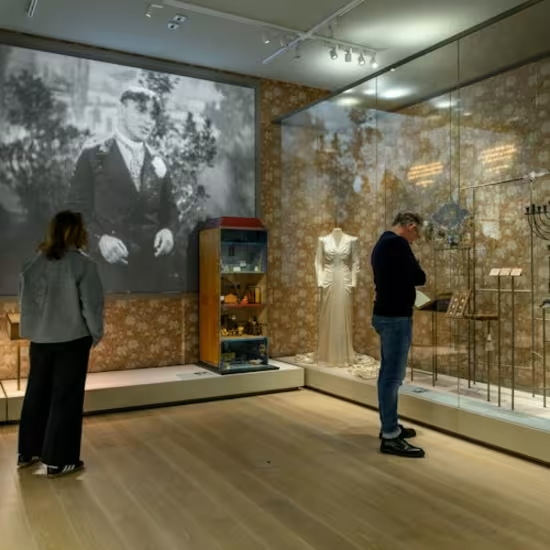
Discover powerful narratives about the Holocaust and the Jewish experience in the Netherlands.
Learn about the heroic efforts of Henriëtte Pimentel and others who saved Jewish children.
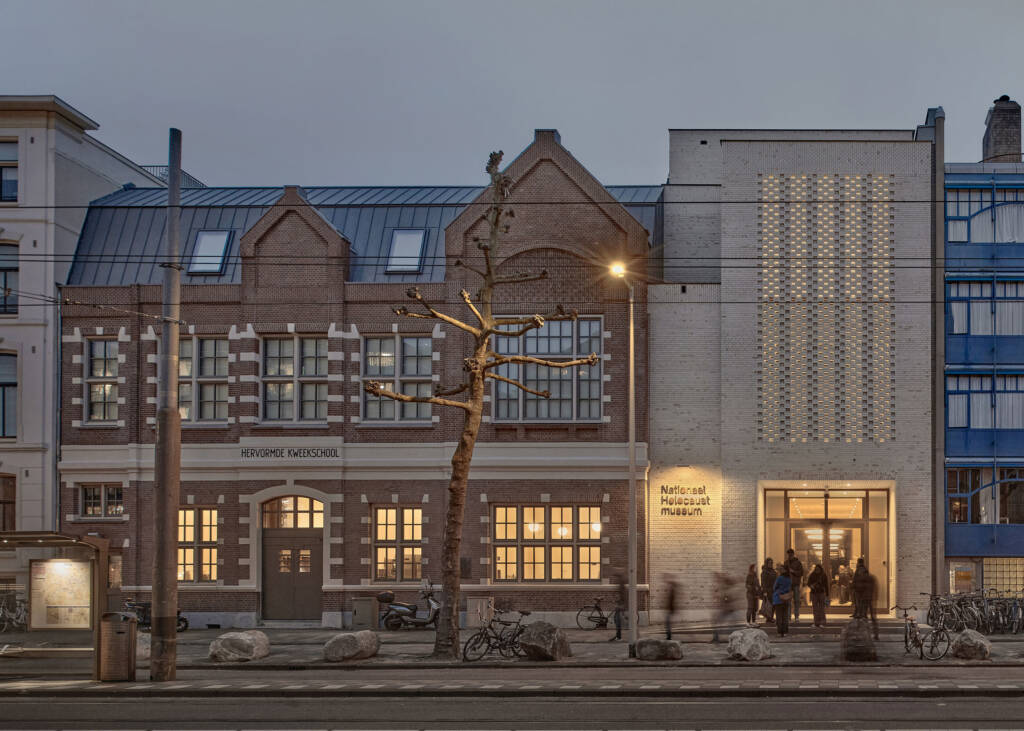
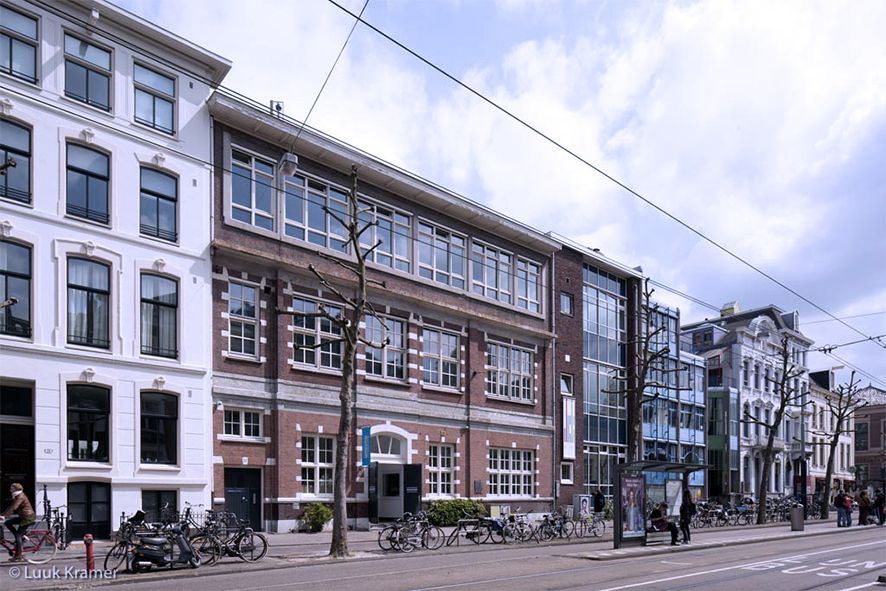
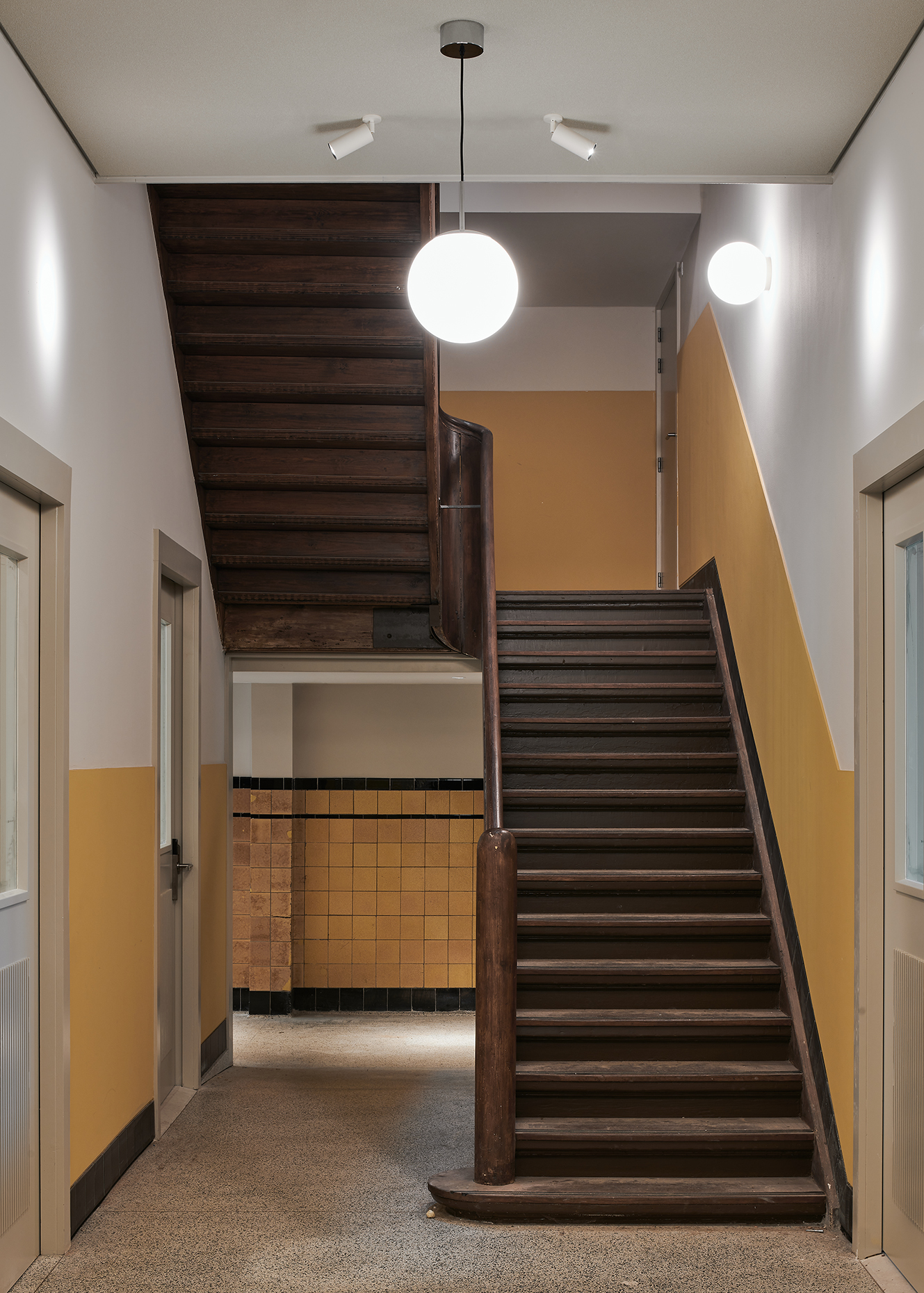
Explore permanent exhibitions set in the historic Hervormde Kweekschool building.
Reflect on the wartime events and their impact through detailed exhibits.
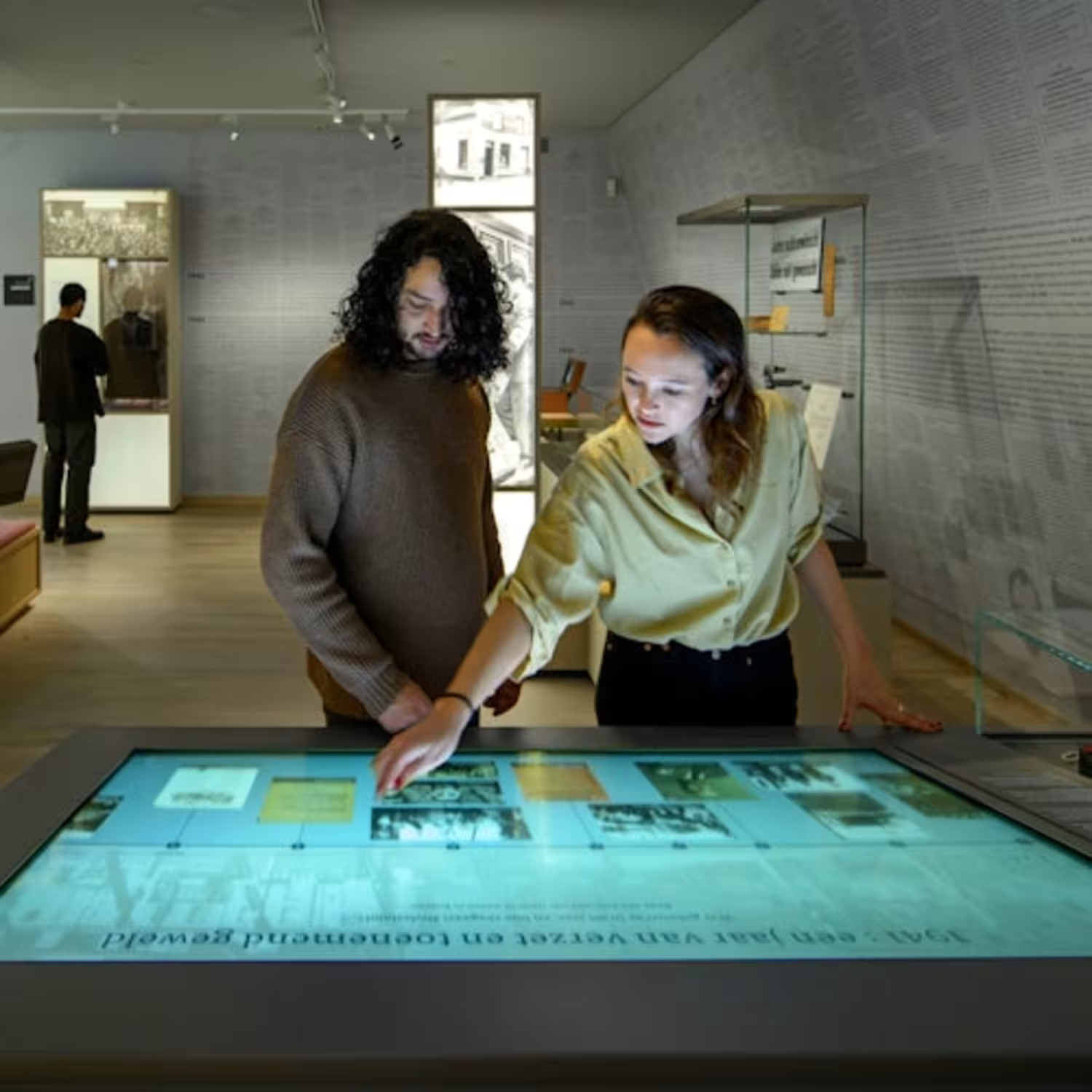
Access an audio guide available in English and Dutch for a more immersive experience.
Welcome to the National Holocaust Museum
Get tickets and discover the profound history of the Holocaust at the National Holocaust Museum in Amsterdam, a unique memorial dedicated to the stories of persecution, survival, and solidarity of Dutch Jews during World War II.
About The National Holocaust Museum in Amsterdam
Why Visit The National Holocaust Museum in Amsterdam?
Visiting Hours & Timings of the National Holocaust Museum, Amsterdam
Best Times to Visit The National Holocaust Museum in Amsterdam
Mornings Right After Opening (10:00 AM – 12:00 PM)
Starting your visit soon after the museum opens allows for a quieter and more personal experience. The galleries are calm, giving you the space to absorb the exhibits, reflect on the stories, and take your time with interactive or multimedia displays without feeling rushed.
Weekdays, Especially Tuesday Through Thursday
Weekdays tend to be less crowded than weekends. Visiting midweek offers a more peaceful environment—ideal if you want to spend extra time with the historical collections, read survivor testimonies in depth, or simply move through the exhibits at your own pace.
Outside Peak Tourist Seasons
Amsterdam experiences higher visitor numbers during spring (April–June) and summer (July–August). If you prefer a quieter visit, plan your trip for late autumn (October–November) or winter (January–February). Cooler months often mean smaller crowds, shorter waiting times, and more time for reflection inside the museum.
During Commemorative Events and Special Exhibitions
The museum occasionally hosts special exhibitions, lectures, and remembrance events that offer deeper insights into Jewish history and the Holocaust. Visiting during these times provides a more meaningful experience and the opportunity to connect with educators, historians, and survivor stories in new ways.
Location & Address of the National Holocaust Museum, Amsterdam
How to Get to The National Holocaust Museum in Amsterdam
By Tram or Bus
The easiest way to reach the museum is by taking Tram 14 to Artis or Waterlooplein stops — both just a short walk away.
You can also take Tram 9 or 51 and get off at Plantage Kerklaan.
Several GVB bus routes connect the area with other parts of Amsterdam.
Public transport in Amsterdam is reliable, frequent, and ideal for avoiding parking hassles in the city center.
By Metro
Take Metro Lines 51, 53, or 54 to Waterlooplein Station, then walk about 5 minutes to reach the museum.
This is a convenient option if you’re traveling from Amsterdam Central Station or other parts of the city.
By Car
The museum is easily accessible by car via Plantage Middenlaan, but parking in central Amsterdam is limited.
Paid parking is available at Q-Park Waterlooplein and Parkeergarage Markenhoven, both within a few minutes’ walk.
Consider using Amsterdam’s P+R (Park and Ride) facilities for a more affordable and convenient experience.
By Bicycle
Cycling is one of the most popular ways to get around Amsterdam.
You can easily bike to the museum and park your bicycle near the entrance or along Plantage Middenlaan.
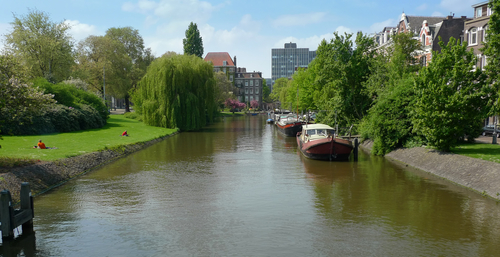
The route is scenic, passing through tree-lined streets and canals.
On Foot
The museum is within walking distance of major attractions such as Artis Zoo, Hermitage Amsterdam, and Rembrandt House Museum.
From Waterlooplein or Nieuwmarkt, it’s about a 10–15 minute walk through some of Amsterdam’s most historic neighborhoods.
Walking lets you enjoy the calm atmosphere of the Plantage district before immersing yourself in the museum’s exhibits.
From Amsterdam Central Station
From Amsterdam Central Station, take Metro Lines 51, 53, or 54 to Waterlooplein (approximately 3 minutes).
Alternatively, you can take Tram 14 directly to Artis — the museum is a 5-minute walk from there.
Taxis and rideshare services are also available and take about 10–15 minutes, depending on traffic.
Things to Know Before Visiting the Hash Marihuana & Hemp Museum in Amsterdam
- Facilities
- Accessibility
- Guidelines
- Rules
Onsite Facilities
Accessibility Information
Visitor Guidelines
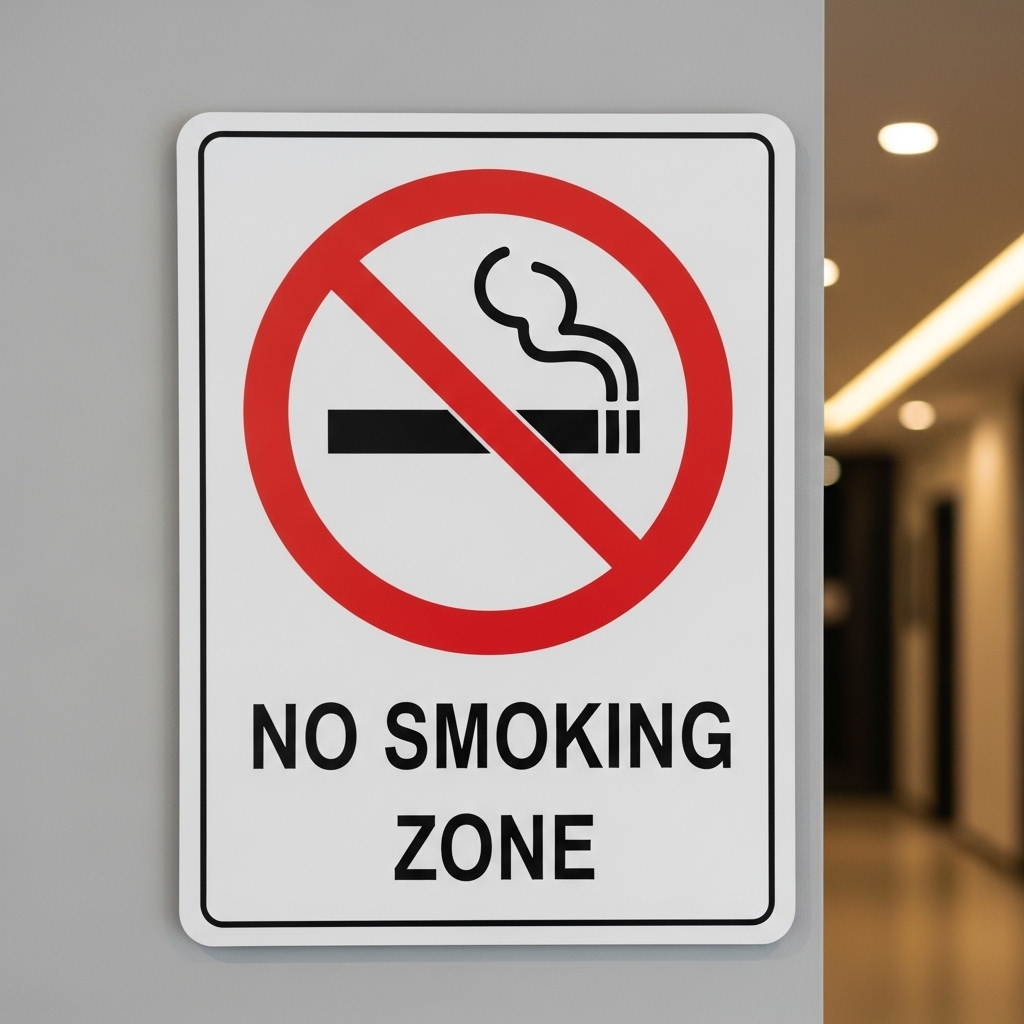
Rules and Regulations
Interesting Facts About the National Holocaust Museum in Amsterdam
The First National Holocaust Museum in the Netherlands
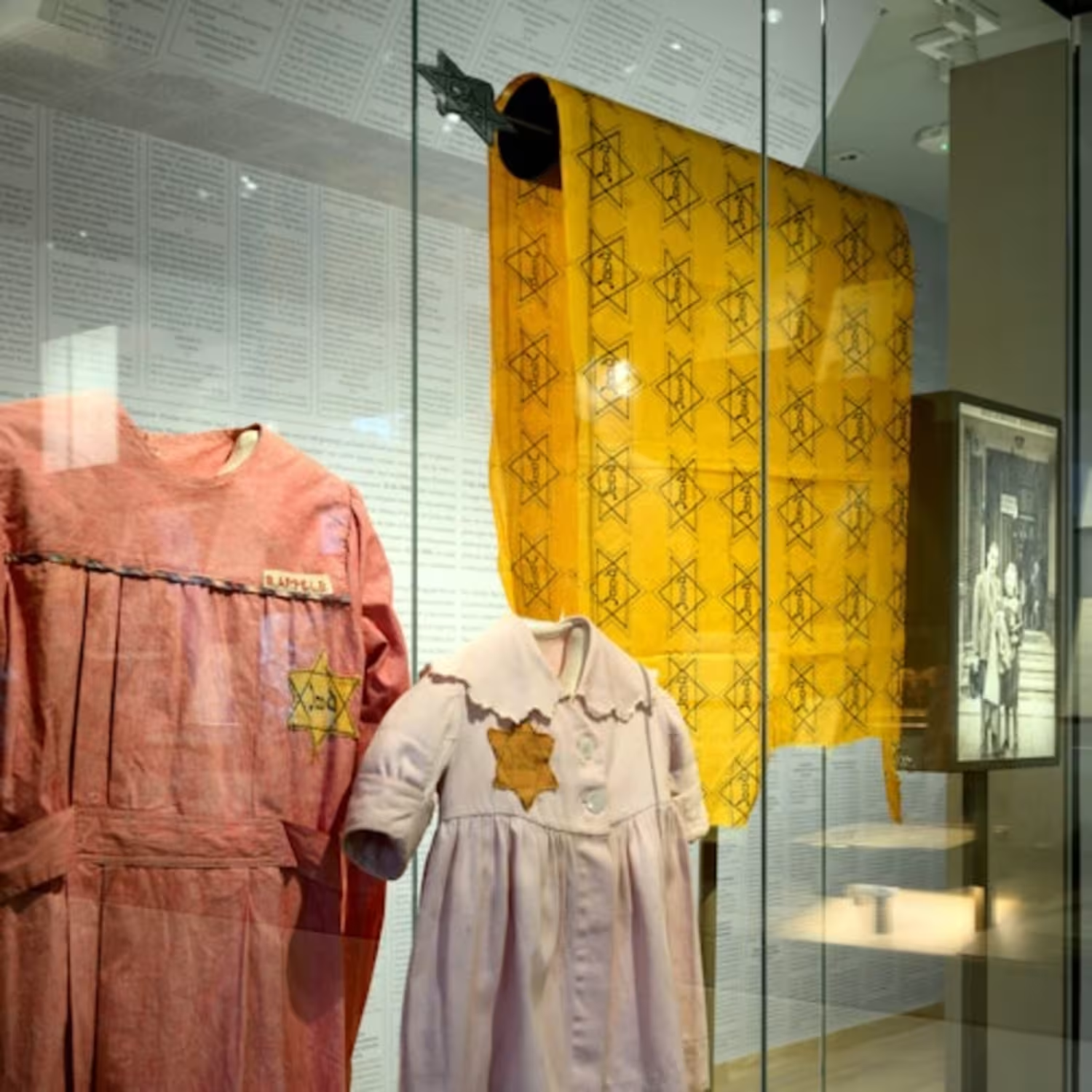
The museum is the first and only national institution in the Netherlands dedicated entirely to the persecution and murder of Dutch Jews during the Holocaust. It tells the story of exclusion, persecution, and survival through authentic objects and personal testimonies.
A Building with a Secret Past
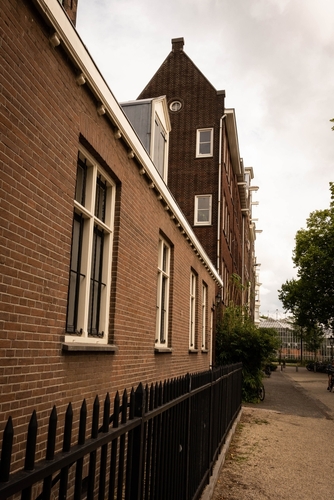
The museum is housed in a former teacher training college located beside a wartime Jewish nursery. During World War II, members of the Dutch resistance secretly smuggled hundreds of Jewish children through a hidden passageway connecting the two buildings — saving them from deportation.
The “Wall of Laws” Installation
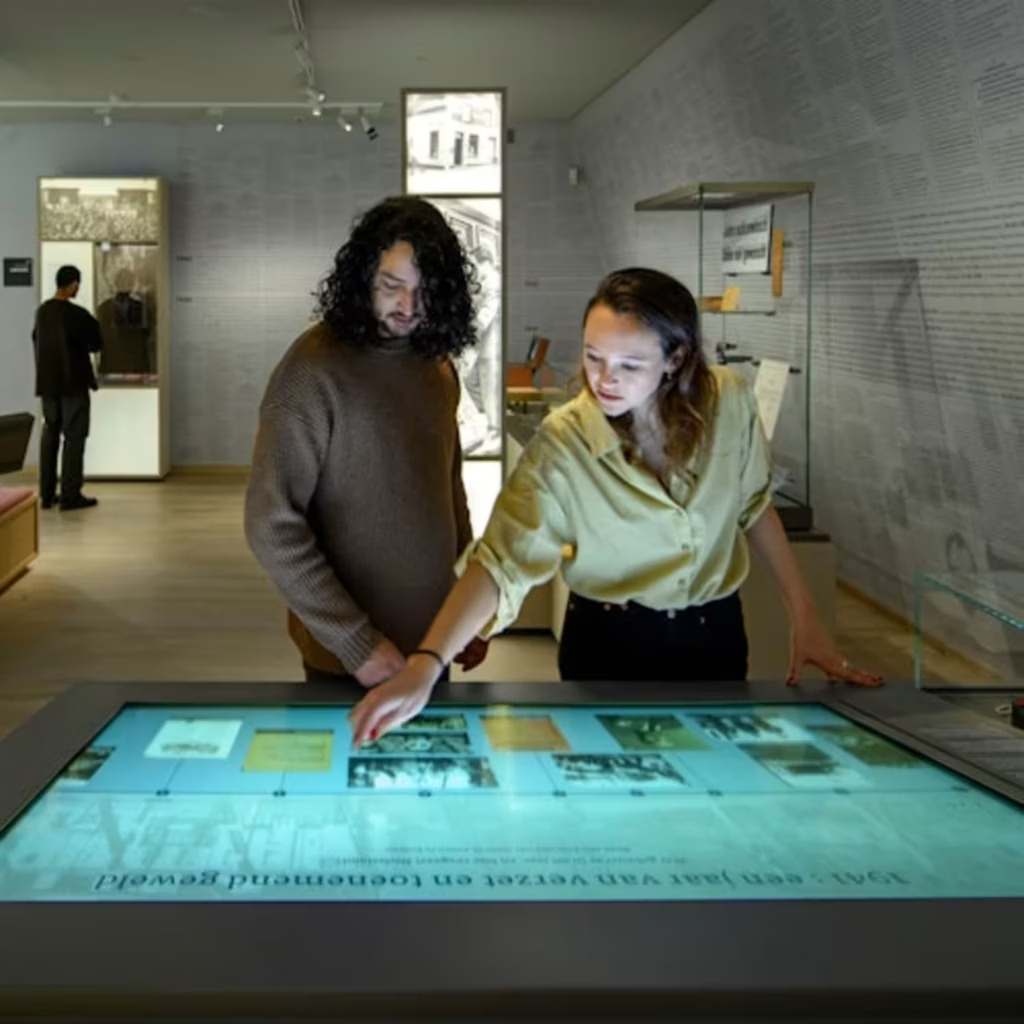
One of the museum’s most powerful displays, the Wall of Laws, shows hundreds of anti-Jewish decrees enacted during Nazi occupation. It powerfully visualizes how systematic discrimination evolved through everyday bureaucracy.
Thousands of Authentic Artifacts
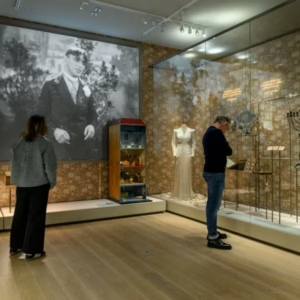
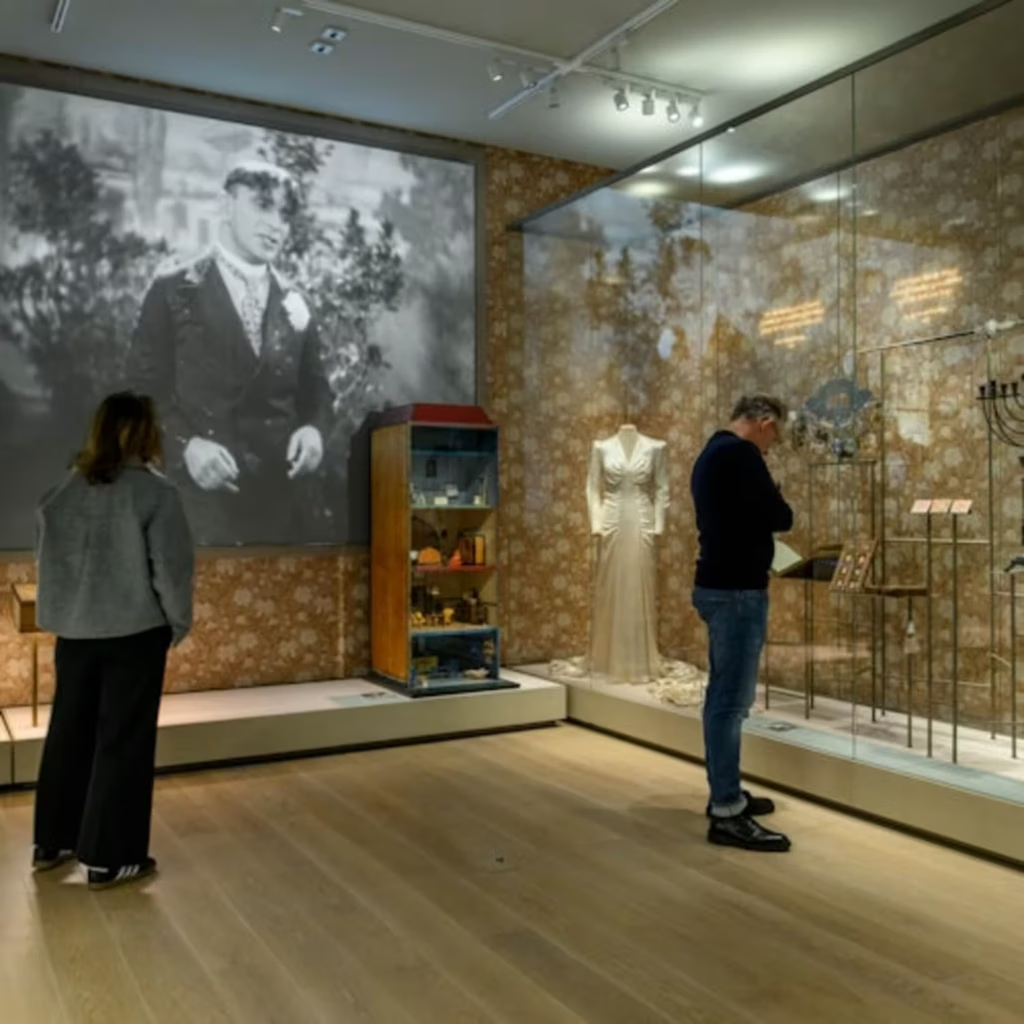
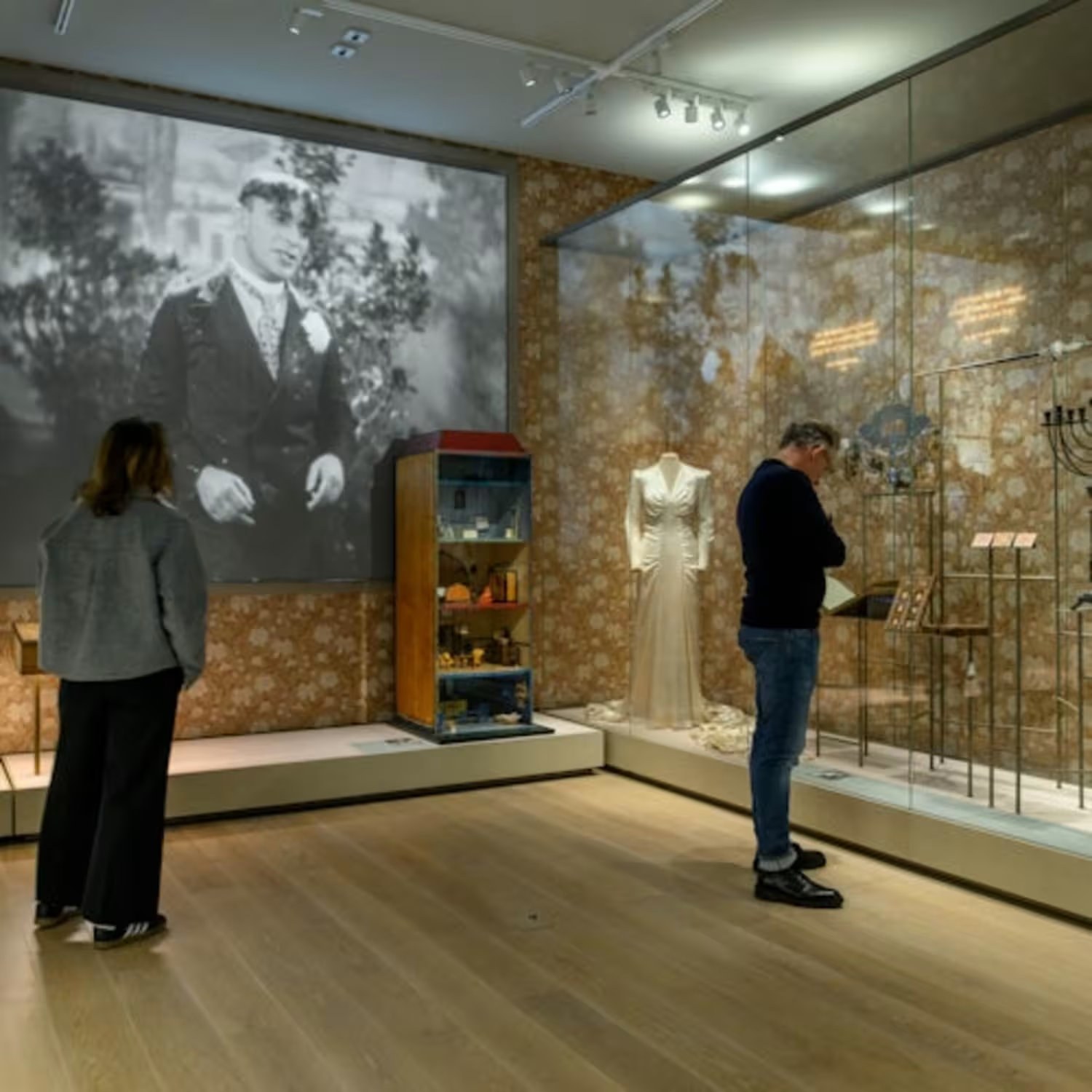
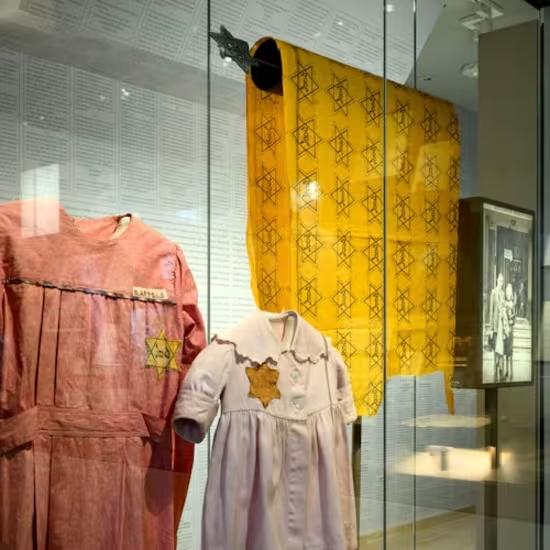
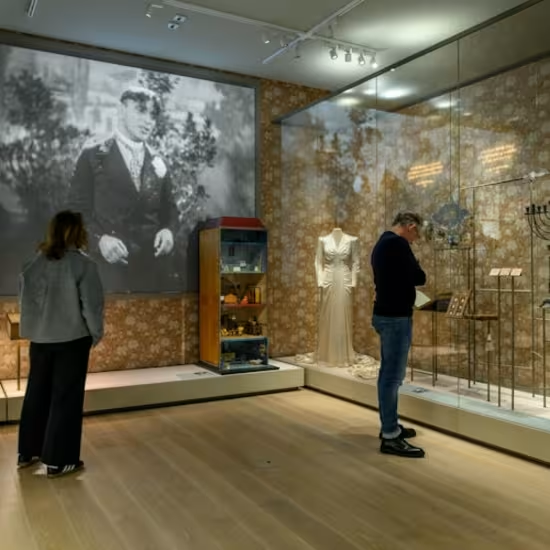
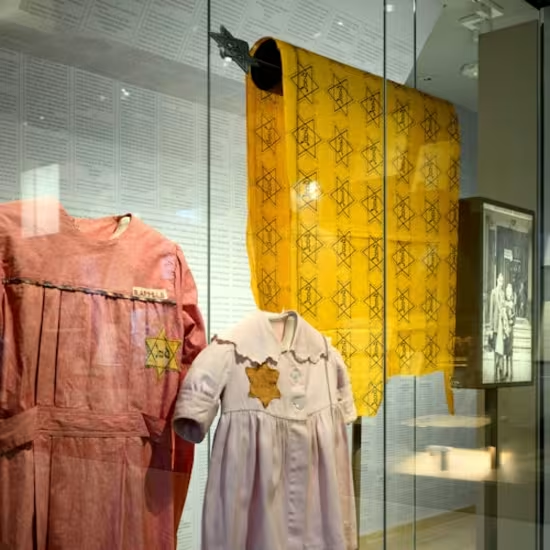
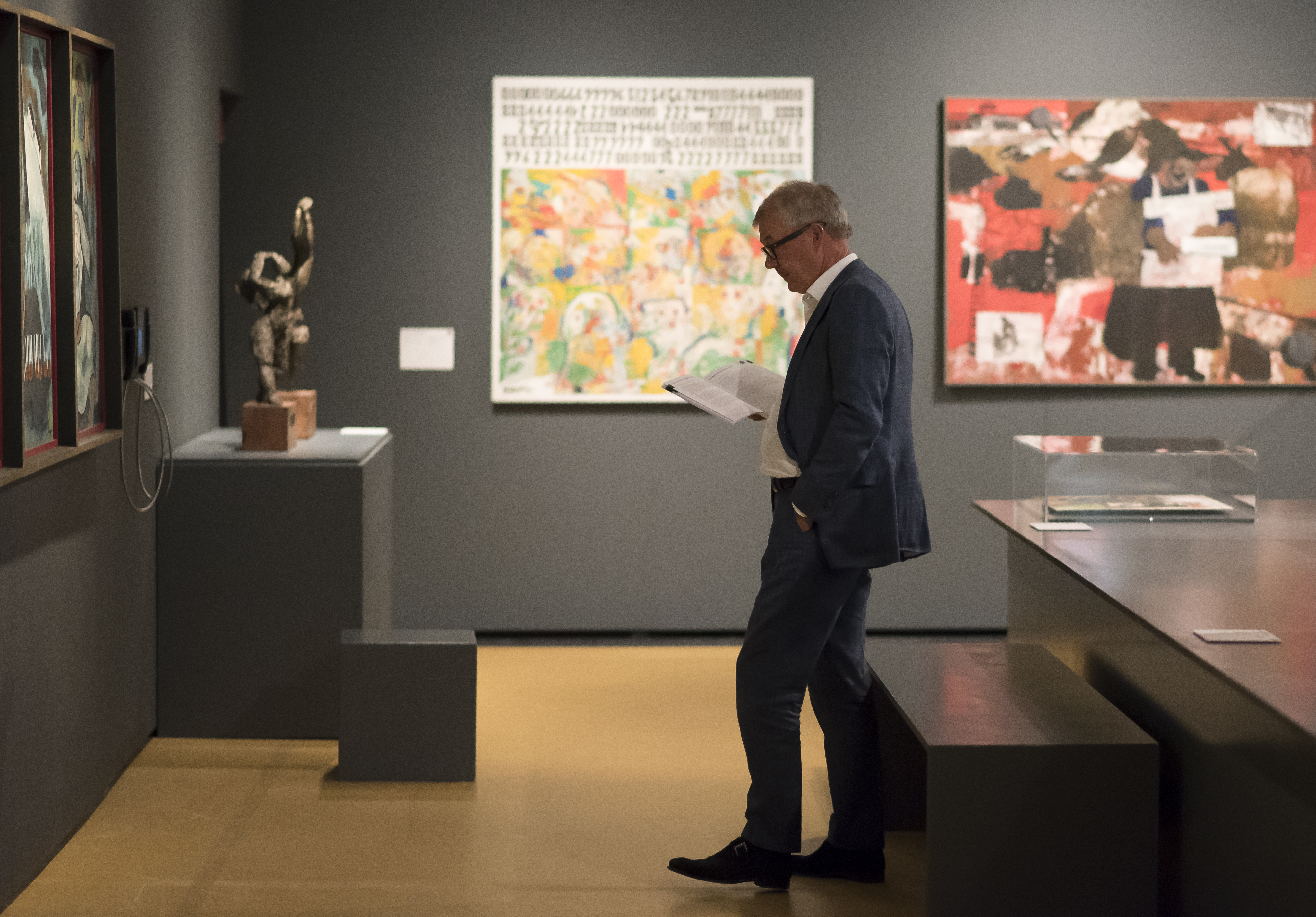
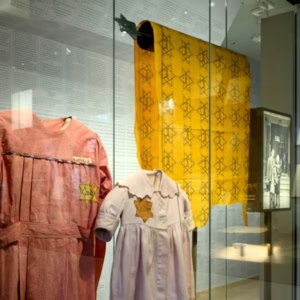
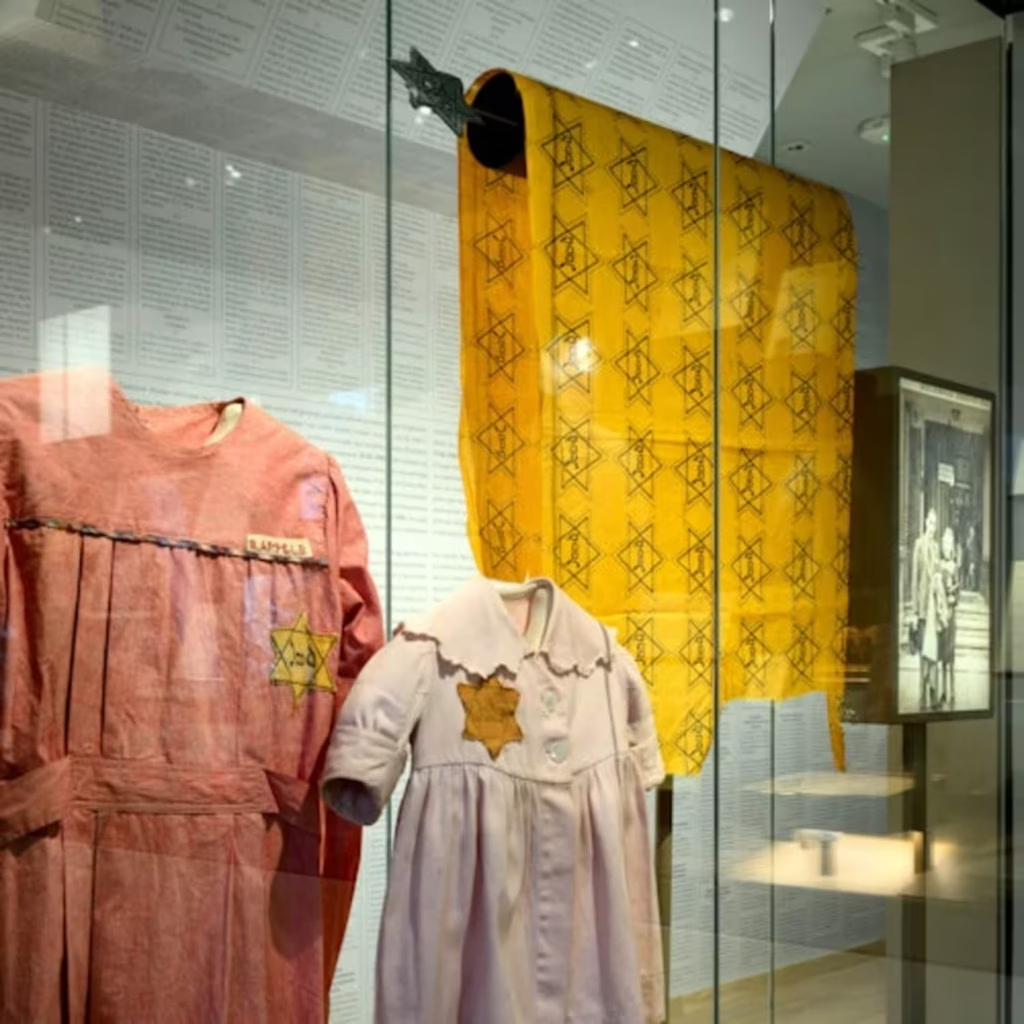
The museum holds more than 2,500 original objects, photographs, and documents — many of which were donated by survivors and their families. Each piece helps tell a deeply personal story of loss, courage, and remembrance.
The “Forget-Me-Not” Displays
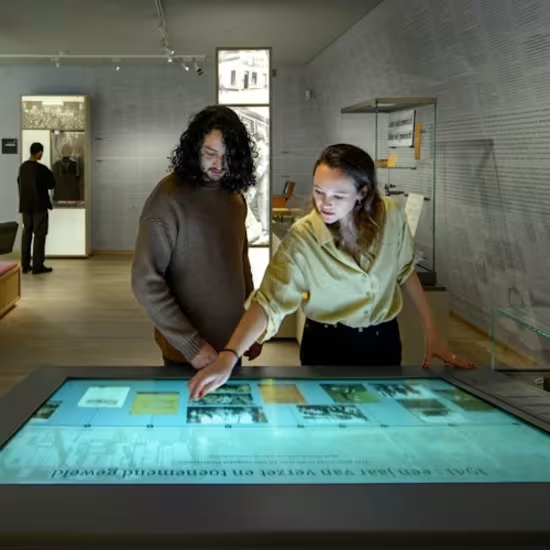
Throughout the museum are 19 individual “Forget-Me-Not” showcases, each devoted to one person — a victim, a survivor, or a rescuer. These displays restore names, faces, and humanity to those whose lives were forever changed.
Located in Amsterdam’s Jewish Cultural Quarter
The museum is part of the city’s Jewish Cultural Quarter, a historic area that was once home to a vibrant Jewish community — before the war, nearly 80% of the neighborhood’s residents were Jewish.
A New and Historic Beginning
After years of planning, the museum officially opened to the public in March 2024, marking a major milestone in Holocaust remembrance and education in the Netherlands.
Architecture that Speaks
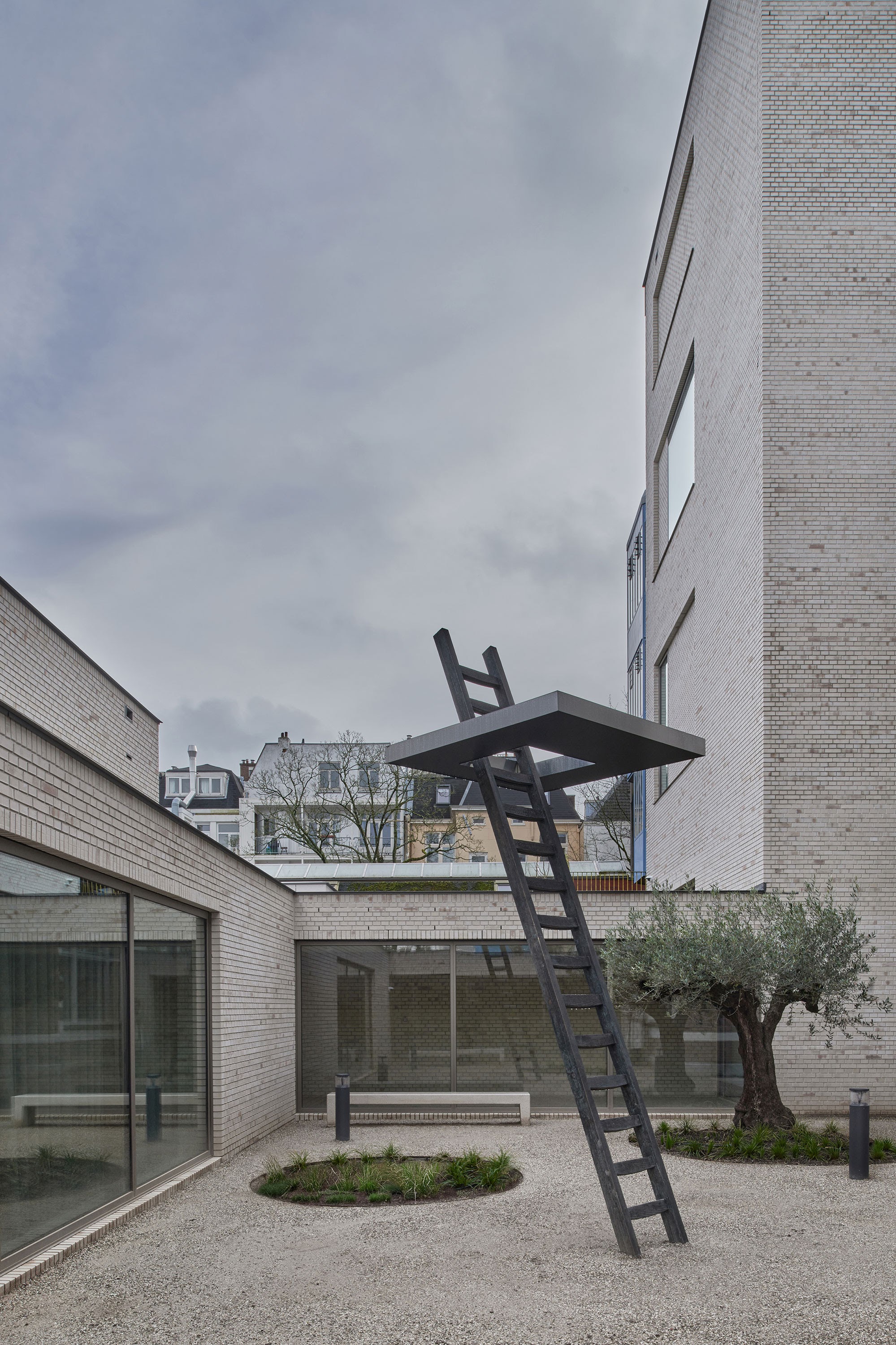
The museum’s design intentionally uses light, transparency, and preserved original structures — including the children’s escape corridor — to symbolize how persecution unfolded in plain sight, not in hidden darkness.
A Broader Story Beyond the Netherlands
While deeply rooted in Dutch history, the museum connects its narrative to European sites of extermination like Auschwitz and Sobibor, displaying objects recovered from these camps to show the shared fate of millions.
Confronting the Full Story
The museum doesn’t only highlight victimhood and heroism — it also addresses Dutch collaboration, silence, and resistance, offering a balanced and honest reflection on the nation’s wartime past.