Visiting The National Holocaust Museum in Amsterdam – Prices, Tips, and Info
Plan Your Visit to the National Holocaust Museum Amsterdam
Planning your visit to the National Holocaust Museum in Amsterdam will help ensure a meaningful and informative experience at this significant historical site. Below is essential information to help you prepare for your visit.
Visiting Hours & Timings of the National Holocaust Museum, Amsterdam
Best Times to Visit The National Holocaust Museum in Amsterdam
Mornings Right After Opening (10:00 AM – 12:00 PM)
Starting your visit soon after the museum opens allows for a quieter and more personal experience. The galleries are calm, giving you the space to absorb the exhibits, reflect on the stories, and take your time with interactive or multimedia displays without feeling rushed.
Weekdays, Especially Tuesday Through Thursday
Weekdays tend to be less crowded than weekends. Visiting midweek offers a more peaceful environment—ideal if you want to spend extra time with the historical collections, read survivor testimonies in depth, or simply move through the exhibits at your own pace.
Outside Peak Tourist Seasons
Amsterdam experiences higher visitor numbers during spring (April–June) and summer (July–August). If you prefer a quieter visit, plan your trip for late autumn (October–November) or winter (January–February). Cooler months often mean smaller crowds, shorter waiting times, and more time for reflection inside the museum.
During Commemorative Events and Special Exhibitions
The museum occasionally hosts special exhibitions, lectures, and remembrance events that offer deeper insights into Jewish history and the Holocaust. Visiting during these times provides a more meaningful experience and the opportunity to connect with educators, historians, and survivor stories in new ways.
Location & Address of the National Holocaust Museum, Amsterdam
How to Get to The National Holocaust Museum in Amsterdam
By Tram or Bus
The easiest way to reach the museum is by taking Tram 14 to Artis or Waterlooplein stops — both just a short walk away.
You can also take Tram 9 or 51 and get off at Plantage Kerklaan.
Several GVB bus routes connect the area with other parts of Amsterdam.
Public transport in Amsterdam is reliable, frequent, and ideal for avoiding parking hassles in the city center.
By Metro
Take Metro Lines 51, 53, or 54 to Waterlooplein Station, then walk about 5 minutes to reach the museum.
This is a convenient option if you’re traveling from Amsterdam Central Station or other parts of the city.
By Car
The museum is easily accessible by car via Plantage Middenlaan, but parking in central Amsterdam is limited.
Paid parking is available at Q-Park Waterlooplein and Parkeergarage Markenhoven, both within a few minutes’ walk.
Consider using Amsterdam’s P+R (Park and Ride) facilities for a more affordable and convenient experience.
By Bicycle
Cycling is one of the most popular ways to get around Amsterdam.
You can easily bike to the museum and park your bicycle near the entrance or along Plantage Middenlaan.
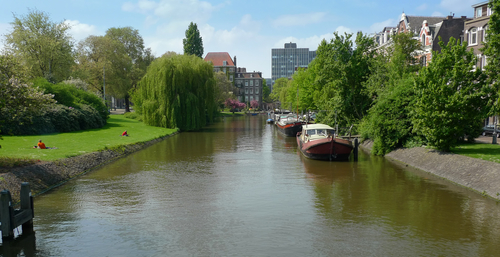
The route is scenic, passing through tree-lined streets and canals.
On Foot
The museum is within walking distance of major attractions such as Artis Zoo, Hermitage Amsterdam, and Rembrandt House Museum.
From Waterlooplein or Nieuwmarkt, it’s about a 10–15 minute walk through some of Amsterdam’s most historic neighborhoods.
Walking lets you enjoy the calm atmosphere of the Plantage district before immersing yourself in the museum’s exhibits.
From Amsterdam Central Station
From Amsterdam Central Station, take Metro Lines 51, 53, or 54 to Waterlooplein (approximately 3 minutes).
Alternatively, you can take Tram 14 directly to Artis — the museum is a 5-minute walk from there.
Taxis and rideshare services are also available and take about 10–15 minutes, depending on traffic.
Special Exhibitions and Experiences at the National Holocaust Museum in Amsterdam
Permanent Exhibition – The Story of Dutch Jewry and the Holocaust
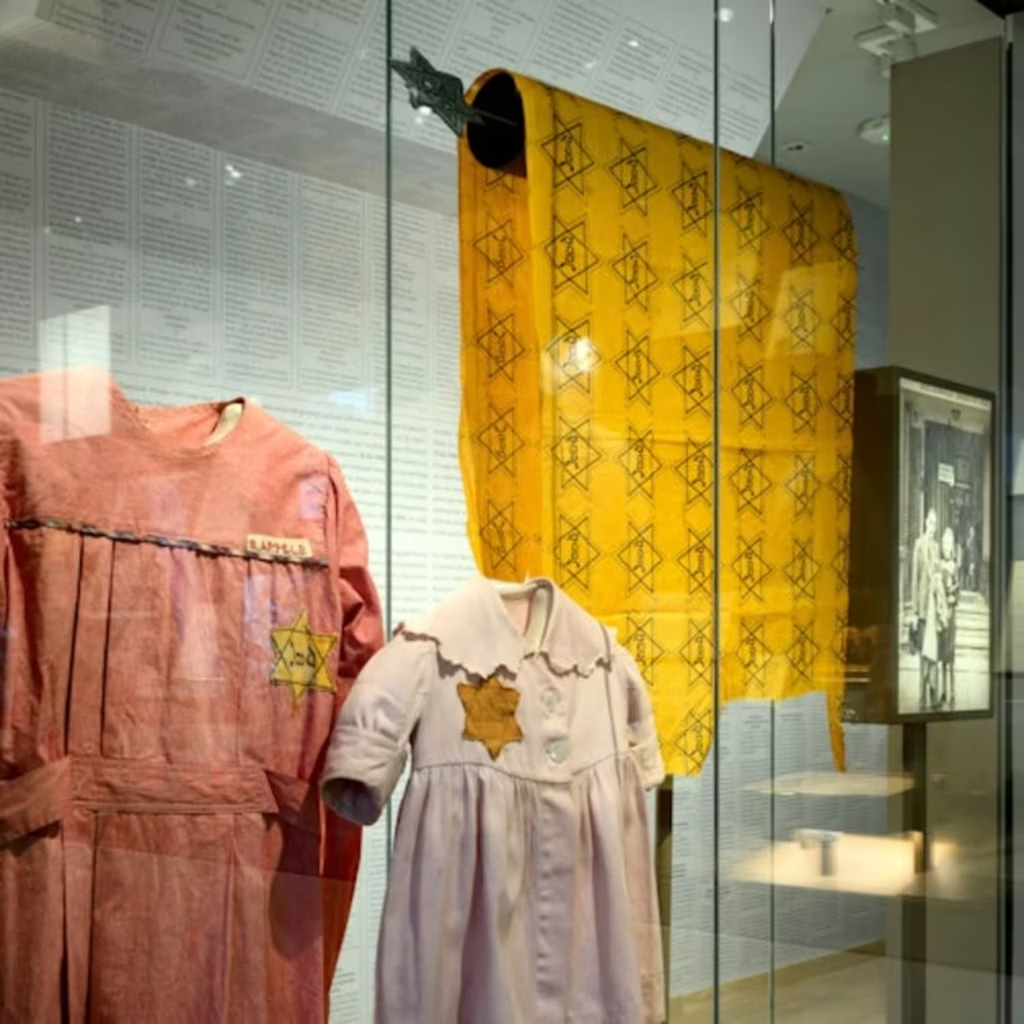
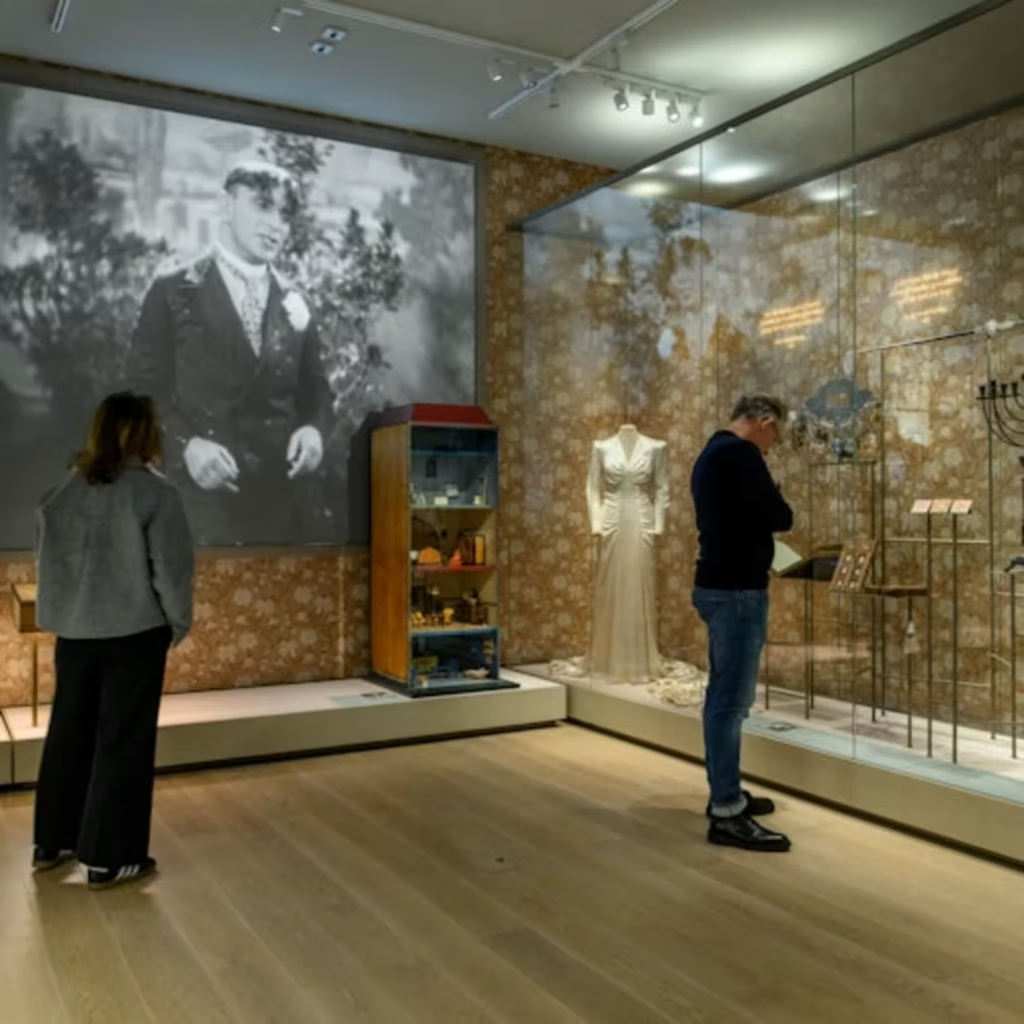
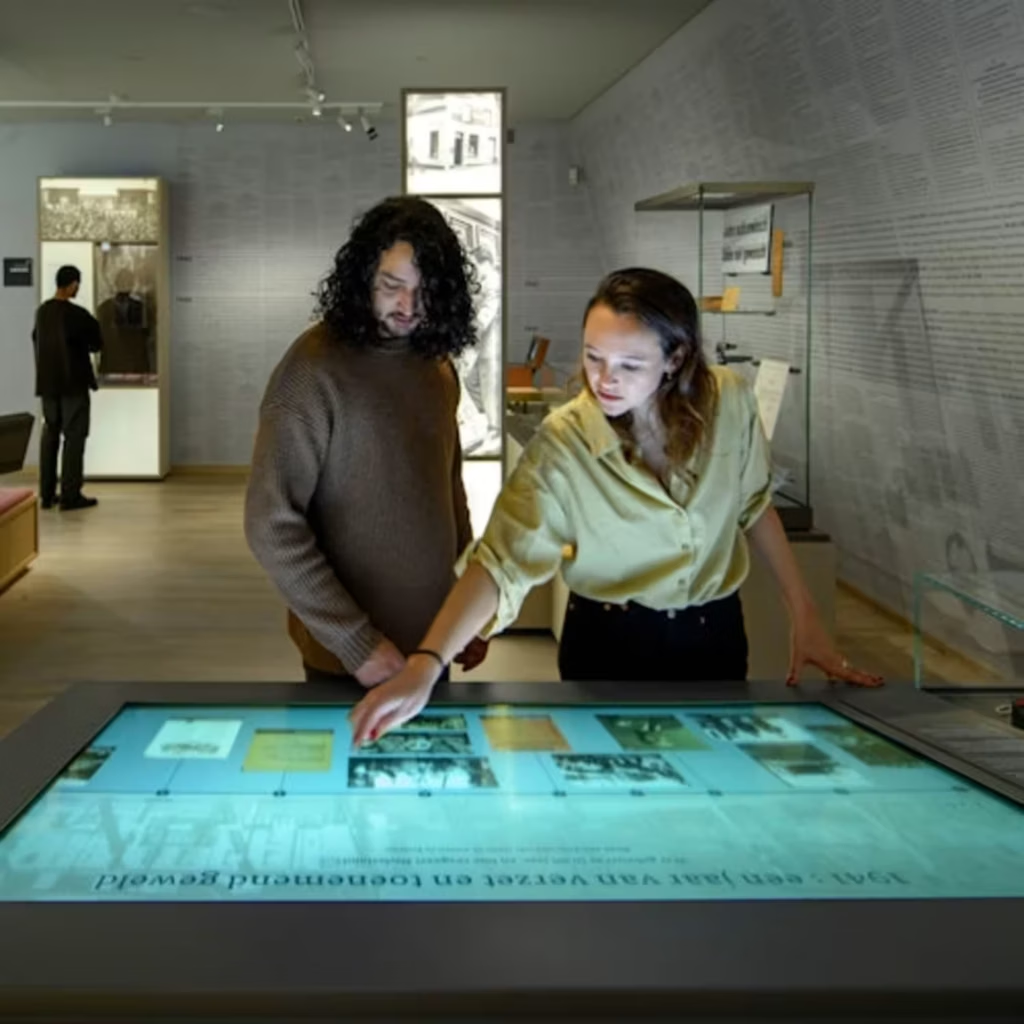
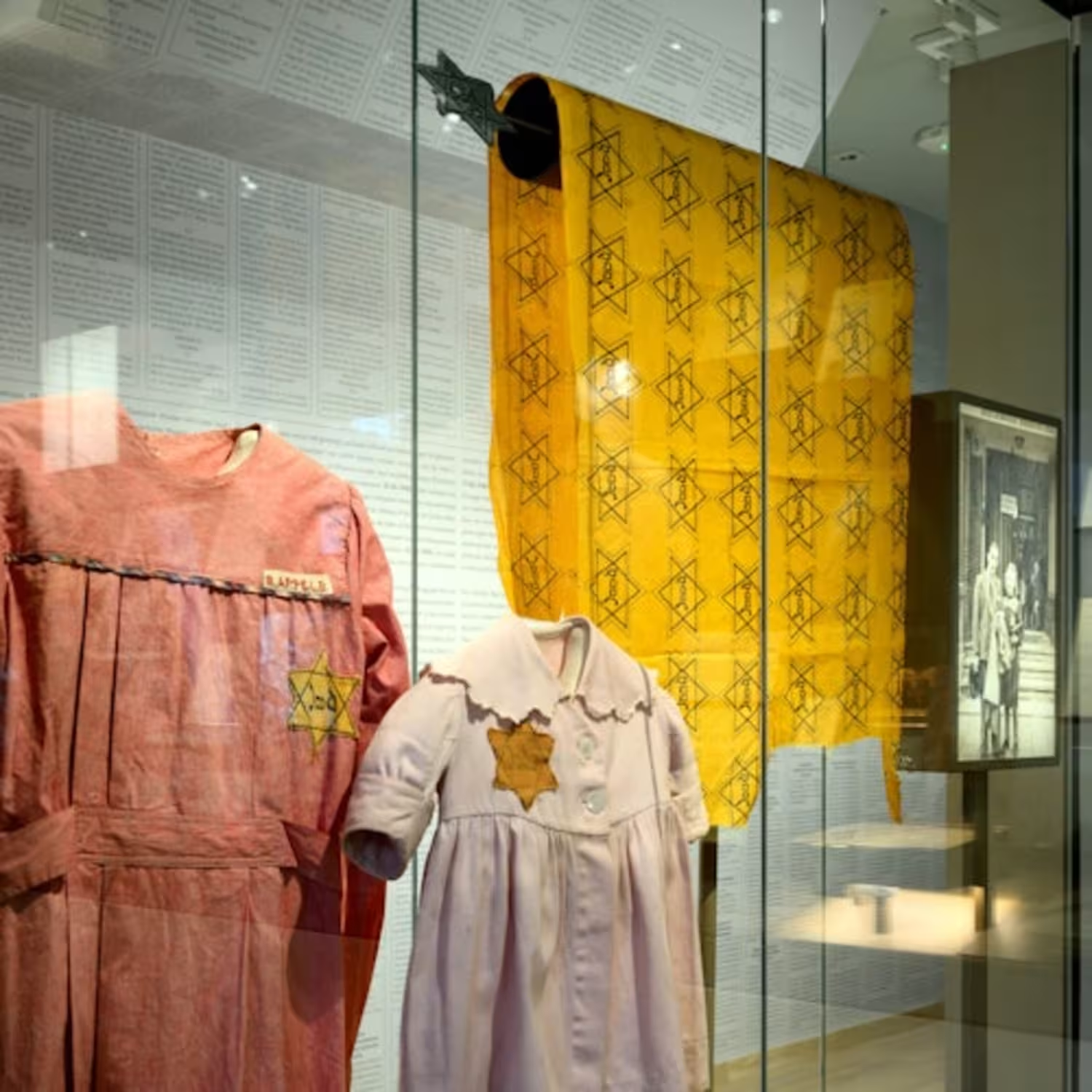
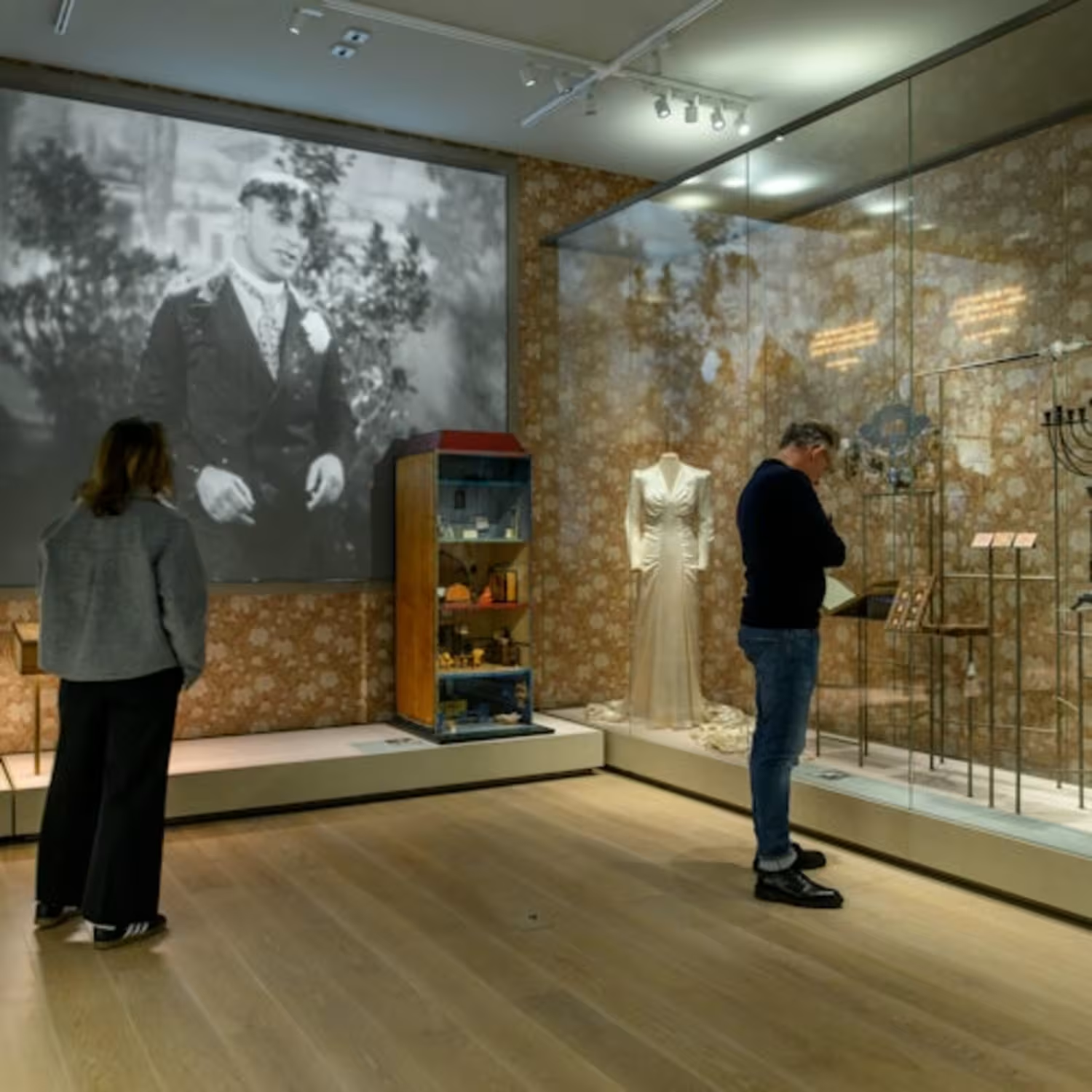
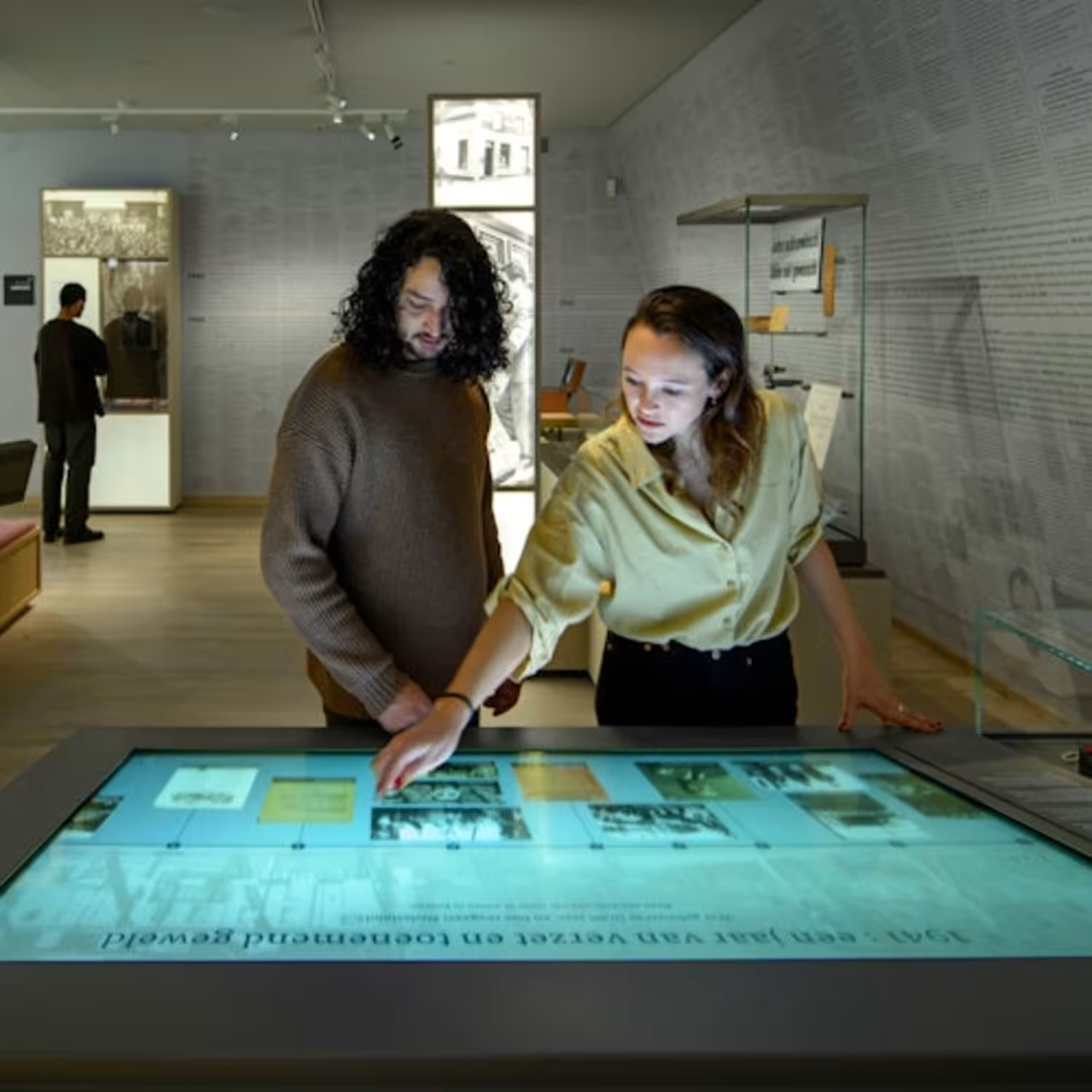
About: The museum’s core exhibition presents the persecution and resilience of Dutch Jews during World War II through more than 2,500 authentic objects, photographs, and personal testimonies. Visitors gain an intimate view of pre-war life, deportations, survival, and remembrance.
Dates: Ongoing (year-round)
Location: Main Exhibition Galleries
Temporary Exhibition – “Looted: Jewish Cultural Property & Nazi Vandalism”
About: This rotating exhibition explores how Nazi forces systematically looted Jewish cultural property during the war, and the post-war efforts to recover lost heritage. It includes rare artworks, archives, and personal belongings returned to families.
Dates: May 31 – October 27 (annual special exhibition schedule may vary)
Location: Special Exhibitions Hall
Educational Programs and Workshops
About: Engage with history through educational sessions designed for students, teachers, and lifelong learners. These include guided object-handling activities, survivor testimony screenings, and group discussions that encourage reflection and dialogue.
Dates: Throughout the year (advance booking required for school groups)
Location: Education and Learning Center
Commemoration and Remembrance Events
About: Held on key remembrance days, these solemn events invite visitors to honor Holocaust victims and reflect on the importance of tolerance, remembrance, and human rights.
Dates: Annually around Holocaust Remembrance Day (January 27) and Liberation Day (May 5)
Location: Auditorium and Memorial Courtyard
Survivor Testimony and Speaker Series
About: Join live talks and Q&A sessions featuring Holocaust survivors, historians, and guest speakers who share firsthand accounts and perspectives on history, memory, and identity.
Dates: Scheduled periodically throughout the year
Location: Lecture Hall
Family Experience Trail
About: A specially curated route for families and young visitors (ages 10 and up), featuring interactive touchpoints, age-appropriate explanations, and storytelling elements that help younger audiences connect meaningfully with the museum’s exhibits.
Dates: Weekends and school holidays
Location: Family Zone and Ground Floor Galleries
Special Focus Days and Film Screenings
About: Explore thematic programs such as “Children in Hiding” or “Resistance in the Netherlands.” These events often include exclusive film screenings and panel discussions.
Dates: Occasional single-day events (check the museum calendar)
Location: Multipurpose Room and Screening Area
Shopping & Dining at The National Holocaust Museum and The Jewish Cultural Quarter
Things to Know Before Visiting the Hash Marihuana & Hemp Museum in Amsterdam
- Facilities
- Accessibility
- Guidelines
- Rules
Onsite Facilities
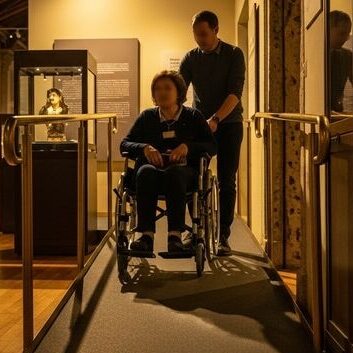
Accessibility Information
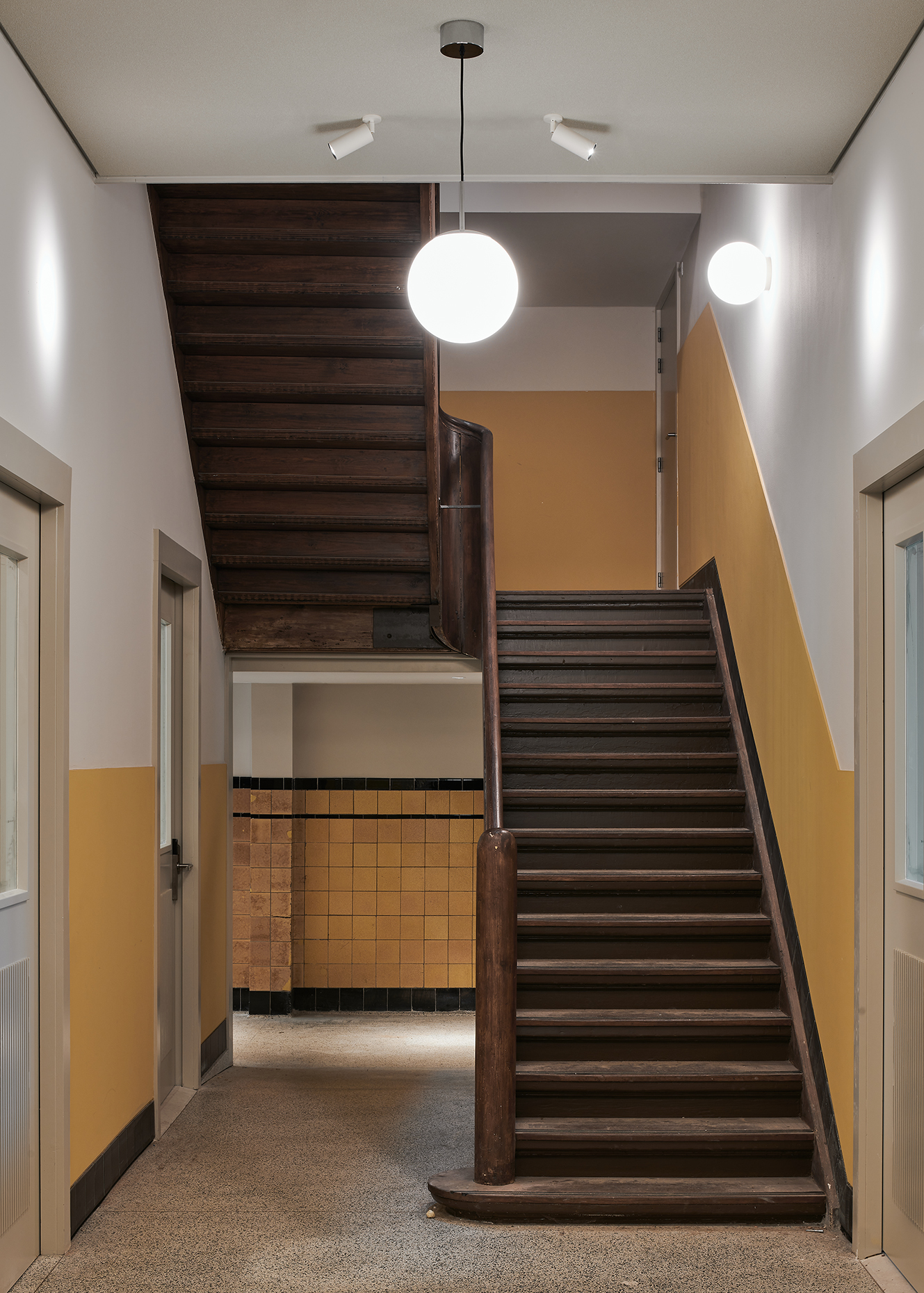
Visitor Guidelines
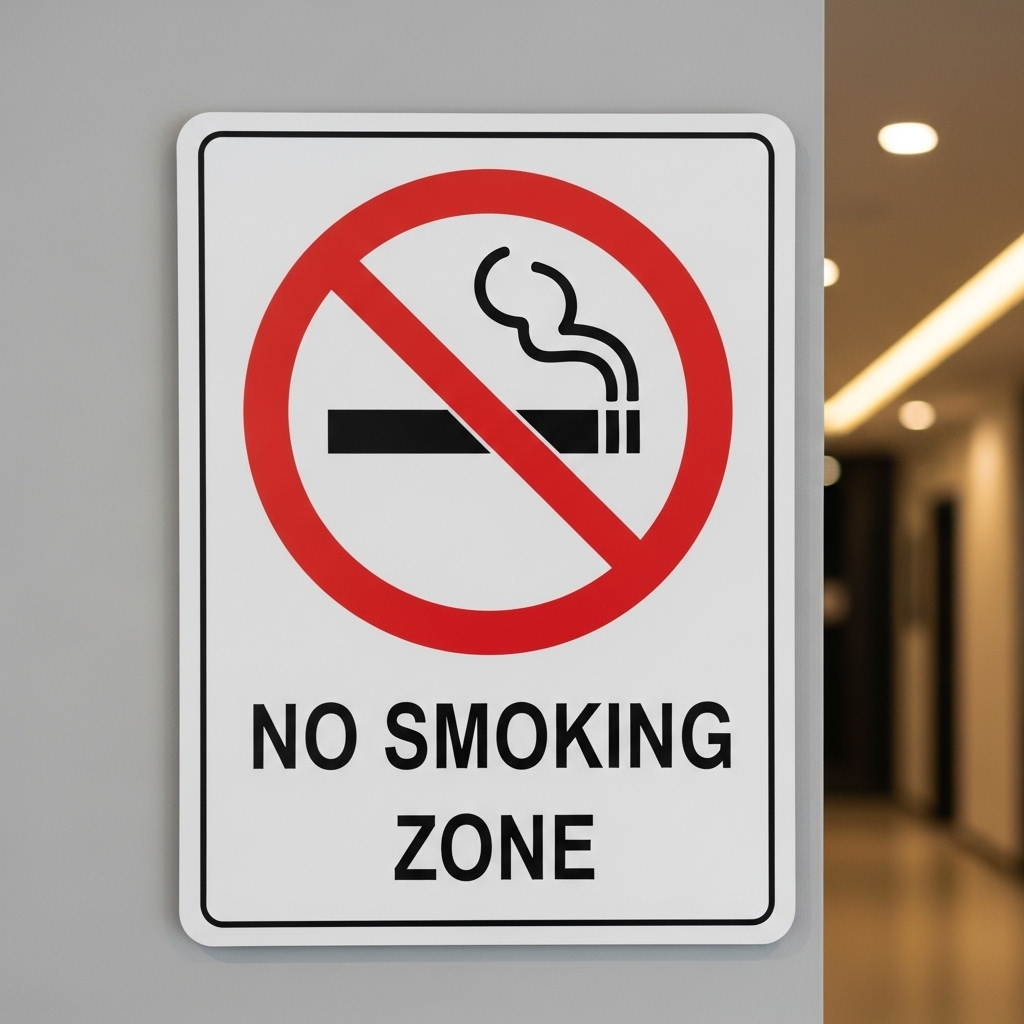
Rules and Regulations
National Holocaust Museum: Plan Ahead
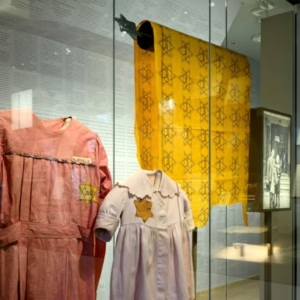
When making reservations, purchase tickets online in advance to secure your preferred visit date and avoid wait times. If attending an event, check the schedule early and book event tickets promptly, as spaces may be limited.


Nationaal Holocaust Museum: toegangsticket
Highlights
Discover powerful narratives about the Holocaust and the Jewish experience in the Netherlands.
Learn about the heroic efforts of Henriëtte Pimentel and others who saved Jewish children.
Explore permanent exhibitions set in the historic Hervormde Kweekschool building.
Reflect on the wartime events and their impact through detailed exhibits.
Access an audio guide available in English and Dutch for a more immersive experience.