We are processing your request.
Please, don't close or refresh the page.

Royal Palace Amsterdam: Tickets and Info

This website offers official tickets for this venue. Please note, however, that it is not the official website of the venue.
Smartphone tickets

Smartphone tickets

Why wait?

Priority Access Available

Instant confirmation

Instant confirmation

Smartphone tickets

Smartphone tickets

Everything you need, right in your pocket!
Why wait?

Why wait?

Skip the line and get priority access
Instant confirmation

Instant confirmation

Receive your tickets seconds after your purchase

Royal Palace Amsterdam (Koninklijk Paleis): Entry Ticket + Audio Guide

Highlights

Skip the regular lines to enter quickly.

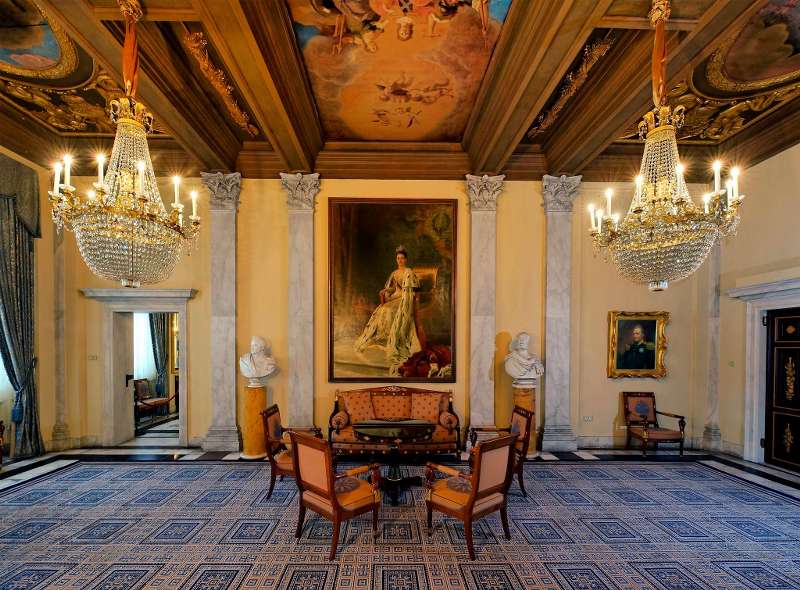
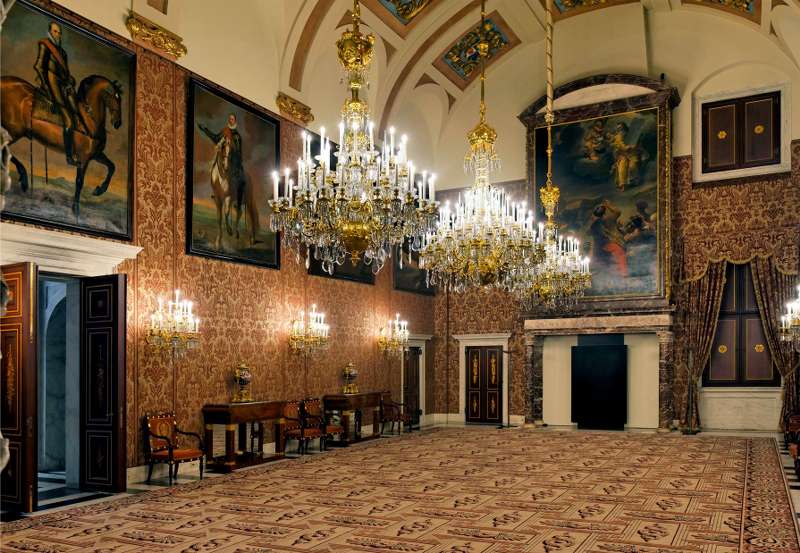
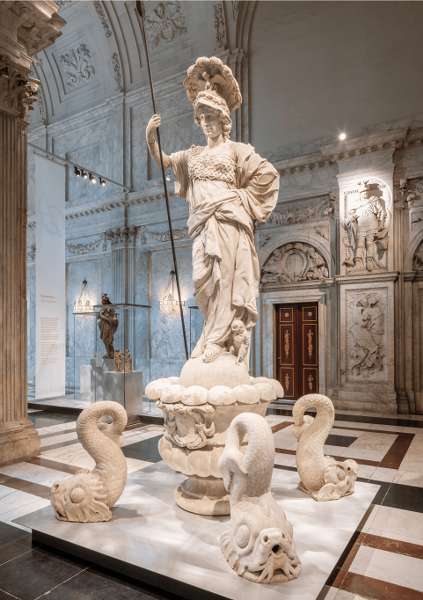
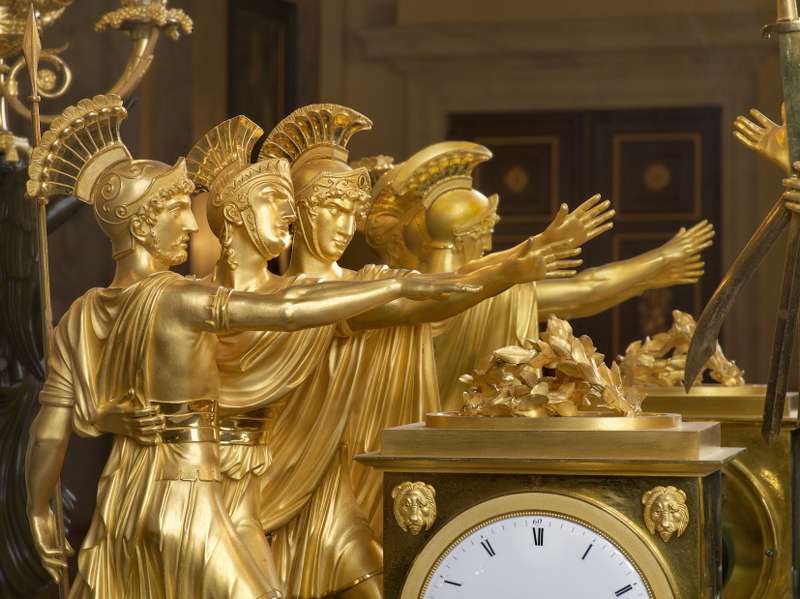
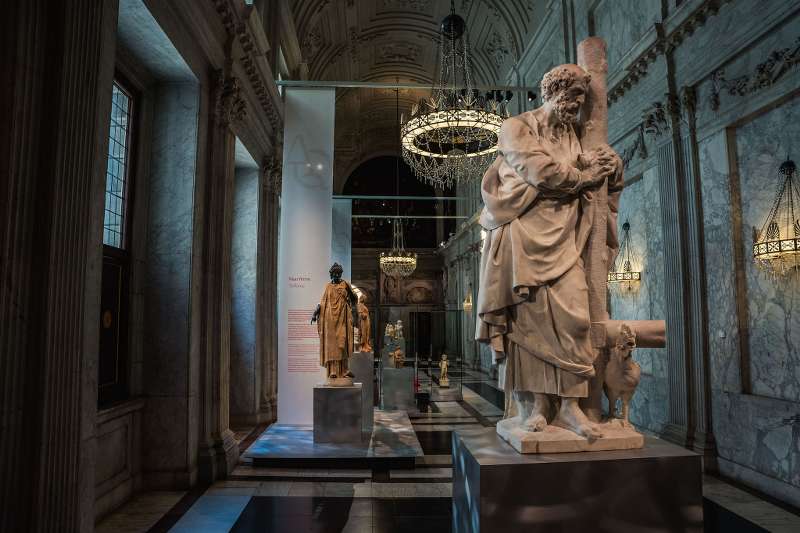
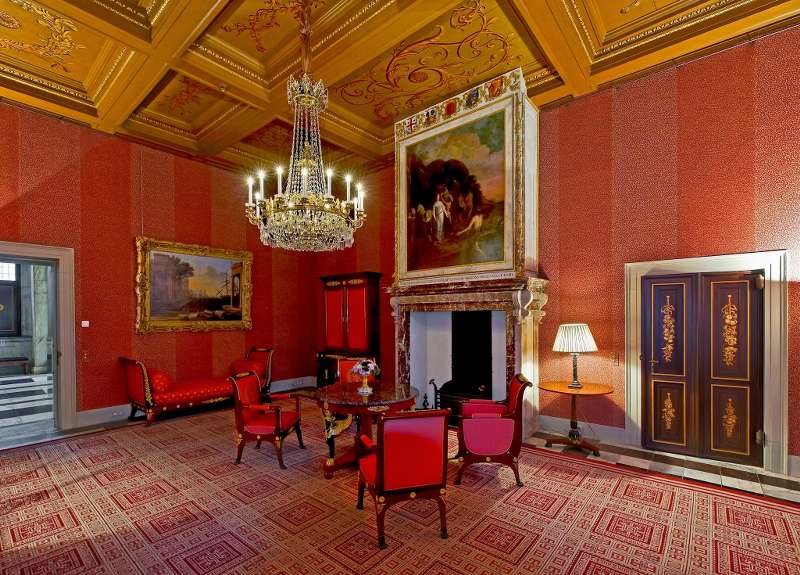
Discover exquisite artworks, sculptures, and period furnishings.

Explore the palace used for official state events.

Enjoy detailed commentary in eight languages through the audio guide.

Wander through a historic 17th-century building overlooking Dam Square.

Royal Palace Amsterdam

Discover the Royal Palace of Amsterdam, a stunning example of Dutch Baroque architecture located at the heart of Dam Square. Originally built in the 17th century as a city hall, this historic palace now serves as a royal residence and public museum, offering visitors the chance to explore grand halls and significant royal heritage. Experience the rich history and impressive art collections firsthand by purchasing your tickets today.

About Royal Palace Amsterdam

Royal Palace Amsterdam (Google Maps)

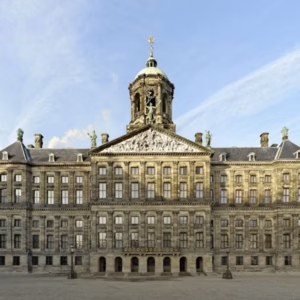
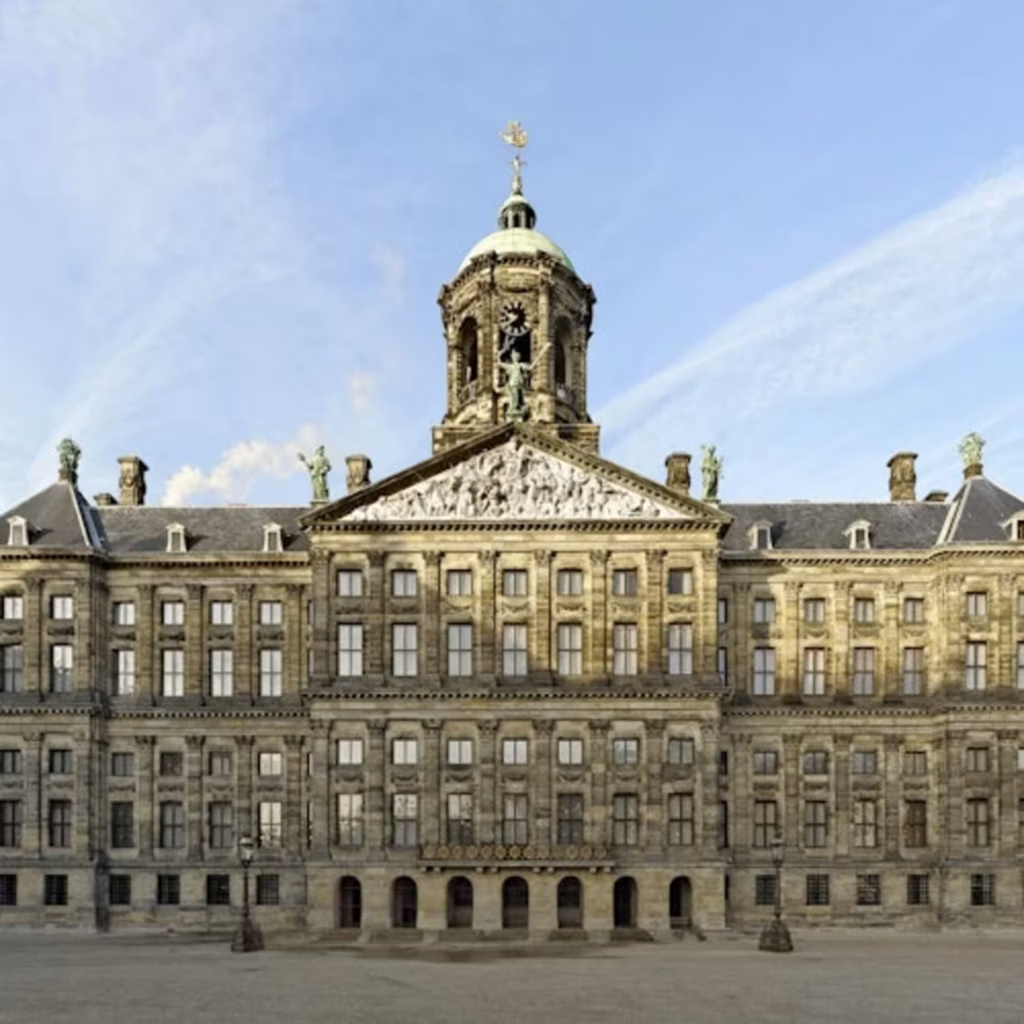
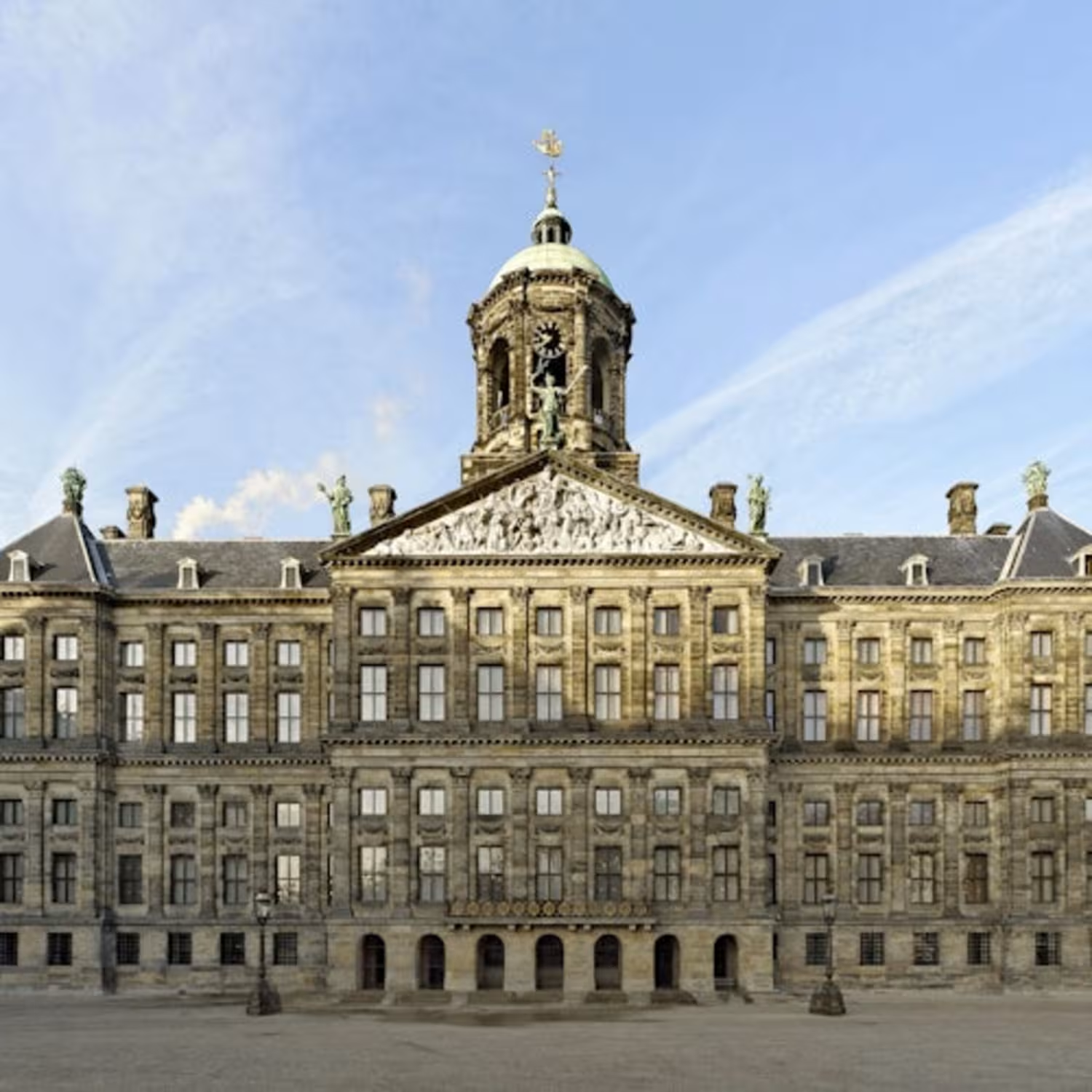
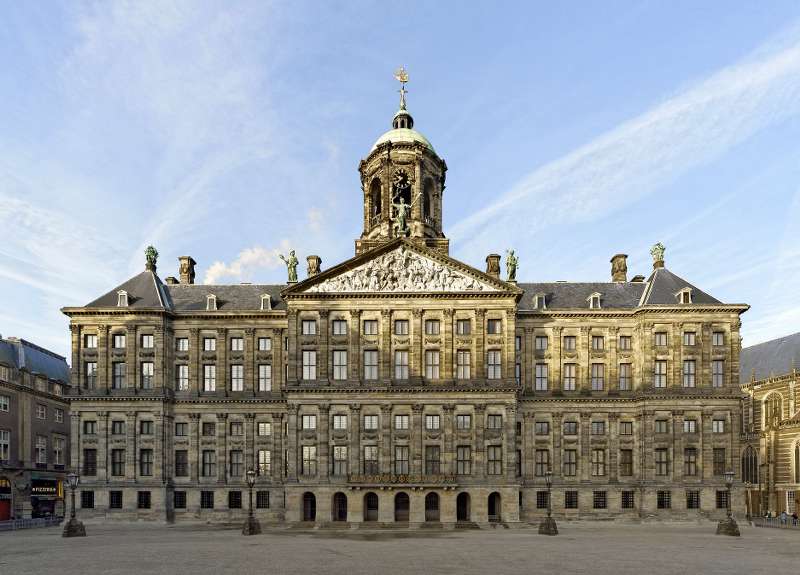
The Royal Palace Amsterdam, known in Dutch as Koninklijk Paleis van Amsterdam or Paleis op de Dam, stands as a significant historical and architectural landmark in the heart of the Netherlands' capital. Originally constructed between 1648 and 1665 as Amsterdam’s city hall, it later became a royal residence and continues to serve as a venue for official state functions and royal ceremonies. Situated prominently on Dam Square, opposite the War Memorial and alongside the Nieuwe Kerk, this Dutch Baroque masterpiece invites visitors to explore its grand halls, historic rooms, and impressive art collection.

Open to the public most days of the year during the visiting season, the palace offers a unique glimpse into Dutch heritage and monarchy.

Address: Dam Square, 1012 JS Amsterdam, The Netherlands
Founded: Construction commenced in 1648 and completed in 1665
Architectural Style: Dutch Baroque

Why Visit the Royal Palace of Amsterdam?

Majestic Dutch Baroque Architecture: The Royal Palace of Amsterdam is a stunning example of Dutch Baroque style, characterized by its grand sandstone façade and elegant proportions. Constructed on over 13,000 wooden piles, the building’s impressive structural foundation reflects the ingenuity of 17th-century Dutch engineering. Visitors can admire the palace’s timeless exterior, including the iconic 6-metre statue of Atlas carrying the Globe perched at the rear.

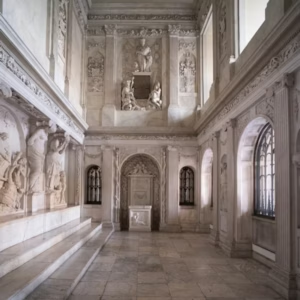
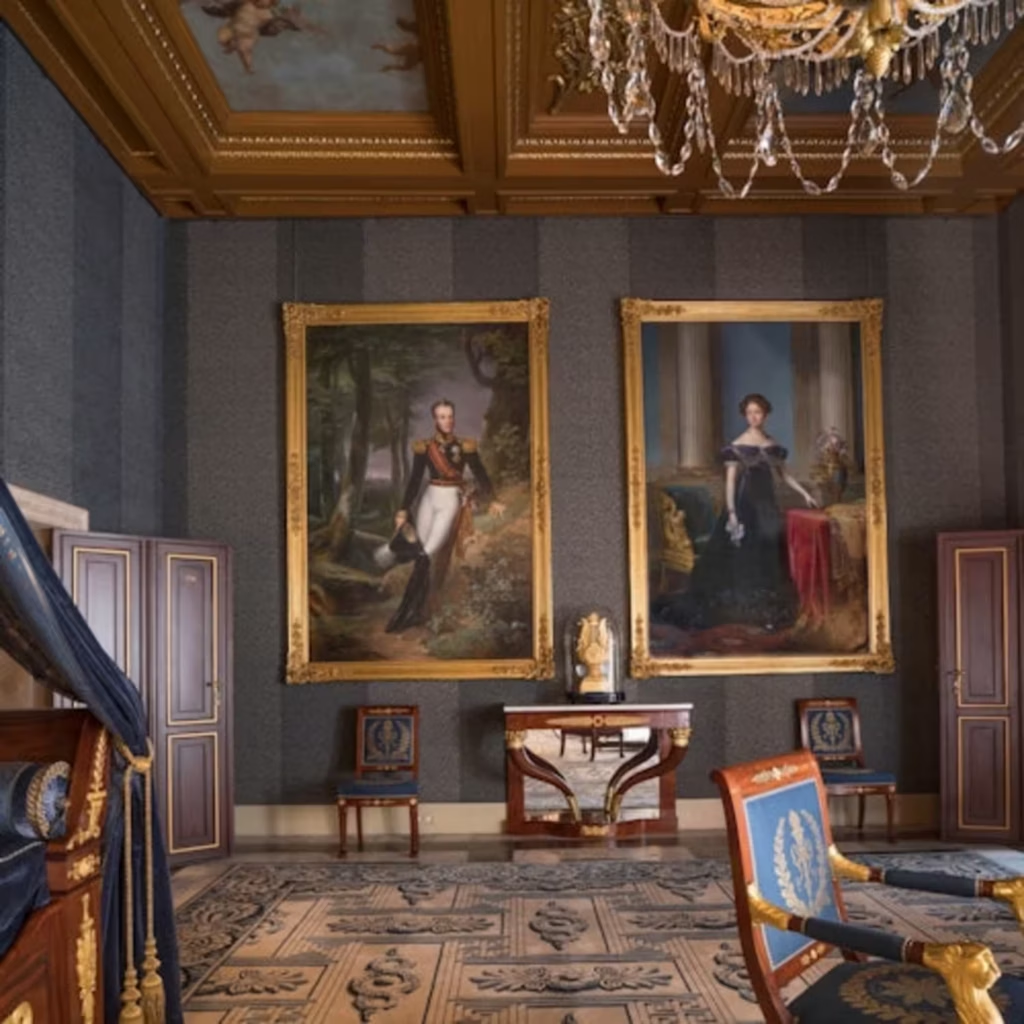
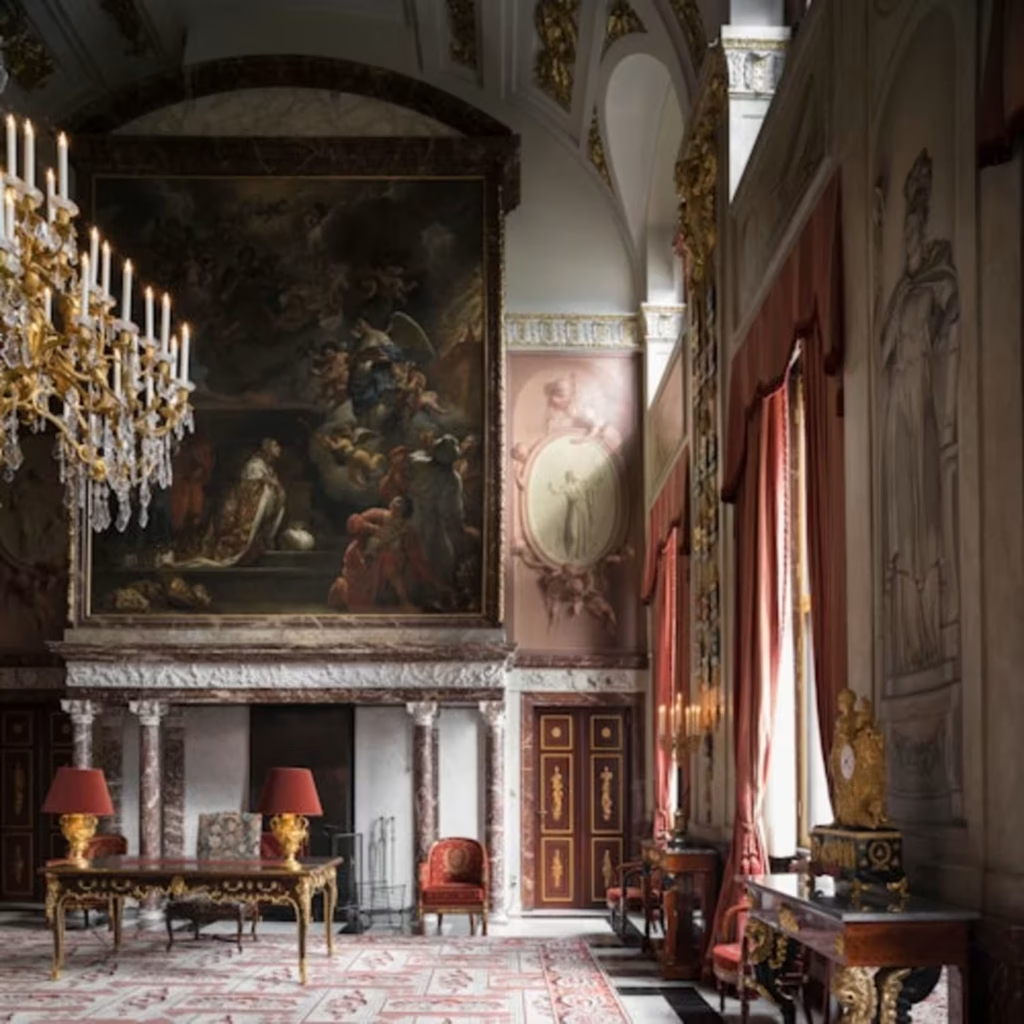
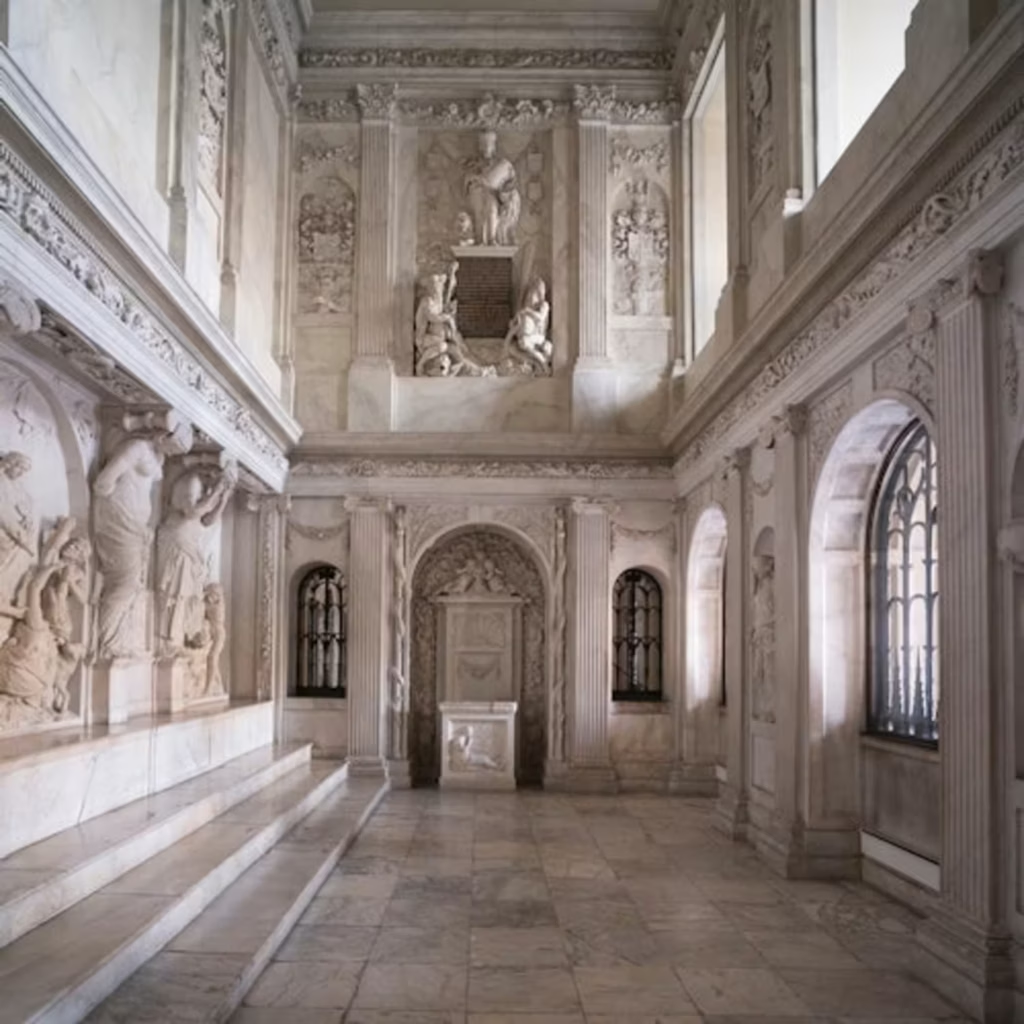
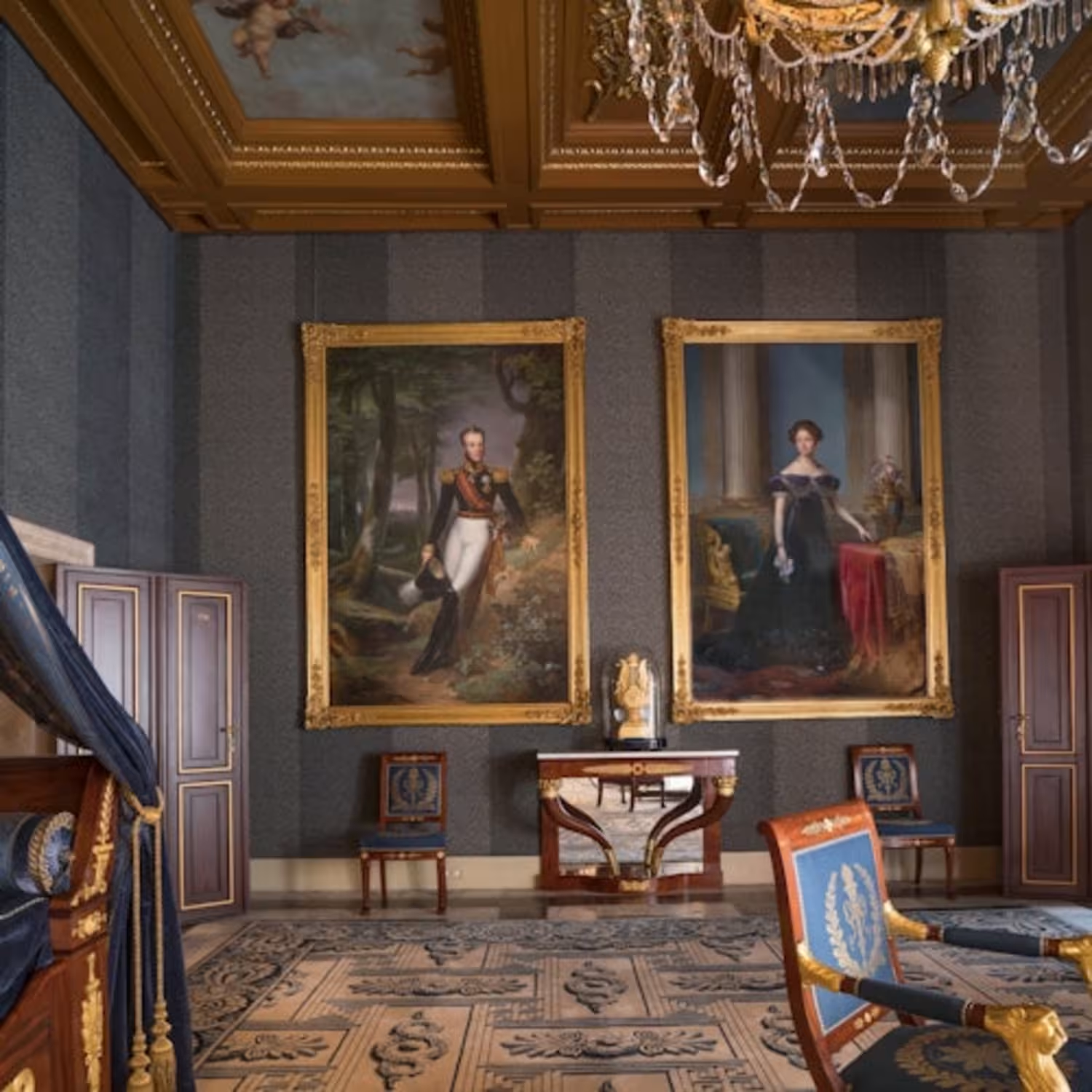
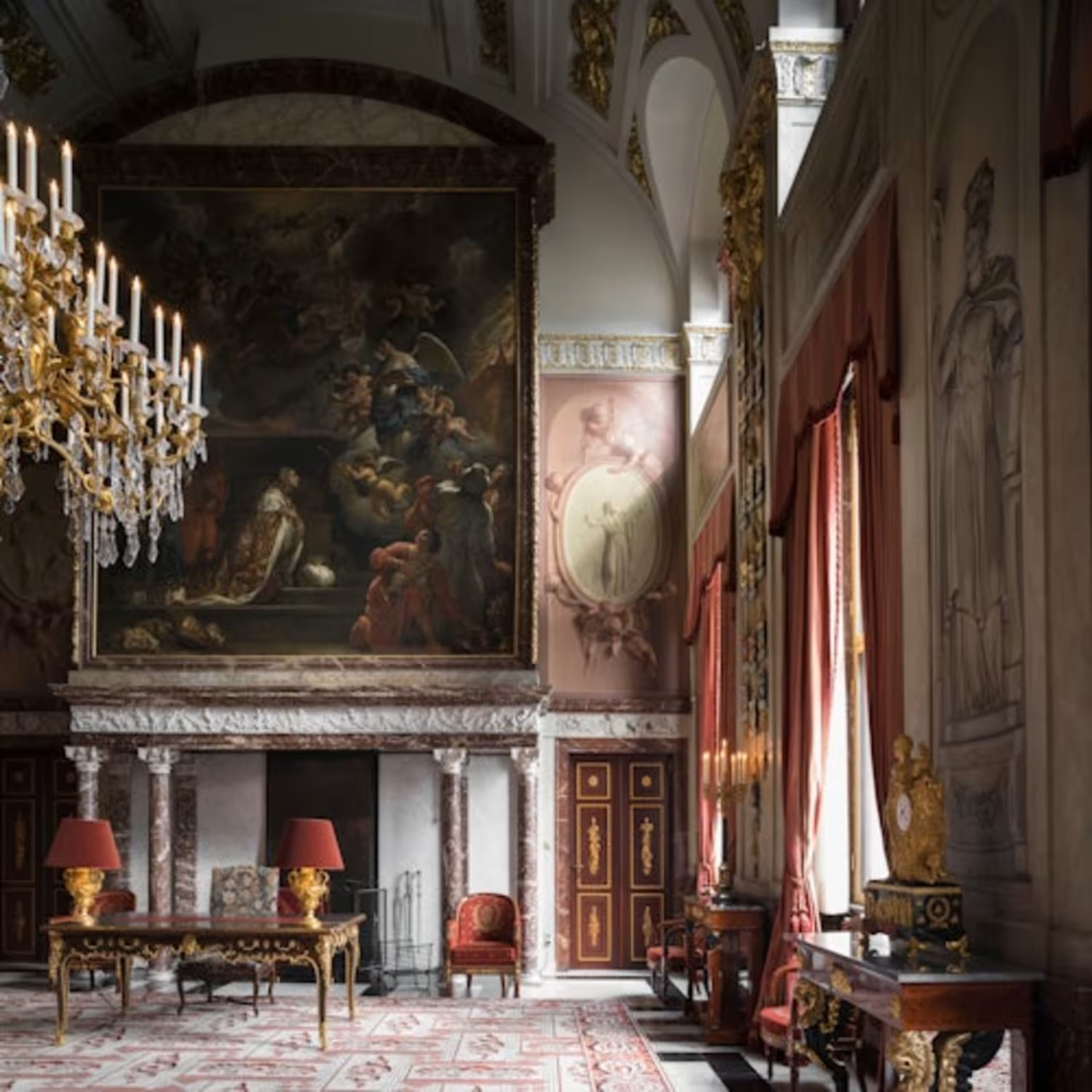
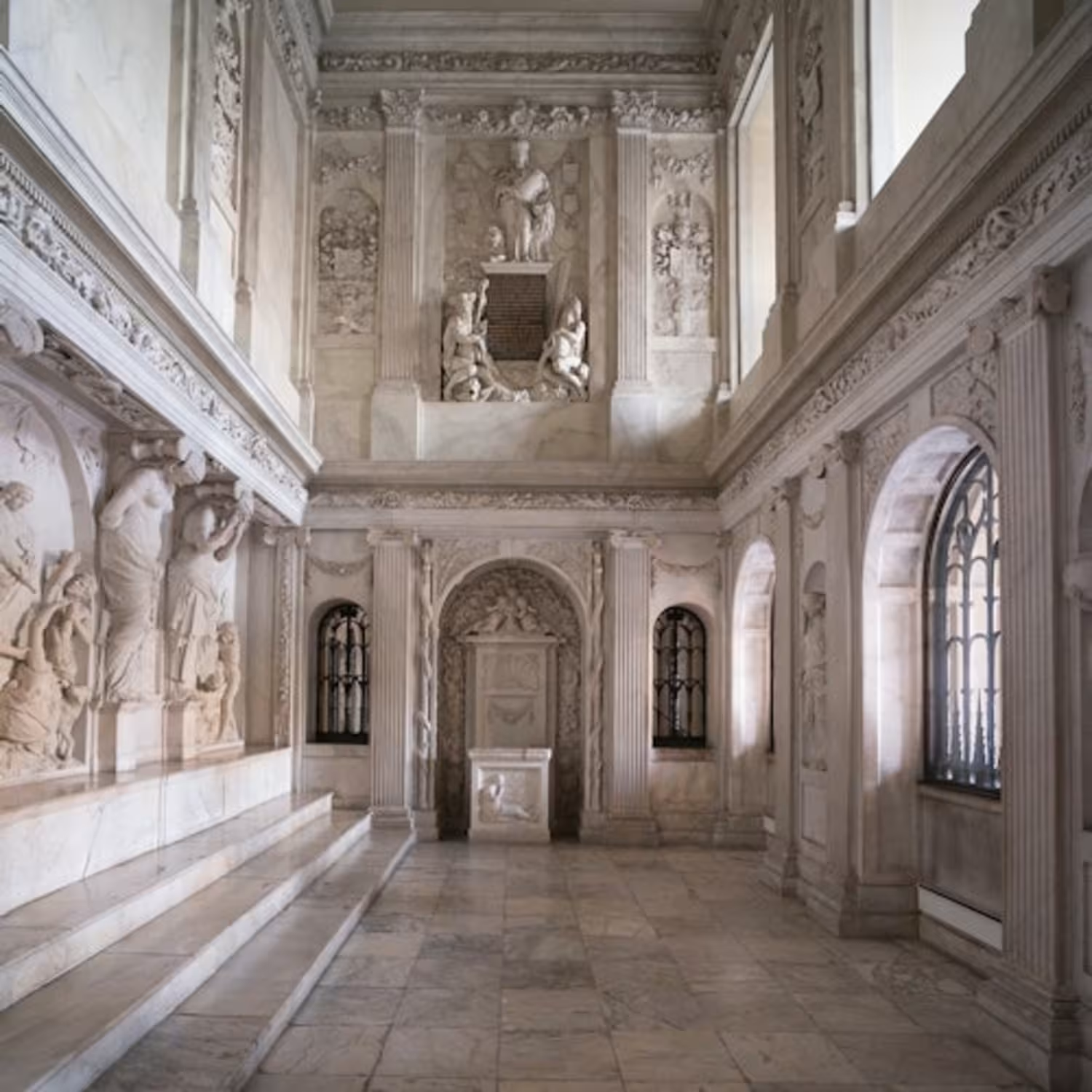
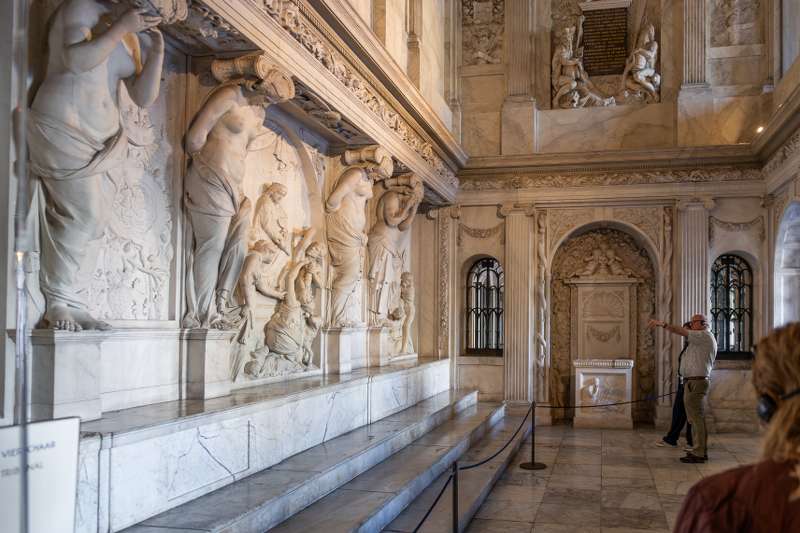
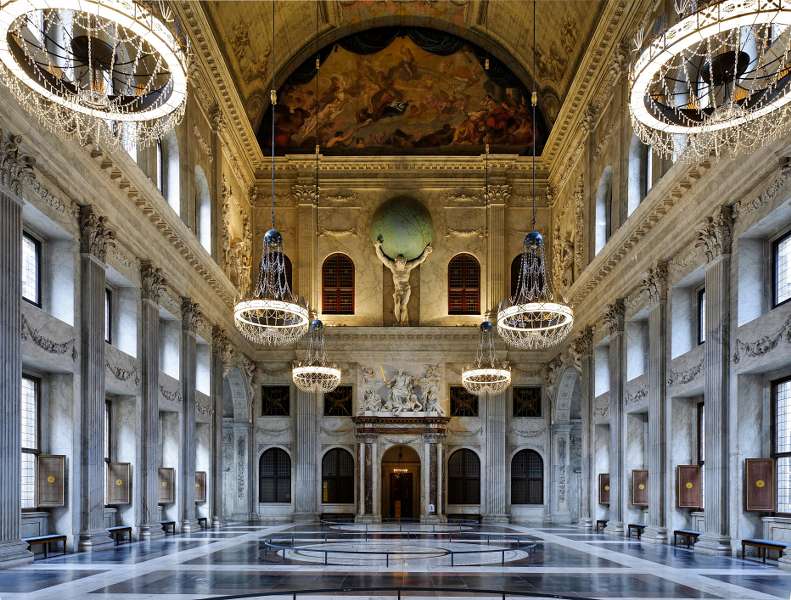
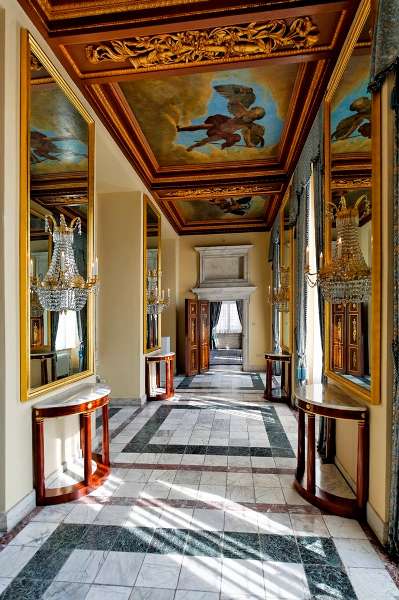
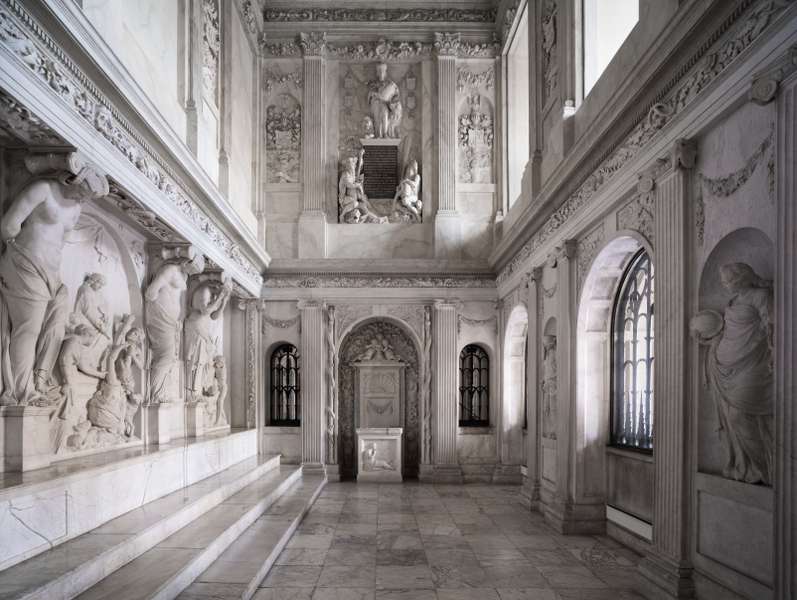
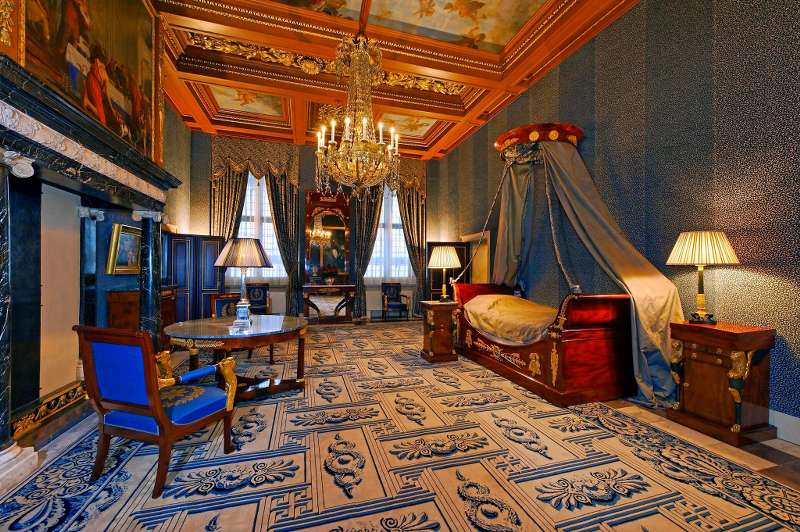
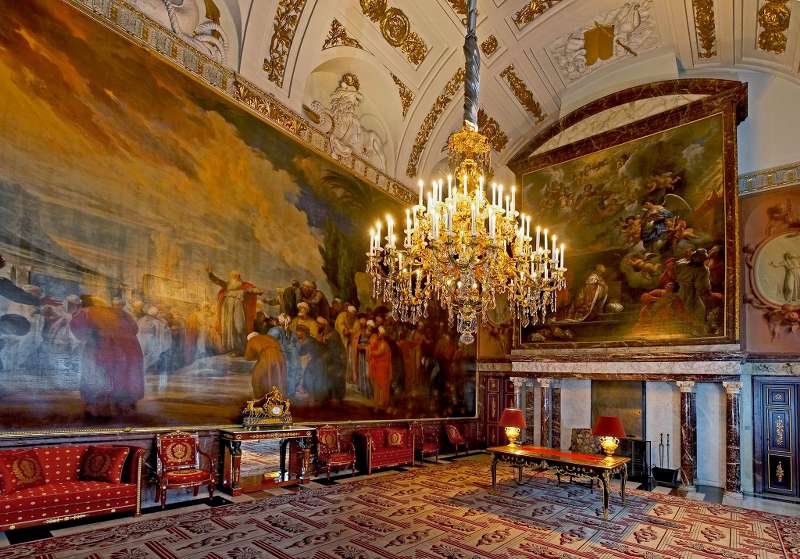
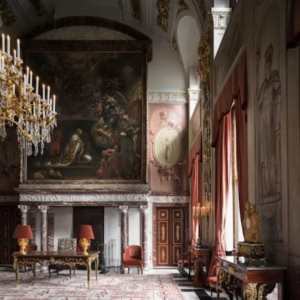
Historic Rooms and Artistic Treasures: Inside, visitors can explore imposing spaces such as the Central Hall (Burgerzaal), the Moses Room, and the Schepen Room, each adorned with intricate artwork and ornate decorations. These rooms reveal the palace’s rich history, once serving as Amsterdam’s city hall and later as a royal residence. Notable rooms, including King Louis Bonaparte’s bedroom, offer a unique glimpse into the lives of historical figures connected to the palace.

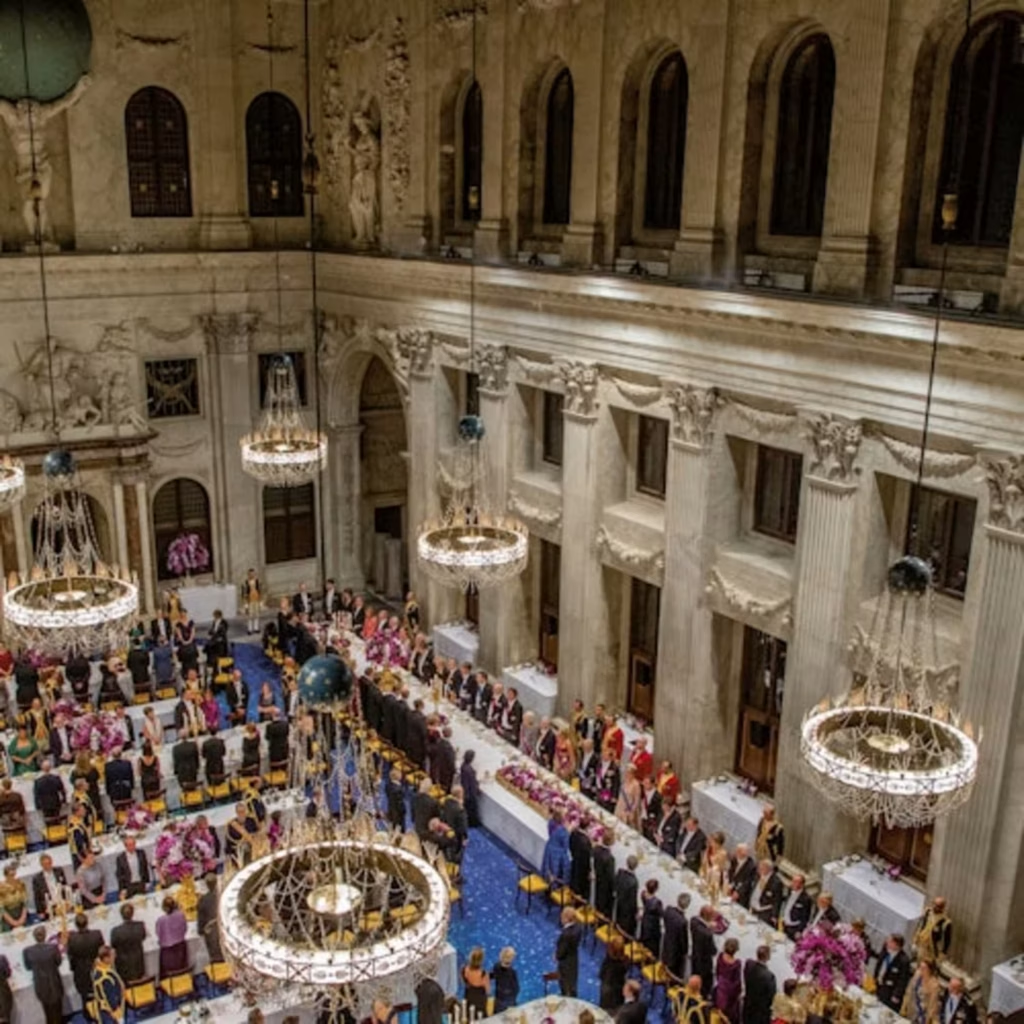
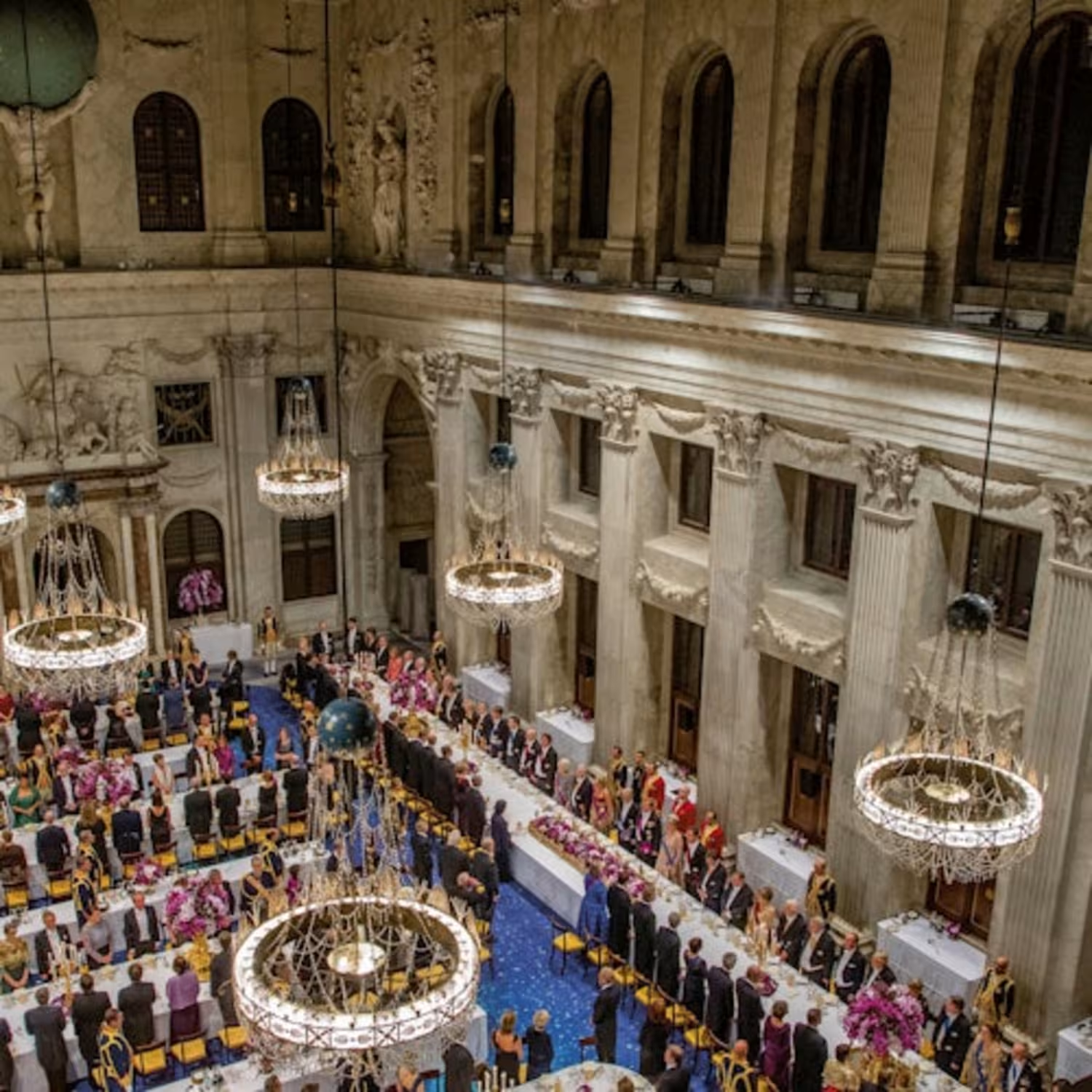
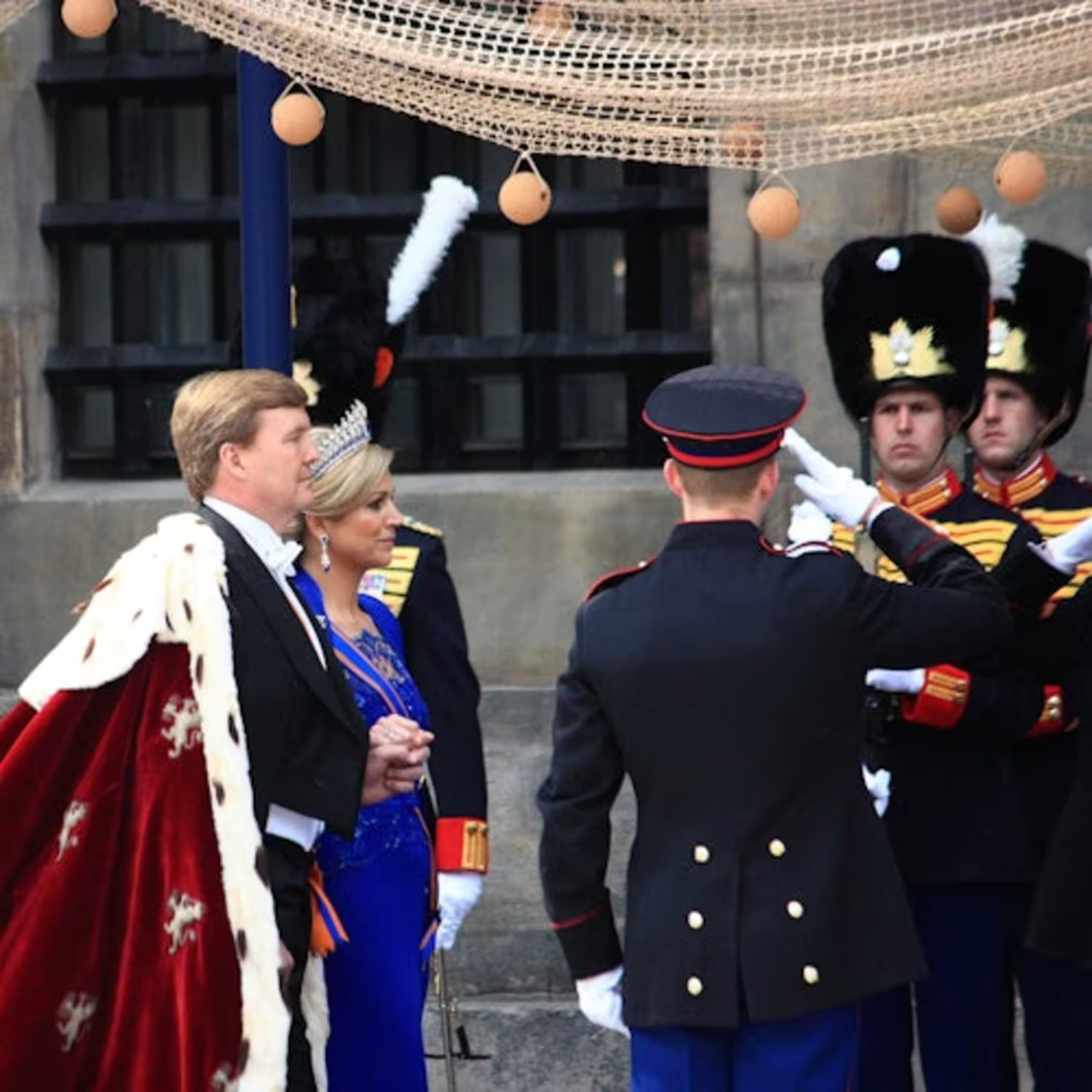
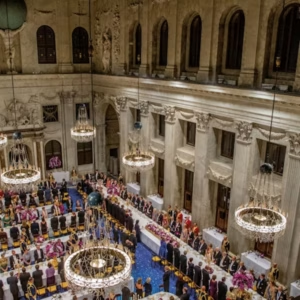
Significant Royal Events and Ceremonies: As an active royal reception venue, the palace has hosted numerous key events, including the investiture announcements and abdications of Dutch monarchs. The palace’s role in national celebrations, gala dinners, and royal award ceremonies underscores its importance in Dutch cultural and political history. Visitors can appreciate the grandeur and protocol that continue to define this iconic landmark.

Central Location in Amsterdam’s Historic Heart: Situated on Dam Square alongside landmarks like the War Memorial and Nieuwe Kerk, the Royal Palace occupies a prime position in the city center. This central location makes it easily accessible while allowing visitors to experience the bustling atmosphere and historical heritage of Amsterdam’s main square. The palace’s presence enriches the cultural landscape of the area, inviting tourists to explore both inside and around this notable site.

Living Museum and Cultural Exhibitions: Beyond its official functions, the Royal Palace operates as a museum open to the public for most of the year. Visitors can discover its evolving art exhibitions and special displays organized by the managing foundation, including prestigious awards such as the Erasmus Prize. The palace offers an engaging experience where visitors not only witness history but also current cultural activities within a historic royal setting.

Timings

Royal Palace Amsterdam (Google Maps)
  • The Royal Palace Amsterdam welcomes visitors during a designated seasonal period each year, providing ample opportunity to explore this historic landmark.

How to Get There?

Royal Palace Amsterdam (Google Maps)

Nieuwezijds Voorburgwal 147, 1012 RJ
Amsterdam, Netherlands

Royal Palace Amsterdam (Google Maps)

Walking from Central Station: The walk is straightforward and takes less than 10 minutes; simply head directly down the Damrak until you reach the main square.

By Tram: The closest and most convenient public transport stop is Dam, which is served by many lines including trams 2, 4, 12, 14, and 24.

By Metro: The palace is a short walk from the Rokin Metro Station (North/South Line 52), or you can take a quick tram ride from Centraal Station after arriving by regional train.

By Car/Parking: Driving directly to Dam Square is strongly discouraged due to heavy city traffic and extremely limited, expensive parking. If absolutely necessary, you should utilize a nearby public parking garage like the Rokin Parkeergarage.

Things to Know Before Visiting the Royal Palace Amsterdam

Booking your tickets online in advance is highly recommended to save time and guarantee your entry, helping you avoid potential queues.

The admission fee includes a free audio guide, which is an invaluable tool for understanding the history and significance of the art and architecture.

You should plan for a visit that takes approximately 60 to 90 minutes to comfortably explore the main halls and rooms with the audio guide.

Only small bags are permitted inside, and larger items like large backpacks or umbrellas must be stored in the complimentary cloakroom.

Photography is allowed for personal use, but the use of flash, tripods, and selfie sticks is strictly prohibited to protect the historic interiors.

The palace is located in the heart of Amsterdam on Dam Square, making it easily accessible by walking or public transport from most central locations.

There are no food or drink facilities inside the palace, so it is best to plan for a meal or snack before or after your visit.

The palace is fully accessible for visitors with mobility issues, with elevators, wheelchair-accessible toilets, and walking sticks available for use.

Remember that while it is an official palace, it is not the King's primary residence and is mainly used for state receptions and official events.

Facilities

Royal Palace Amsterdam (Google Maps)

A free audio tour is included with the price of every ticket and is highly recommended; this multi-language guide provides crucial context for the palace’s history and hidden symbolism. A special, engaging version of the audio tour is also available for families and children.

The palace provides a free cloakroom for visitors to deposit coats and smaller bags, but please note that large luggage, suitcases, and large backpacks (measuring over 30x30x15 cm) are not permitted and cannot be stored. Restroom facilities are available inside for all guests.

There are, however, no café, restaurant, or coffee facilities inside the building, so visitors are advised to enjoy refreshments at the many establishments located nearby on Dam Square.

Accessibility

Royal Palace Amsterdam (Google Maps)

The Royal Palace, despite its 17th-century heritage, is highly committed to ensuring accessibility for all visitors with special needs or reduced mobility. Most of the public route through the palace's grand halls and rooms is designed to be fully accessible.

A dedicated ramp allows for easy entrance to the building, bypassing the main stairs. Inside, visitors can utilize a lift to reach the main floor and other important areas, ensuring wheelchair users can experience the majestic Citizens’ Hall, the Throne Room, and the other major spaces.

Accessible, wheelchair-friendly toilet facilities are available on the ground floor. For convenience, the palace provides a limited number of wheelchairs and walking sticks that can be borrowed free of charge upon entry.

Furthermore, a non-paying companion or carer is granted complimentary admission to assist a visitor who cannot tour the palace unassisted. While the surrounding Dam Square does feature some cobblestones, the palace itself offers a comfortable and accessible route inside. Guide dogs are the only animals permitted within the palace grounds.

Interesting Facts about the Royal Palace Amsterdam

It wasn't always a palace; the building was originally constructed to be the City Hall of Amsterdam during the Dutch Golden Age. It served as a city hall for 150 years before being converted into a royal residence.

Upon its completion in 1665, the building's sheer size and magnificent architecture led to it being dubbed the "Eighth Wonder of the World."

To prevent the massive stone structure from sinking into the soft, marshy soil, its foundations were built on an incredible 13,659 wooden piles driven into the ground.

The building was first converted into a royal palace in 1808 by King Louis Bonaparte, who imported an extensive and well-preserved collection of French Empire-style furniture.

The grandest room, the Citizens' Hall, features a stunning marble floor with inlaid maps of the Eastern and Western hemispheres, representing Amsterdam as the center of the universe.

The small balcony overlooking Dam Square was added by King Louis and is now used for significant royal announcements and public appearances.

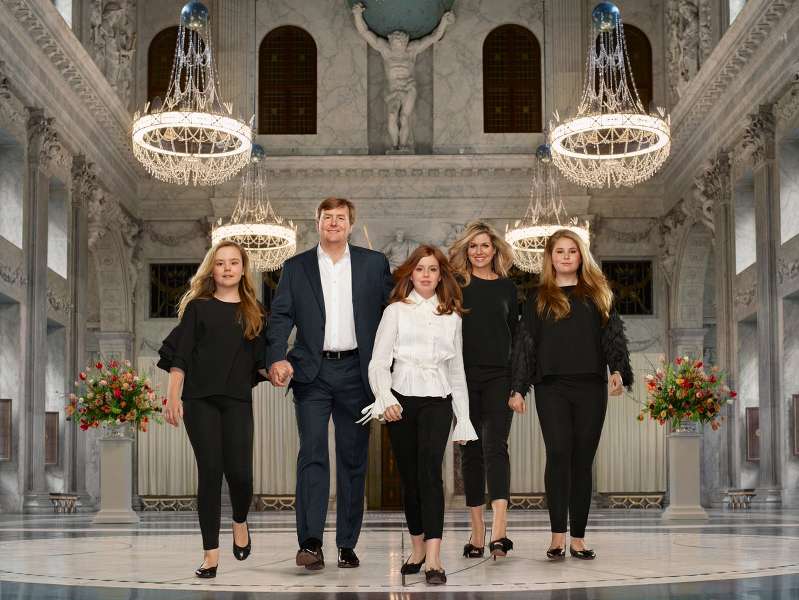
The palace is one of three official royal palaces in the Netherlands and is still actively used by King Willem-Alexander for state visits and official ceremonies.

King Louis Bonaparte turned a part of the city hall into a museum, the first of its kind in Amsterdam, to protect Dutch art from being taken to France.

Designed by architect Jacob van Campen, the palace is a masterpiece of Dutch Classicist architecture with a symmetrical layout and classical columns.

A six-meter-tall statue of the Greek God Atlas, located on the rear side of the palace, symbolizes the global reach of the Dutch Empire.

The dark grey facade we see today is the result of centuries of weathering, as the building was originally constructed with a much lighter, almost white, stone.

While it is an official royal residence, the King and his family do not live there, as their primary residence is in The Hague.

The stunning central dome was once home to a set of bells that would announce the arrival and departure of ships in the nearby harbor.

The palace has been the backdrop for several significant moments in Dutch history, including the abdication and investiture ceremonies of multiple monarchs.

The world-class collection of French Empire furniture found inside is one of the largest and most well-preserved of its kind outside of France.

FAQs about the Royal Palace Amsterdam

What was the building's original function before it became a palace?

It was originally constructed as Amsterdam's City Hall, serving as a symbol of the city's wealth and power during the 17th-century Dutch Golden Age.

What architectural style is prominently featured in the palace's design?

The Royal Palace is a stunning example of Dutch Baroque architecture, characterized by its grand sandstone façade and elegant proportions.

How was the palace structurally supported on Amsterdam’s soft ground?

The massive building was constructed on an incredible foundation comprising over 13,000 wooden piles driven into the marshy soil.

What historical role does the palace continue to play today?

It remains an active royal reception venue for official state functions, gala dinners, and the presentation of prestigious royal awards.

What remarkable feature is found on the floor of the Citizens' Hall (Burgerzaal)?

The grand hall features a marble floor inlaid with maps of the Eastern and Western hemispheres, symbolically placing Amsterdam at the center of the universe.

When did the building officially transition from a city hall to a royal palace?

The conversion took place in 1808 when King Louis Bonaparte, the brother of Napoleon, took the building for his personal royal residence.

Is there a special art collection visitors can view inside the palace?

Yes, the palace houses a world-class collection of French Empire-style furniture, which is one of the largest and most well-preserved outside of France.

What are the general public visiting hours for the palace?

The palace is generally open daily from 10 AM to 5 PM during the seasonal period, but hours are subject to change due to royal use.

Is it necessary to purchase tickets in advance?

Purchasing tickets online beforehand is highly advisable to guarantee your entry on your preferred date and help avoid potential queues.

What items are not permitted inside the palace?

Large luggage, suitcases, and large backpacks (over 30x30x15 cm) are strictly not permitted inside and cannot be stored.

What facilities are available for visitors with reduced mobility?

Most of the public route is fully accessible via a dedicated entrance ramp and interior lifts to reach the main floor.

Does the admission ticket include any guided experience?

Yes, a free, multi-language audio tour is included with every ticket and provides crucial context for the palace’s history and symbolism.

Are children and families accommodated with the audio tour?

The palace offers a special, engaging version of the audio tour designed specifically for both families and children.

Are there any cafés or restaurants for visitors inside the building?

No, there are no café, restaurant, or coffee facilities inside the building, so refreshments should be planned for outside on Dam Square.

What is the easiest way to reach the palace using public transport?

The most convenient public transport stop is Dam, which is served by numerous tram lines, or you can walk from the Rokin Metro Station.

This website sells official tickets for this venue. Please note, however, that it is not the official website of the venue.
The images and videos on this website may contain visual elements that have been created or enhanced using AI technology. They are provided for illustrative purposes only.