We are processing your request.
Please, don’t close or refresh the page.
Amsterdam Tickets Oude Kerk History And Graves
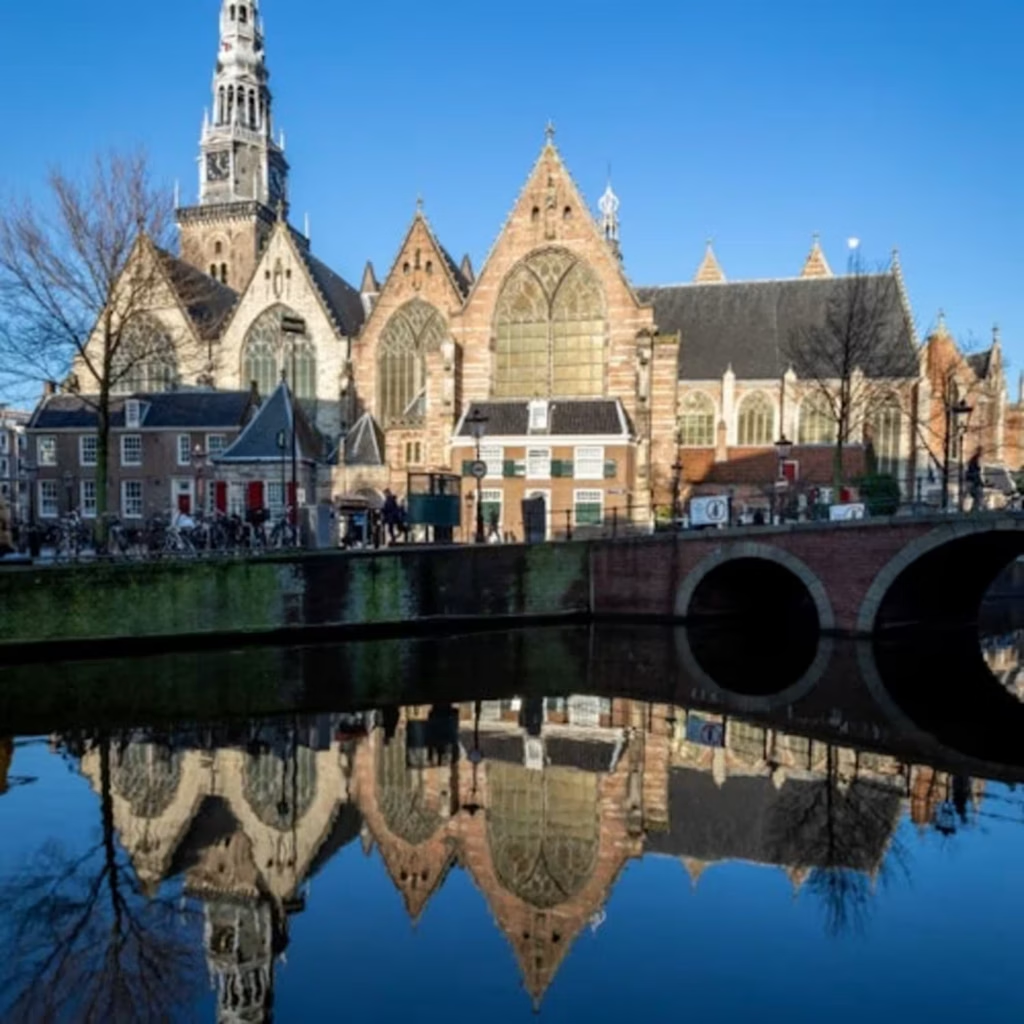
Oude Kerk, the oldest building in Amsterdam

Oude Kerk Amsterdam: History, Graves and Art

A guide to Amsterdam's oldest building: the church consecrated in 1306, the floor of tombstones over 60,000 burials, Saskia's grave, the medieval wooden vault, the organs and the contemporary art inside.

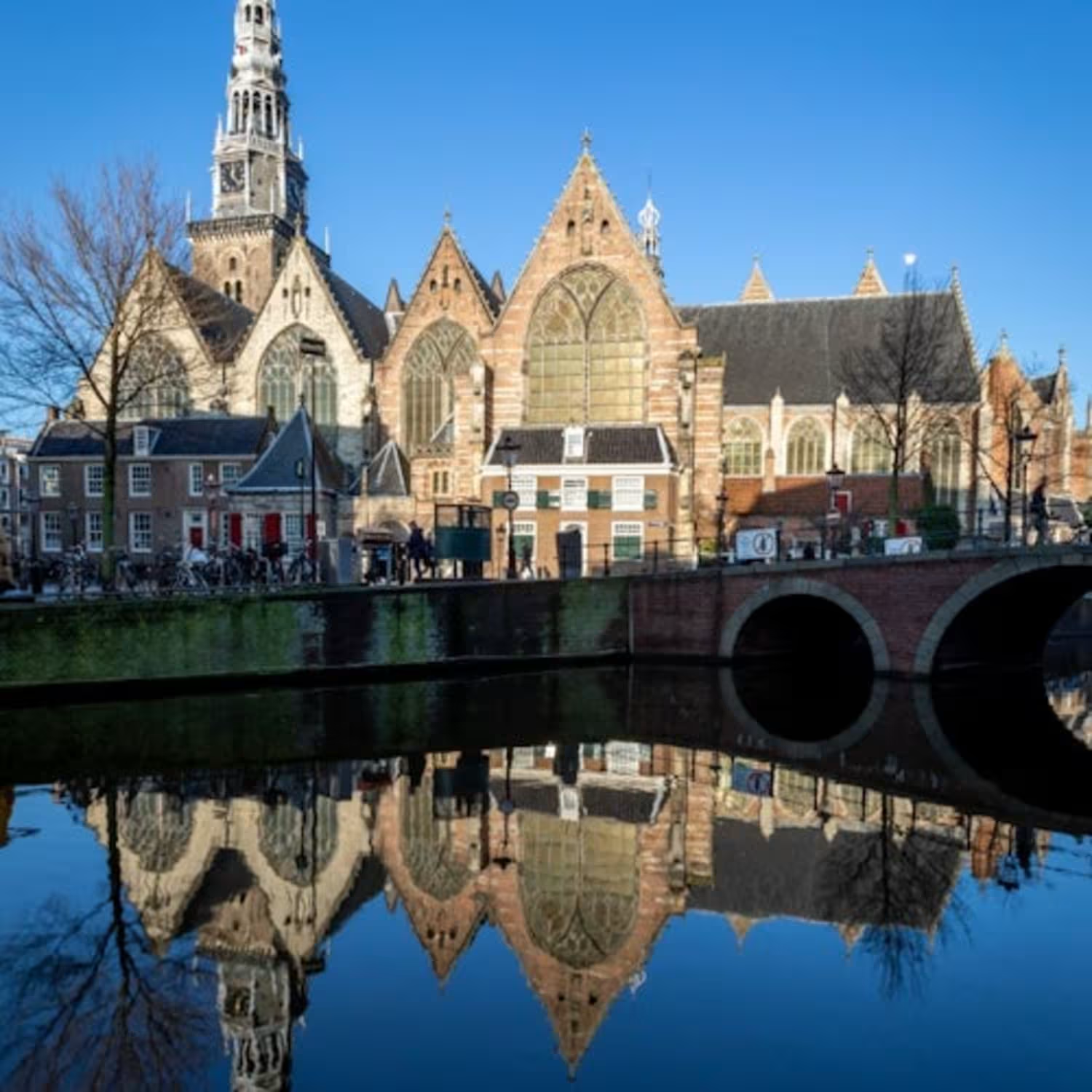
The Oude Kerk is the oldest building in Amsterdam. It began as a small wooden chapel on a levee around 1250, was consecrated as a stone church in 1306 and grew into a great hall church that still stands in the middle of the old city, surrounded today by the streets of the Red Light District. Inside, the history is literally underfoot: the floor is made of more than 2,000 tombstones over the graves of some 60,000 people, among them Rembrandt's wife Saskia. The church is also a place for contemporary art, with two large commissions every year. This guide explains the church's history, what to look for on the floor and in the roof, the organs and the art programme, and what to know before you visit. For transport and timings, see our Oude Kerk visitor guide.

Old Church Amsterdam

Highlights

Discover a medieval church steeped in Dutch history.

See around 2,000 tombstones inside, commemorating notable historical figures.

Experience a mix of classical and contemporary art showcased within the church.

Enjoy a free treasure hunt designed especially for children.

Benefit from fast-track entry for a smoother visit.
Oude Kerk: key facts

A wooden chapel stood on the site around 1250; the church was consecrated on 17 September 1306.

It is dedicated to Saint Nicholas and is the oldest building in Amsterdam.

About 60,000 people were buried in the church until 1865, under more than 2,000 tombstones.

Saskia Uylenburgh, Rembrandt's first wife, was buried here in 1642.

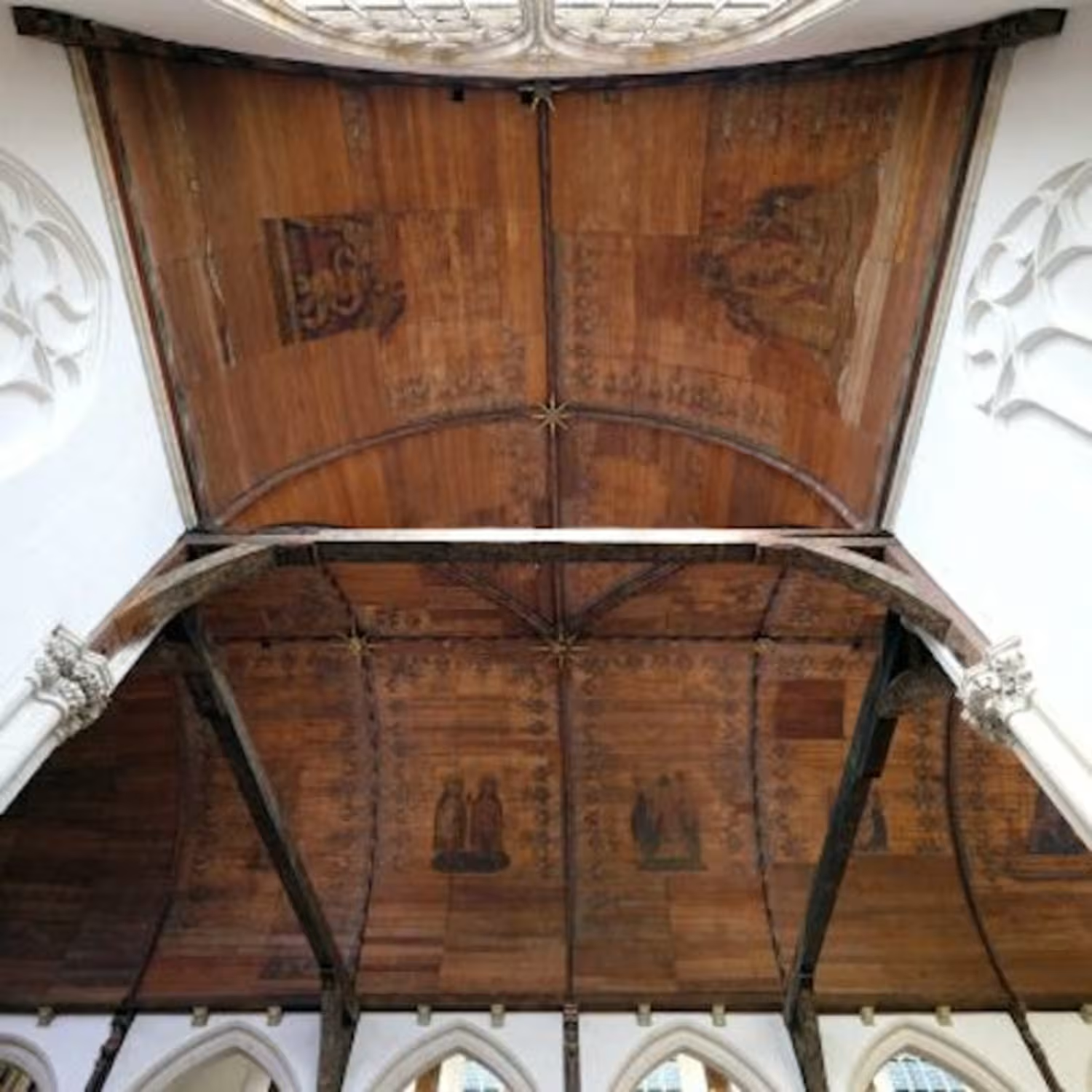
The church has the largest medieval wooden vault in Europe, made with oak planks dated to 1390.

The main organ was built by Christian Vater in 1724.

From a wooden chapel to a hall church

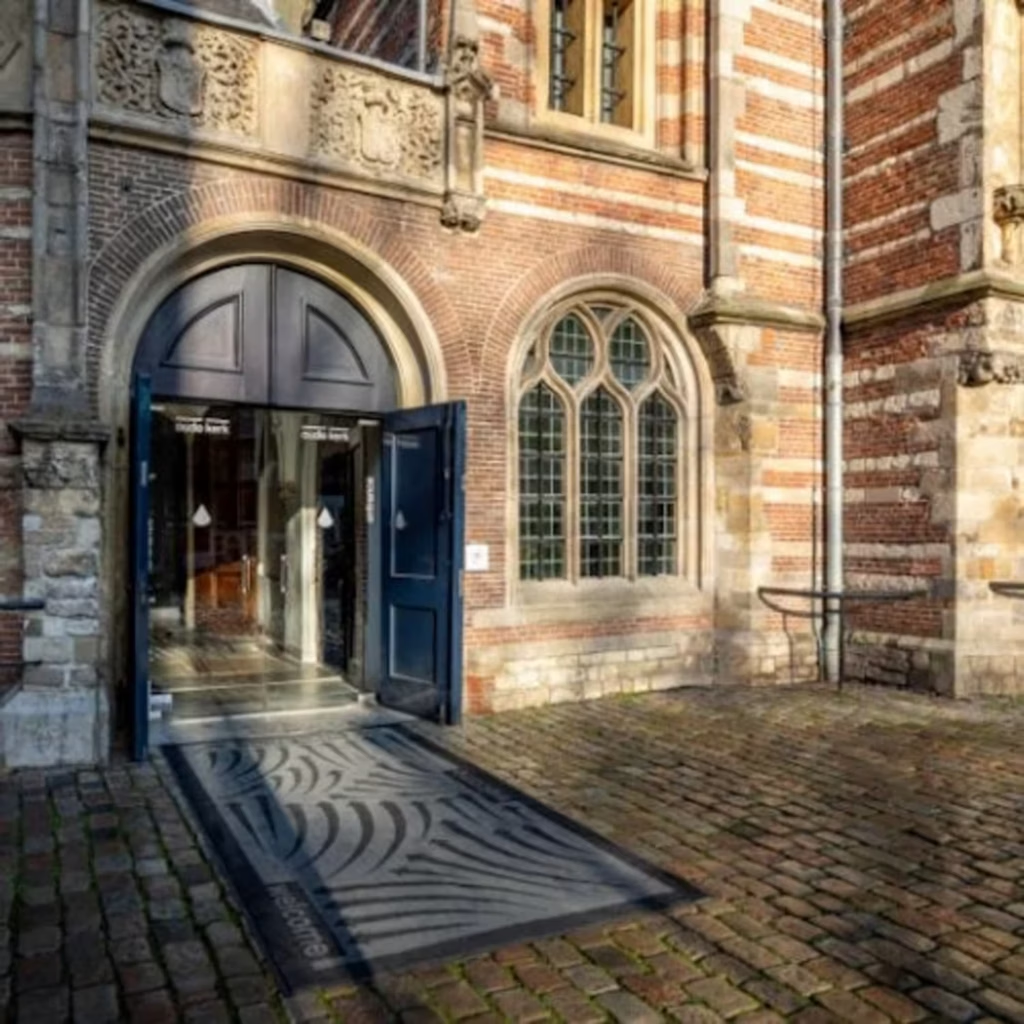
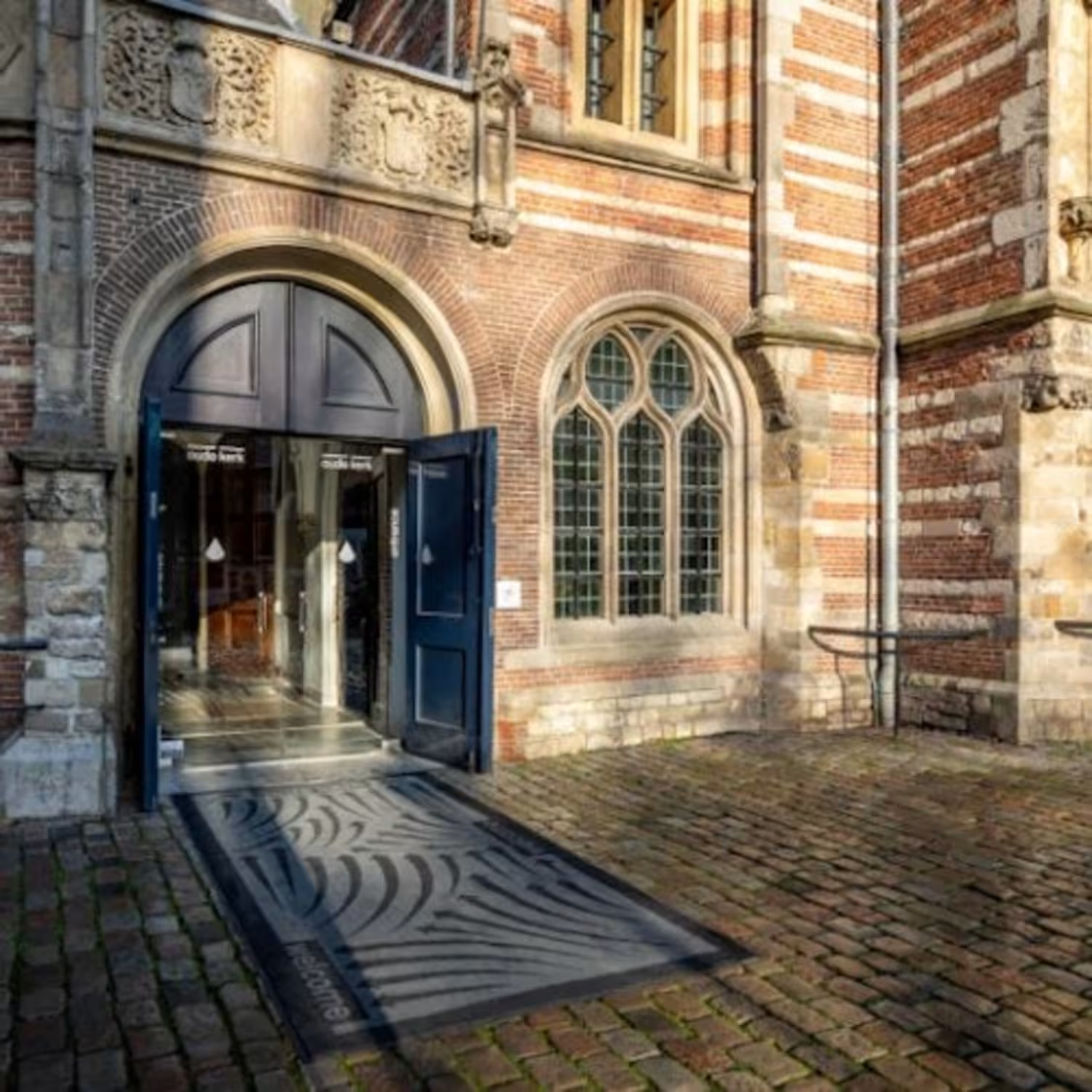
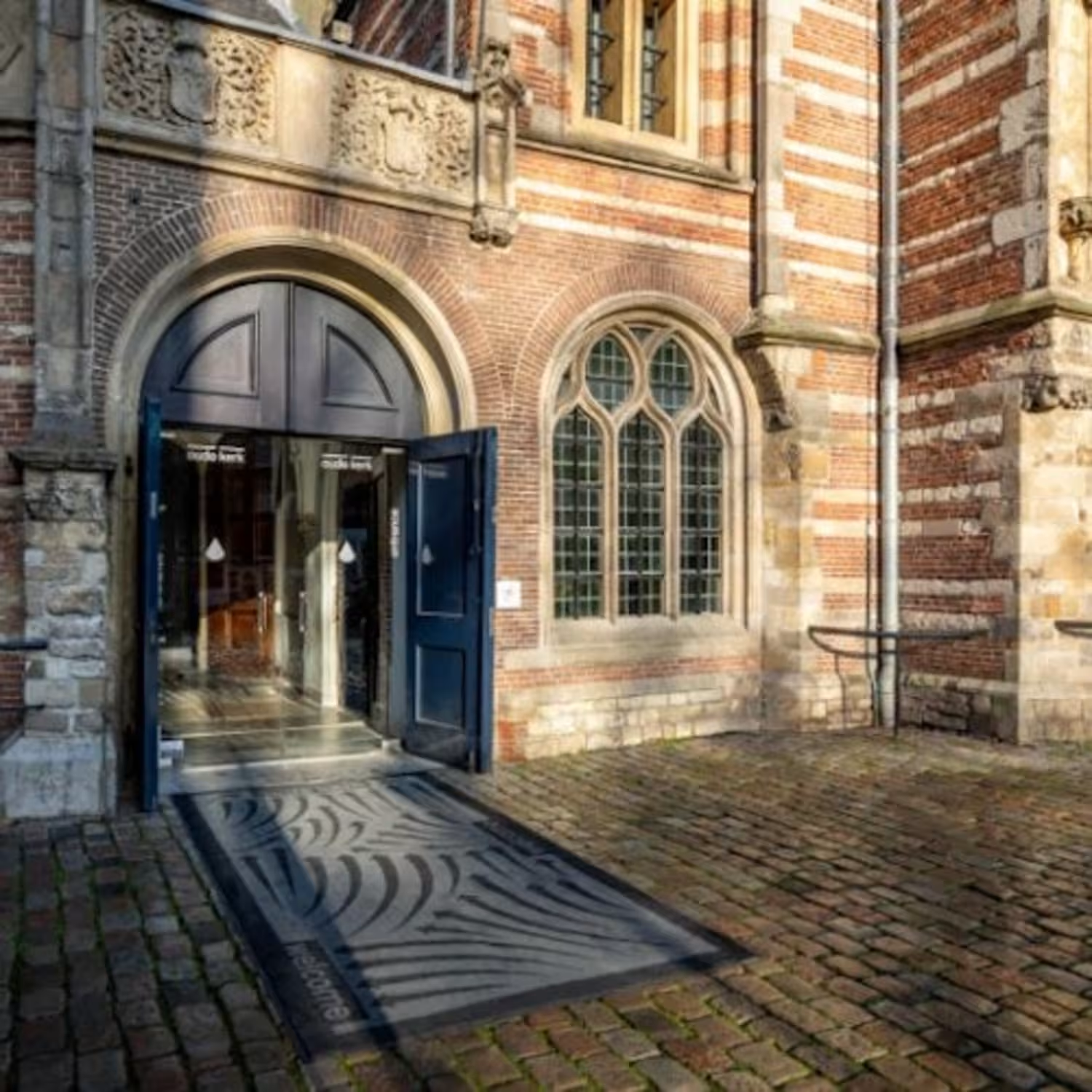
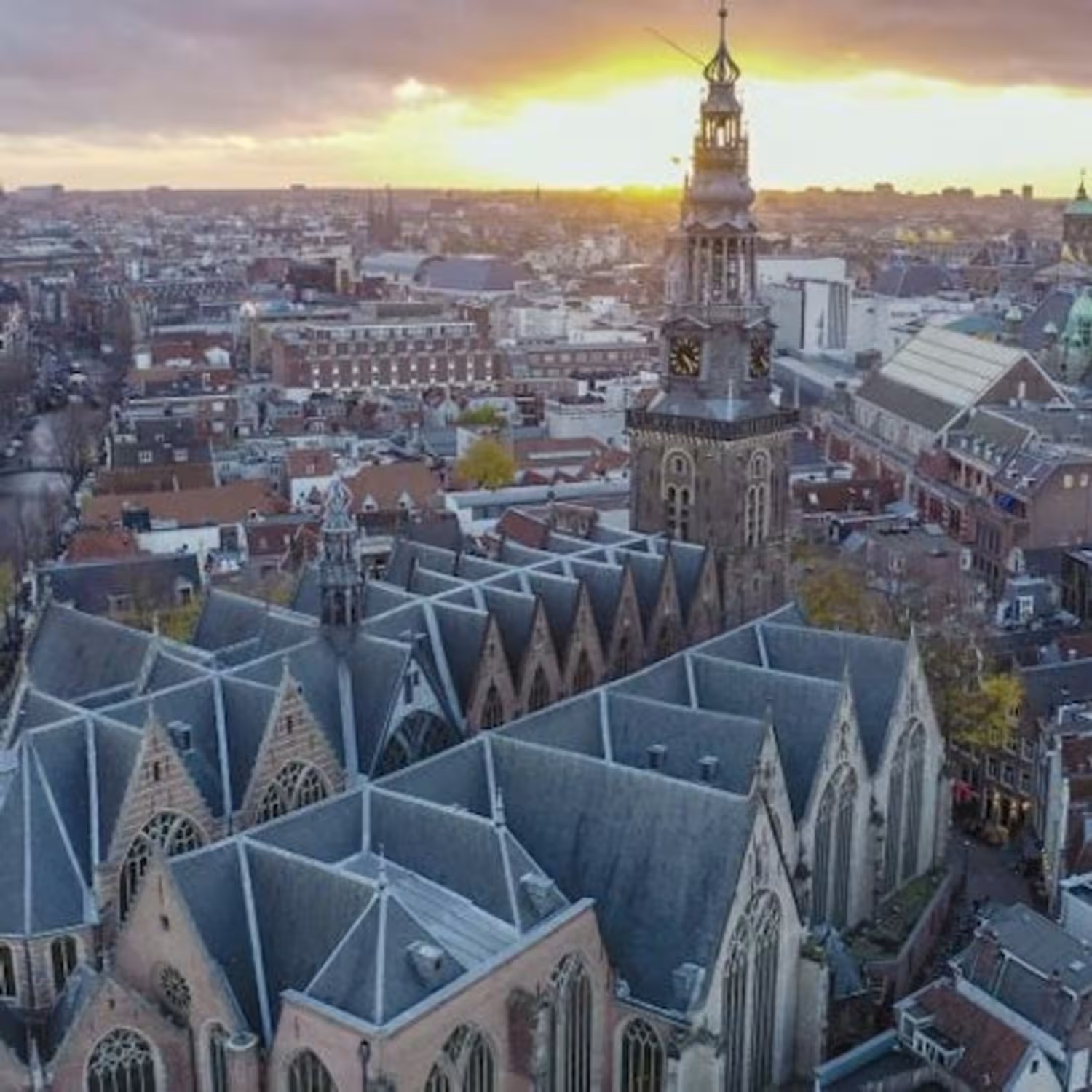
Oude Kerk church in Amsterdam

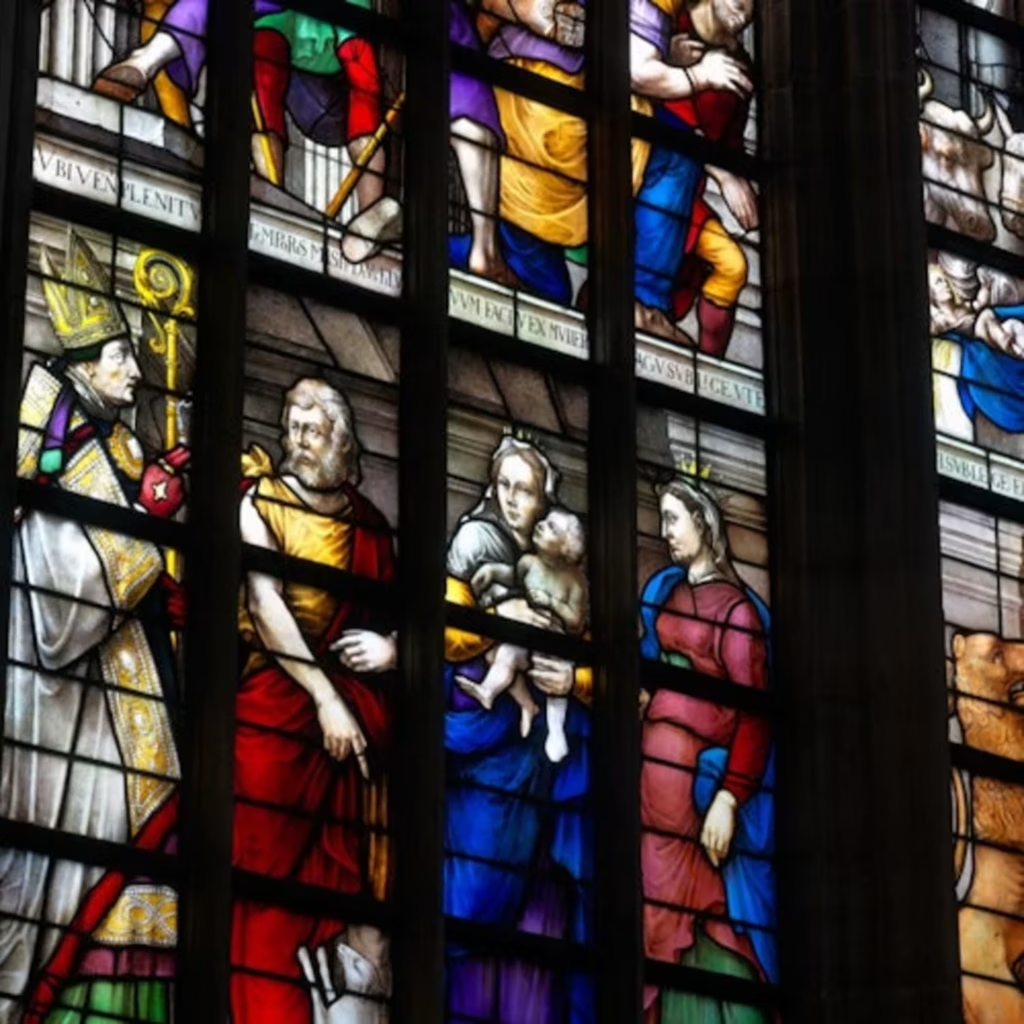
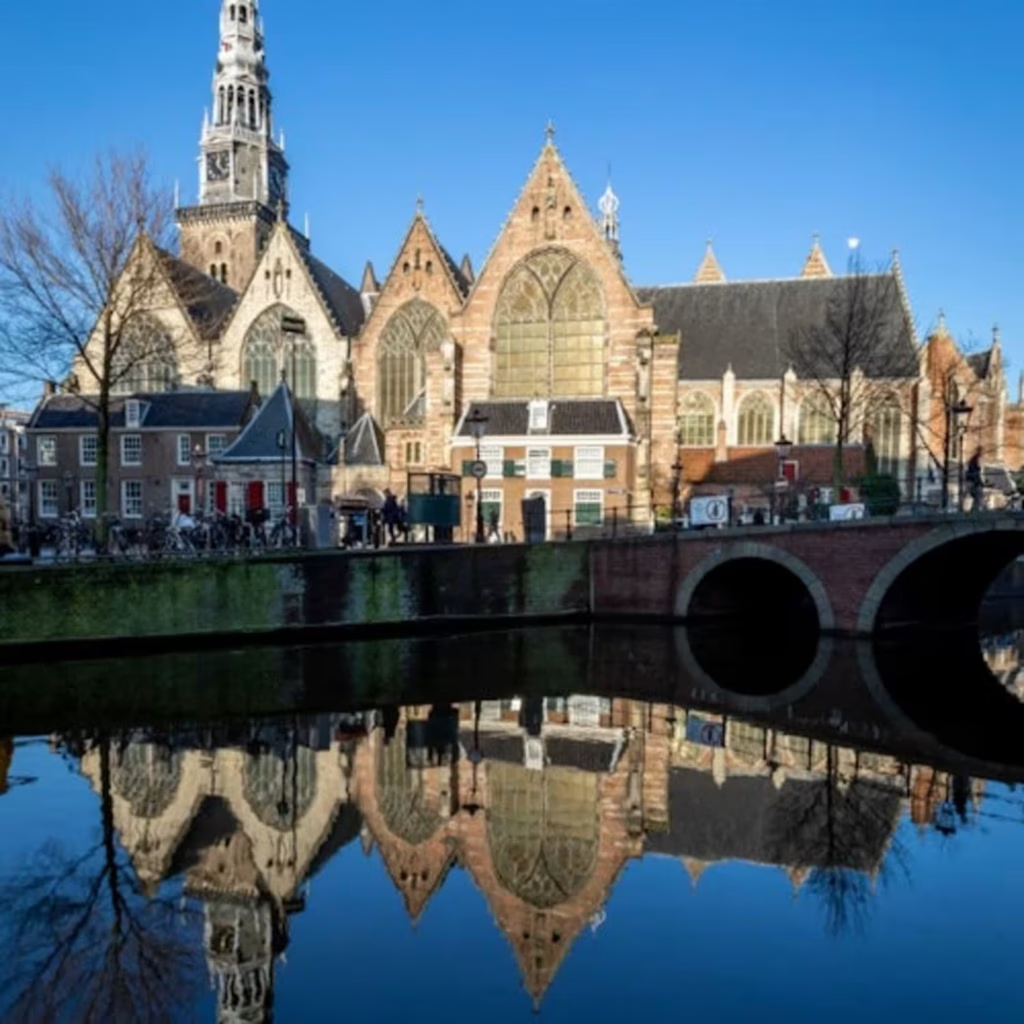
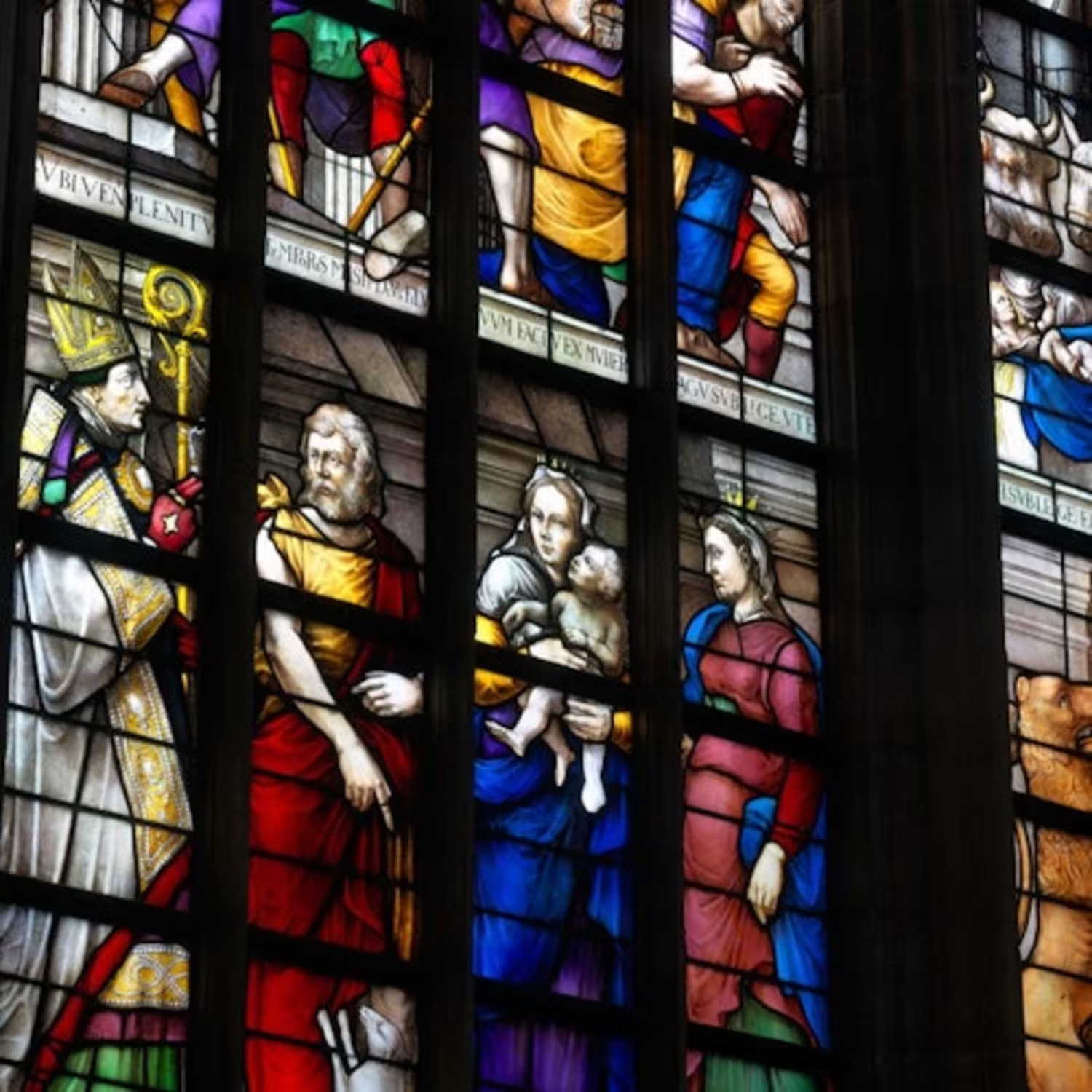
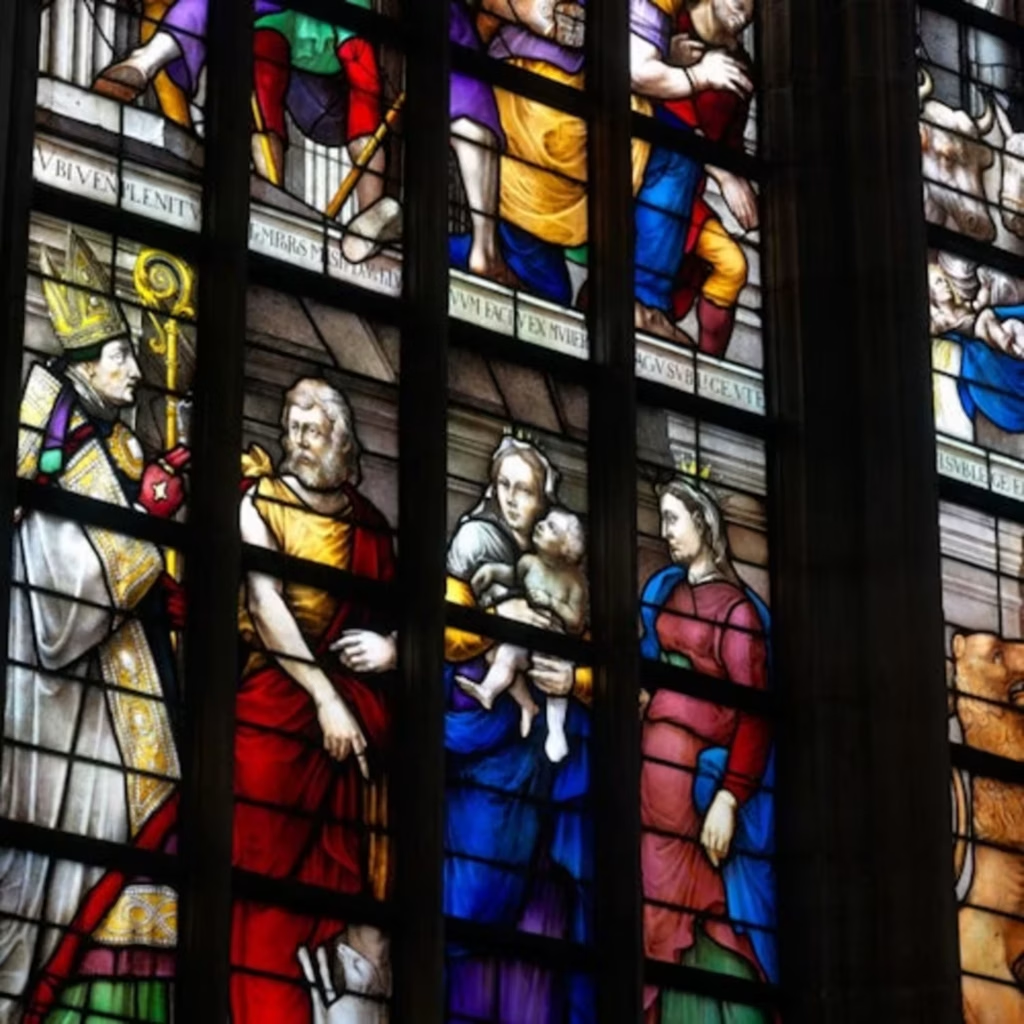
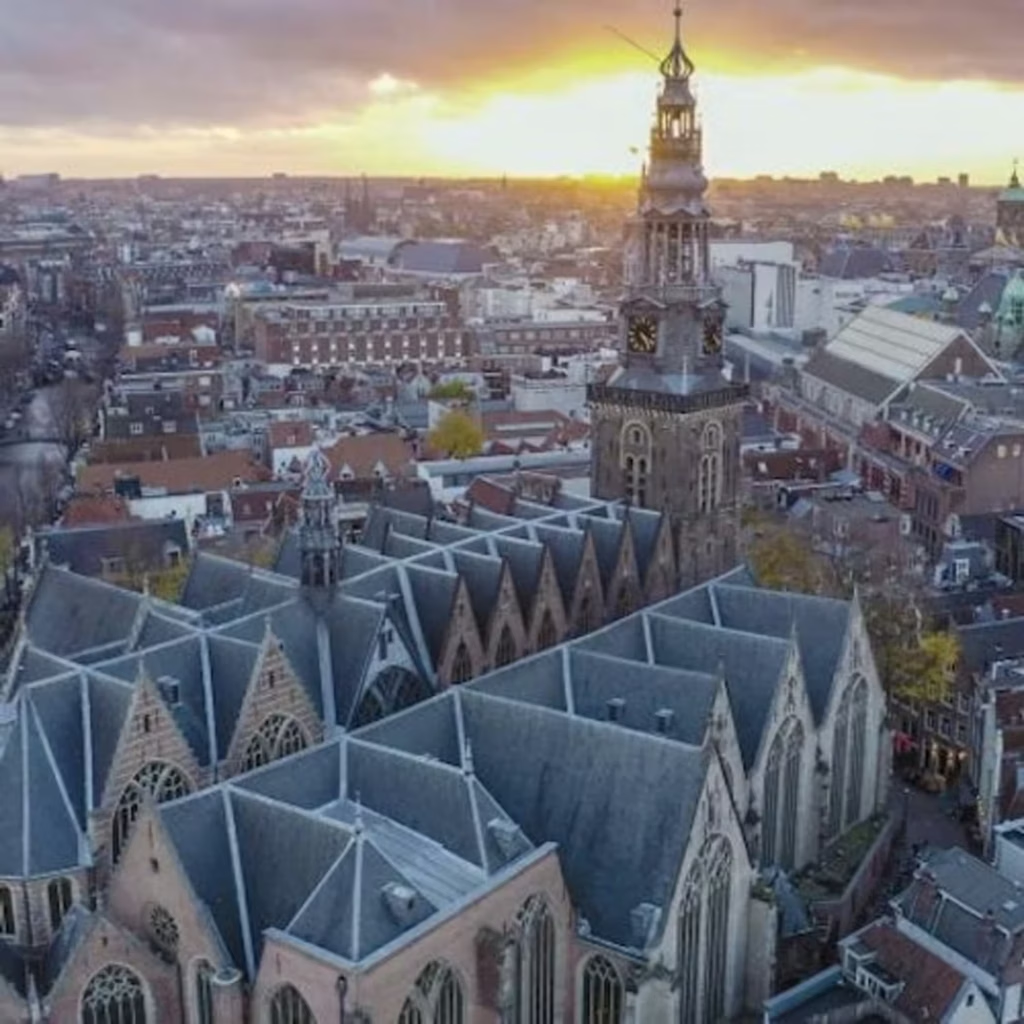
Around 1250, the first inhabitants of Amsterdam built a small wooden chapel on a levee and used the ground around it as a cemetery. On 17 September 1306, the Bishop of Utrecht consecrated the stone church to Saint Nicholas. Over the following centuries it kept growing, until by around 1570 it had become an extensive hall church. The Lady Chapel was added in 1552, with stained-glass windows above it.

Its name came later. When the Nieuwe Kerk, the New Church, was consecrated in 1409, the older church became the Oude Kerk, the Old Church. Its most turbulent years followed. The Iconoclasm of 1566 destroyed most of the church's art and fittings, statues were smashed and altars removed, and on 26 May 1578 the Catholic city council was deposed in the Alteratie. The church became Reformed, and in 1681 the choir was closed off with an oak screen. What you see today is the result of all these layers: a medieval structure, stripped by the Reformation and opened again to visitors and artists.

A floor of 2,000 tombstones

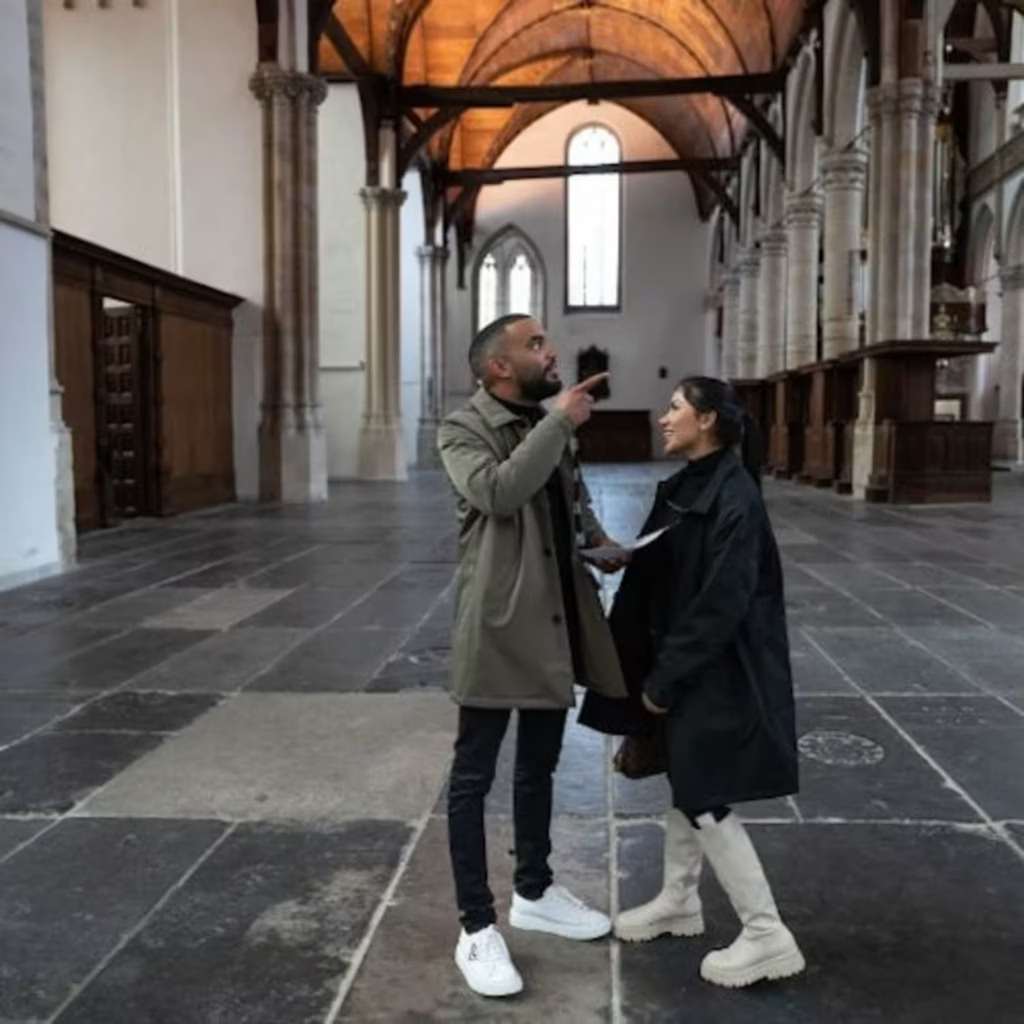
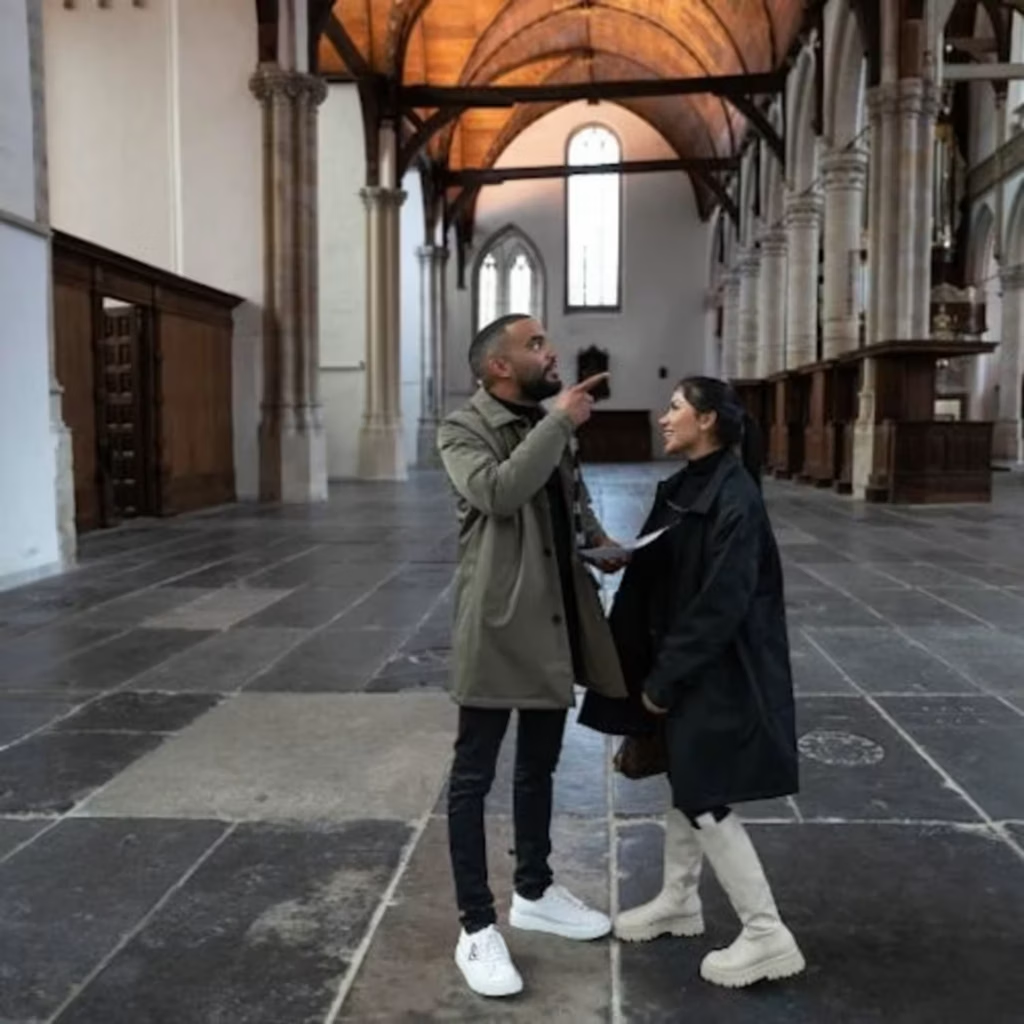
Tombstone floor of the Oude Kerk, Amsterdam

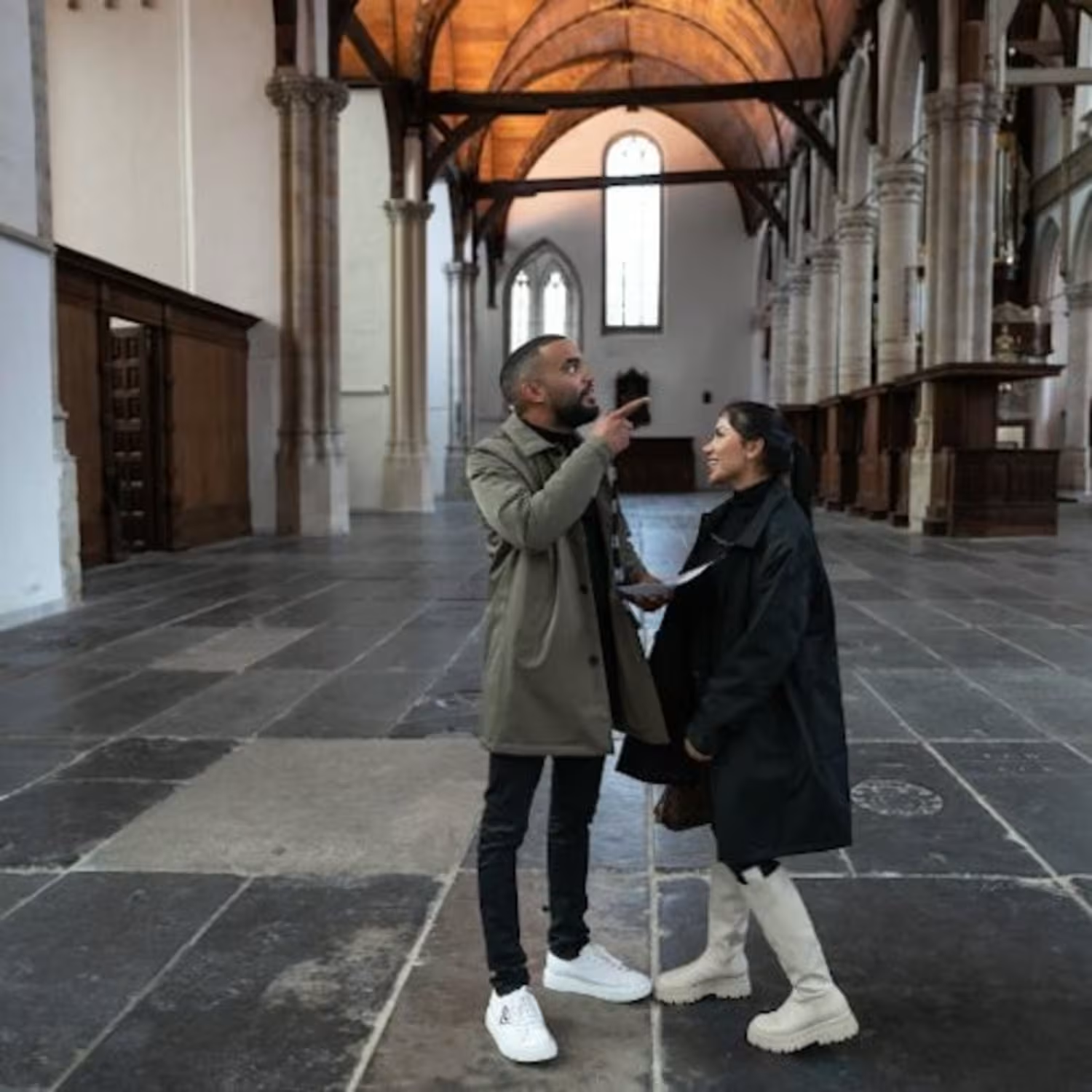
Look down as soon as you enter. From the 13th century until 1865, about 60,000 people were buried in the Oude Kerk, and the floor is made of more than 2,000 tombstones. Many carry names and numbers, and they cover the whole church, so you walk across the history of the city with every step.

Two graves draw most visitors. Saskia Uylenburgh (1612 to 1642), Rembrandt's first wife, is buried near the small transept organ. Tombstone number 99 belongs to the composer Jan Pieterszoon Sweelinck (1561 to 1621), who was the city organist and whose music was played over Amsterdam from the bell tower. Finding them is part of the visit. Remember that the floor is a burial place and treat the stones with care.

The wooden vault and the organs

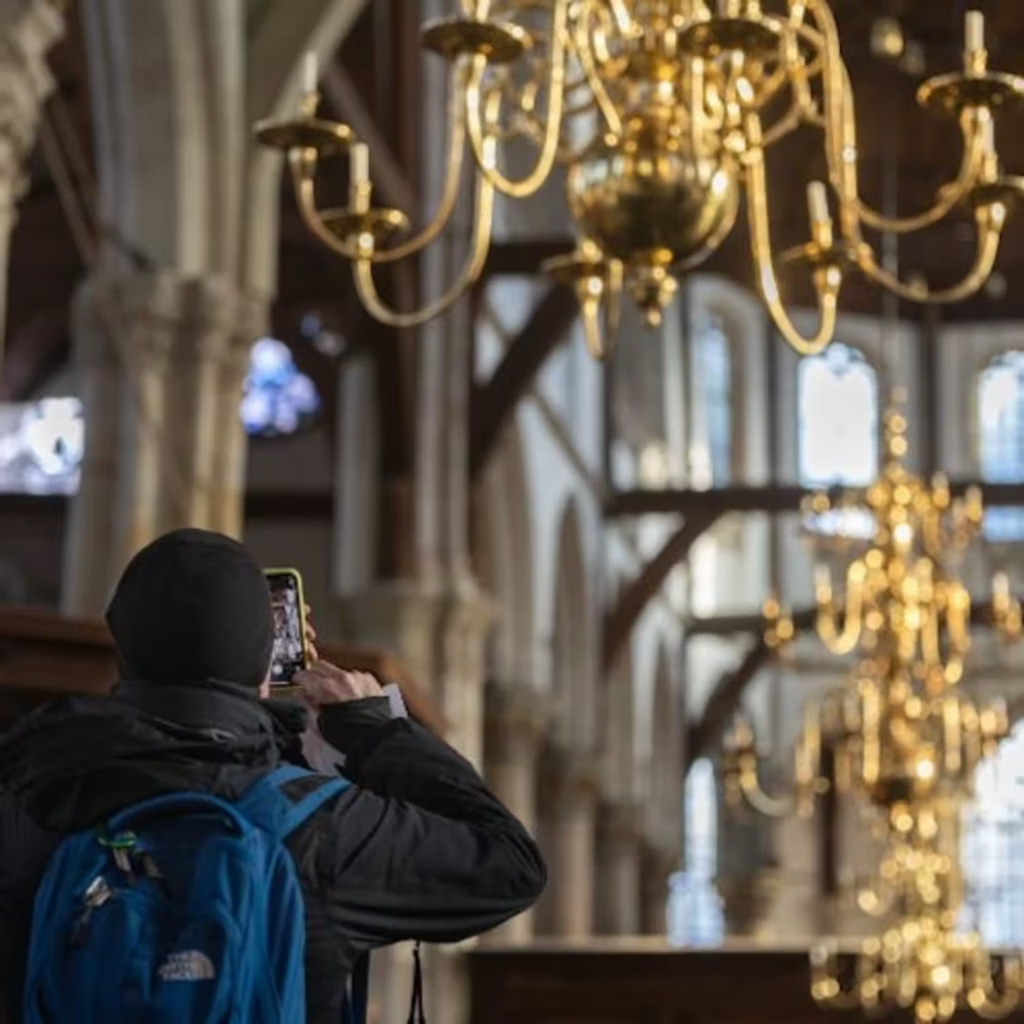
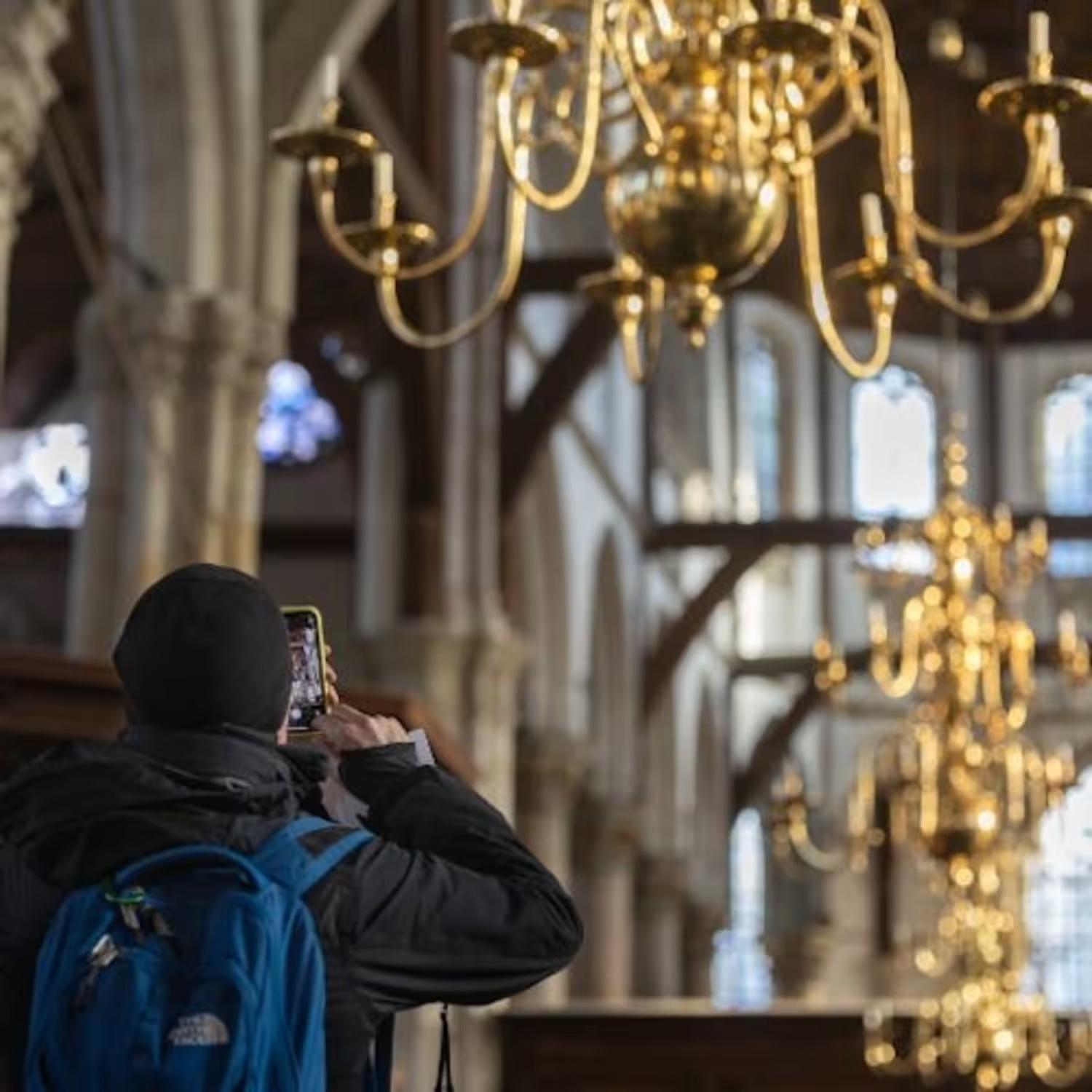
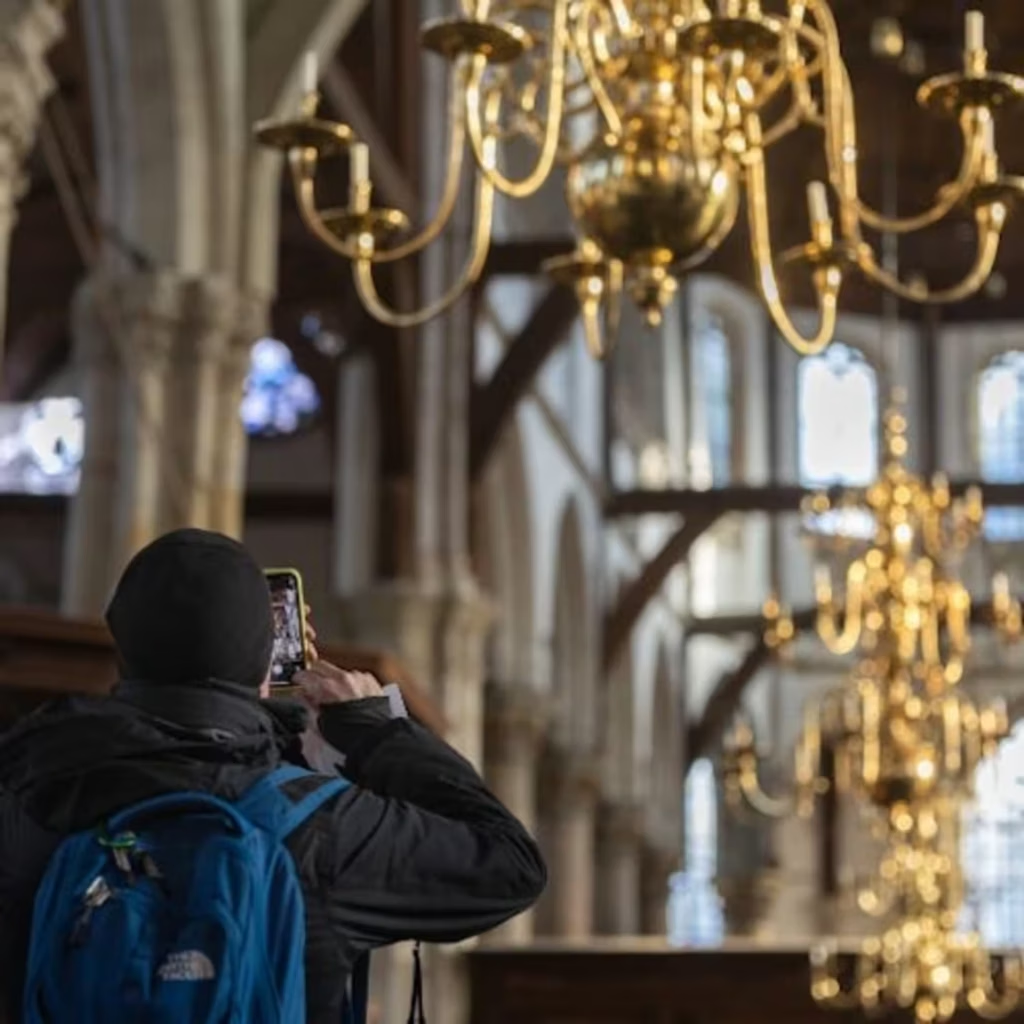
Interior of the Oude Kerk, Amsterdam

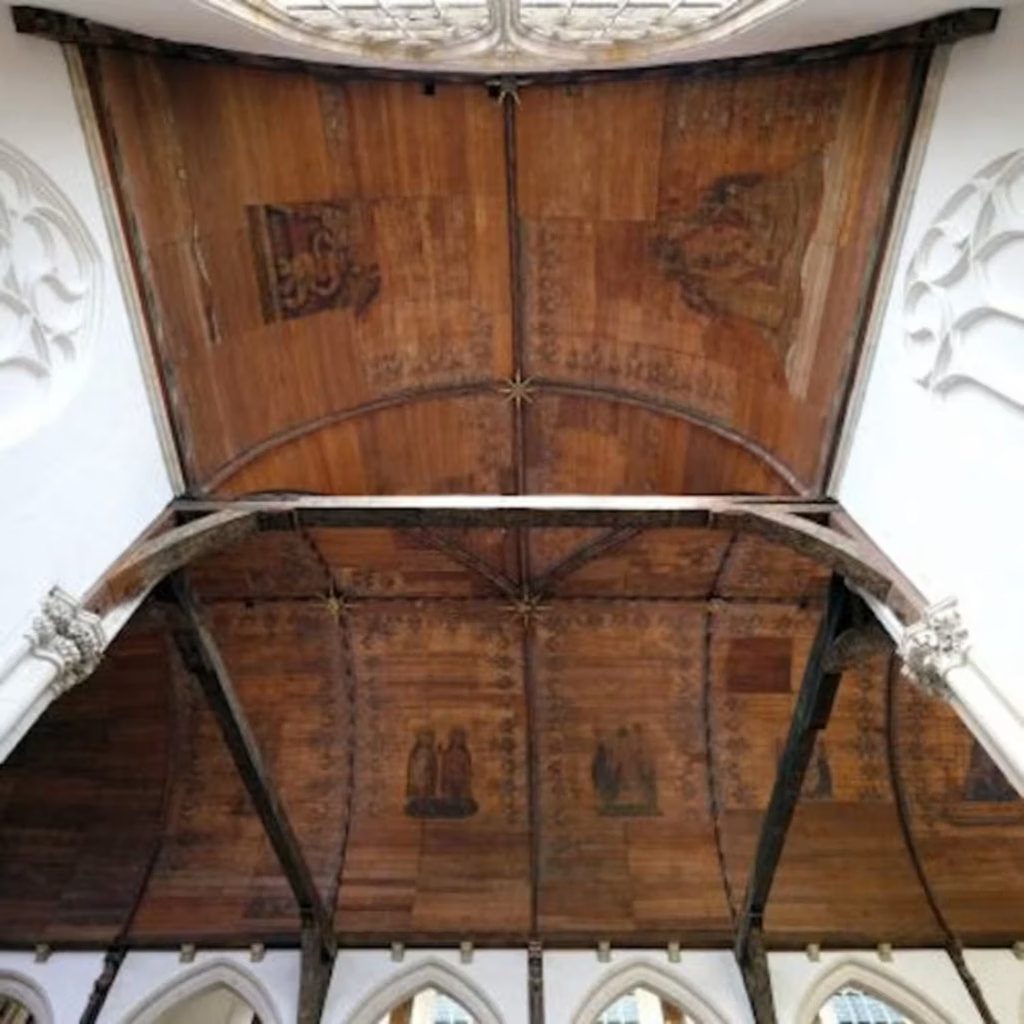
Then look up. The ceiling of the Oude Kerk is the largest medieval wooden vault in Europe, built with planks of Estonian oak that have been dated to 1390. Stand in the centre of the nave to take in its full length.

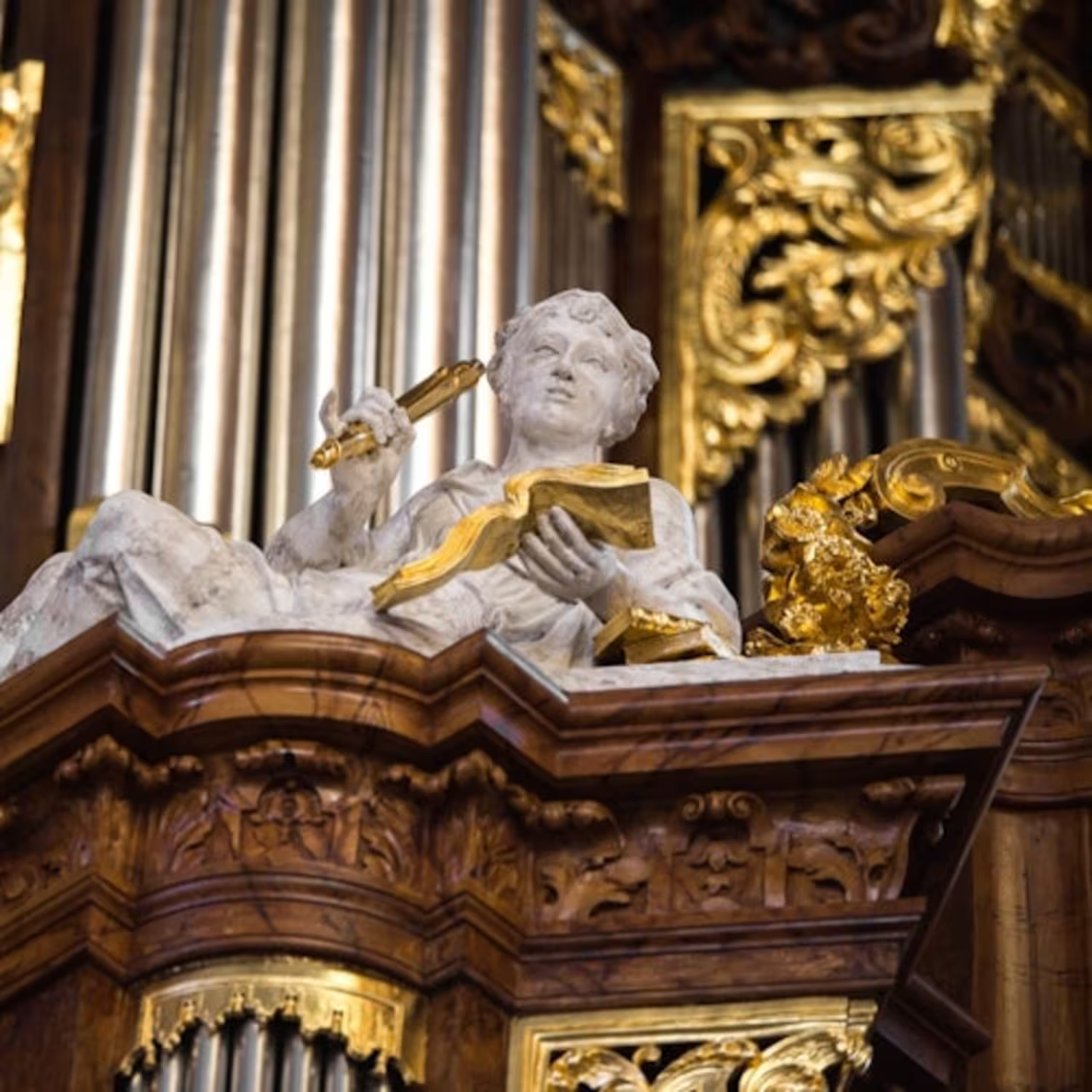
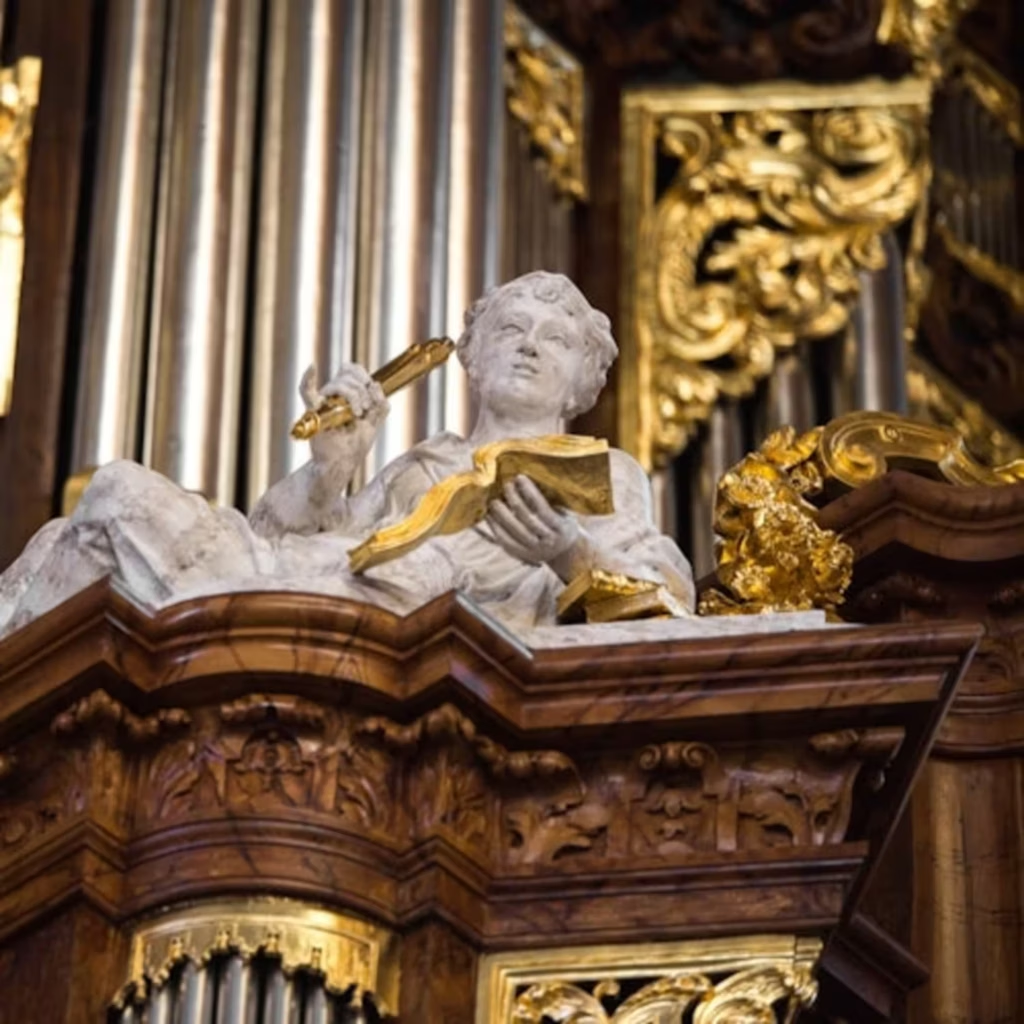
Music has always mattered here. The main organ was built by Christian Vater in 1724 and later altered by Casper Müller, which is why it is known as the Vater-Müller organ. A smaller organ stands in the transept, near Saskia's grave. Sweelinck, the most famous organist of the Dutch Golden Age, played in this church, and the Oude Kerk still holds concerts, including the Silence, Monuments music series. Check the programme if you want to hear the organs in use.

Contemporary art in a medieval church
Art installation in the Oude Kerk, Amsterdam

The Oude Kerk is also a place for new art. Every year the church commissions two large works from leading artists, made for the building and shown in it. These commissions anchor a wider programme of music, performances, guided tours and artist talks, so a visit often combines the medieval church with a contemporary installation. Mire Lee's exhibition Vomit My Blessing runs until 7 March 2027.

The art continues outside. In front of the church stands Belle, a bronze statue with the inscription Respect sex workers all over the world, a reminder that the Oude Kerk sits in the middle of De Wallen and has always been part of the life of the neighbourhood around it. Walking out of the church into the Red Light District is one of the strongest contrasts in Amsterdam.

Visiting rules and etiquette

Book your entry in advance and check the ticket options shown when you book.

The church holds about 60,000 graves: treat the tombstone floor with respect.

The floor is made of tombstones, so watch your step as you walk across it.

The church is open daily from 10:00 to 18:00 and on Sundays from 13:00 to 17:30.

Concerts, performances and talks are part of the programme, so some evenings have special events.

The church stands in the Red Light District: do not photograph or film the windows in the streets around it.

Quick tips before you go

Look down for the tombstones, then up at the wooden vault from the centre of the nave.

Find Saskia's grave near the small transept organ and Sweelinck's tombstone, number 99.

Check which art commission is on during your visit.

On Sundays the church opens at 13:00, so plan a morning elsewhere.

Look for the Belle statue on the square in front of the church.

Combine the church with a walk through the oldest streets of the city.

Combine the Oude Kerk with more of Amsterdam

The Oude Kerk is one of the great Amsterdam landmarks. Saskia's husband lived in the Rembrandt House Museum, a short walk east, and the Red Light Secrets Museum explains the district outside the church doors. When you are ready, choose your entry on the Oude Kerk ticket page.

Oude Kerk Amsterdam: FAQs

How old is the Oude Kerk?

A wooden chapel stood on the site around 1250, and the stone church was consecrated on 17 September 1306. It is the oldest building in Amsterdam.

Why is it called the Old Church?

When the Nieuwe Kerk, the New Church, was consecrated in 1409, the older church became known as the Oude Kerk.

How many people are buried in the Oude Kerk?

About 60,000 people were buried there from the 13th century until 1865, under more than 2,000 tombstones.

Is Rembrandt's wife buried in the Oude Kerk?

Yes. Saskia Uylenburgh, Rembrandt's first wife, was buried there in 1642, near the small transept organ.

Who else is buried there?

Among others, the composer and city organist Jan Pieterszoon Sweelinck, under tombstone number 99.

What is special about the ceiling?

It is the largest medieval wooden vault in Europe, made with Estonian oak planks dated to 1390.

How old is the organ?

The main organ was built by Christian Vater in 1724 and later altered by Casper Müller.

Is there art in the Oude Kerk?

Yes. The church commissions two large works from leading artists every year, alongside music, performances and talks.

What happened to the church during the Reformation?

The Iconoclasm of 1566 destroyed most of its art and fittings, and after 1578 the church became Reformed.

What are the opening hours?

Daily from 10:00 to 18:00, and on Sundays from 13:00 to 17:30.

Is the Oude Kerk in the Red Light District?

Yes. It stands in the middle of De Wallen, and the Belle statue in front of it honours sex workers.

About this guide

Sources: Oude Kerk, About the Oude Kerk; Oude Kerk, Exhibitions; Wikipedia, Oude Kerk (Amsterdam).