We are processing your request.
Please, don’t close or refresh the page.
Amsterdam Tickets Verzetsmuseum Exhibitions Guide
Dutch Resistance Museum (Verzetsmuseum), Amsterdam

Dutch Resistance Museum: A Guide to the Exhibitions

What you see at the Verzetsmuseum in Amsterdam: the occupation of the Netherlands from 1940 to 1945, the former Dutch colonies, the Resistance Museum Junior for children and the Plancius building.

The Verzetsmuseum, known in English as the Dutch Resistance Museum, tells the story of the German occupation of the Netherlands in the Second World War and of the people who resisted it. It does not tell that story through battles. It tells it through ordinary people who had to choose: to help someone into hiding, to print an illegal newspaper, to forge papers, to adapt or to collaborate. The museum has two permanent exhibitions for adults, one on the Netherlands from 1940 to 1945 and one on the former Dutch colonies from the war to independence, and a separate museum for children, the Resistance Museum Junior. This guide explains what each part covers, how the building fits the story and how to plan a visit with or without children. For transport and timings, see our Verzetsmuseum visitor guide.

Verzetsmuseum Amsterdam: Admission Ticket + Audio Guide

Highlights

Explore detailed exhibits on the Dutch experience throughout WWII.

Engage with over 100 personal narratives depicting courage and decisions during wartime.

Enjoy an integrated audio guide providing rich context and immersive storytelling.

Watch short film clips that set the historical mood for each year of the occupation.

Discover a dedicated section designed for children to learn about history through the eyes of young witnesses.
Dutch Resistance Museum: key facts

The museum opened on 19 November 1985 and moved to its current building in 1999.

The building, known as Plancius, was built by the Jewish community in 1876.

The main exhibition covers the occupation from May 1940 to May 1945 through 100 personal stories.
The Resistance Museum Junior, opened at the end of 2013, was the first children's museum about the Second World War in the Netherlands.
The audio guide is available in seven languages.
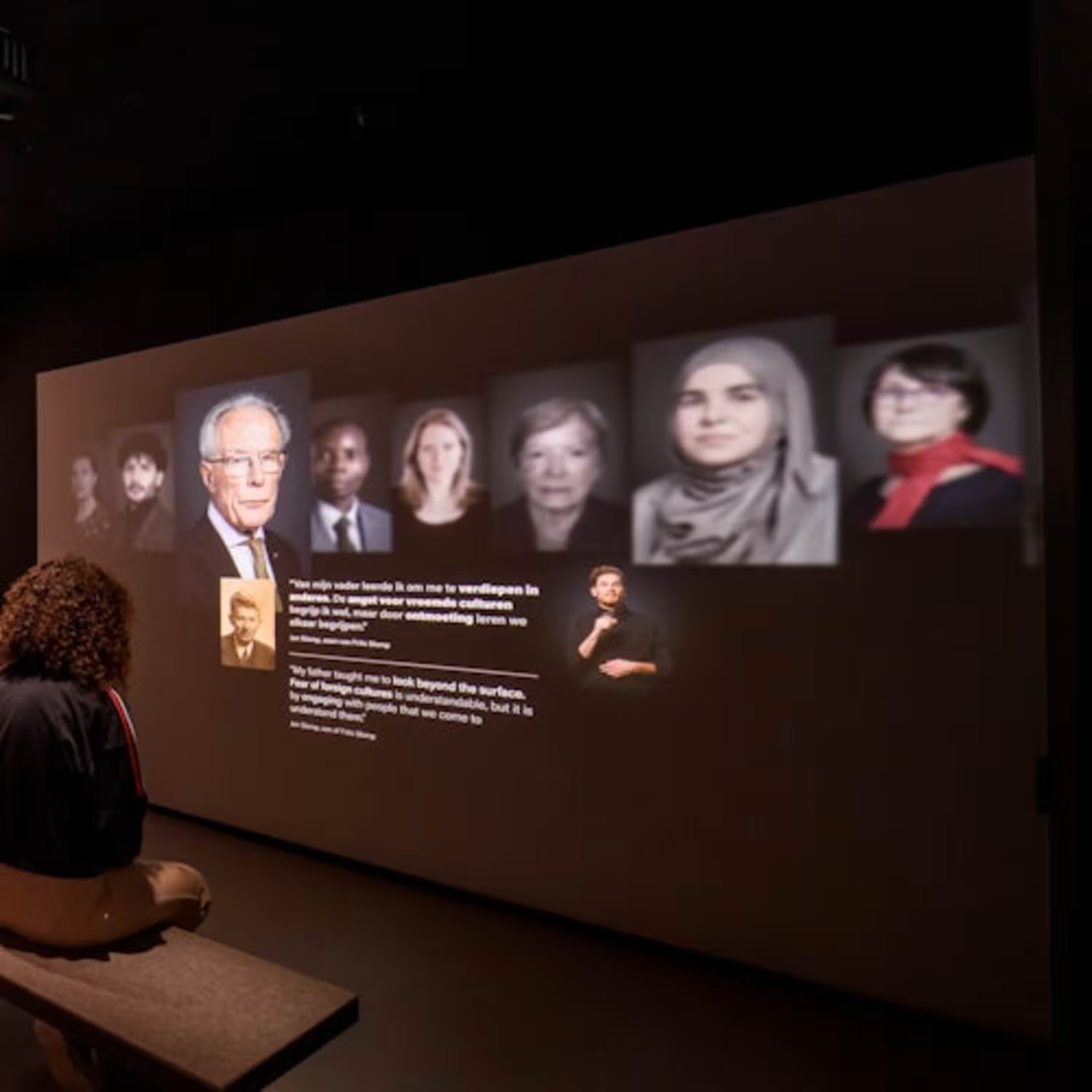
The museum stages about five changing exhibitions a year.

The Netherlands in the Second World War

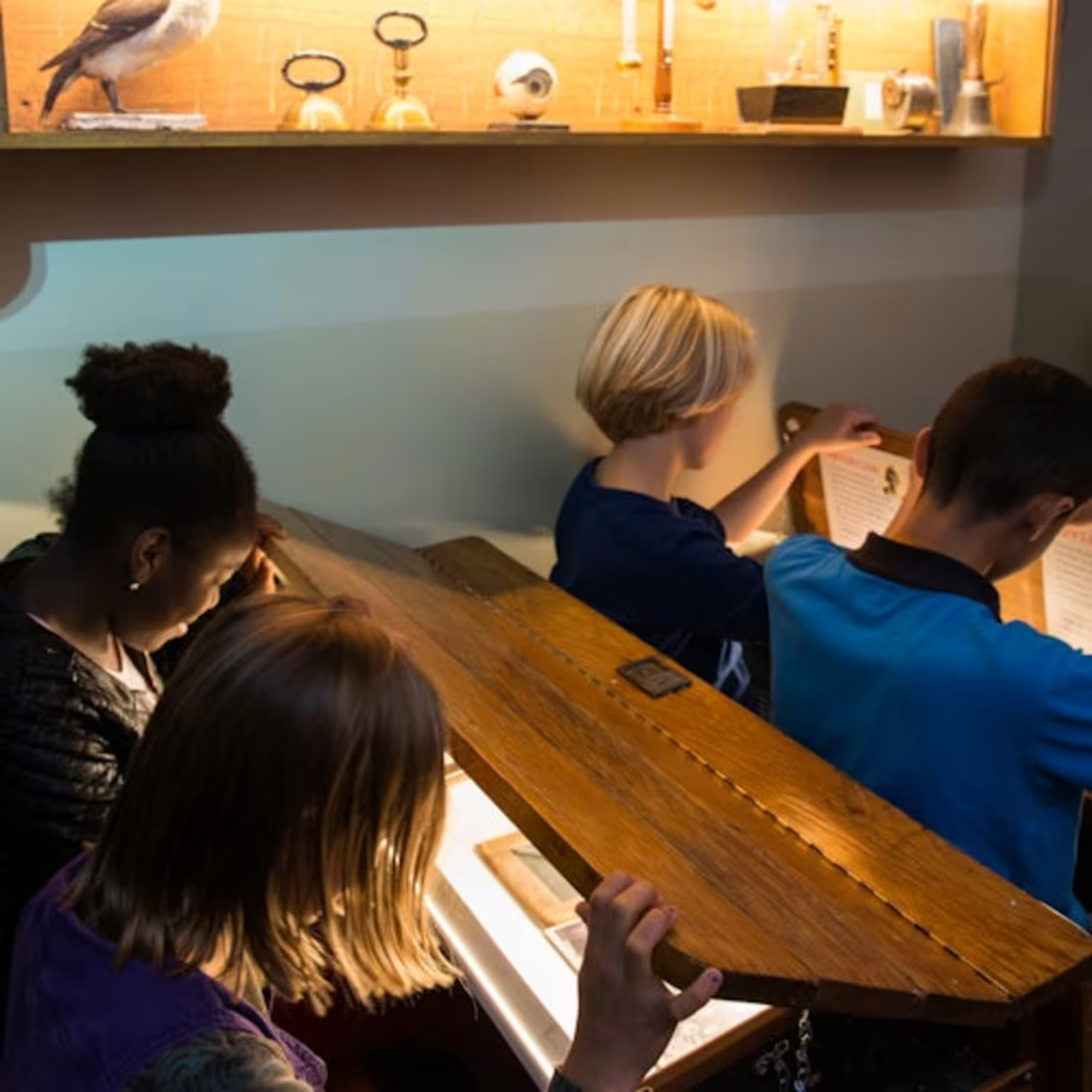
Exhibition at the Dutch Resistance Museum, Amsterdam

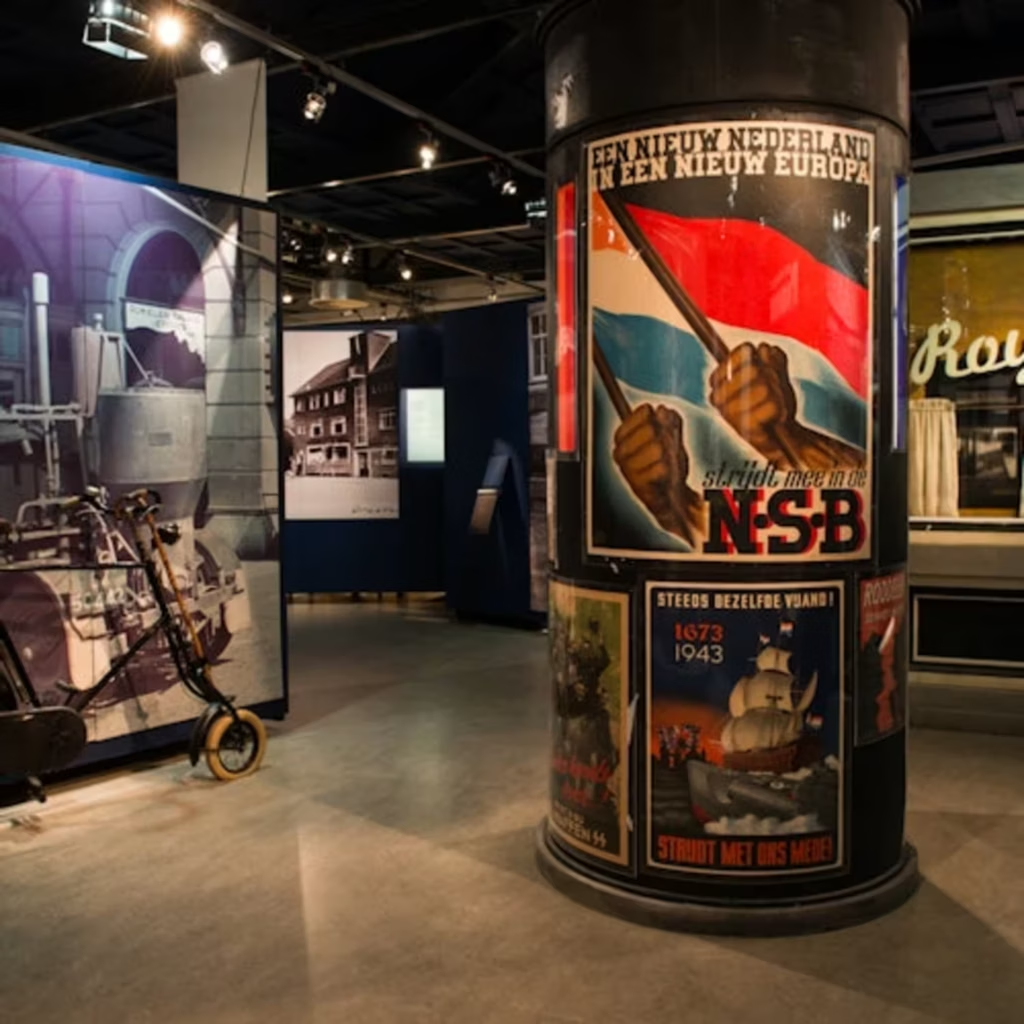
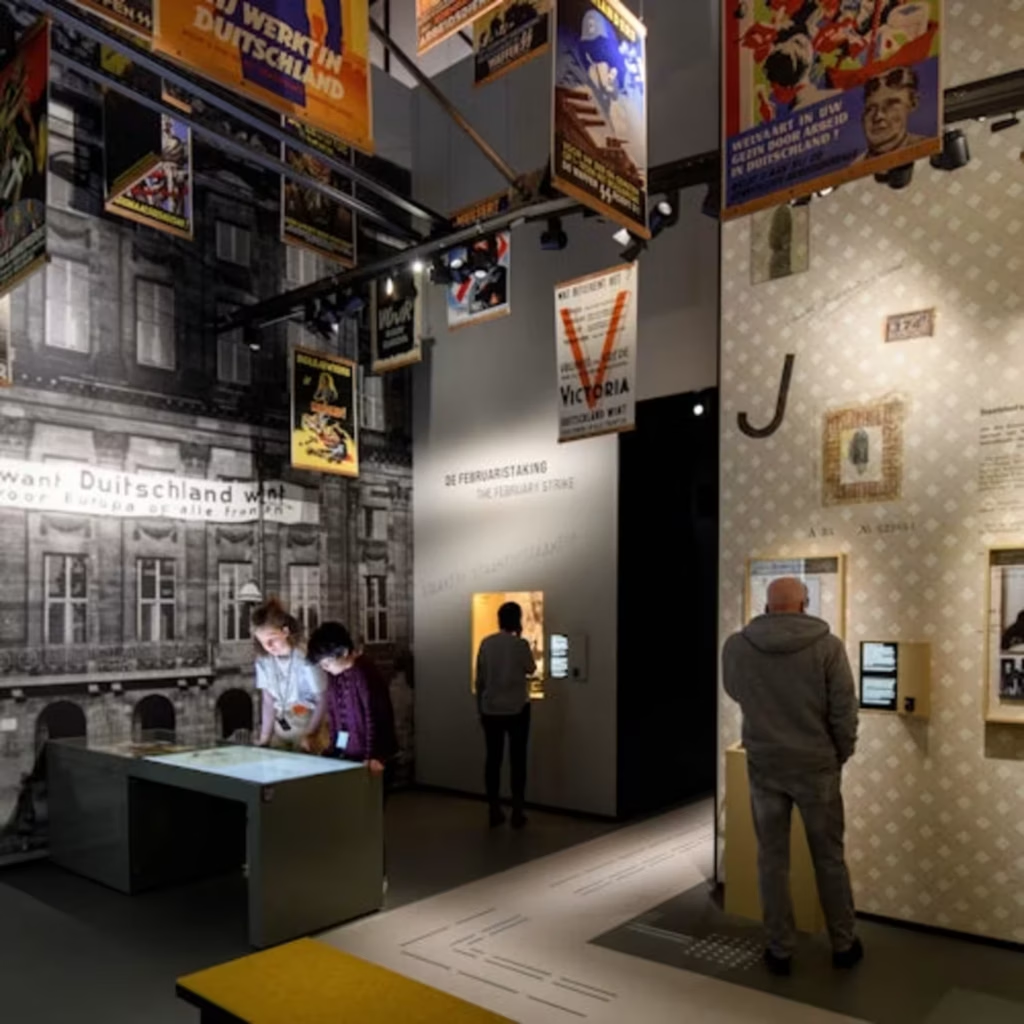
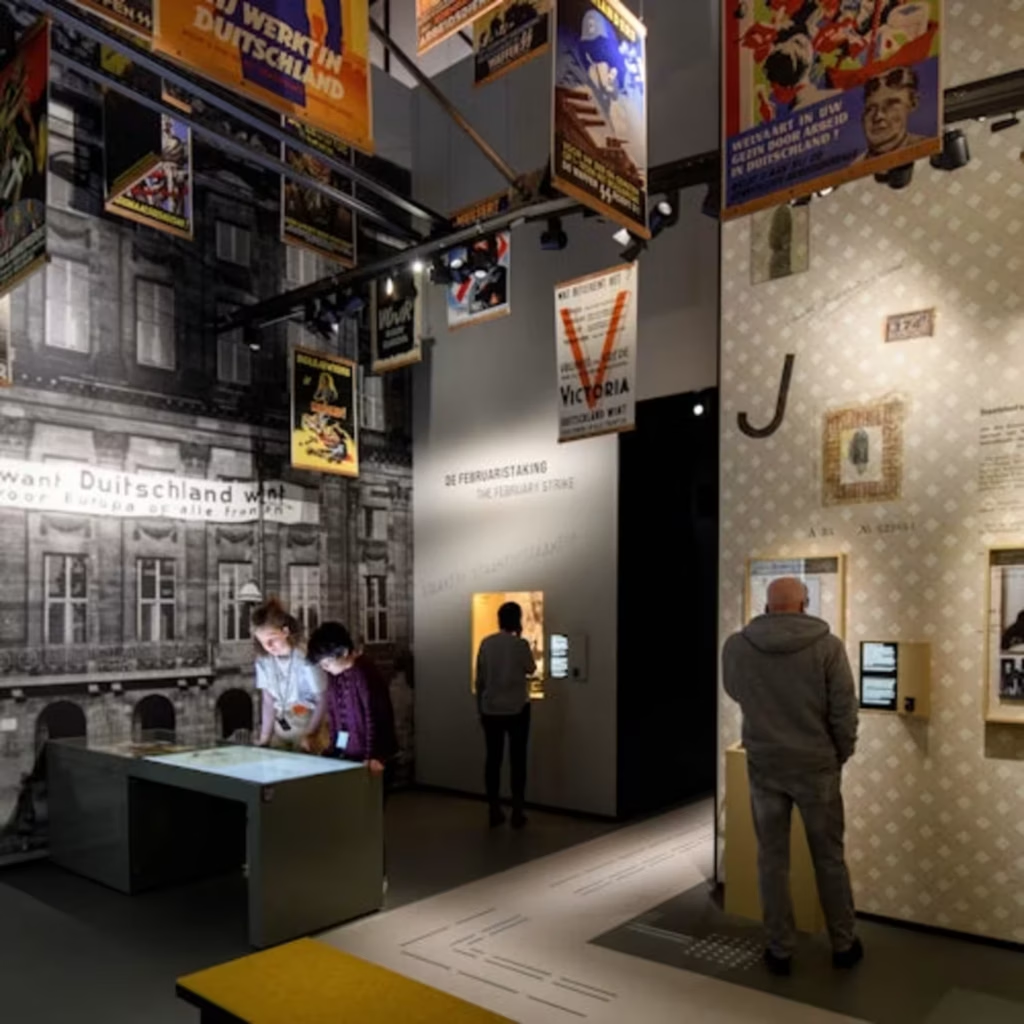
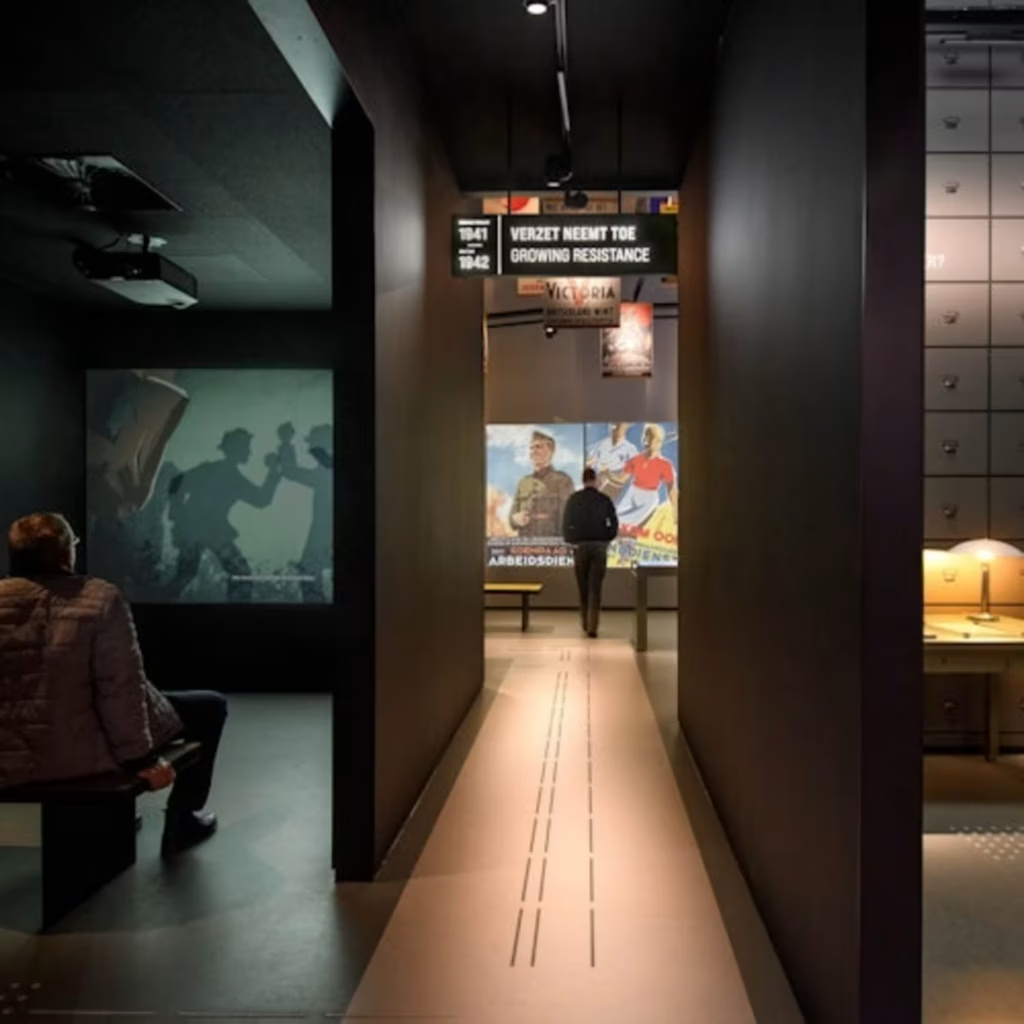
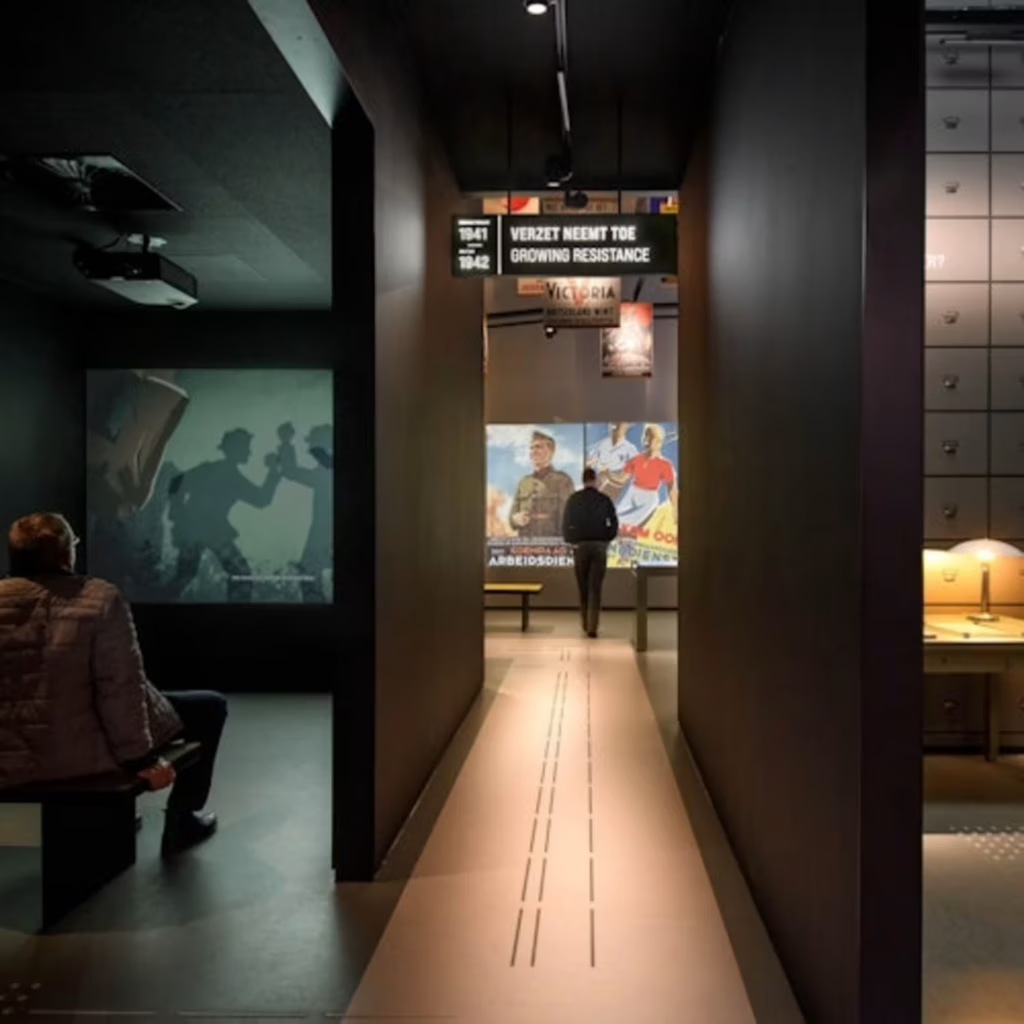
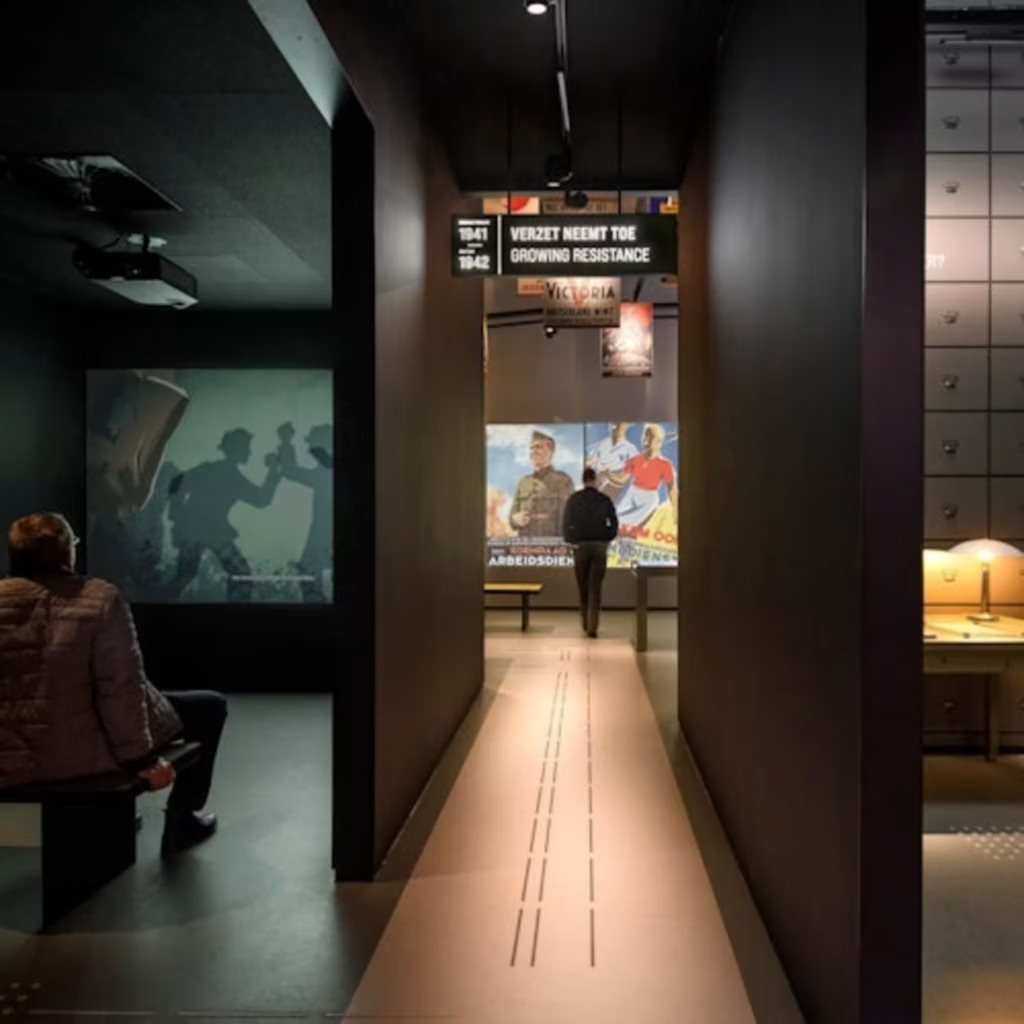
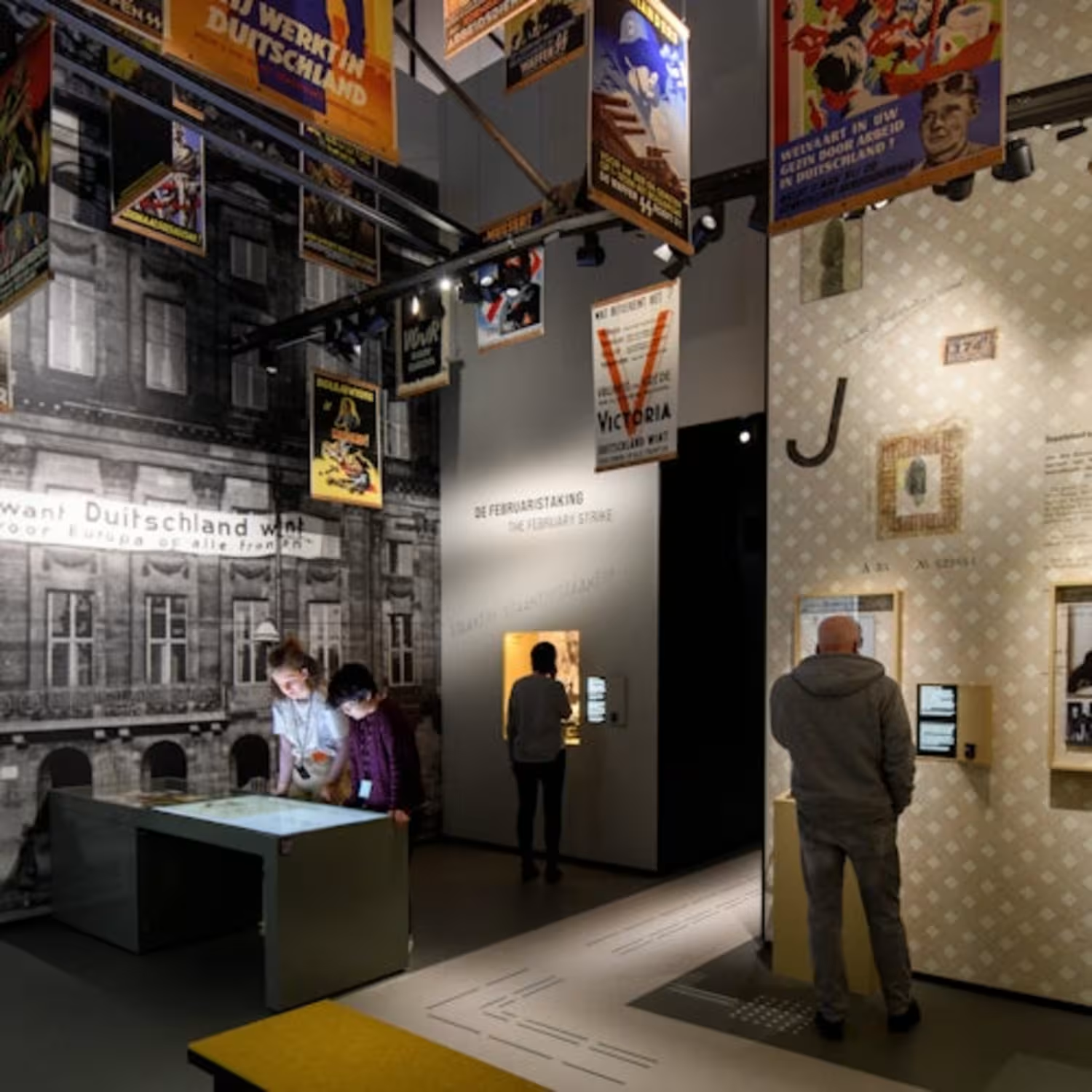
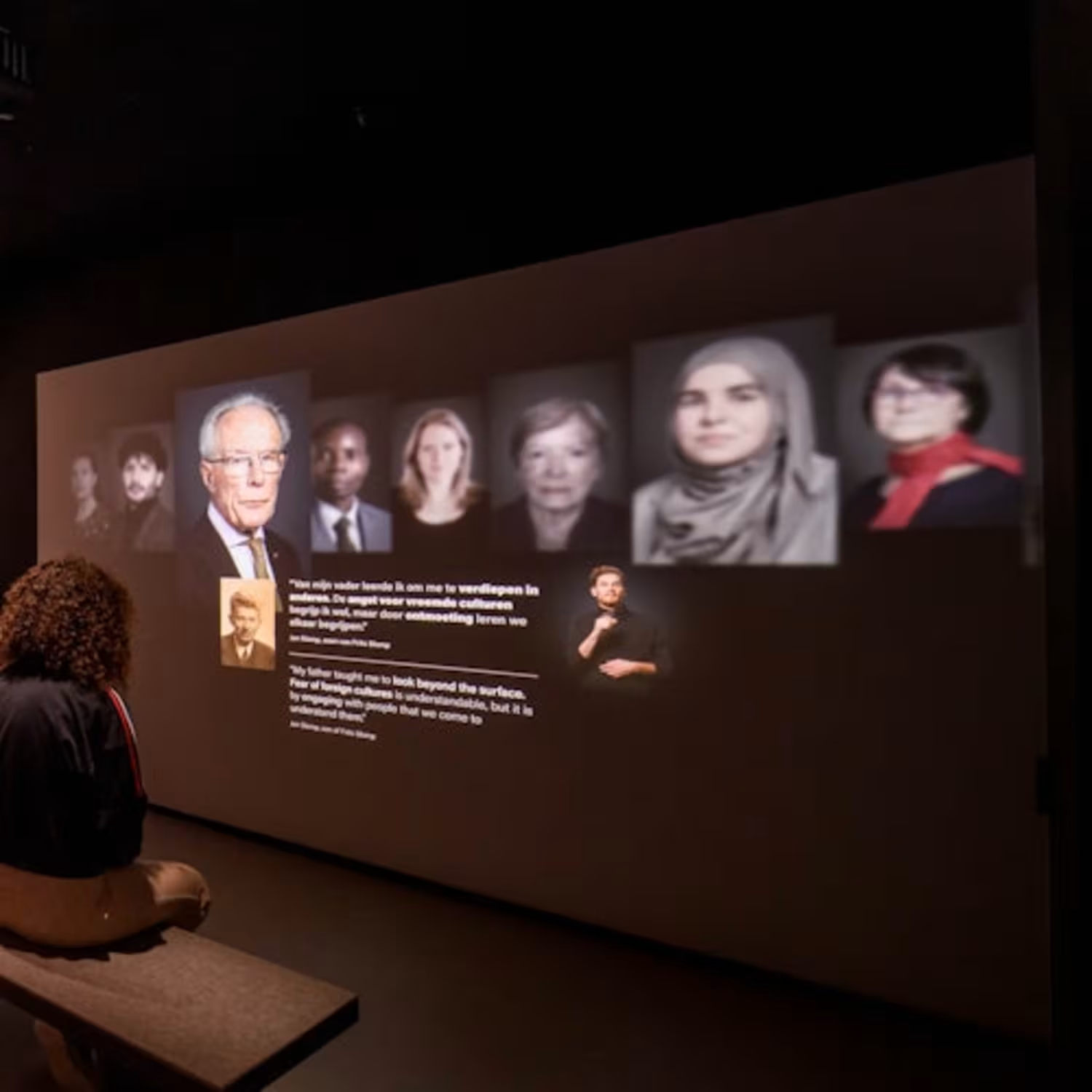
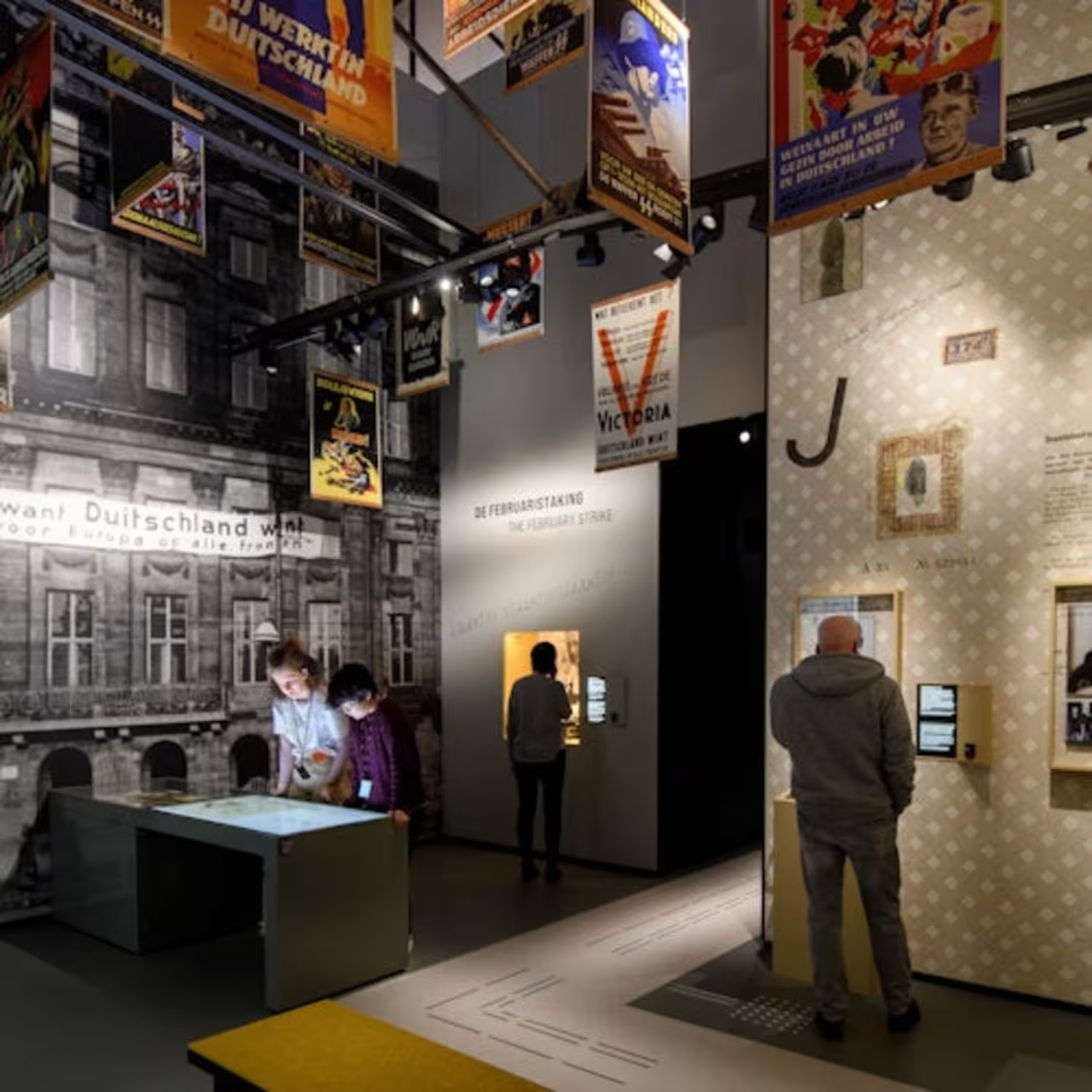
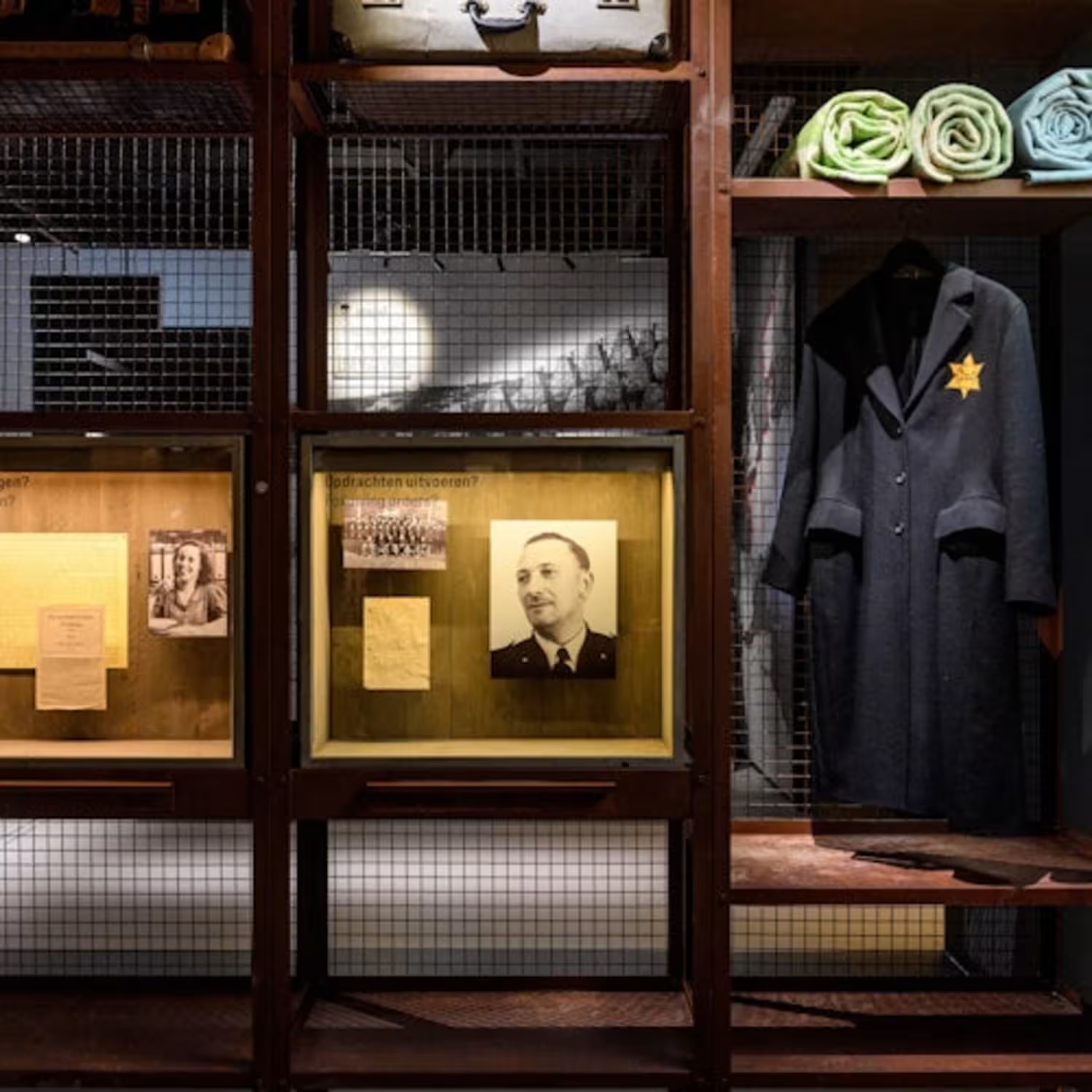
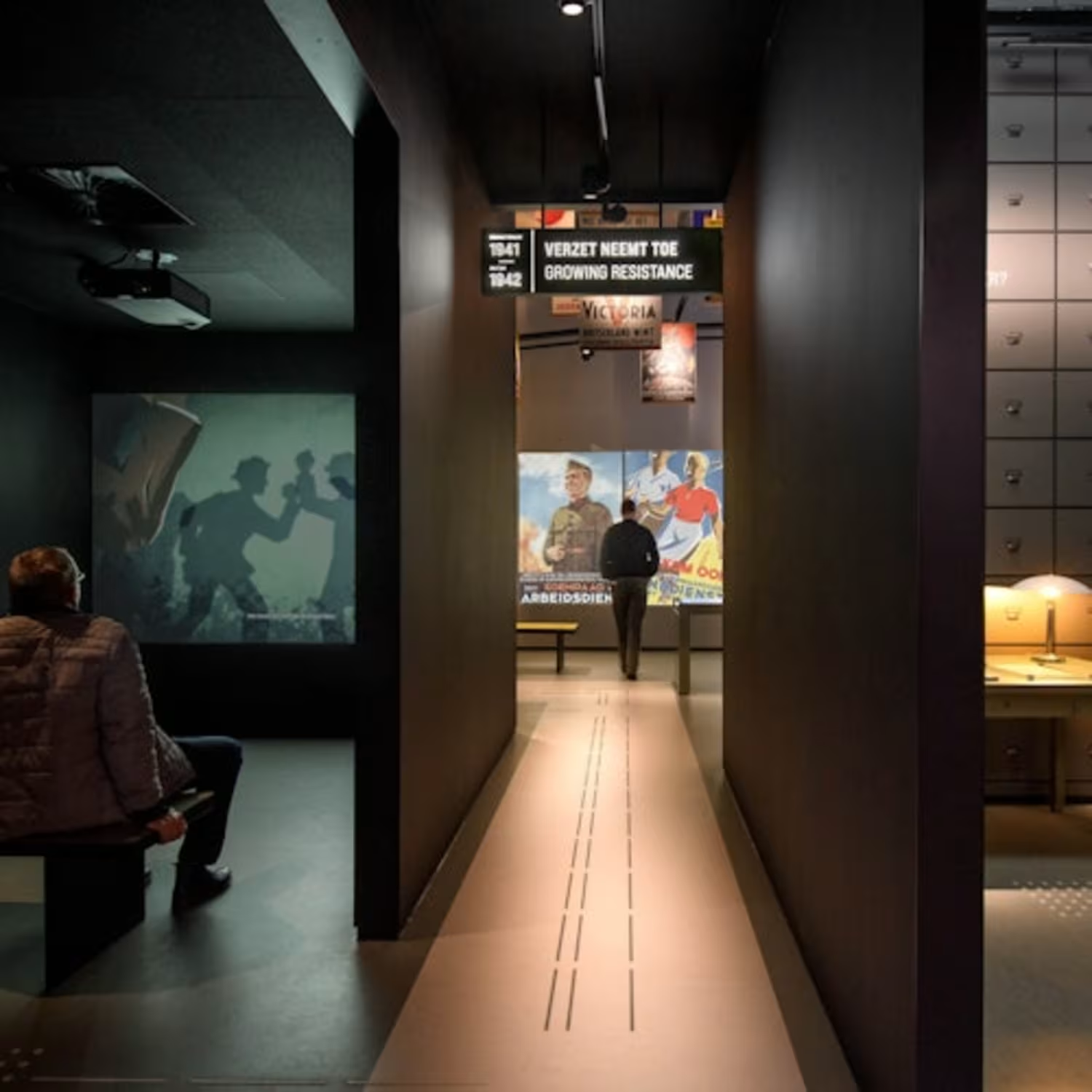
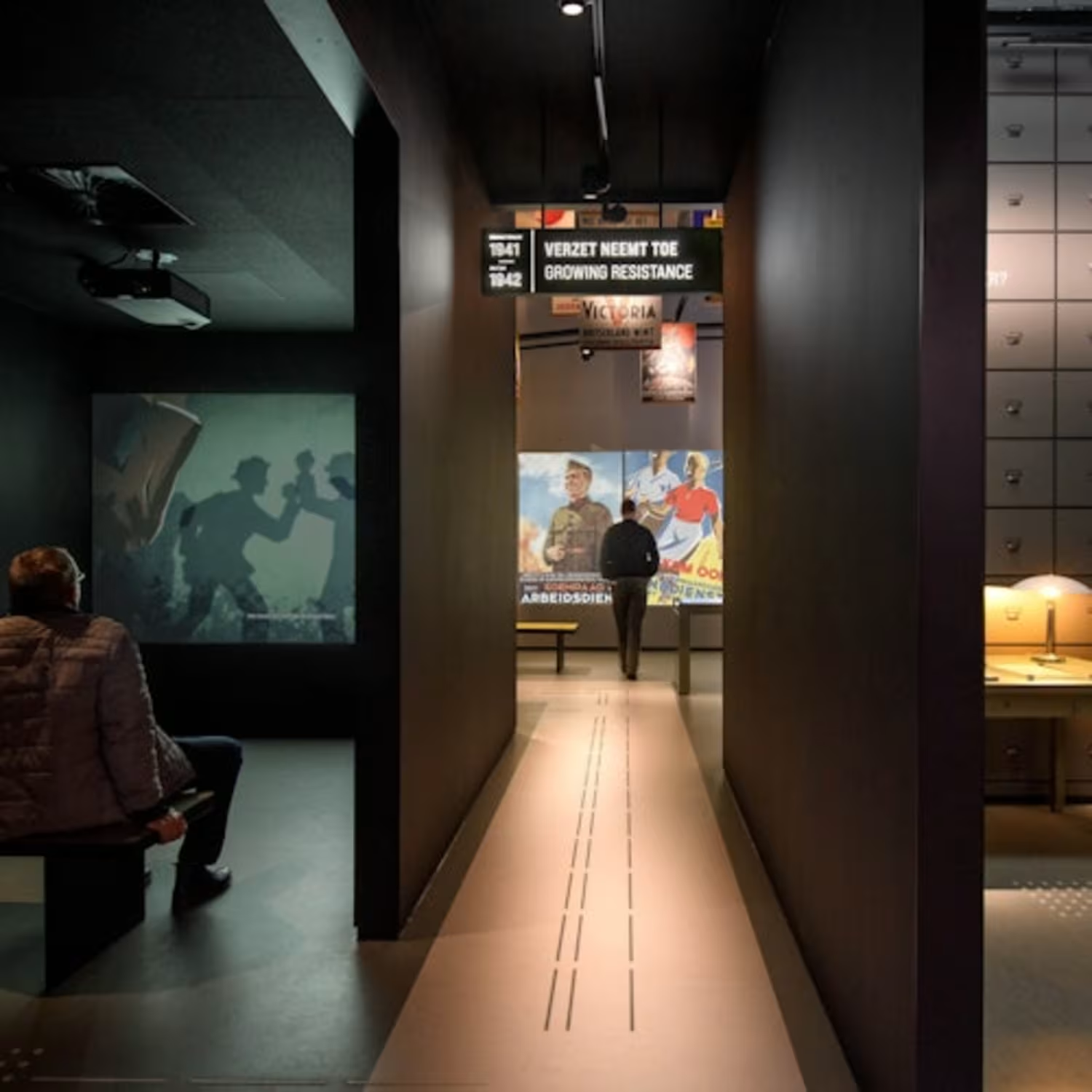
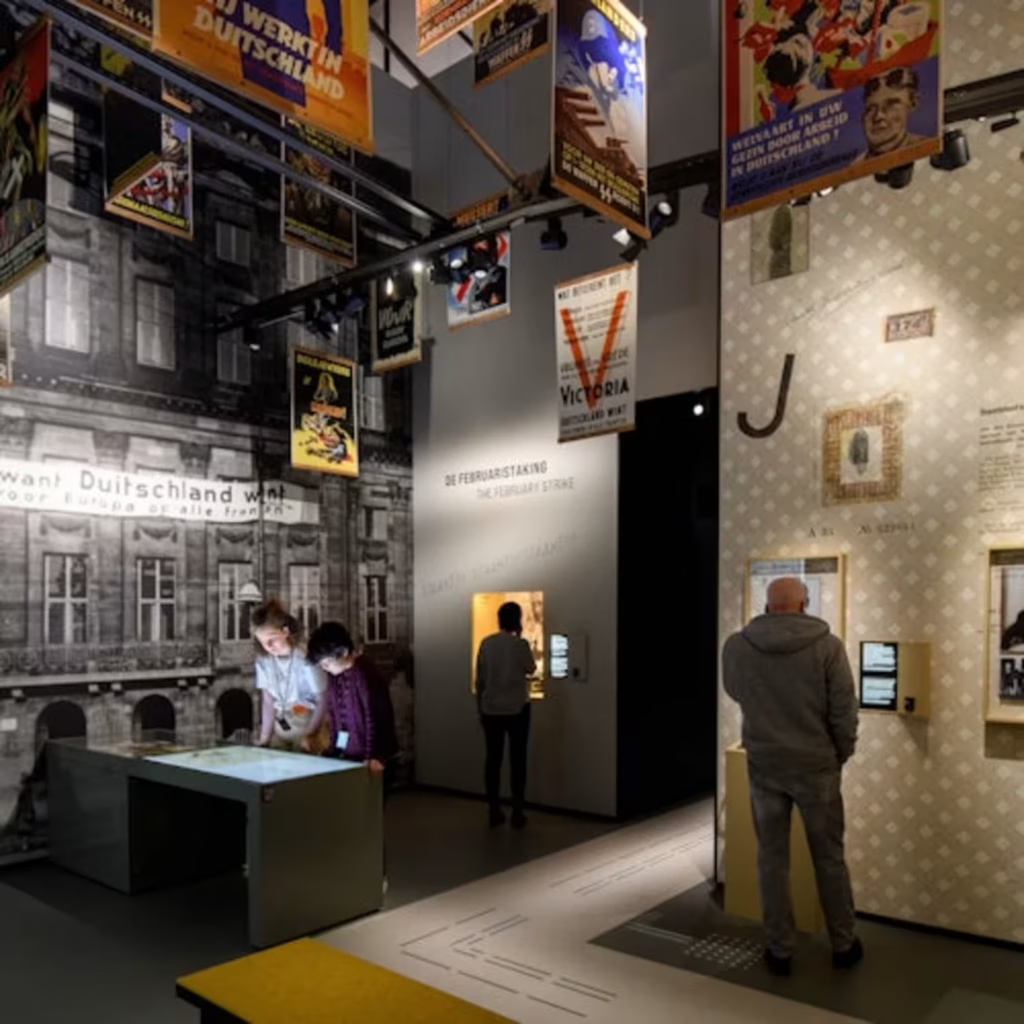
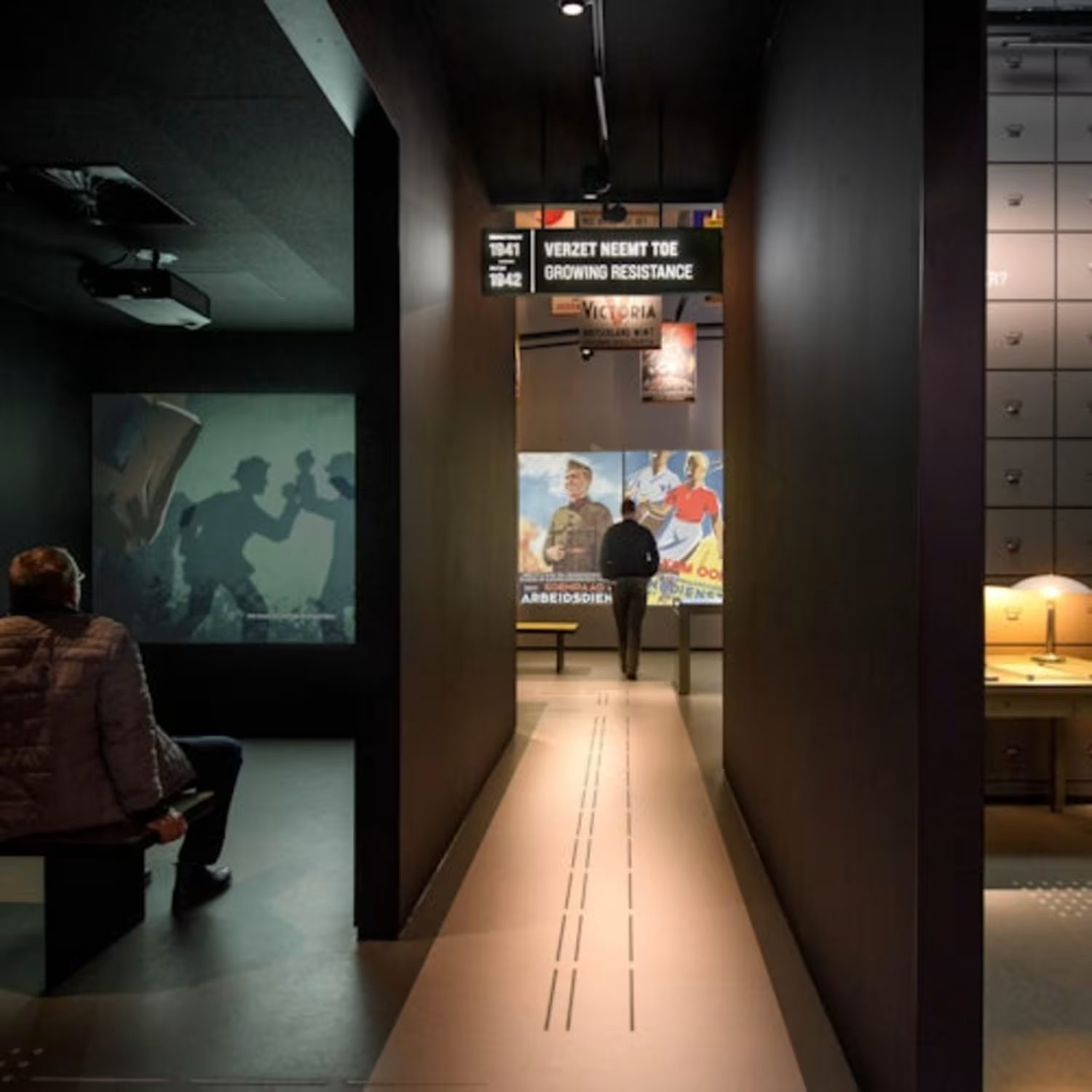
The main permanent exhibition covers the German occupation from May 1940 to May 1945. Rather than presenting the war as a sequence of military events, it follows the choices people faced during the five years of occupation.

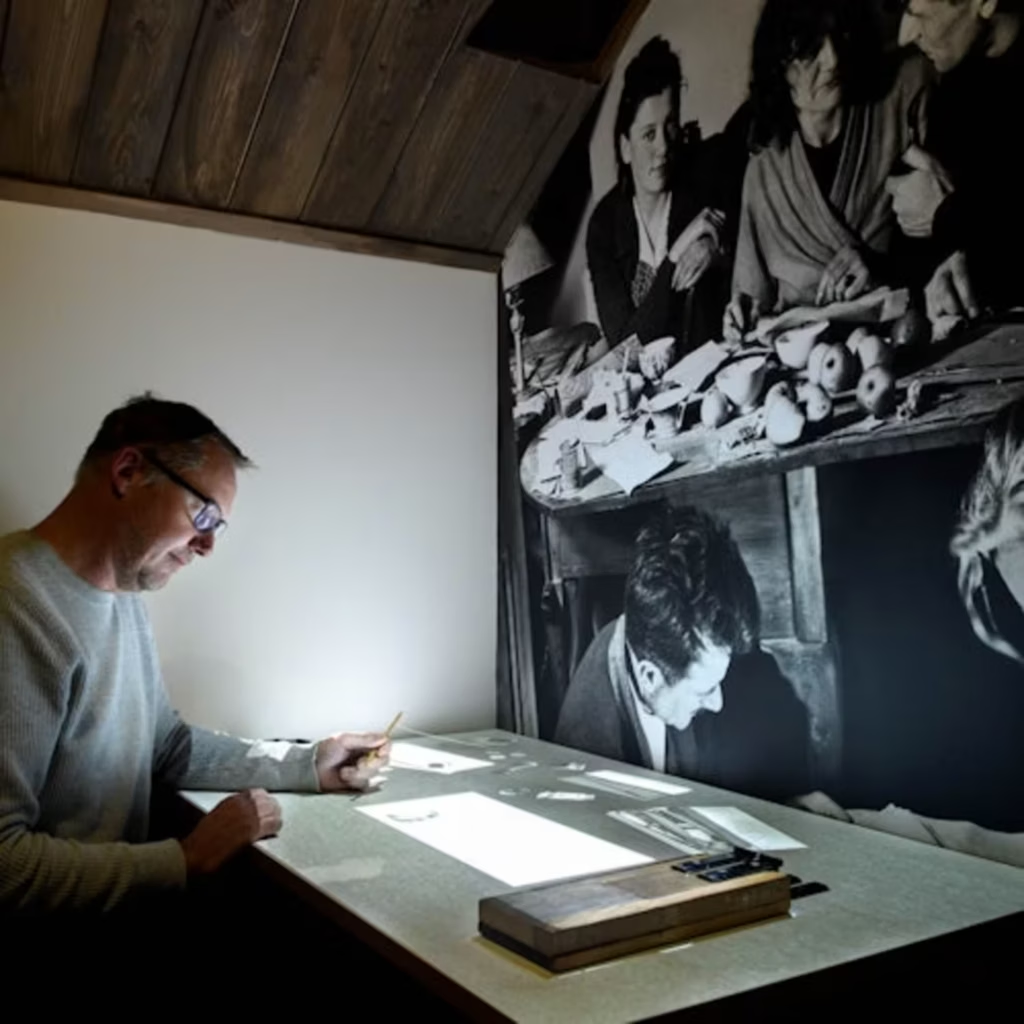
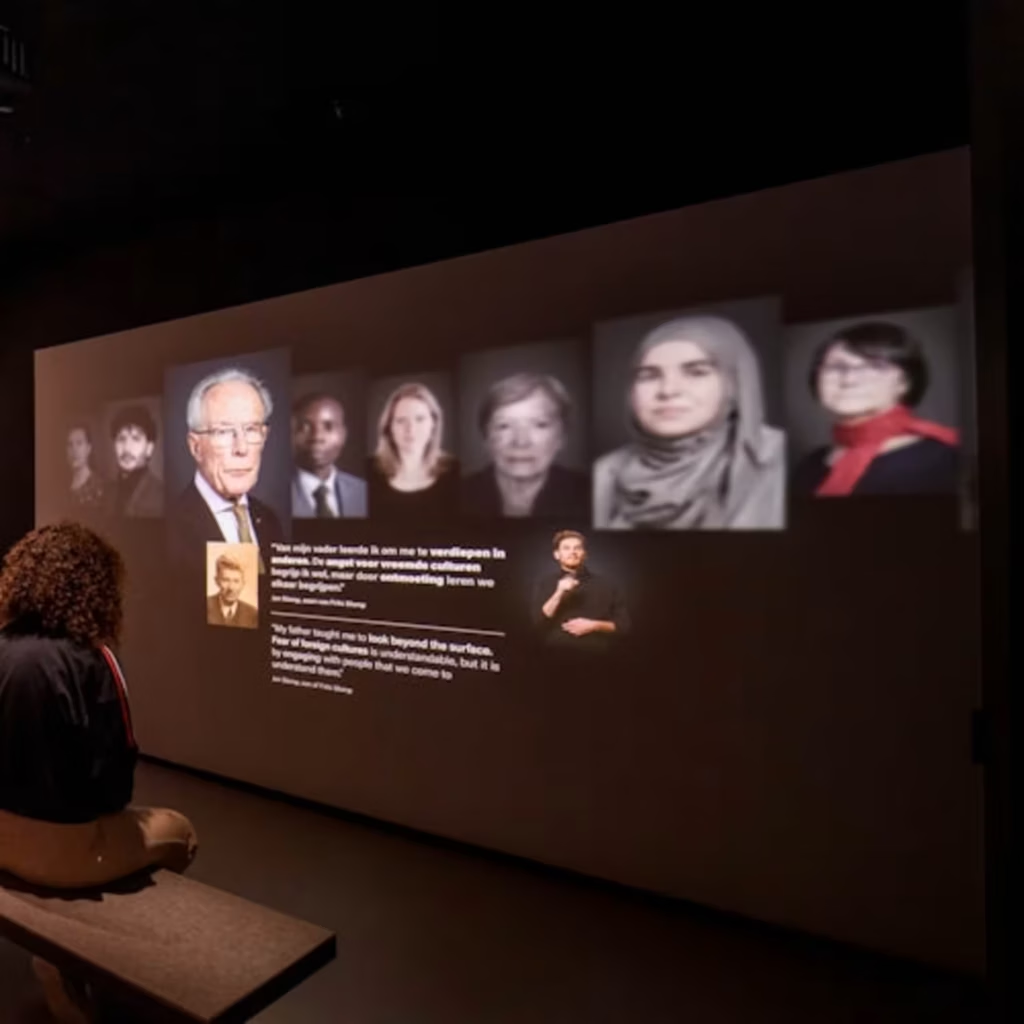
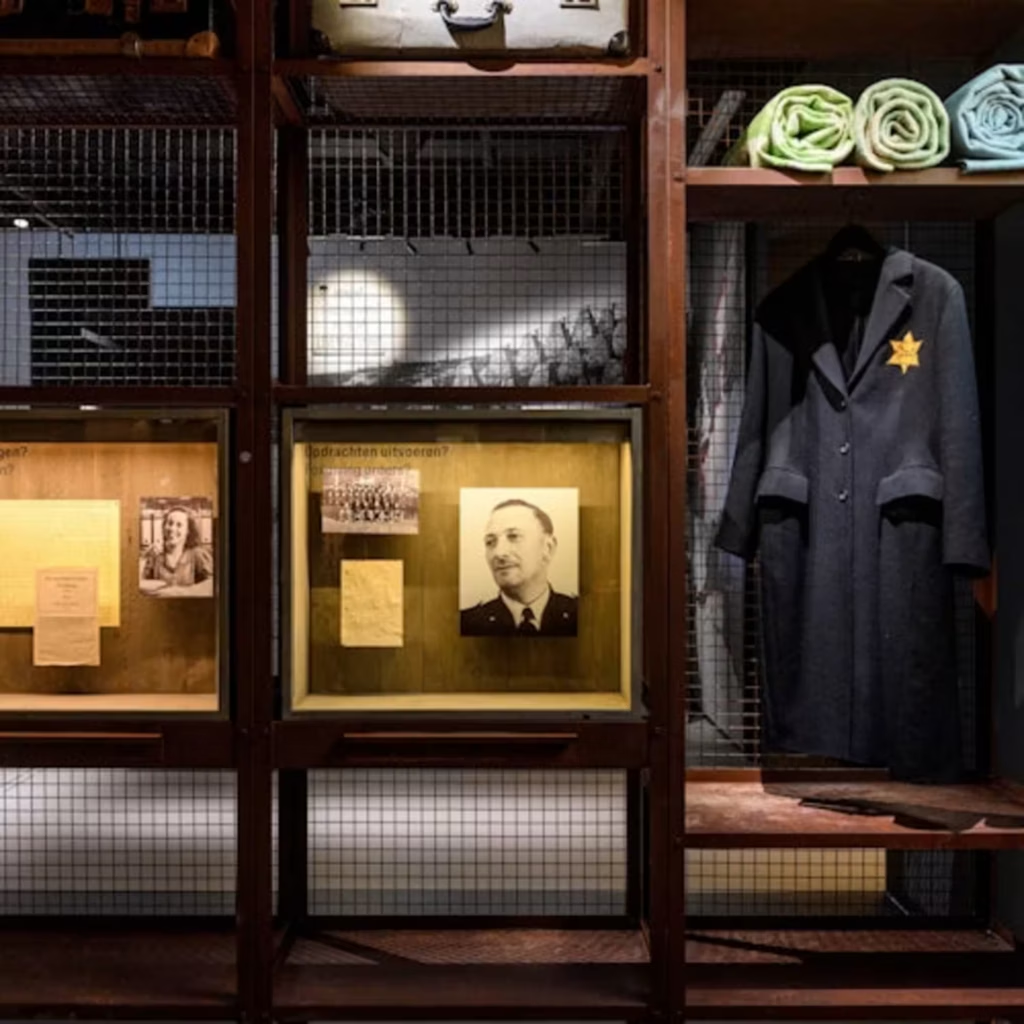
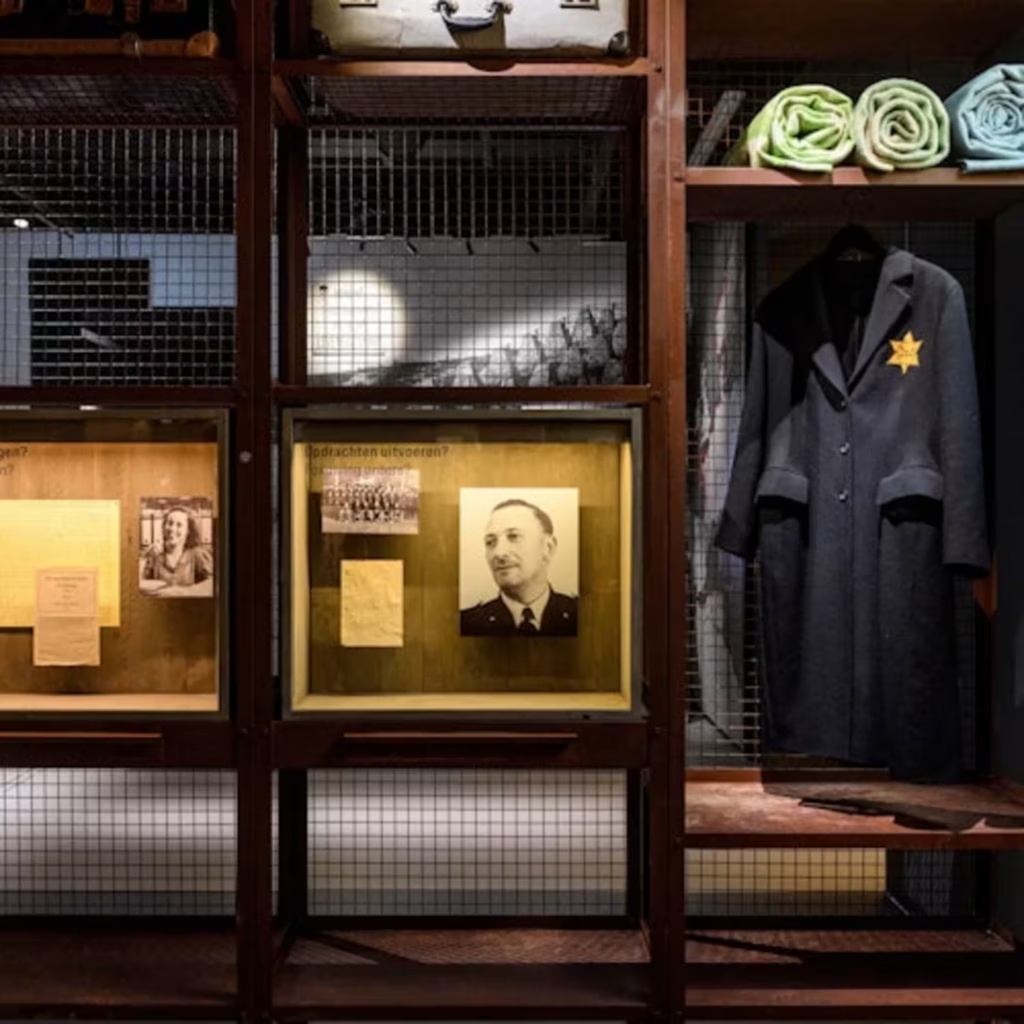
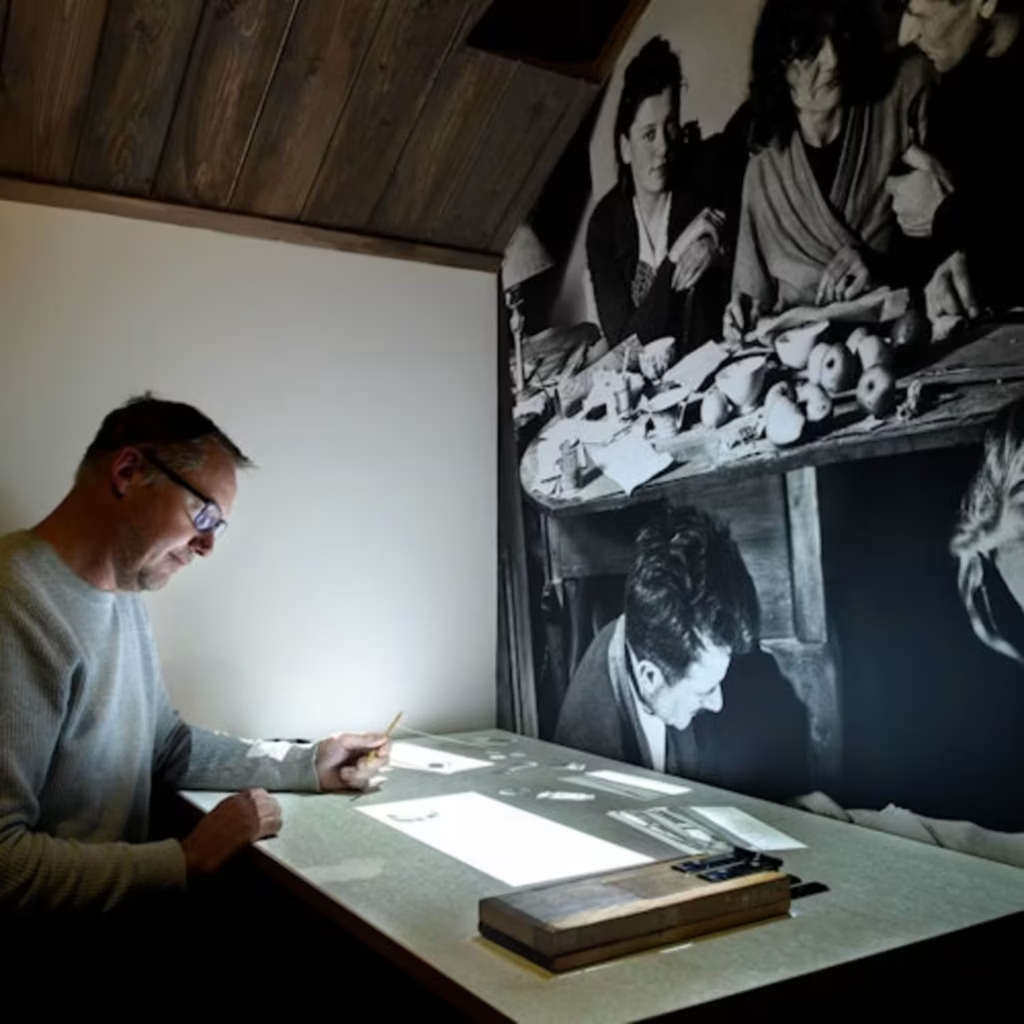
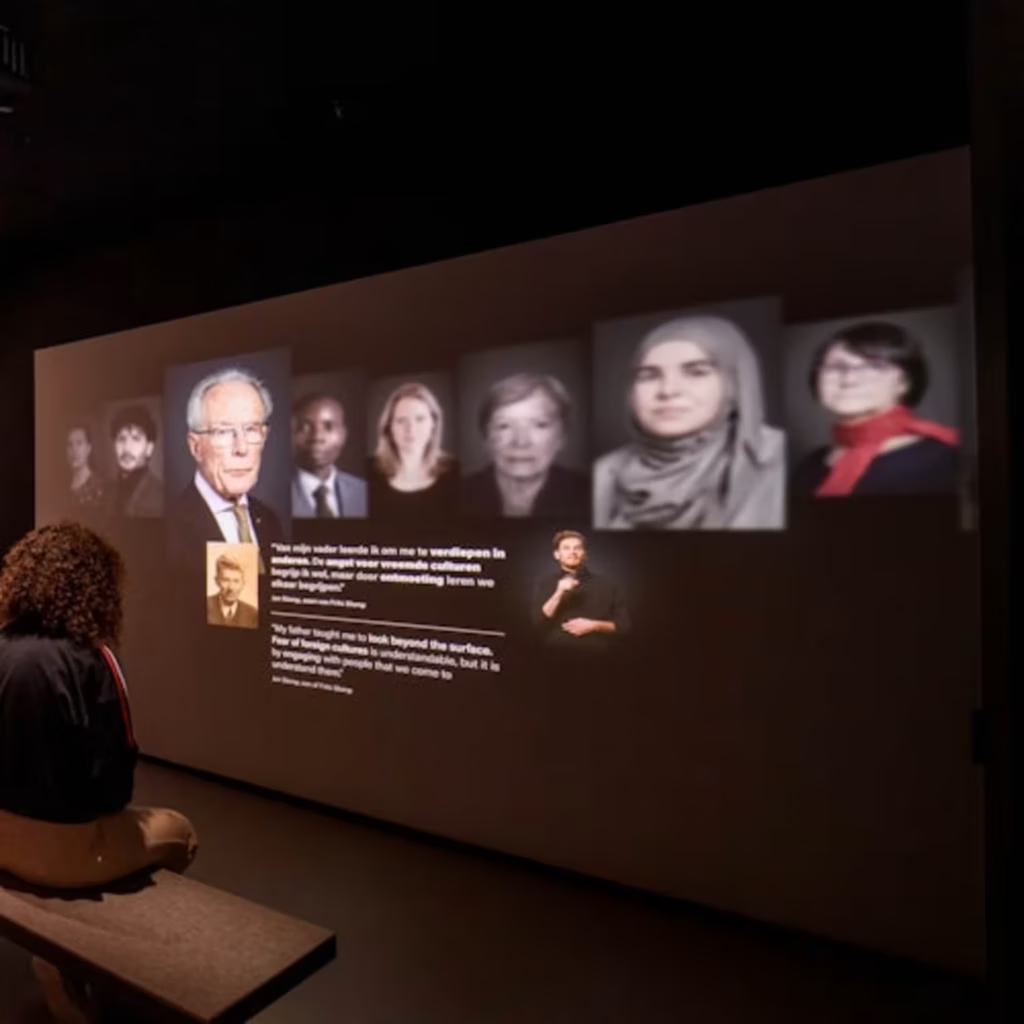
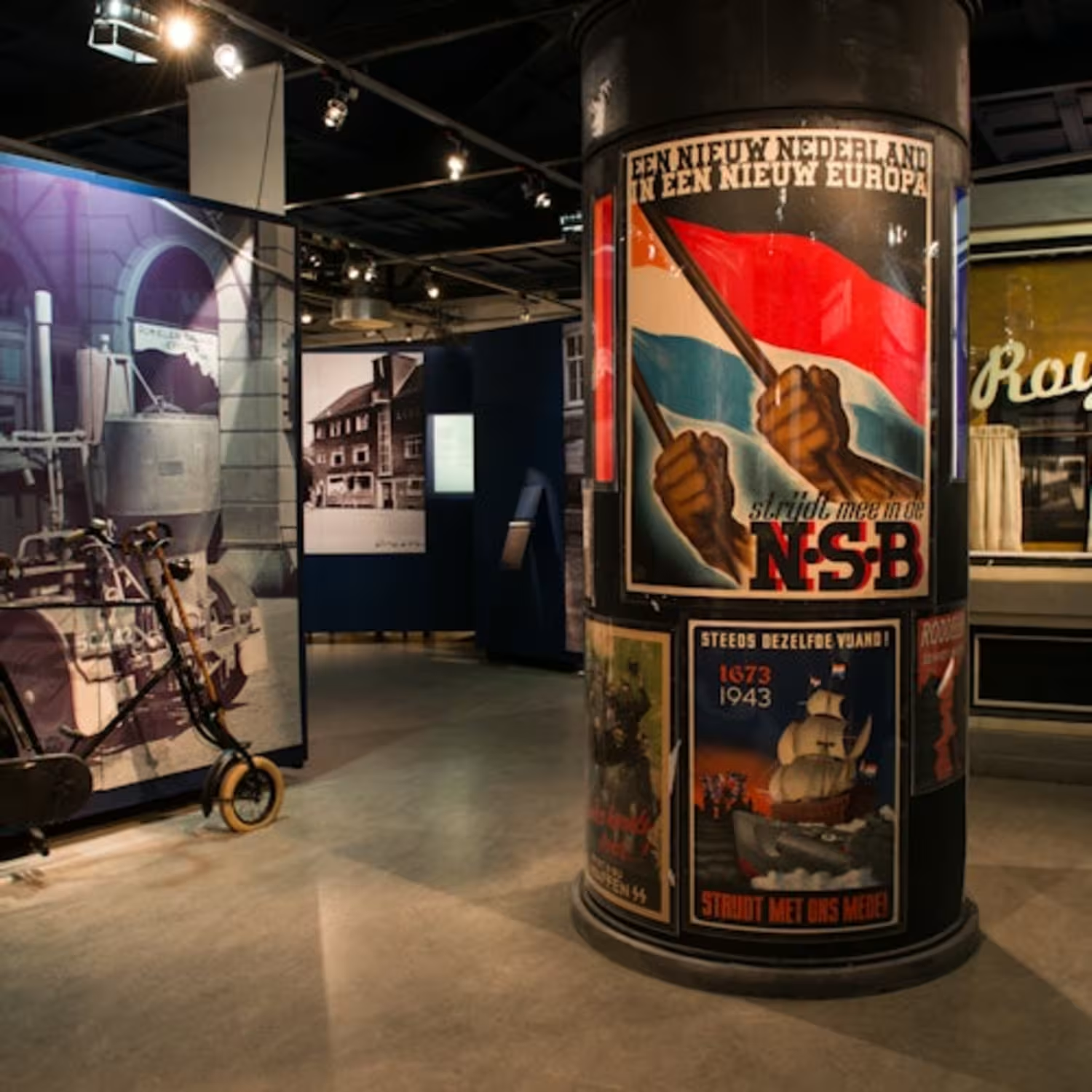
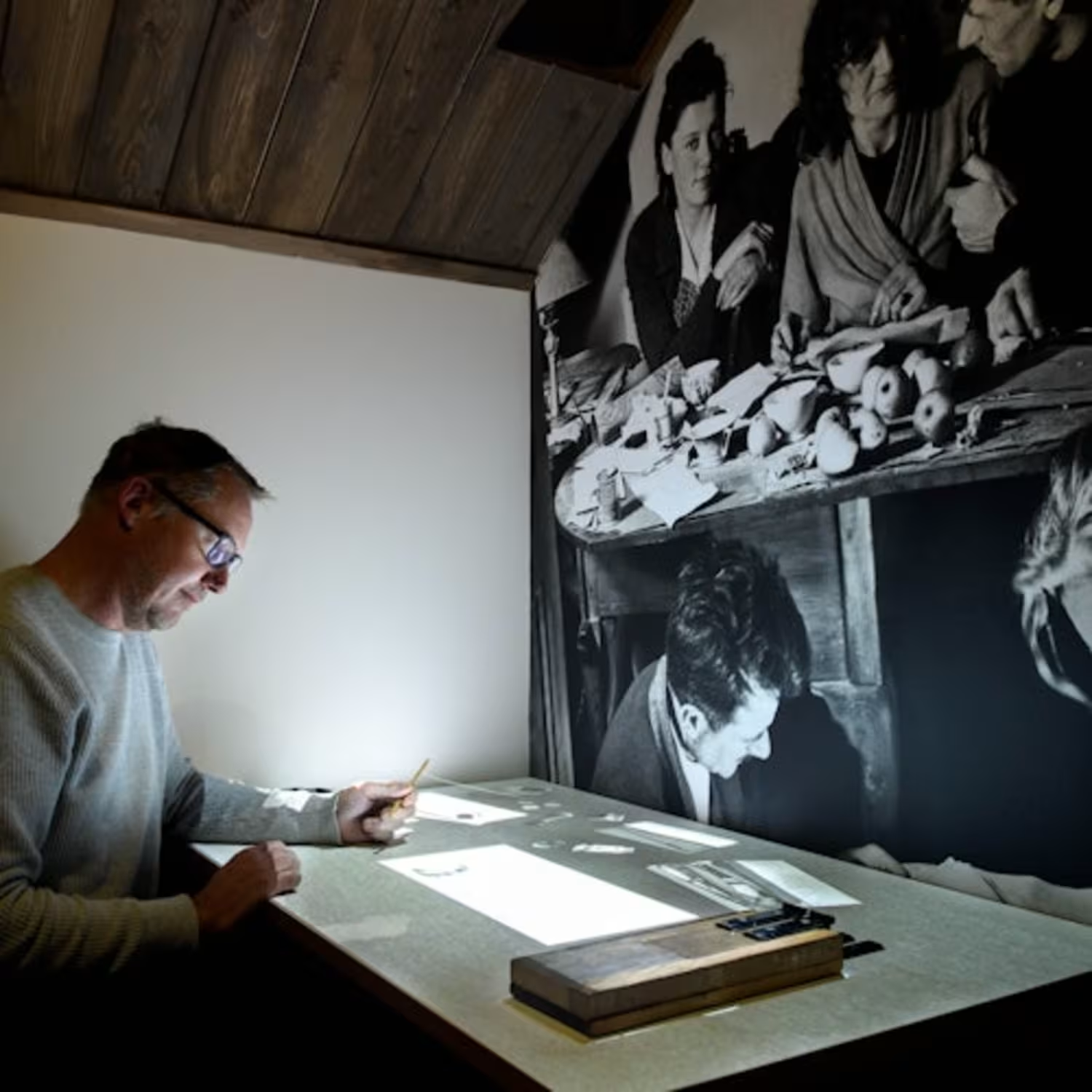
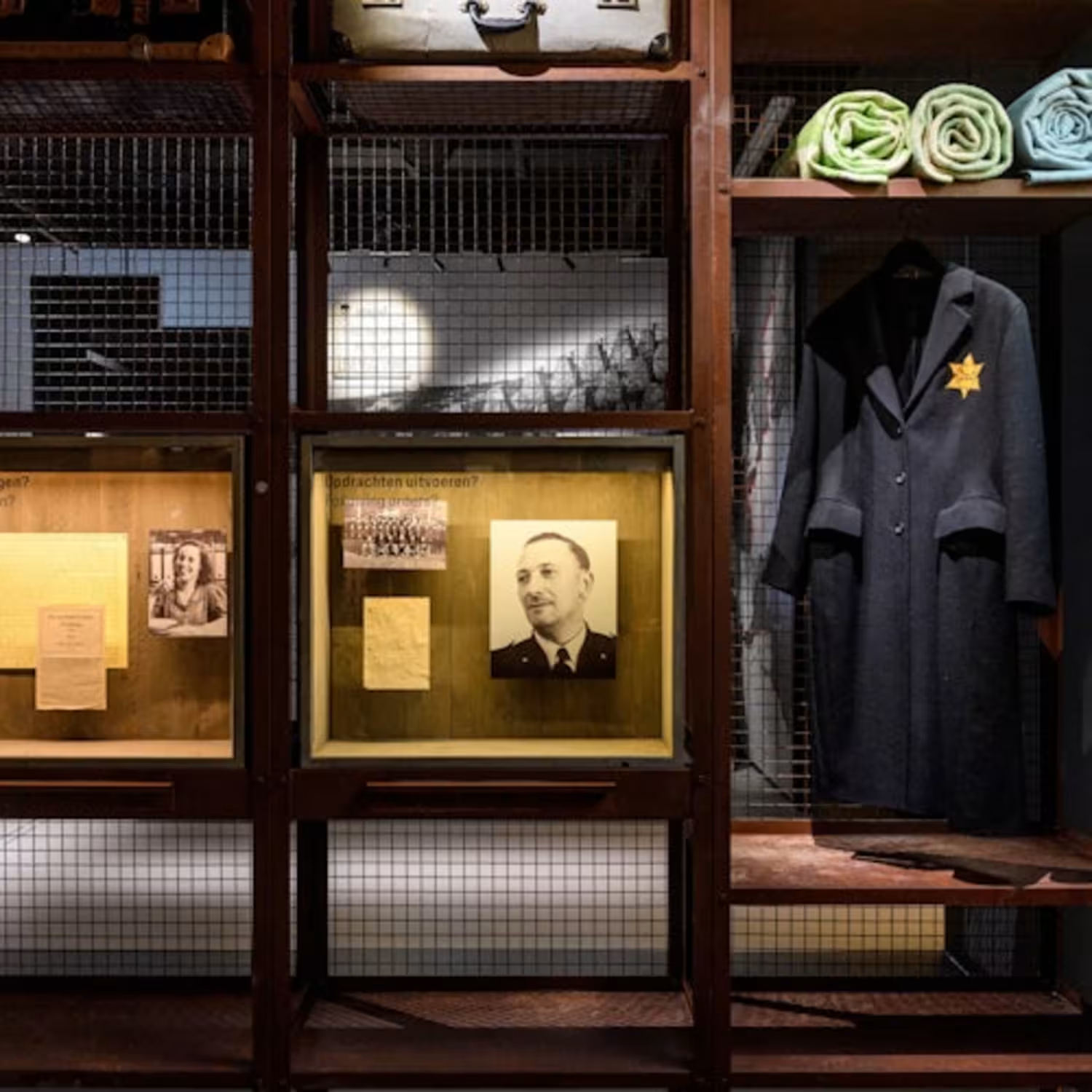
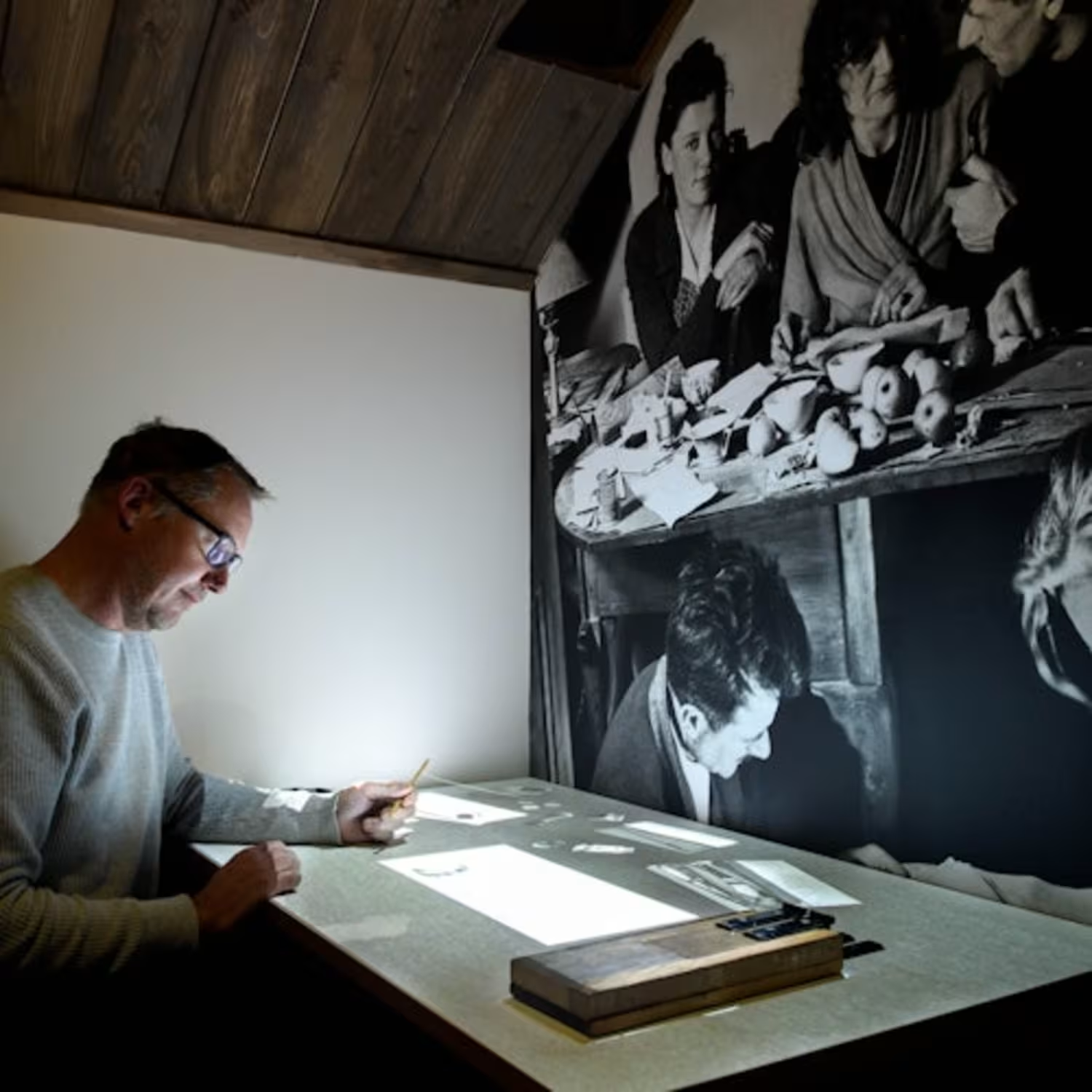
The exhibition is built around 100 personal stories. They cover helping people in hiding, the illegal press and the forging of papers, but also the everyday adjustments, compromises and collaboration that were part of life under occupation. The theme running through it is tolerance, freedom and democracy, and what it takes to defend them. Much of what you see comes from the museum's own collection, which began with objects gathered by former resistance fighters and other citizens to show daily life and resistance under the occupation. The free audio guide adds context in English, Dutch, French, German, Italian, Portuguese and Spanish.

The former Dutch colonies: from the war to independence

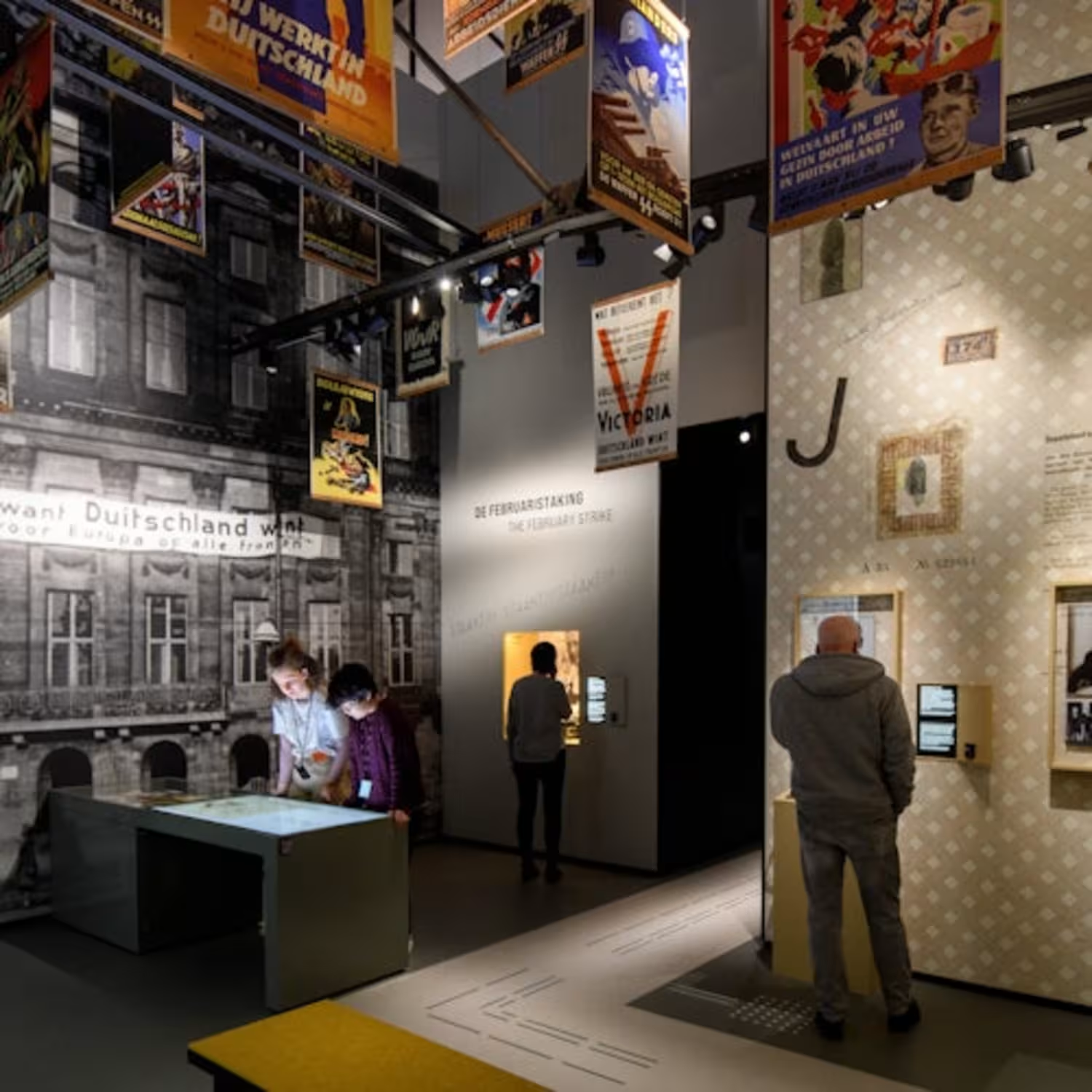
Dutch Resistance Museum visit in Amsterdam

The second permanent exhibition looks beyond the Netherlands to the former Dutch colonies, following the story from the Second World War to independence. It covers war, exploitation, activism and the struggle for independence, a part of the history that is less familiar to many visitors from abroad.

The museum's historical background also takes in the experience of Surinam and the Caribbean Netherlands and of Moroccans in the Second World War, and the rescue of Jewish children from deportation. Allow time for this second exhibition rather than treating it as an extra.

The Resistance Museum Junior for children

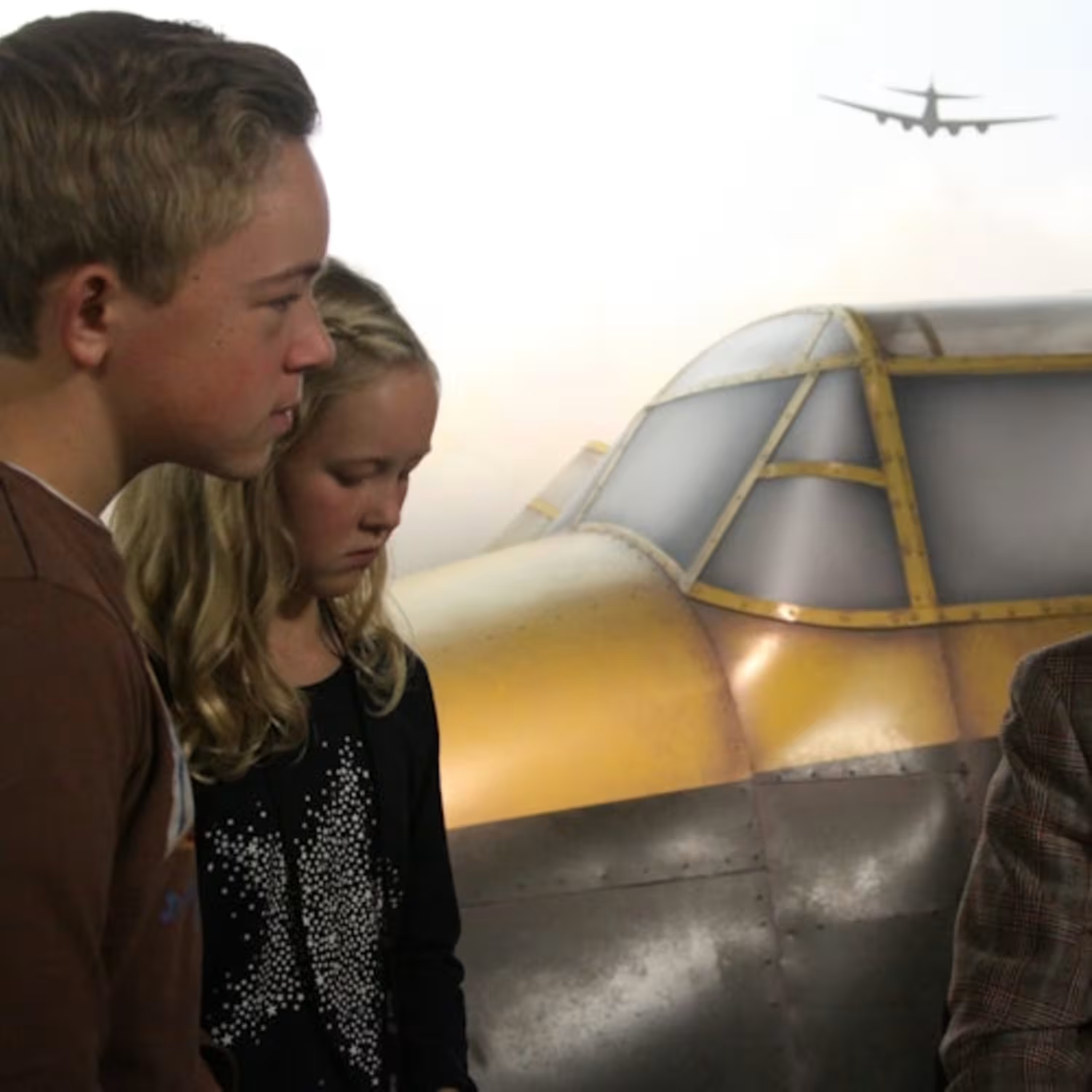
Resistance Museum Junior, Amsterdam

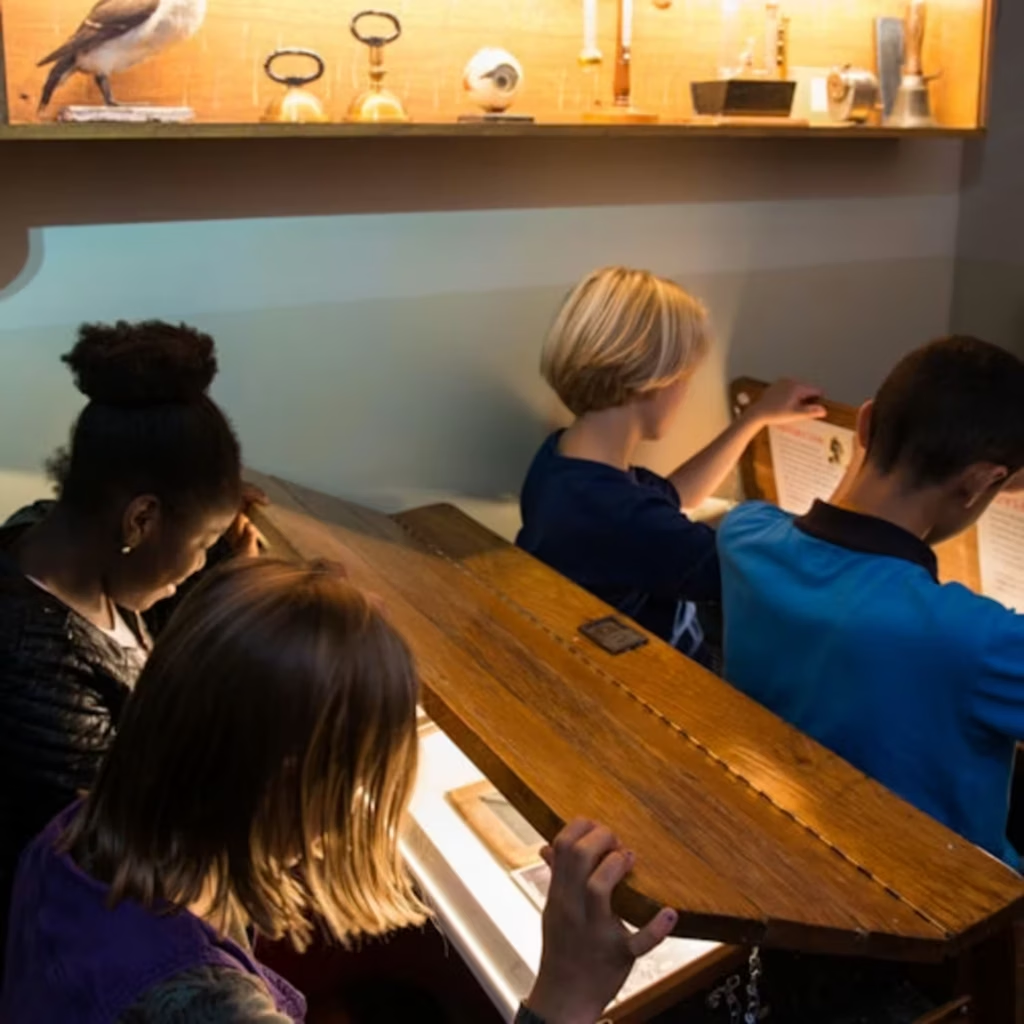
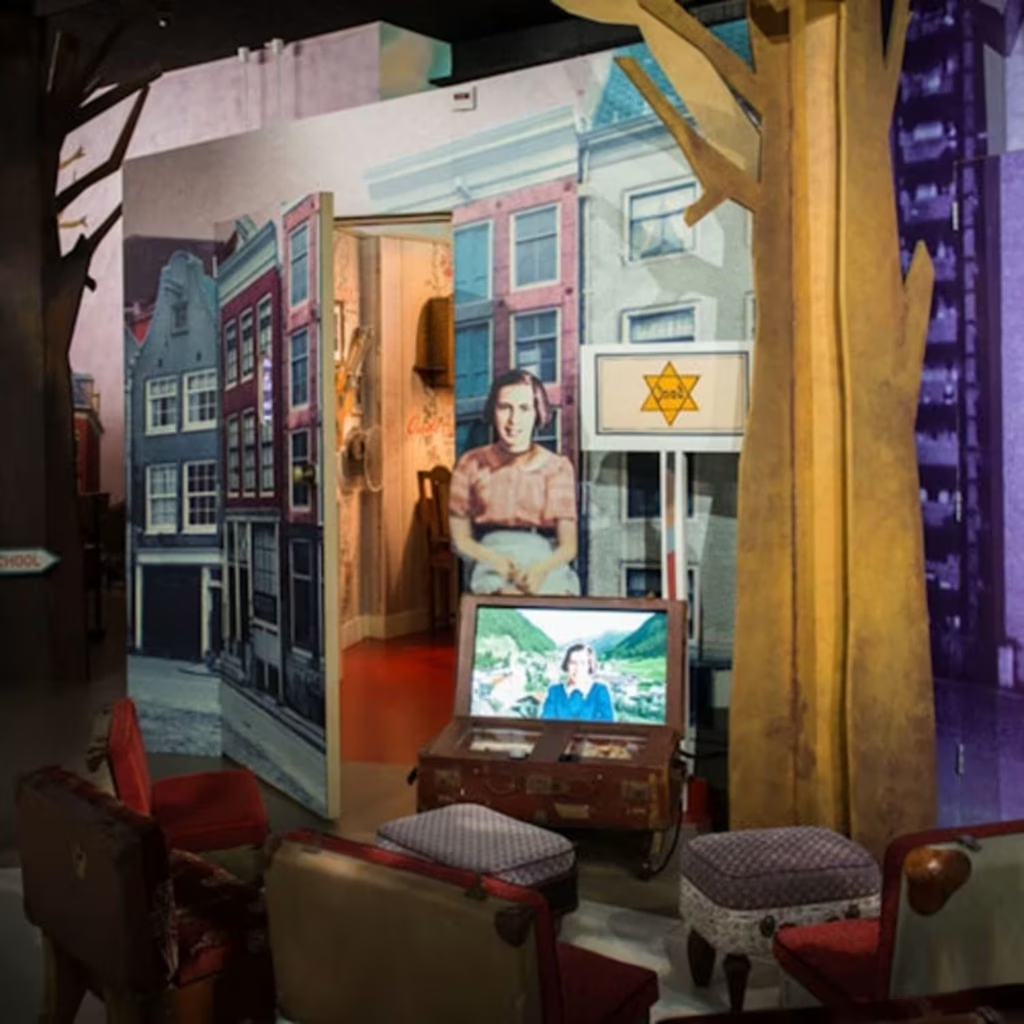
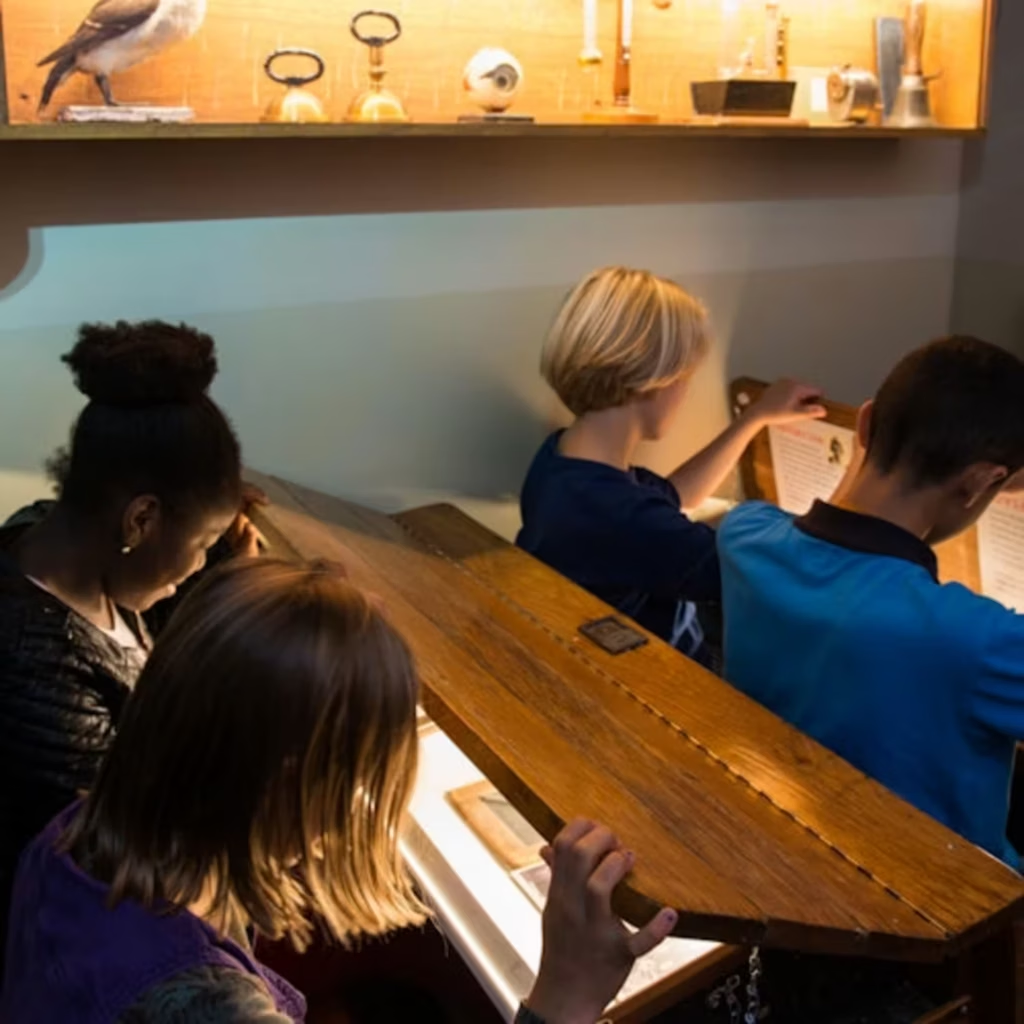
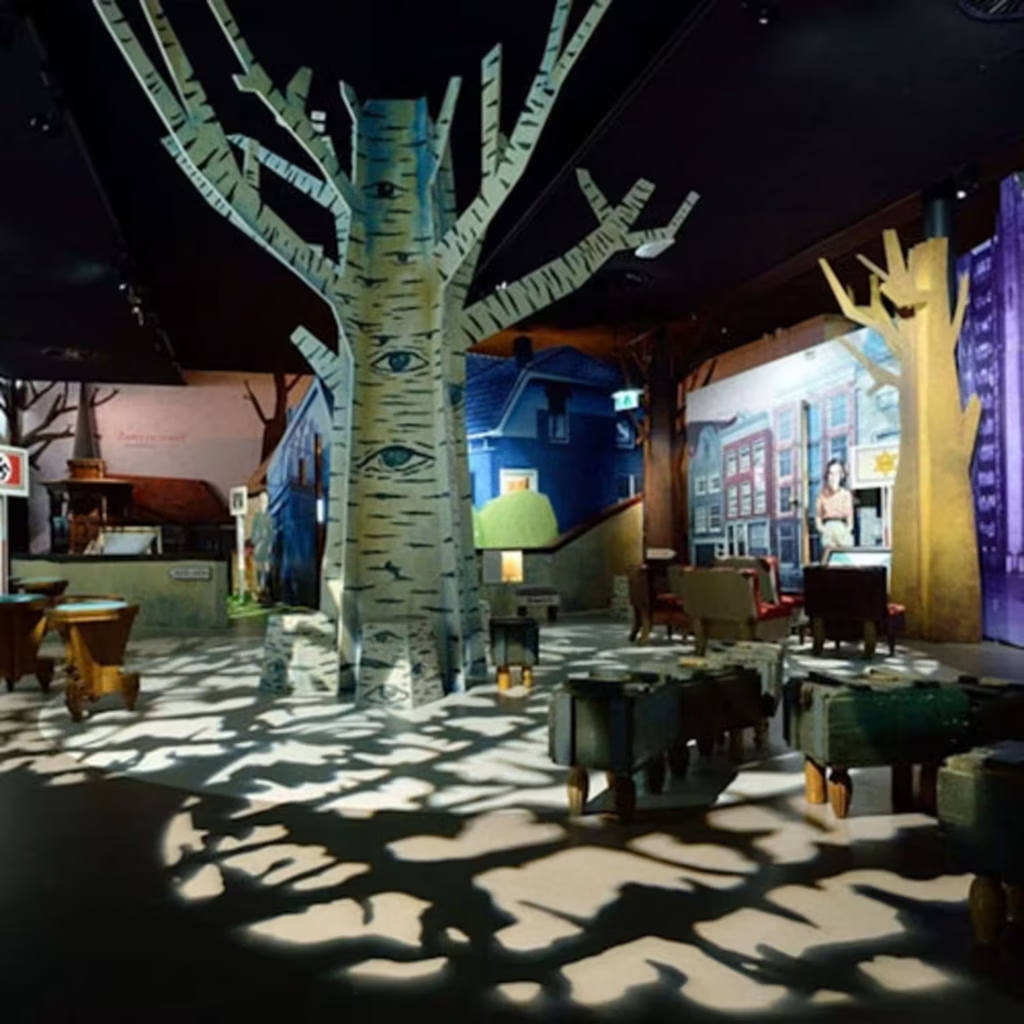
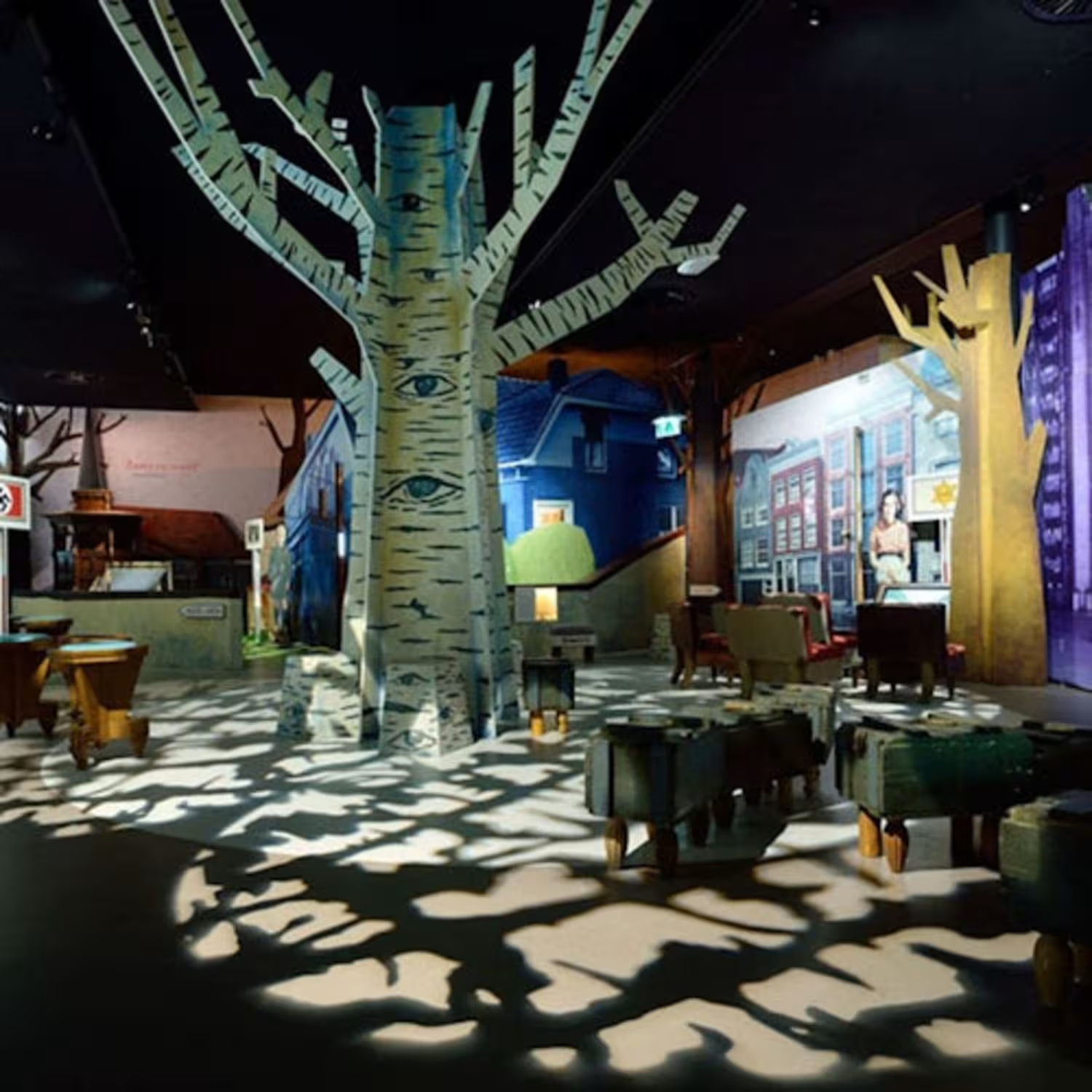
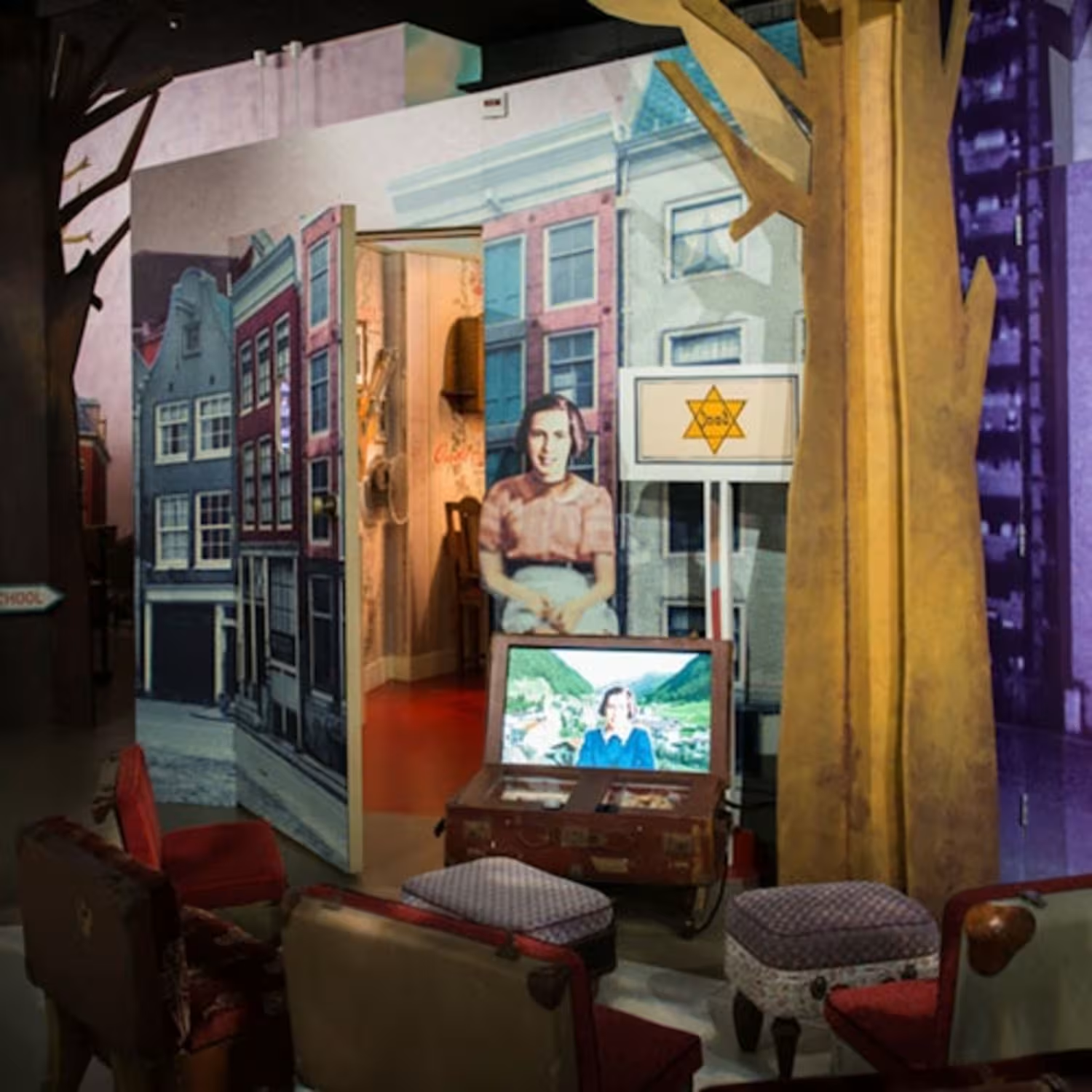
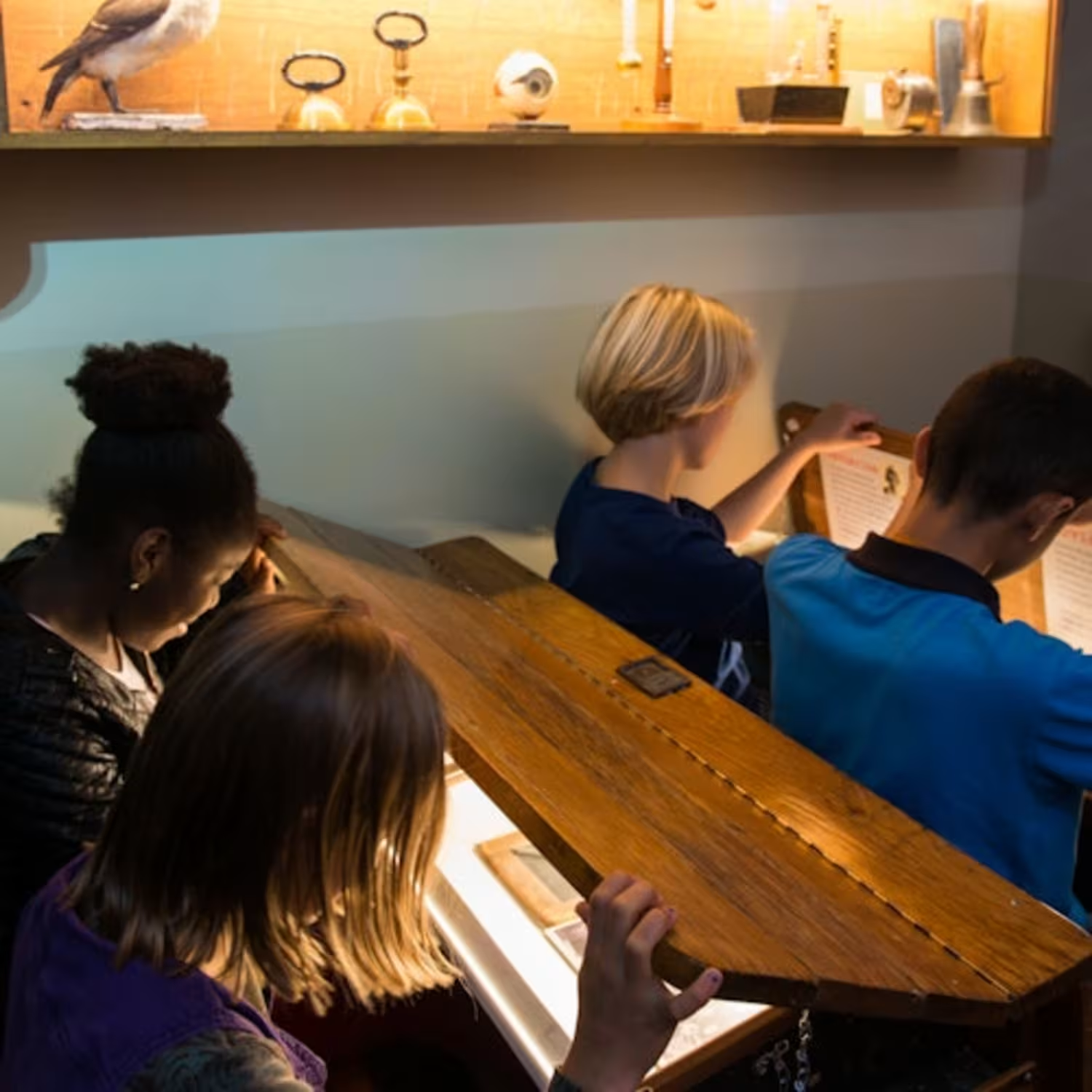
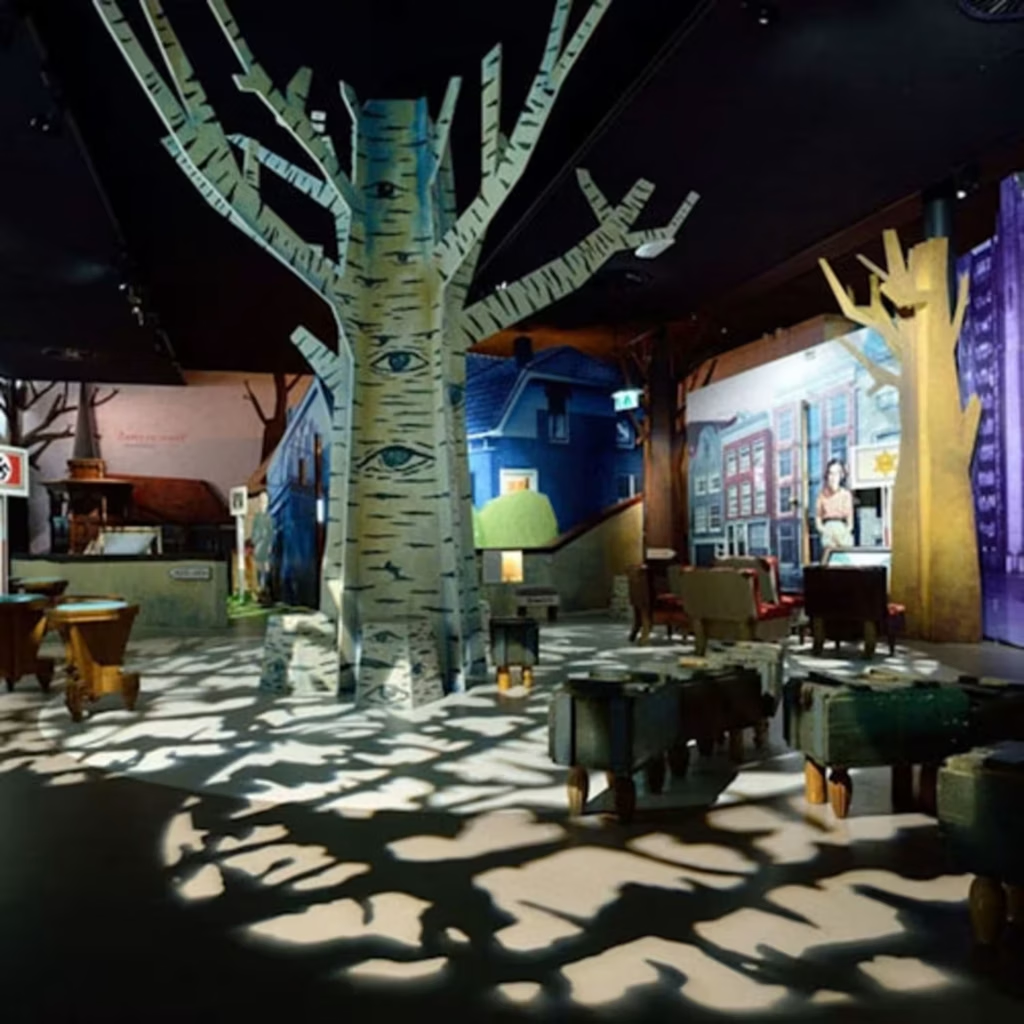
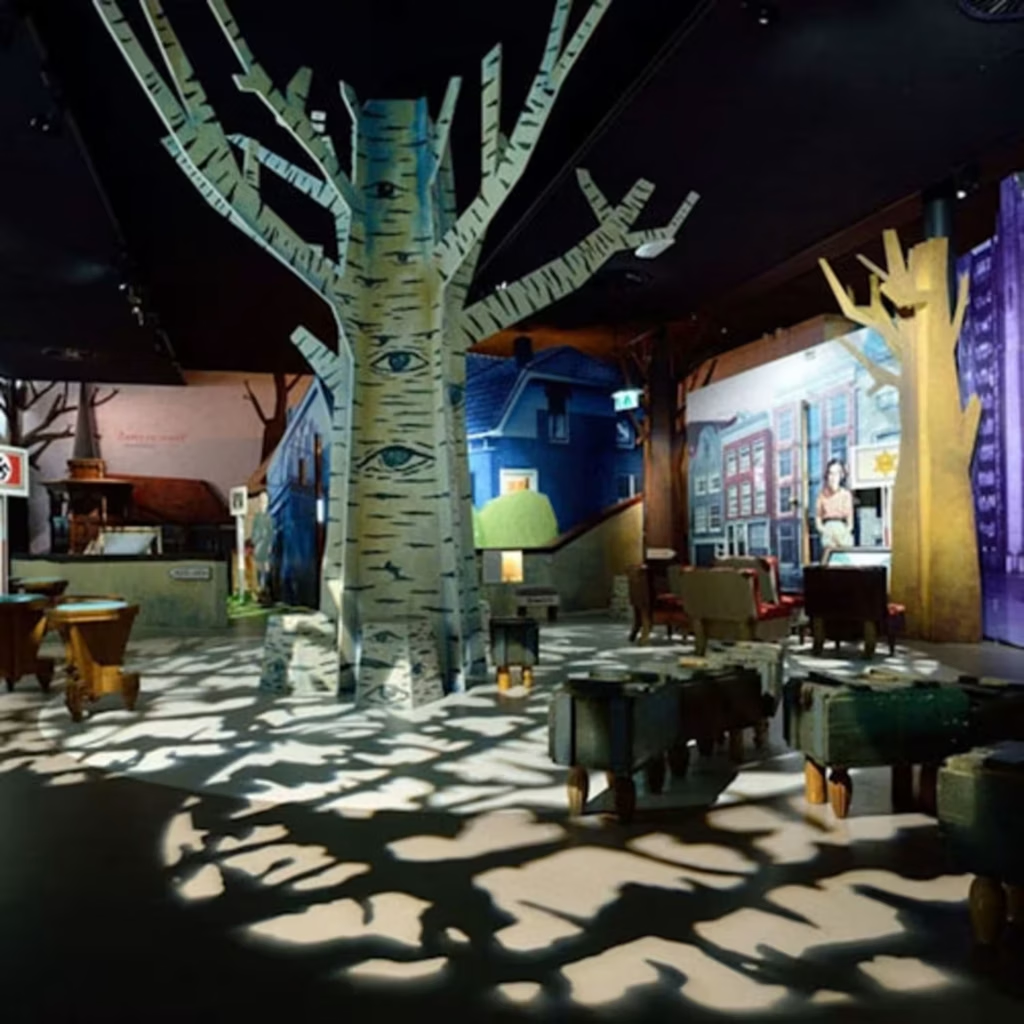
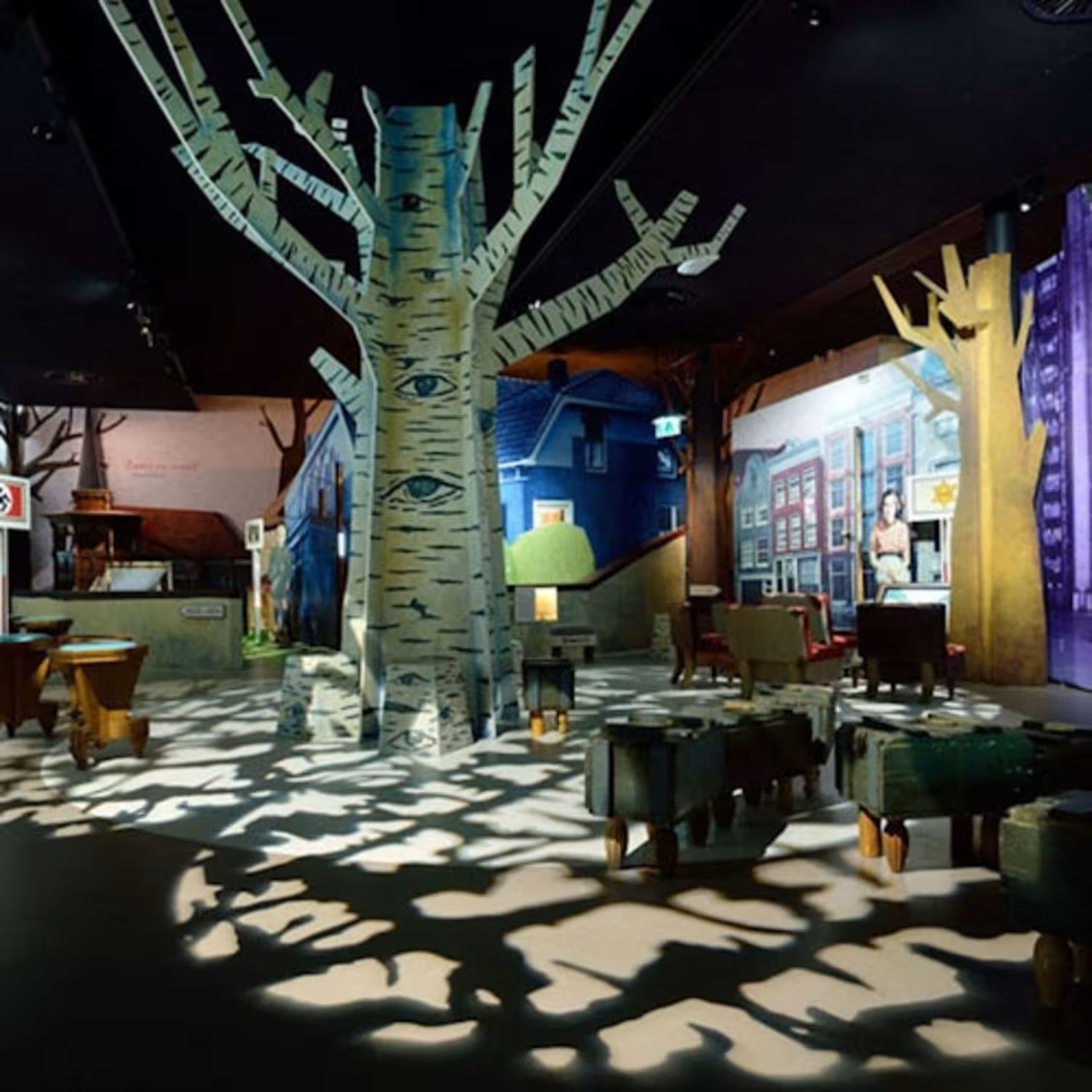
The Resistance Museum Junior was the first children's museum about the Second World War in the Netherlands. It tells the war through four real eyewitnesses who were between 9 and 14 years old at the time, the same age as the children it is made for. Eva was Jewish. Jan's parents were in the resistance. Nelly was part of a Dutch Nazi youth group. Henk came from a family that adapted to the new conditions.

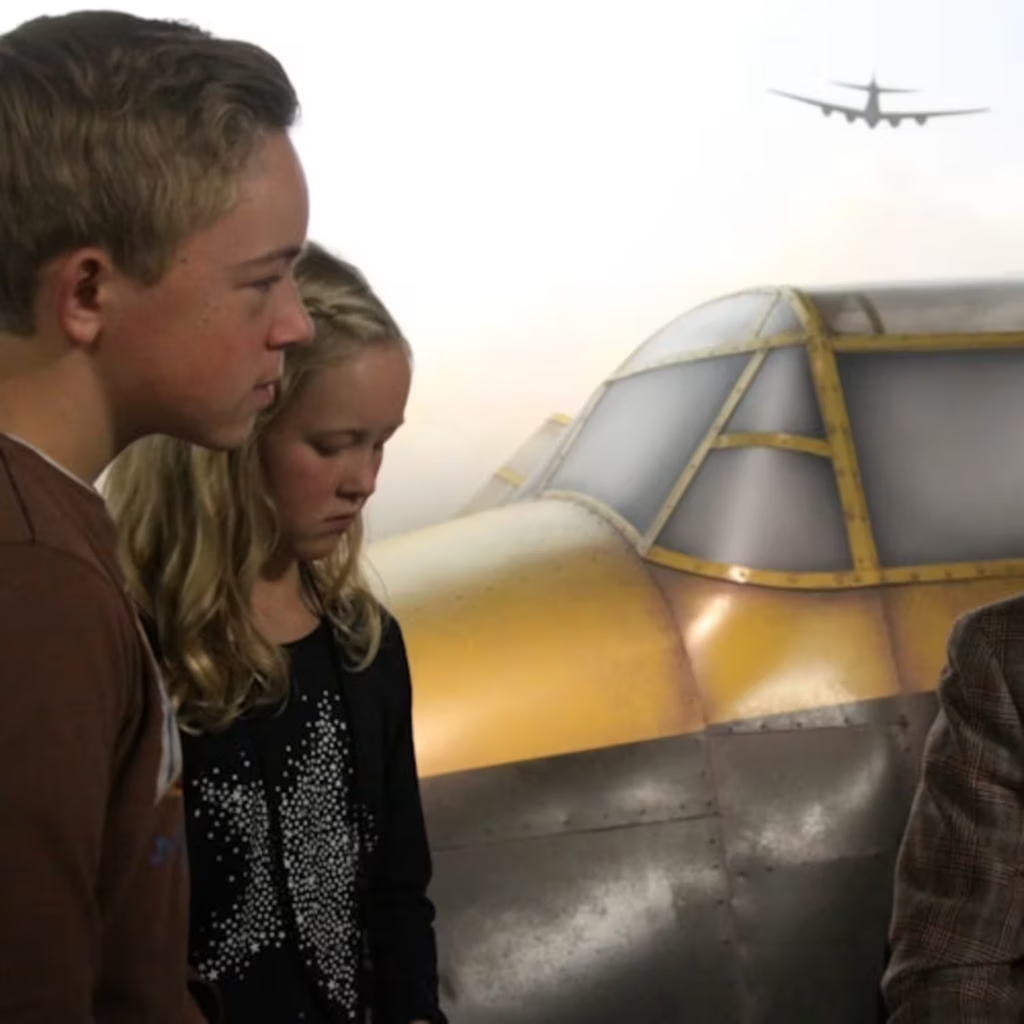
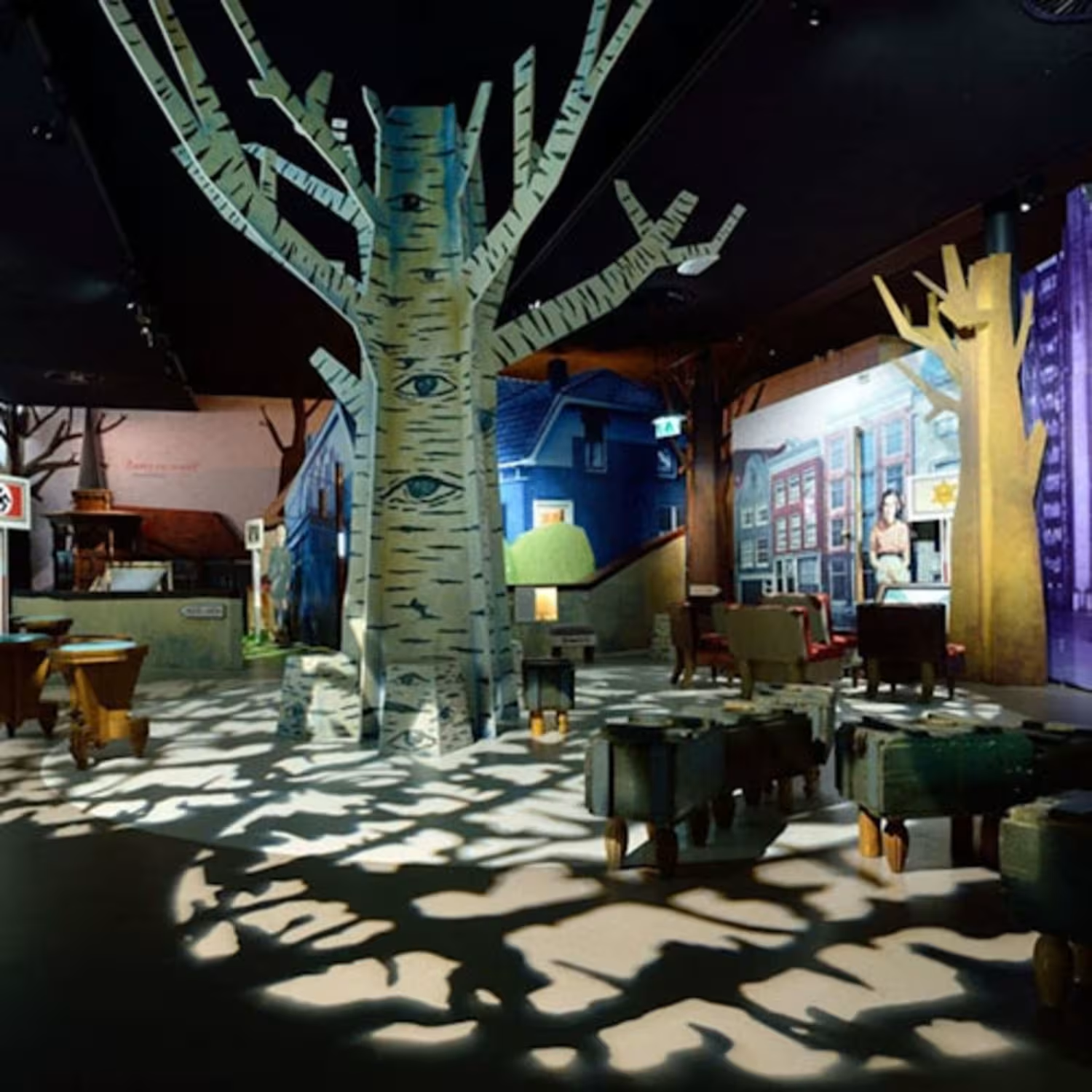
Children enter through a time machine that takes them to the start of the war and come out on a square in the occupied Netherlands, where they visit four houses to learn about each child. A crashed plane lets them travel to the former Dutch colonies and hear the stories of children there. The visit ends with the liberation and an interactive interview in which the four protagonists talk about their lives after the war and what war means for children today. Themes are resistance, collaboration, persecution and adapting to daily life under occupation.

A museum in the Plancius building

Plancius building, home of the Dutch Resistance Museum

The museum opened on 19 November 1985 in a former synagogue in the south of Amsterdam. In 1999 it moved to a larger building in the city centre: Plancius, on Plantage Kerklaan, built by the Jewish community in 1876.

Alongside the permanent exhibitions, the museum runs about five changing exhibitions a year, and it keeps a collection, an archive and a library. It also publishes background on each phase of the war in the Netherlands, from the 1930s through the periods May 1940 to February 1941, March 1941 to April 1943, April 1943 to June 1944 and June 1944 to May 1945, which is a useful way to prepare before you go.

Access, languages and visiting rules

The museum has a wheelchair-accessible entrance, wide passageways and an accessible toilet.

A hearing loop, audio description and Braille material are available, and service dogs are allowed.

The audio guide is free in English, Dutch, French, German, Italian, Portuguese and Spanish.

The museum is open daily from 10:00 to 17:00; on 26 December it opens from 11:00 to 17:00.

It is closed on 1 January and 25 December.

Tickets can be booked online in advance.

Quick tips before you go

Start with the main exhibition, then continue to the former Dutch colonies.

With children aged about 9 to 14, plan time for the Resistance Museum Junior.

Pick up the audio guide in your language at the start.

Check which changing exhibition is on when you visit.

Combine the visit with other museums in the Plantage district.

Read the museum's short history of each phase of the war before you go.

Combine the Dutch Resistance Museum with more of Amsterdam

The Verzetsmuseum is one of many museums in Amsterdam. The National Holocaust Museum in the same district tells the story of the persecution of Jews in the Netherlands, and the Royal Palace Amsterdam shows the city in its Golden Age. When you are ready, choose your entry on the Verzetsmuseum ticket page.

Dutch Resistance Museum: FAQs

What is the Verzetsmuseum?

The Verzetsmuseum, or Dutch Resistance Museum, tells the story of the German occupation of the Netherlands from 1940 to 1945 and of the people who resisted it.

What are the permanent exhibitions?

The Netherlands in the Second World War, the former Dutch colonies from the war to independence, and the Resistance Museum Junior for children.

How is the main exhibition told?

Through 100 personal stories about hiding people, the illegal press, forged papers and daily life under occupation.

Is the Verzetsmuseum suitable for children?

Yes. The Resistance Museum Junior follows four children aged 9 to 14 during the war: Eva, Jan, Nelly and Henk.

When did the museum open?

On 19 November 1985. It moved to the Plancius building in 1999.

What is the Plancius building?

A building on Plantage Kerklaan built by the Jewish community in 1876, home to the museum since 1999.

Is there an audio guide?

Yes, free in English, Dutch, French, German, Italian, Portuguese and Spanish.

What are the opening hours?

Daily from 10:00 to 17:00. It opens from 11:00 on 26 December and is closed on 1 January and 25 December.

Is the museum wheelchair accessible?

The entrance is wheelchair accessible, with wide passageways and an accessible toilet.

Are there temporary exhibitions?

Yes, about five changing exhibitions a year.

Where is the Dutch Resistance Museum?

At Plantage Kerklaan 61, in the Plantage district of Amsterdam.

About this guide

Sources: Verzetsmuseum Amsterdam, Visit and exhibitions; I amsterdam, Resistance Museum (Verzetsmuseum Amsterdam); I amsterdam, The Resistance Museum Junior; Memorial Museums, Dutch Resistance Museum.