We are processing your request.
Please, don’t close or refresh the page.
Amsterdam Tickets Stedelijk Museum Collection Guide
Stedelijk Museum on Museumplein, Amsterdam

Stedelijk Museum Collection: What to See

A guide to the collection of Amsterdam's museum of modern and contemporary art and design: the three presentations from 1880 to today, the works to look for, the building and practical tips.

The Stedelijk Museum is Amsterdam's museum of modern and contemporary art and design, and its collection is the reason to go. Almost 90,000 objects cover painting, sculpture, design, photography and more, from around 1880 to the present day, and a large selection is on permanent view in three chronological presentations. That makes the museum easy to plan: you can walk through art history in order, from Mondriaan and Malevich to Warhol and Kusama and on to artists working now. This guide explains how the collection is laid out, which works to look for in each presentation, how the old and new buildings fit together and what to know about tours, bags and accessibility. For transport and timings, see our Stedelijk Museum visitor guide.

Stedelijk Museum: A mecca of modern art masterpieces

Highlights

Explore one of the most significant collections of 20th and 21st-century art.

Discover pieces from acclaimed artists such as Van Gogh, Mondrian, and Warhol.

Experience exhibitions that connect art with cultural and societal themes.

Enjoy free audio guides available in English and Dutch.

Benefit from wheelchair accessibility throughout the museum.
Stedelijk Museum collection: key facts

The collection holds almost 90,000 objects of modern and contemporary art and design.

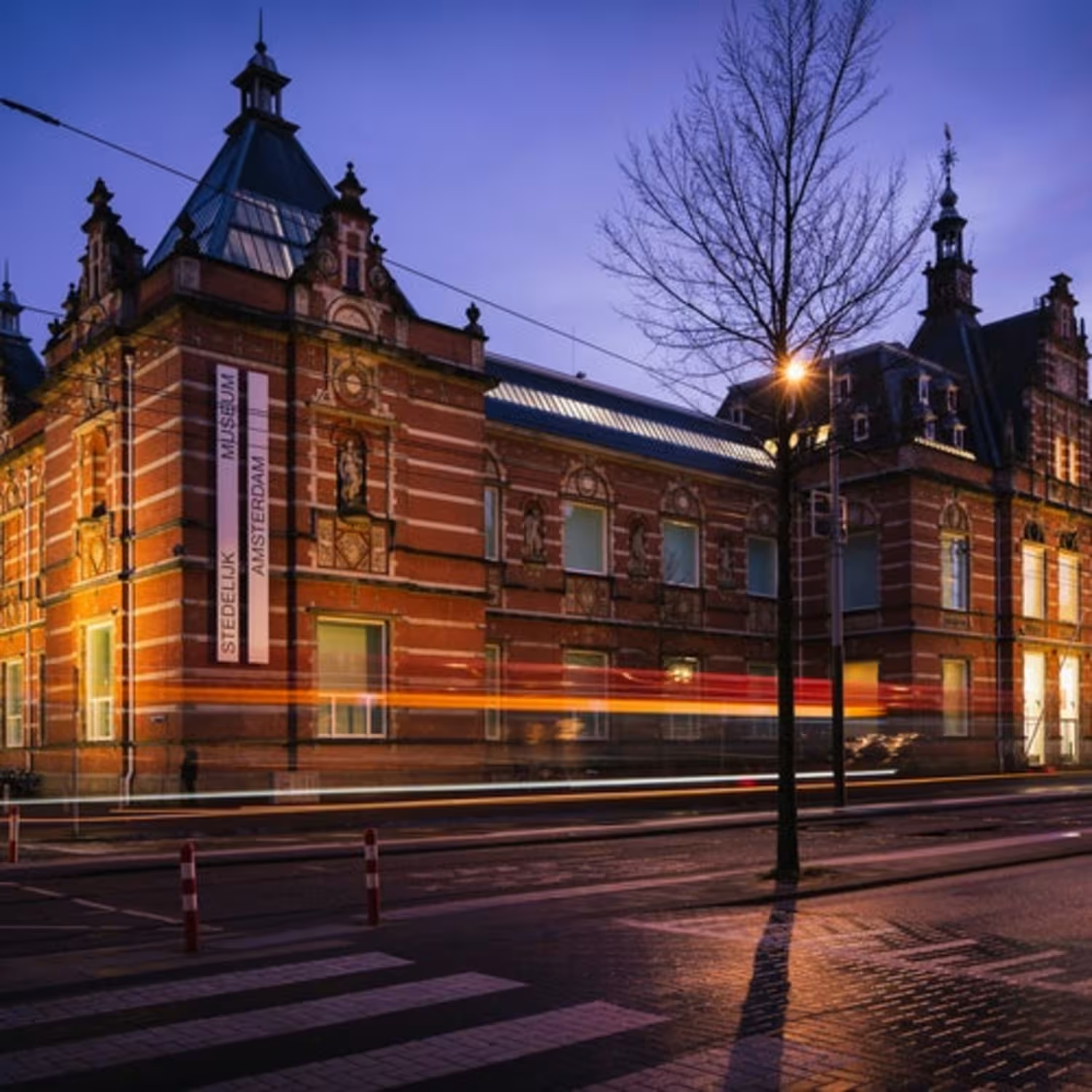
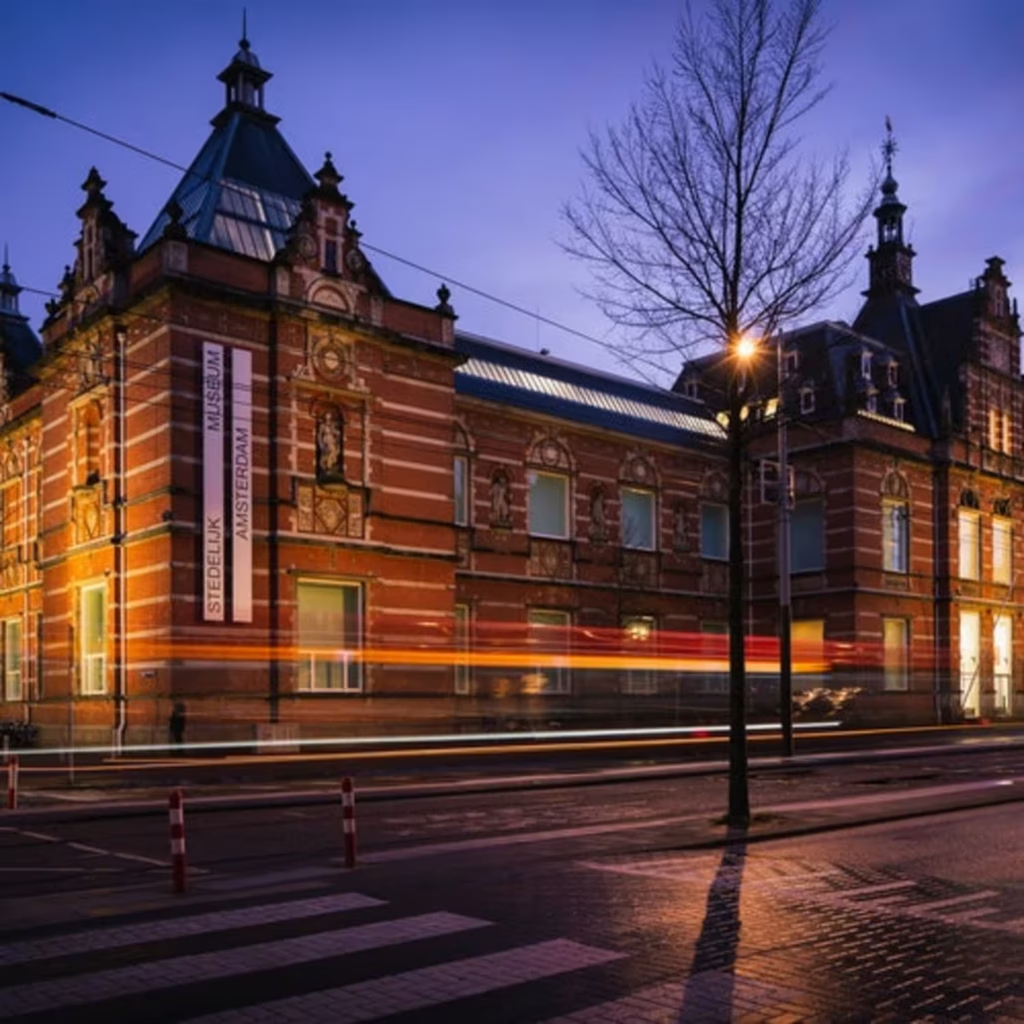
The museum opened on 14 September 1895 in a building by Adriaan Willem Weissman.

The new wing by Benthem Crouwel Architects, nicknamed the Bathtub, opened on 23 September 2012.

The collection is shown in three presentations: until 1950, 1950 to 1980 and 1980 to now.

Yesterday Today alone shows more than 300 works from about 1880 to 1950.

The museum is open daily from 10:00 to 18:00, 365 days a year.

Yesterday Today: the collection until 1950

Stedelijk Museum Amsterdam, modern art collection

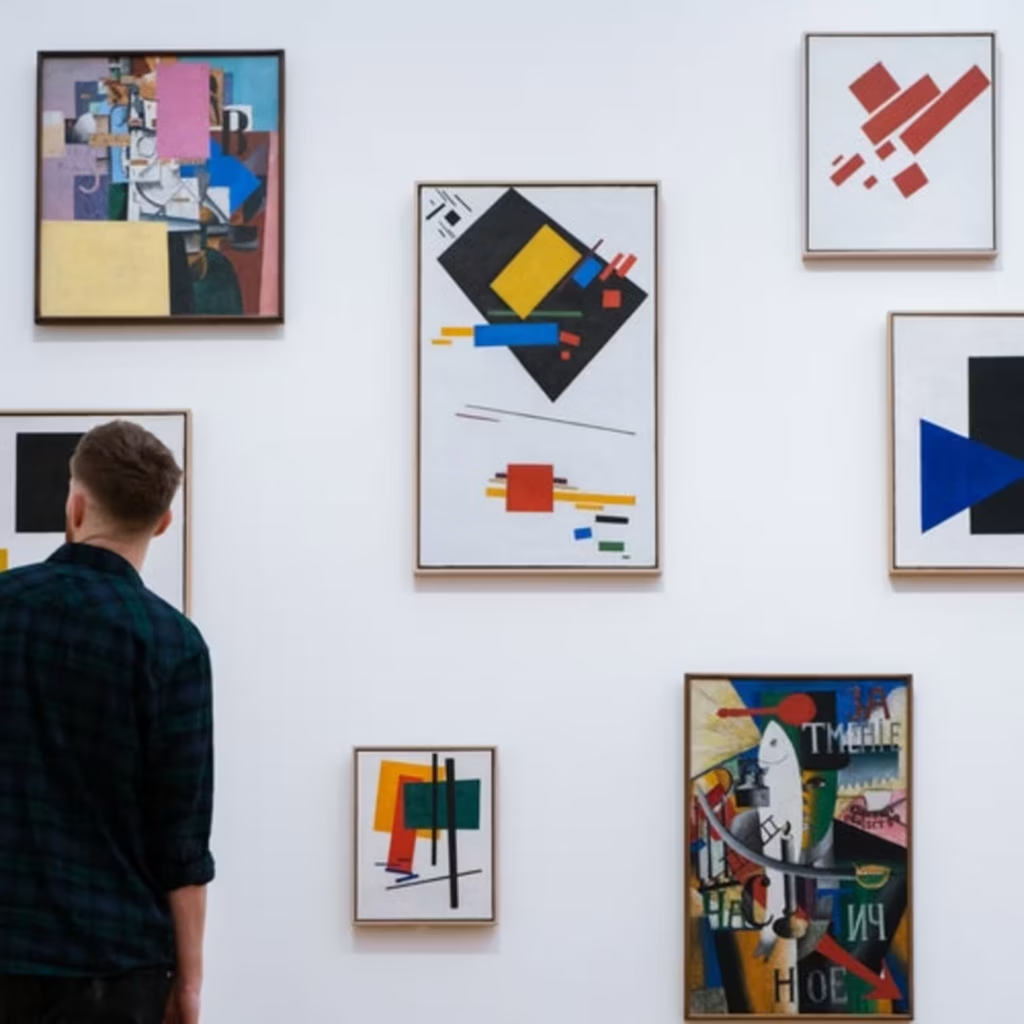
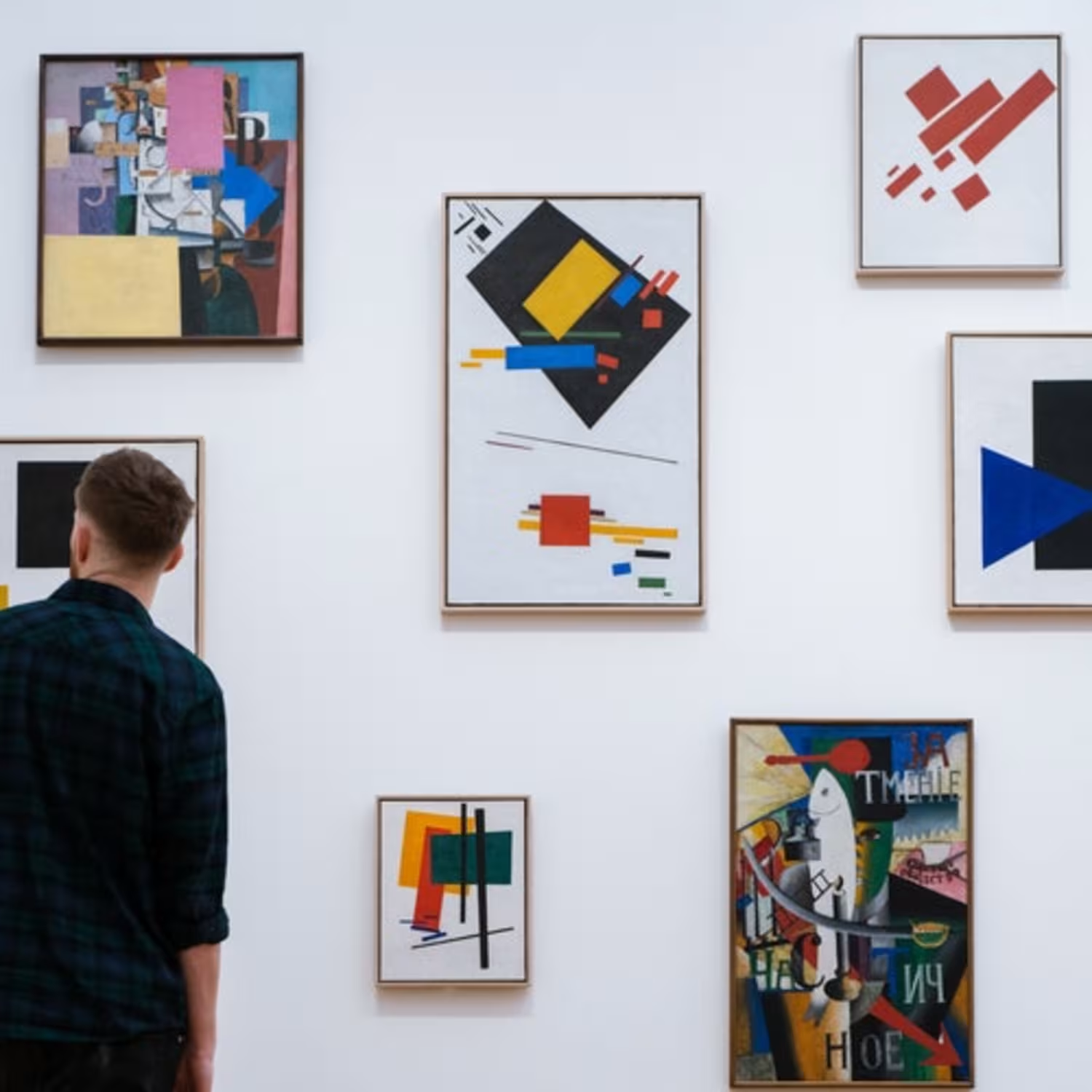
The first presentation, Yesterday Today, covers art and design from about 1880 to 1950 in more than 300 works. It moves through the movements that shaped modern art and design in Europe: the Amsterdam School, Functionalism, De Stijl, the Bauhaus and CoBrA, and the Russian avant-garde around Kazimir Malevich and Olga Rozanova. Artists include Piet Mondriaan, Charley Toorop, Gerrit Rietveld and Marlow Moss.

Malevich is a highlight, with works including An Englishman in Moscow (1914) and Supremus no. 50 (1915). Look also for Mondriaan's Composition with Blue, Yellow, Red, Black and Gray (1922), Ernst Ludwig Kirchner's Tanzende (1911) and Karel Appel's Questioning Children (1949), a key work of CoBrA. Design is shown alongside painting throughout, so the movements are told through objects as well as canvases.

Everyday, Someday and Other Stories: 1950 to 1980

Gallery at the Stedelijk Museum, Amsterdam

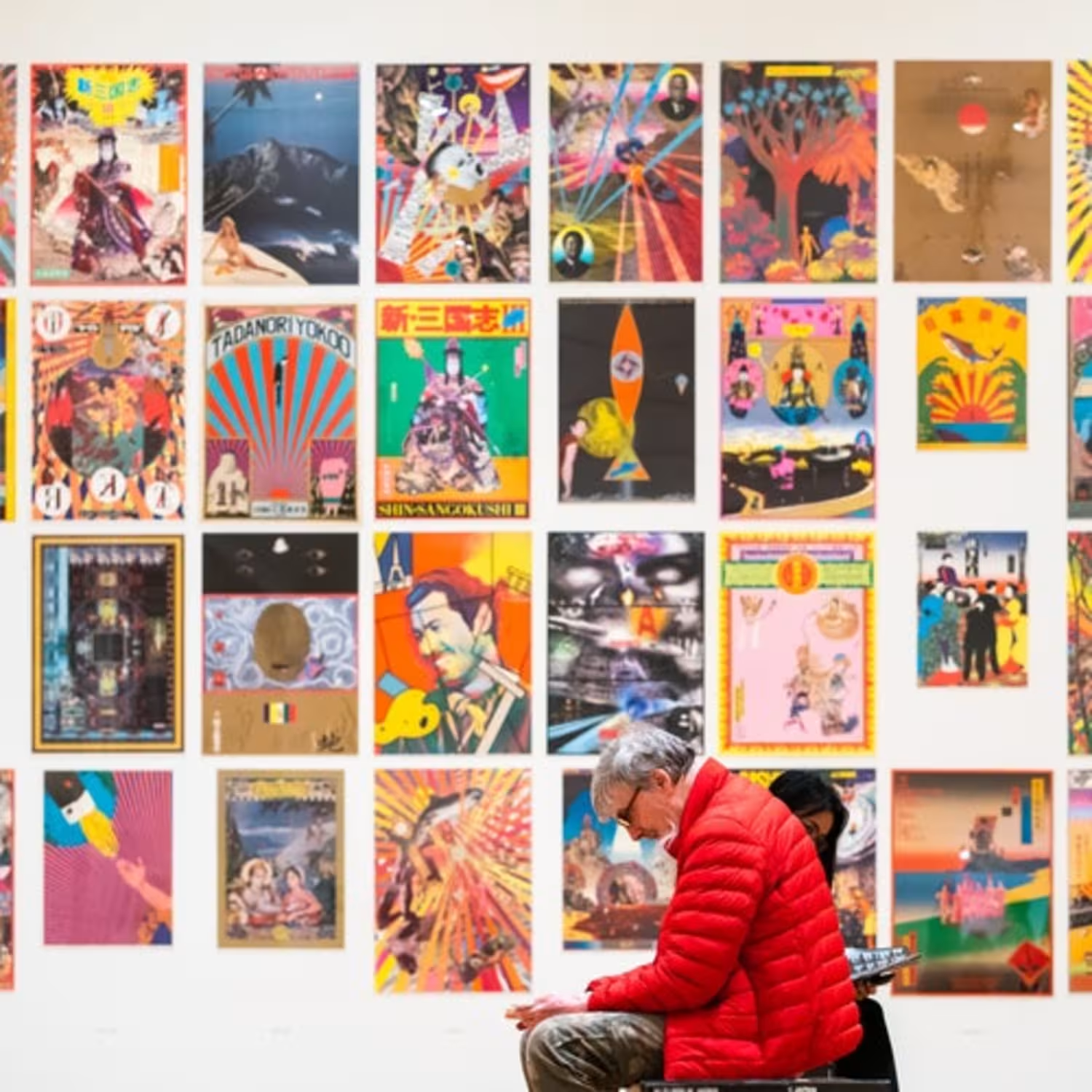
The second presentation, Everyday, Someday and Other Stories, follows art and design from the 1950s to the 1980s. It covers the new possibilities of the post-war years, mass and pop culture, consumption and the artists who criticised the established order. Names include Andy Warhol, Roy Lichtenstein, Barnett Newman, Yayoi Kusama, Ettore Sottsass and Armand Baag.

Works to look for include Yayoi Kusama's Aggregation: One Thousand Boats Show (1963), Barnett Newman's Cathedra (1951), Roy Lichtenstein's As I Opened Fire (1964), Martial Raysse's Peinture à haute tension and a Mark Rothko from 1962. Jean Tinguely's Fontaine (1960) shows the playful, mechanical side of the period. The mix of painting, sculpture and design here makes this one of the liveliest parts of the visit, so leave enough time for it.

Tomorrow is a Different Day: 1980 to now

Contemporary art at the Stedelijk Museum

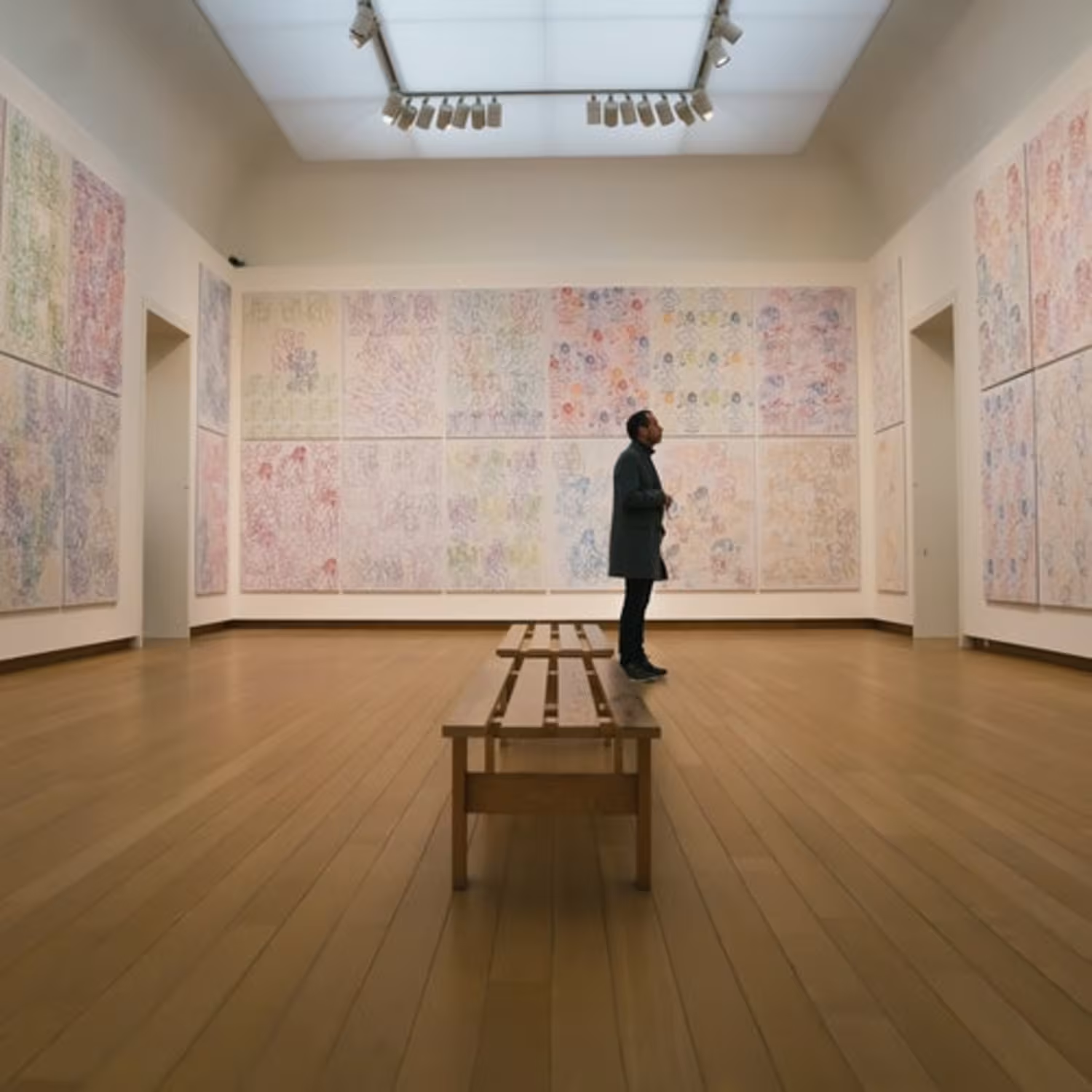
The third presentation, Tomorrow is a Different Day, brings the collection up to the present with international artists and designers from 1980 onwards who challenge the status quo. Artists include Marlene Dumas, Julie Mehretu, Martine Syms, Natasja Kensmil, Igshaan Adams, Carrie Mae Weems, Anne Imhof, Nan Goldin, Steve McQueen and Jeff Koons.

Look for Jeff Koons's Ushering in Banality (1988), Marlene Dumas's Big Artists (1991), Igshaan Adams's Nama stap (2023), Esiri Erheriene-Essi's Barricade (2014) and the ceramics of Harvey Bouterse. Alongside the three collection presentations, the museum runs temporary exhibitions, so check what is on when you plan your day. If you only have an hour, the free digital Essentials tour on your phone takes you to the must-see works across all three presentations.

The building: a Neo-Renaissance museum and the Bathtub

Stedelijk Museum building on Museumplein

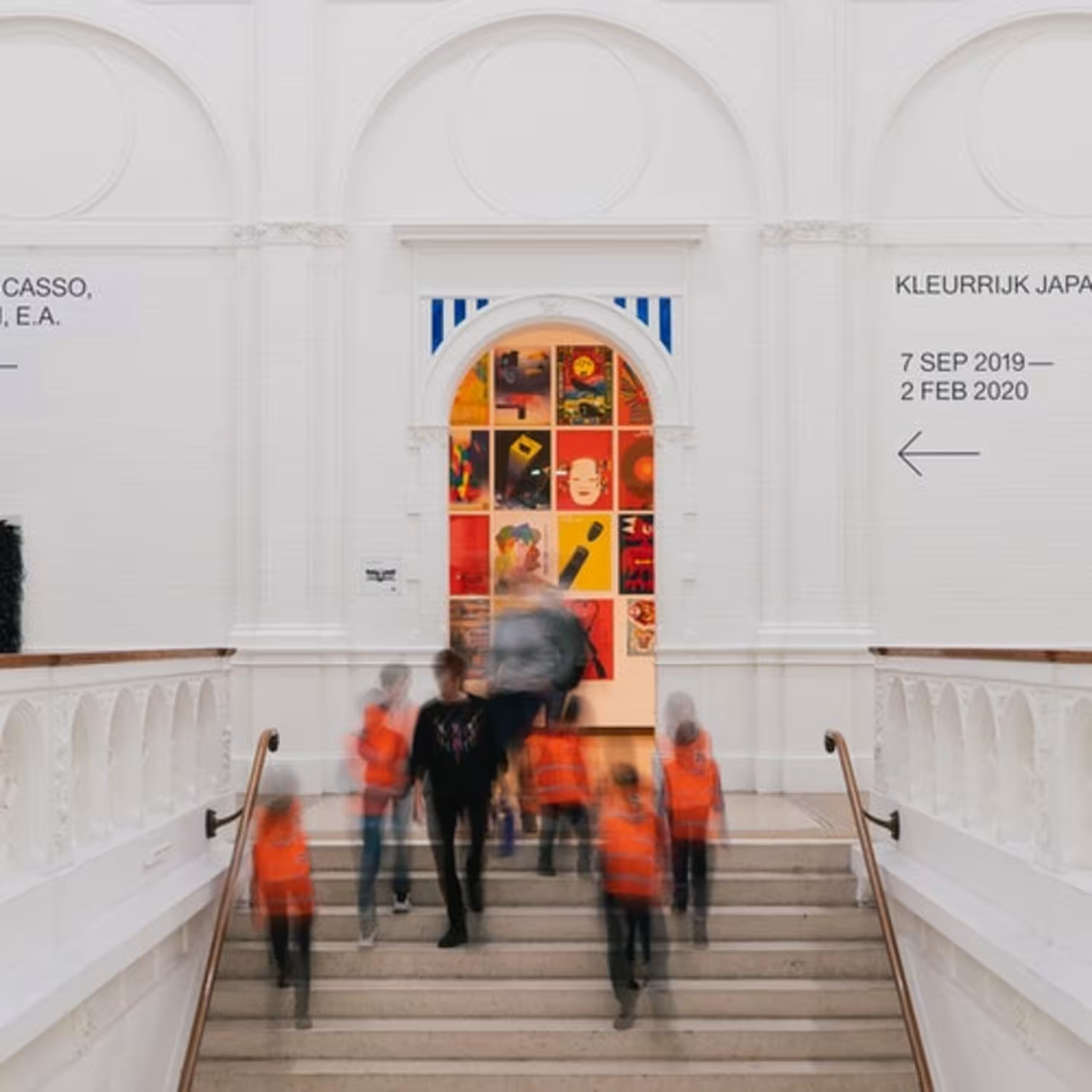
The museum has two faces. The original building, designed by Adriaan Willem Weissman in the Dutch Neo-Renaissance style, was built between 1891 and 1895 on Paulus Potterstraat and opened on 14 September 1895. The collection itself goes back to 1874, when an association was founded to house art donated by Sophia Adriana de Bruyn.

The 21st-century wing by Benthem Crouwel Architects opened with the museum's reopening on 23 September 2012. It is nicknamed the Bathtub, and it stands on Museumplein, near the Van Gogh Museum, the Rijksmuseum and the Concertgebouw. The shop has the same hours as the museum and needs no ticket.

Tours, access and visiting rules

A free digital Essentials tour on your phone covers the must-see works; an audio tour has artists, designers and curators talking about works in each room.

Videos in Dutch Sign Language accompany works on display.

Entry is free for children and young people under 19 under the museum's rules. Check the age bands / ticket options shown when you book.

There are lifts, wheelchair-accessible toilets and wheelchairs to borrow at the information desk; assistance dogs are welcome.

Handbags up to A4 size are allowed in the galleries; large bags, umbrellas, food and drinks go in the lockers.

Photos for personal use are allowed, without flash or selfie sticks; some exhibitions have their own rules.

Quick tips before you go

Follow the presentations in order, from Yesterday Today to Tomorrow is a Different Day.

Use the free Essentials tour if you are short of time.

There is no time limit: you can stay until the museum closes at 18:00.

Enter by 17:45 at the latest.

Fonda Café and Fonda Coffee Bar are open daily from 10:00 to 17:00.

Combine your visit with the other museums on Museumplein.

Combine the Stedelijk with more of Amsterdam

The Stedelijk is one of the great museums in Amsterdam. For photography, Foam is another museum to add to your plans, and the Eye Filmmuseum started life in rooms offered by the Stedelijk in 1952. When you are ready, choose your entry on the Stedelijk Museum ticket page.

Stedelijk Museum collection: FAQs

What kind of art does the Stedelijk show?

Modern and contemporary art and design, from about 1880 to the present, including painting, sculpture, design and more.

How big is the collection?

Almost 90,000 objects. A large selection is on view in three chronological presentations.

What are the three collection presentations?

Yesterday Today (until 1950), Everyday, Someday and Other Stories (1950 to 1980) and Tomorrow is a Different Day (1980 to now).

Does the Stedelijk have works by Malevich?

Yes. Works include An Englishman in Moscow (1914) and Supremus no. 50 (1915), shown in Yesterday Today.

Which famous artists can I see?

Among others, Mondriaan, Malevich, Karel Appel, Warhol, Lichtenstein, Kusama, Barnett Newman, Marlene Dumas and Jeff Koons.

Why is the new wing called the Bathtub?

The wing by Benthem Crouwel Architects that opened in 2012 is nicknamed the Bathtub.

Is there a free tour?

Yes. The digital Essentials tour on your phone is free and covers the must-see works.

How long should I spend at the Stedelijk?

There is no time limit: you can stay until the museum closes at 18:00.

Do children pay?

Entry is free for children and young people under 19 under the museum's rules. Check the age bands when you book.

Can I bring a backpack into the galleries?

Only handbags up to A4 size. Larger bags, umbrellas, food and drinks go in the lockers.

Is the Stedelijk wheelchair accessible?

Yes. There are lifts and accessible toilets, and wheelchairs can be borrowed at the information desk.

About this guide

Sources: Stedelijk Museum Amsterdam, Collection presentations; Stedelijk Museum Amsterdam, Press kit Collection; Stedelijk Museum Amsterdam, Visitor FAQ; Wikipedia, Stedelijk Museum Amsterdam.