We are processing your request.
Please, don’t close or refresh the page.
Amsterdam Tickets Royal Palace Amsterdam Inside The Palace
Royal Palace Amsterdam on Dam Square

Inside the Royal Palace Amsterdam: Rooms and History

A room-by-room guide to the former town hall on Dam Square: the Citizens' Hall and its floor maps, the Tribunal, the Empire furniture of Louis Bonaparte and how to plan a visit around royal events.

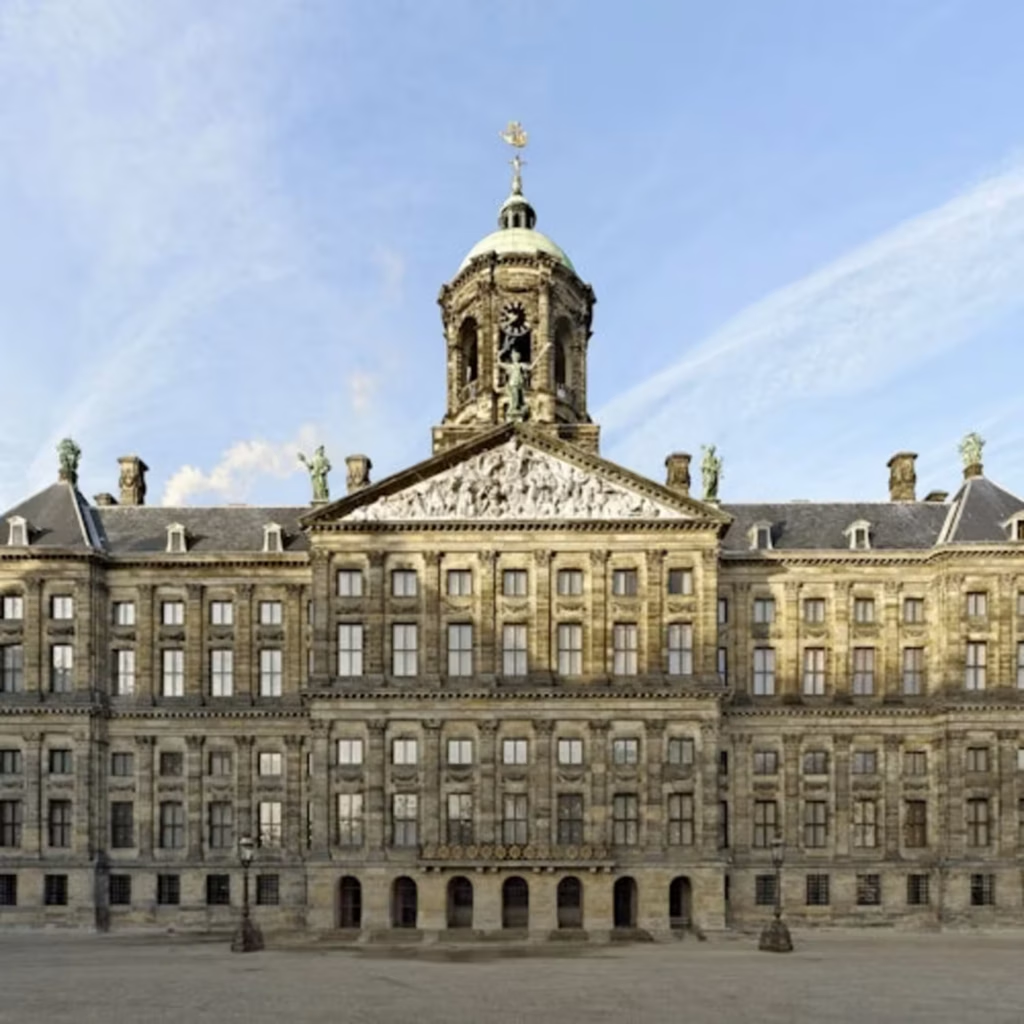
The Royal Palace on Dam Square was never designed as a palace. It was built as Amsterdam's town hall, commissioned in 1648 from the architect Jacob van Campen, and its rooms were decorated to show the power of the city and of the Dutch Republic. It served as the town hall for about 150 years, became a royal palace under Louis Bonaparte in 1808 and is now the King's official reception palace. That double history is what you see inside: marble halls full of civic symbolism, furnished with the Empire pieces of a Napoleonic king. This guide walks you through the rooms on the route, explains what the statues and floor maps mean, and covers the practical side of a visit, from the audio guide and bags to accessibility and the days when the palace is closed. For transport and timings, see our Royal Palace Amsterdam visitor guide.

Royal Palace Amsterdam (Koninklijk Paleis): Entry Ticket + Audio Guide

Highlights

Skip the regular lines to enter quickly.

Discover exquisite artworks, sculptures, and period furnishings.

Explore the palace used for official state events.

Enjoy detailed commentary in eight languages through the audio guide.

Wander through a historic 17th-century building overlooking Dam Square.
Royal Palace Amsterdam: key facts

The building was commissioned in 1648 as Amsterdam's town hall, designed by Jacob van Campen.

It served as the town hall for about 150 years before Louis Bonaparte made it his Royal Palace in 1808.

The Citizens' Hall measures 34 metres long and 25 metres high, with maps of the world and the northern sky set into its floor.

The statue of Atlas carrying the heavens stands about 6 metres tall.

In the Tribunal on the ground floor, death sentences were pronounced on average three to four times a year.

The building became state property in 1936 and is the King's official reception palace today.

From town hall to royal palace

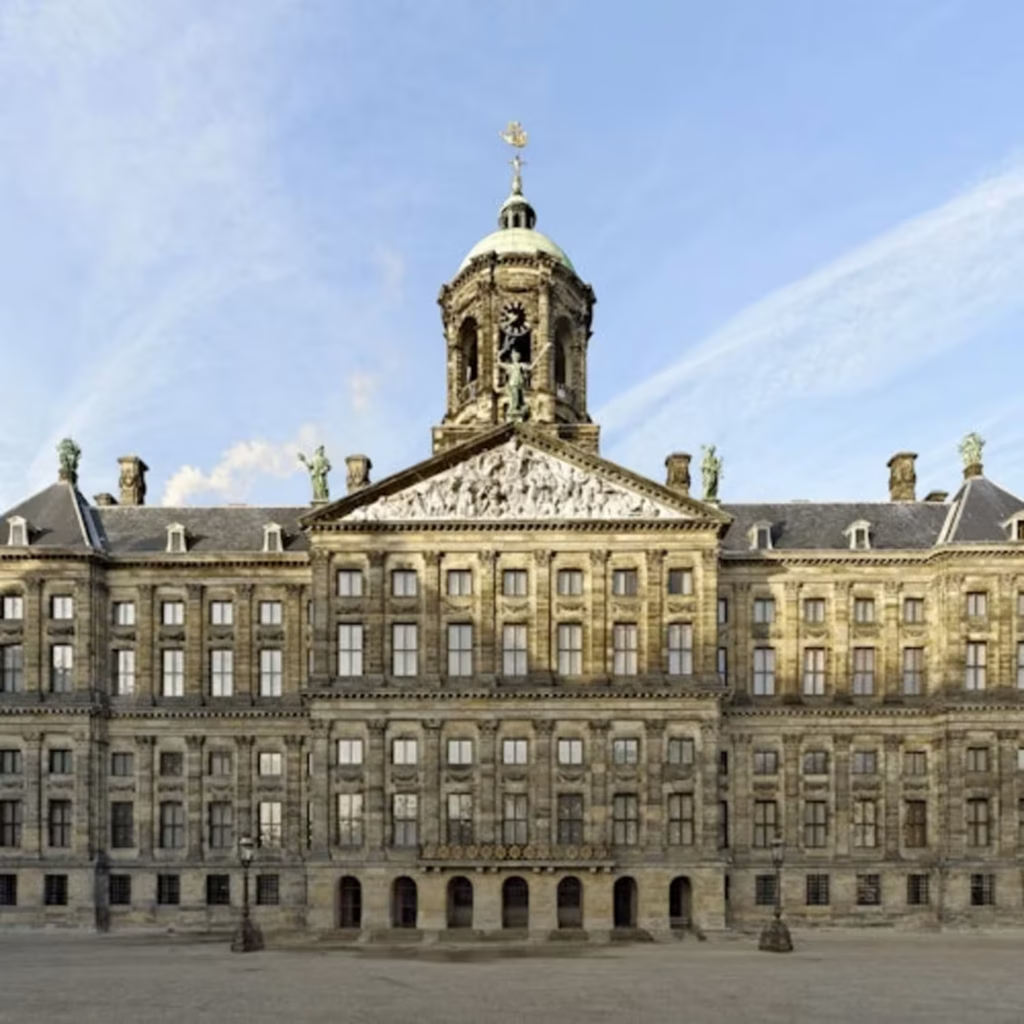
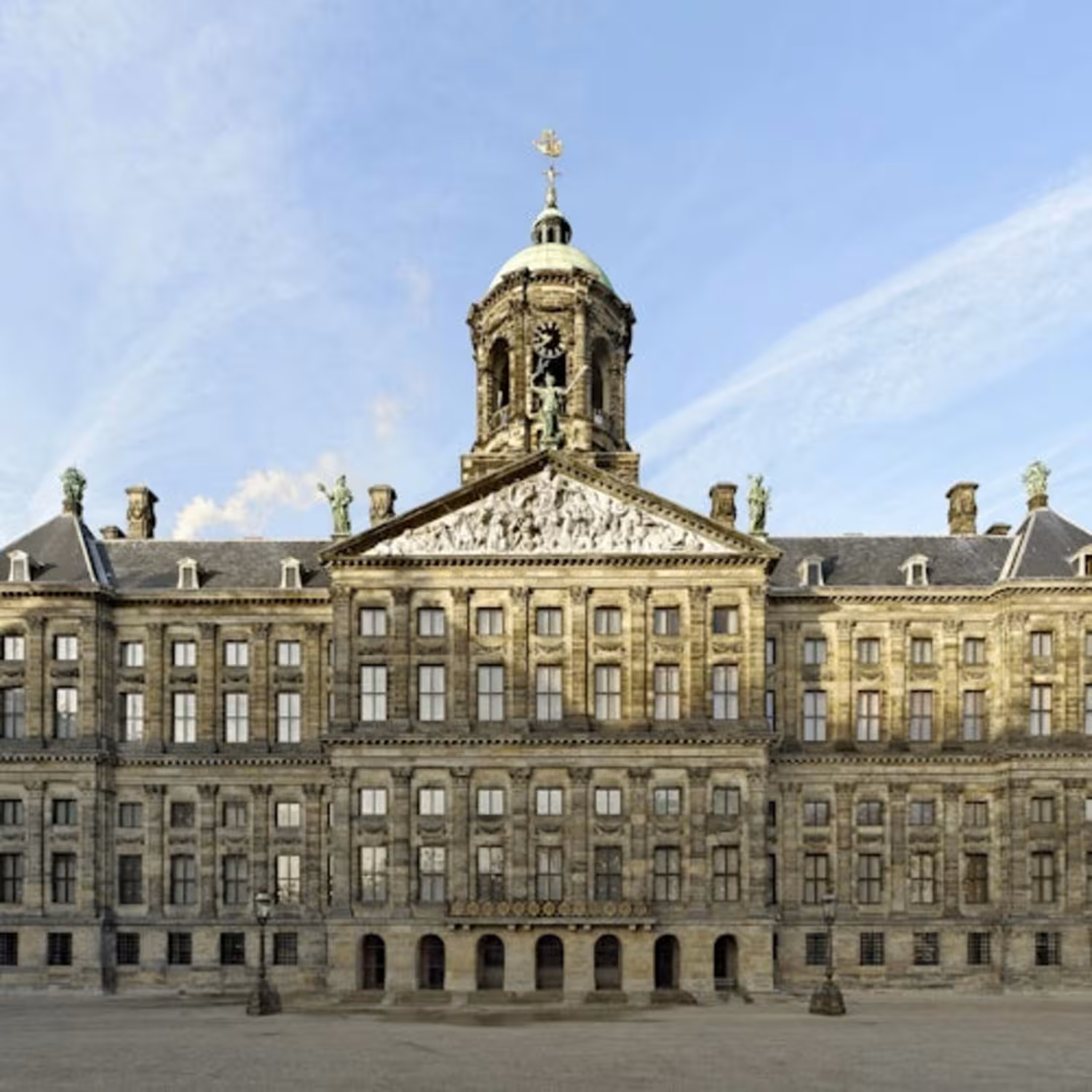
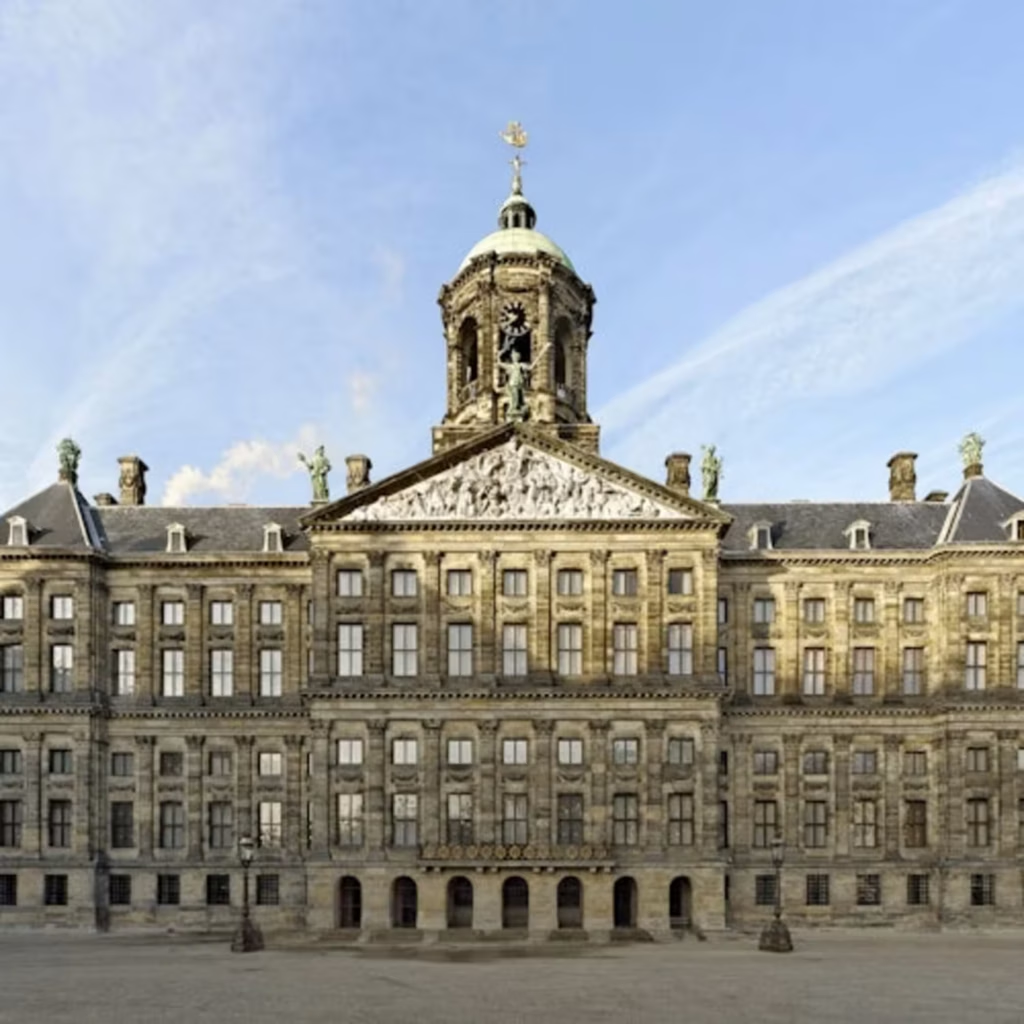
Facade of the Royal Palace Amsterdam on Dam Square

In 1648 the burgomasters and magistrates of Amsterdam gave the commission for a new town hall to Jacob van Campen, an architect who also worked on Huis ten Bosch and Noordeinde Palace in The Hague. Sculptors and painters then spent years decorating the interior, and the message was clear: Amsterdam was rich, powerful and at the centre of the world. Paintings by Govert Flinck and Ferdinand Bol, both pupils of Rembrandt, still hang in the building.

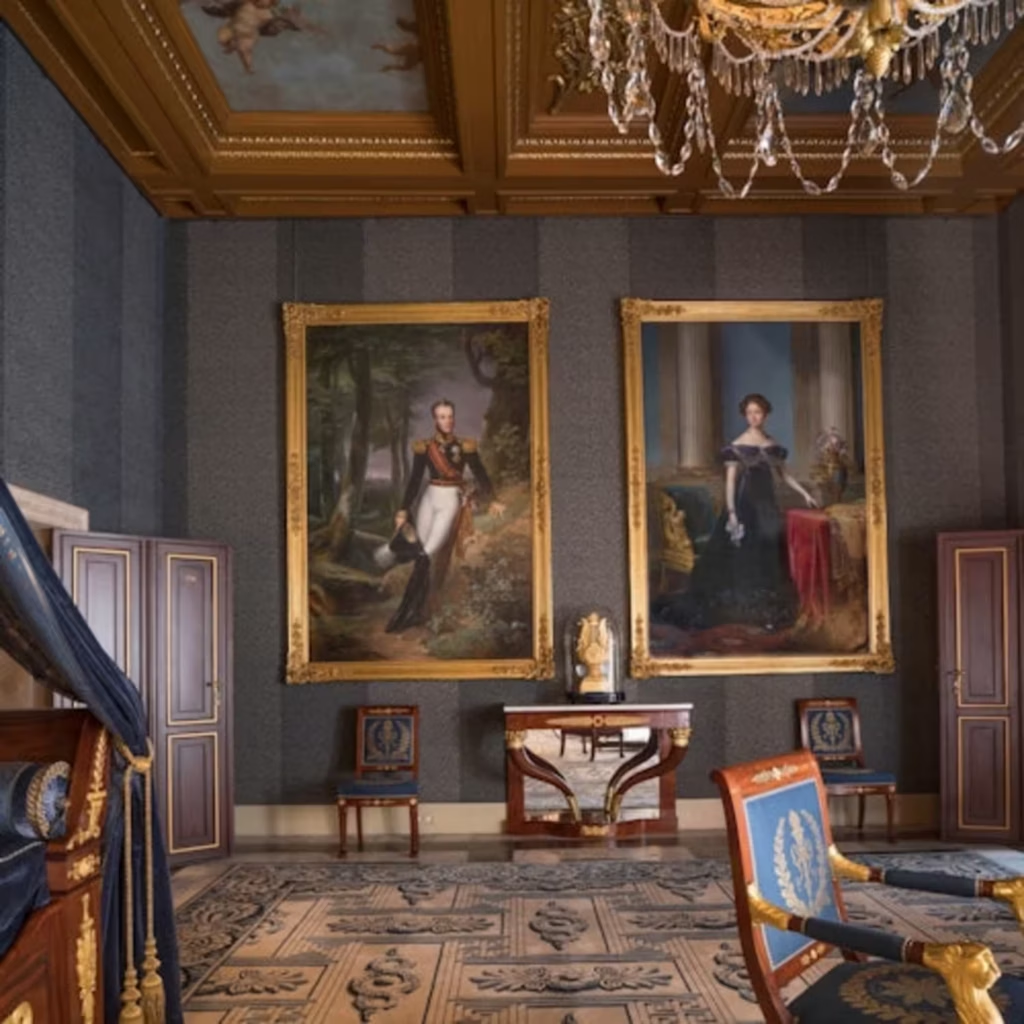
For about 150 years the building worked as the city's town hall. Its royal chapter began in 1806, when Napoleon's brother Louis Bonaparte became King of Holland. He moved his residence from The Hague to Amsterdam in 1807 and in 1808 turned the town hall into his Royal Palace, redecorated in the Empire style under the architect J.T. Thibault. After Napoleon's fall in 1813, the palace returned to the city, and King Willem I later asked for it to be made available for royal use again. It became state property in 1936. The interior was restored between 2005 and 2009, and the original light stone facade was restored between 2009 and 2012.

The Citizens' Hall: Amsterdam at the centre of the universe
Royal Palace Amsterdam, former town hall on Dam Square

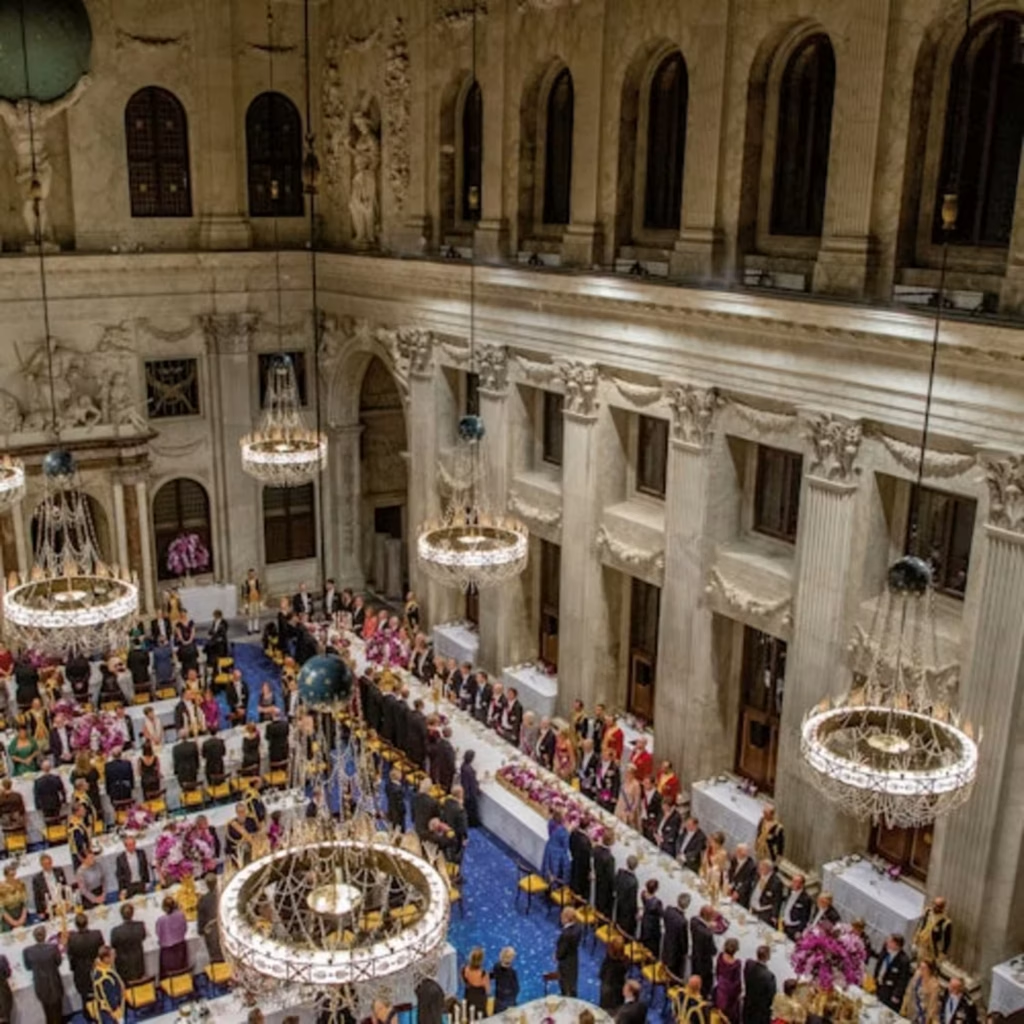
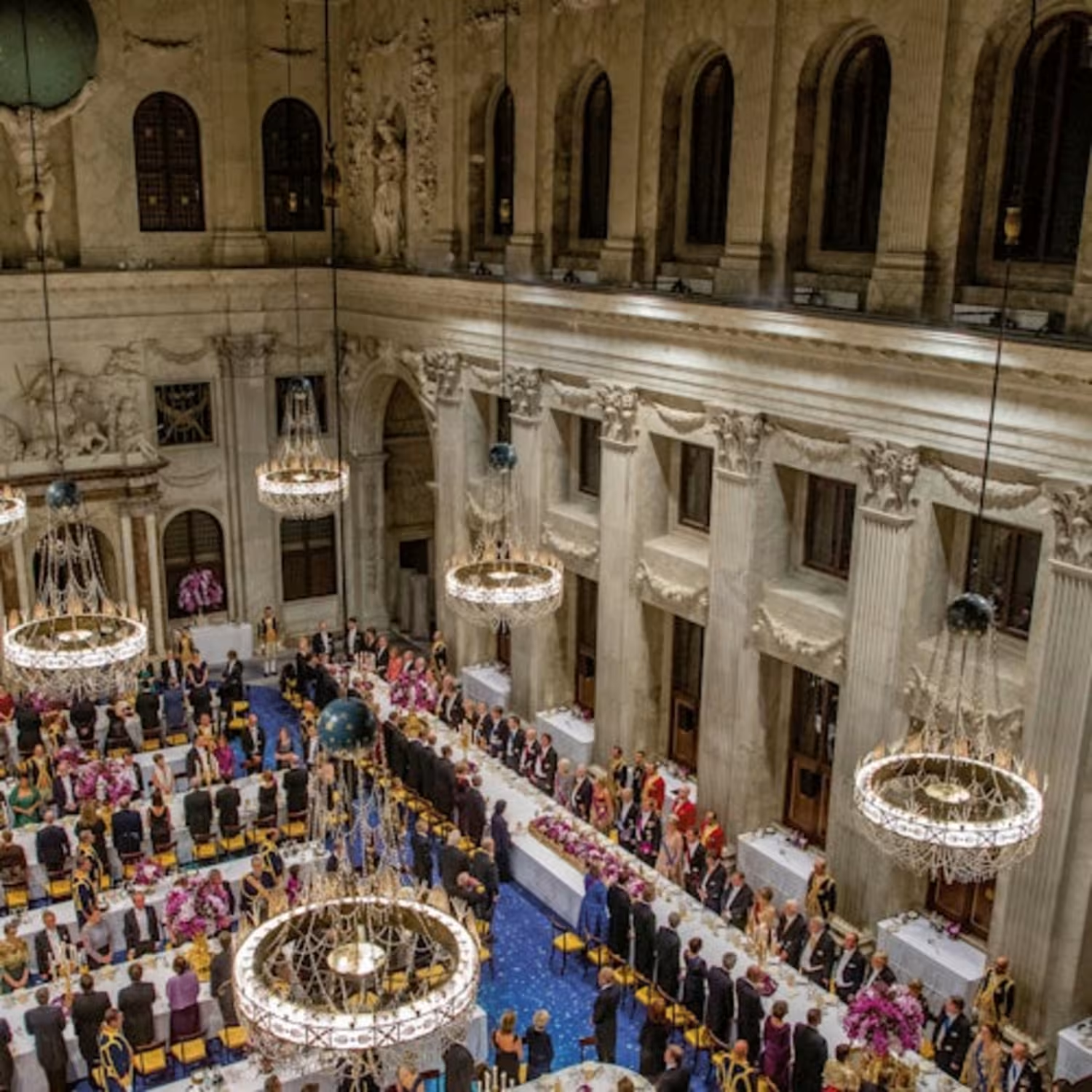
The heart of the building is the Citizens' Hall (Burgerzaal), 34 metres long and 25 metres high. In the days of the town hall it was freely accessible to every citizen of Amsterdam. Look down first: large maps are set into the floor, showing the world and the northern sky. Then look up at the entrance, where the Amsterdam Maiden sits on a throne and looks down over the maps. She represents the city.

Around her, statues depict the four elements: earth, water, air and fire, each identified by carvings. The figure of Earth is a woman feeding her child, wearing a crown shaped like city walls and surrounded by a dromedary, a monkey, a lion, a fox and a snake. In the galleries, statues of the planets complete the picture. The arrangement is deliberate: the city puts itself at the centre of the universe. The same idea is carried by Atlas, about 6 metres tall, who carries the heavens on his shoulders. Local lore says that if Atlas ever drops the sky, Amsterdam will fall with it. Benches in the Citizens' Hall are the best place to sit down and take the room in.

The Tribunal: where justice was pronounced

Visitors at the Royal Palace Amsterdam

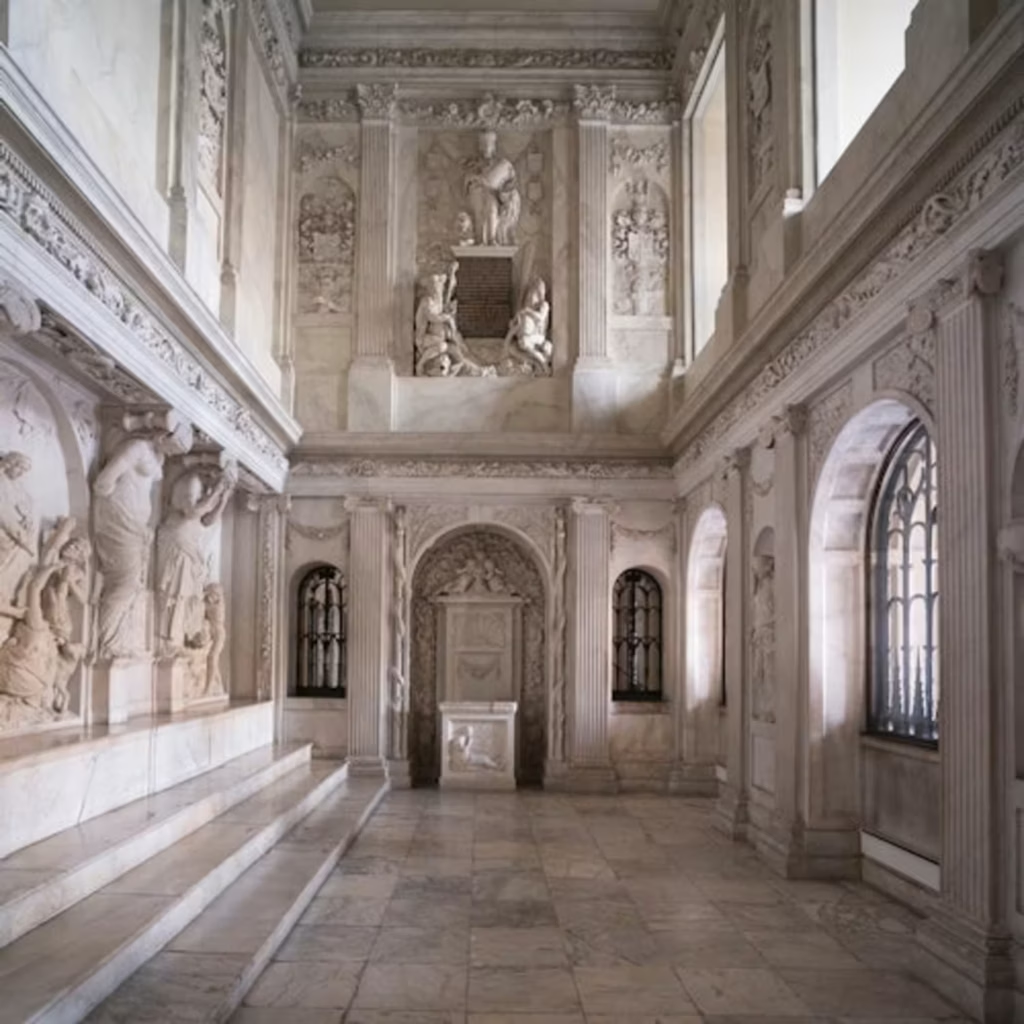
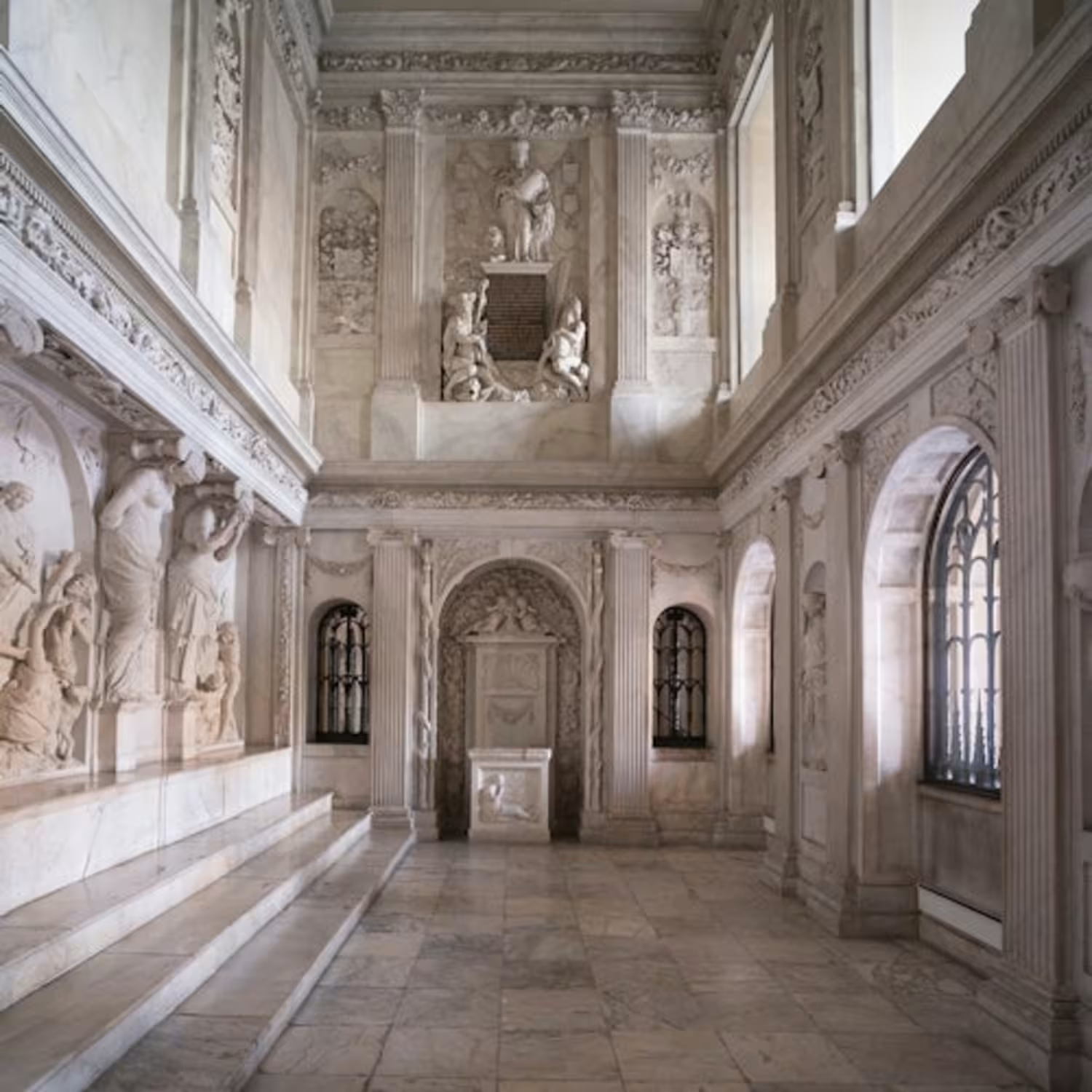
The Tribunal, or Vierschaar, sits on the ground floor. While the building was still the town hall, this is where death sentences were pronounced, on average three to four times a year, in a ceremony of great importance for the city. The room is decorated with marble works by the sculptor Artus Quellinus. The central panel shows the Judgement of King Solomon, flanked by two other scenes of good judgement, meant to inspire the sheriff and magistrates to be wise and just.

From 1808, Louis Bonaparte used the Tribunal as a court chapel. He covered the marble reliefs with blue curtains but did not remove them, which is why they survive. A story told at the palace says that the hand of Lady Justice, between the windows onto Dam Square, stuck out through the curtains and was chopped off together with her scales. It is one of the details the audio guide brings to life, so keep it on while you are in this room.

Empire rooms and the palace in use today
Royal Palace Amsterdam visit with audio guide

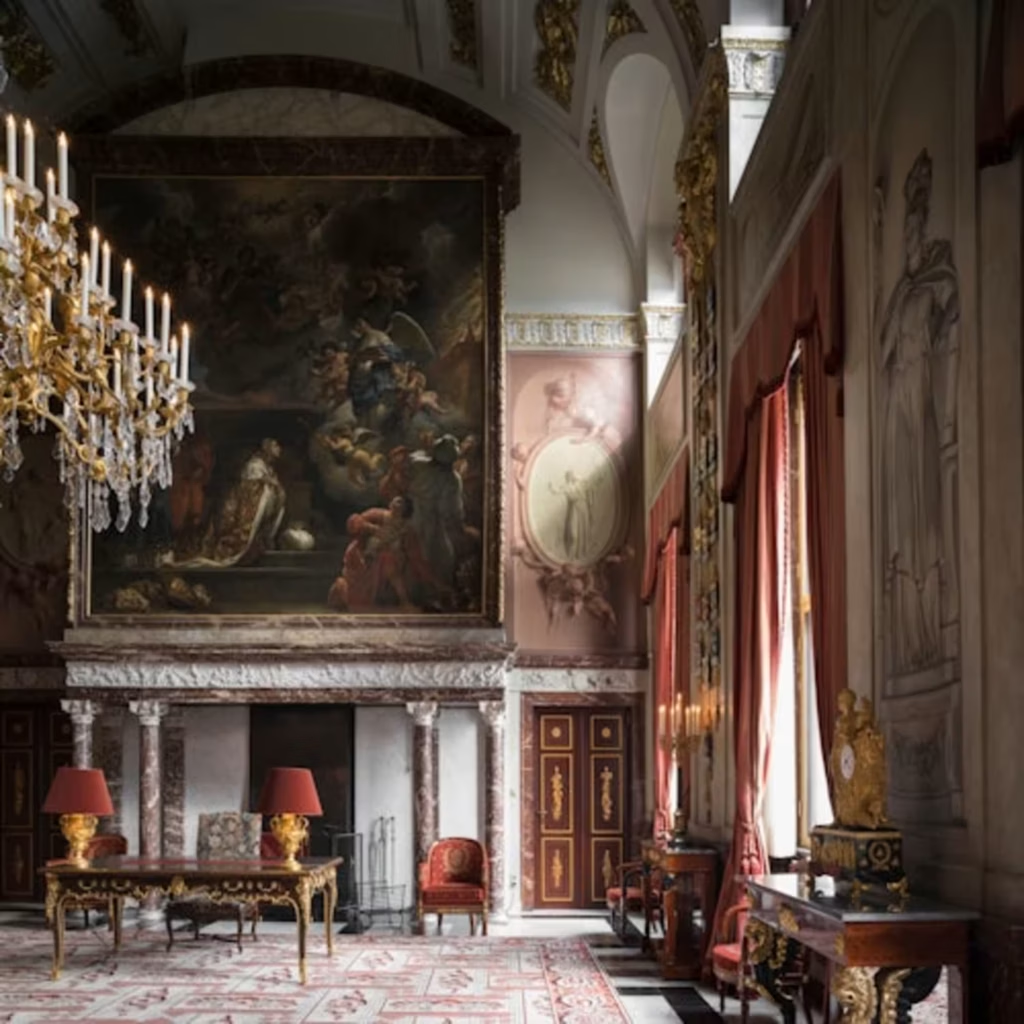
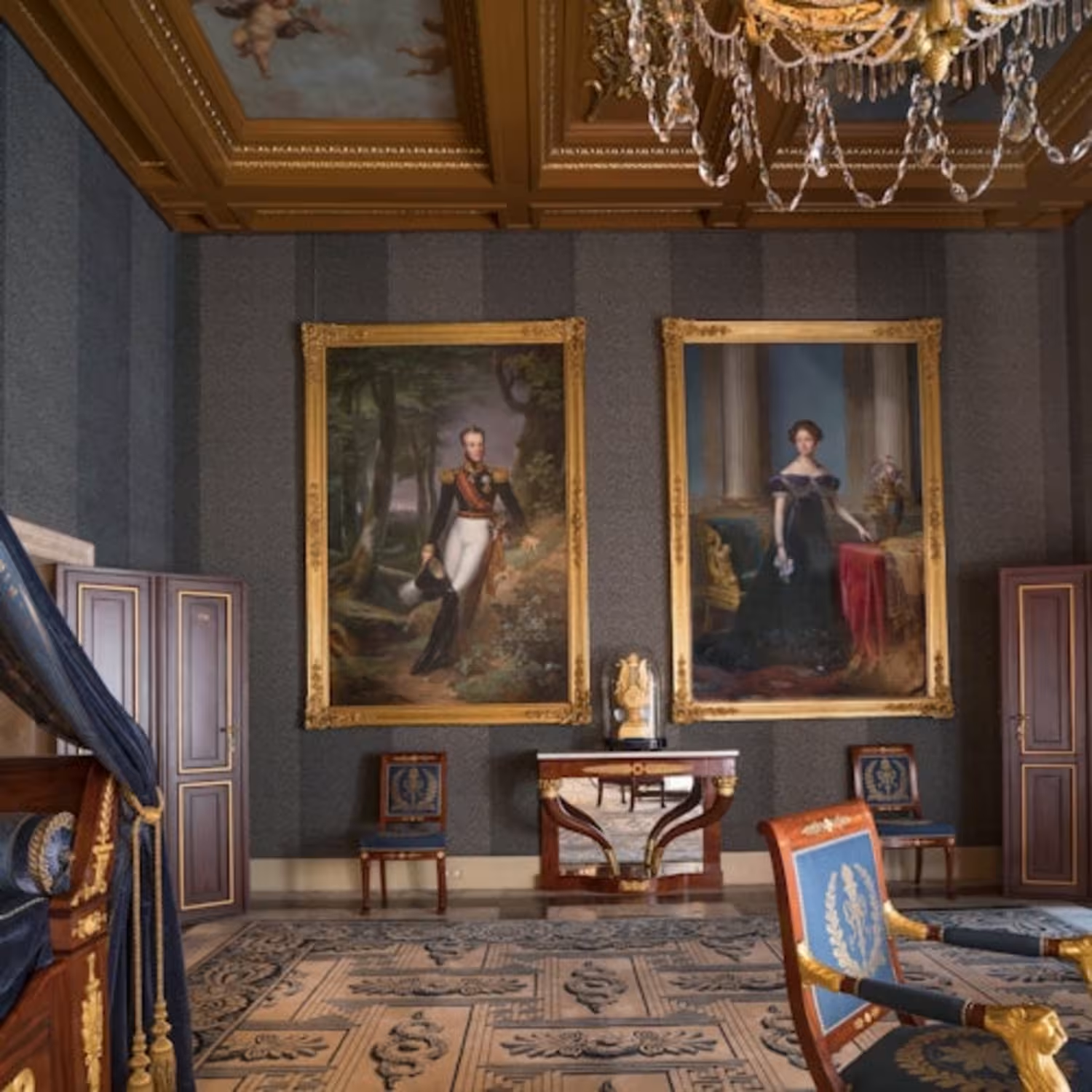
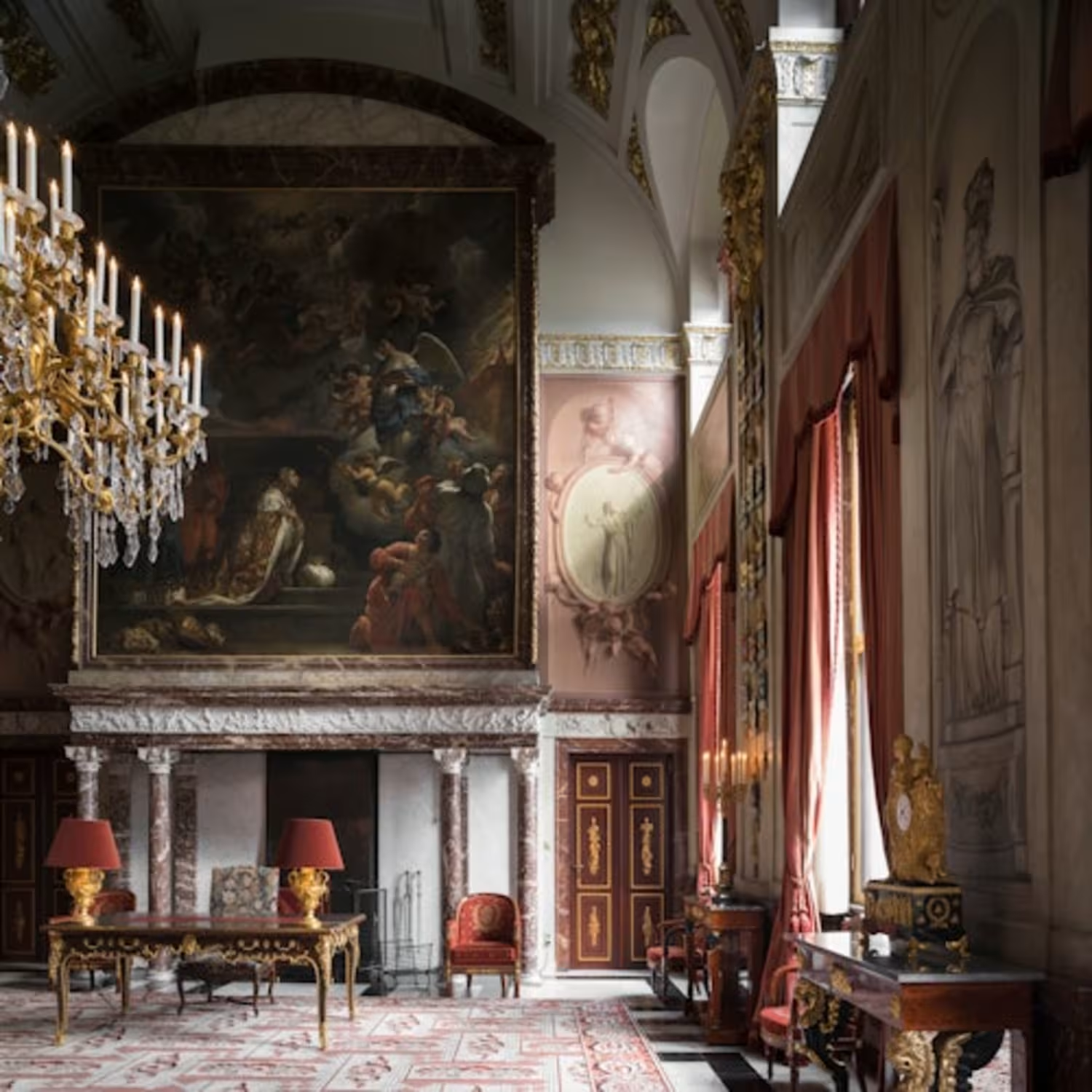
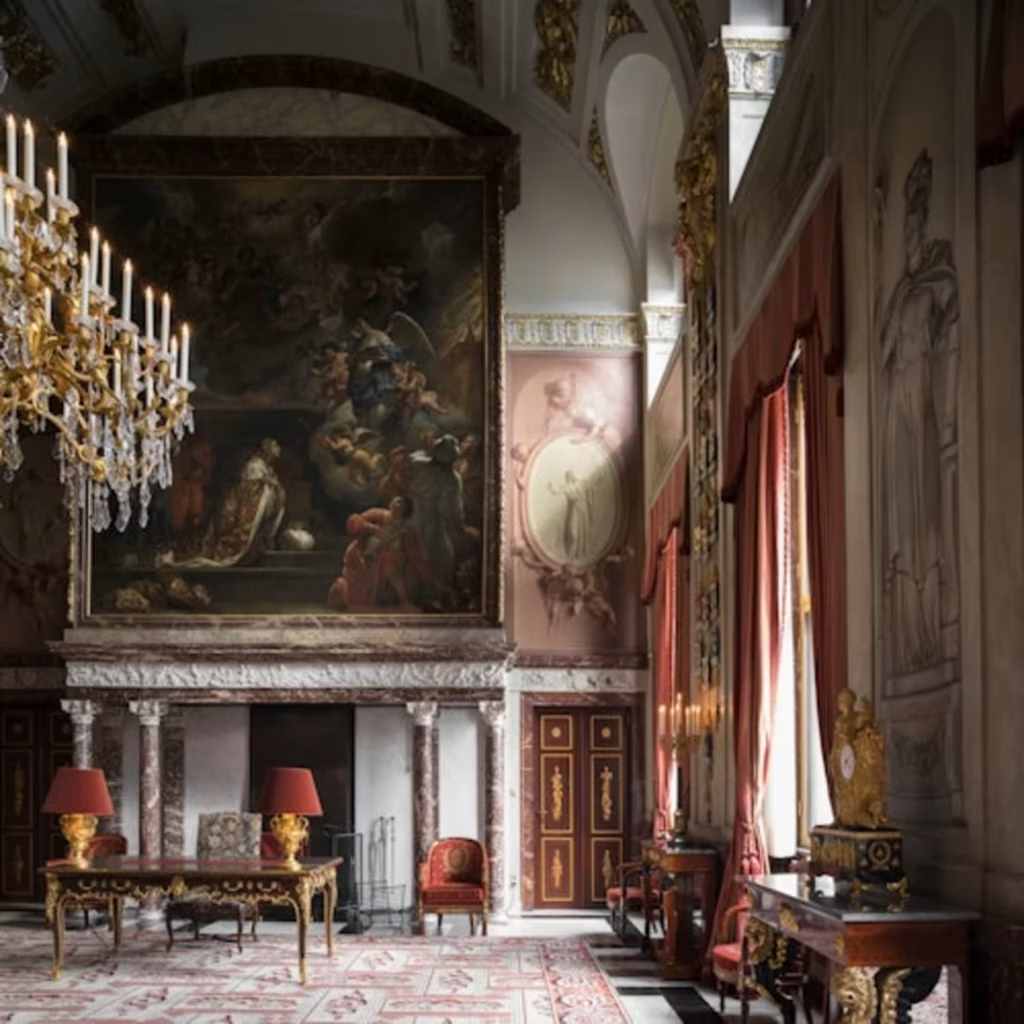
Louis Bonaparte left behind a collection of Empire furniture that is still in place and still used at royal receptions. Moving through the first-floor rooms, you see 17th-century civic architecture dressed in early 19th-century royal furnishings, a contrast that sets the building apart. He also set up a Royal Museum in the palace, the predecessor of the Rijksmuseum.

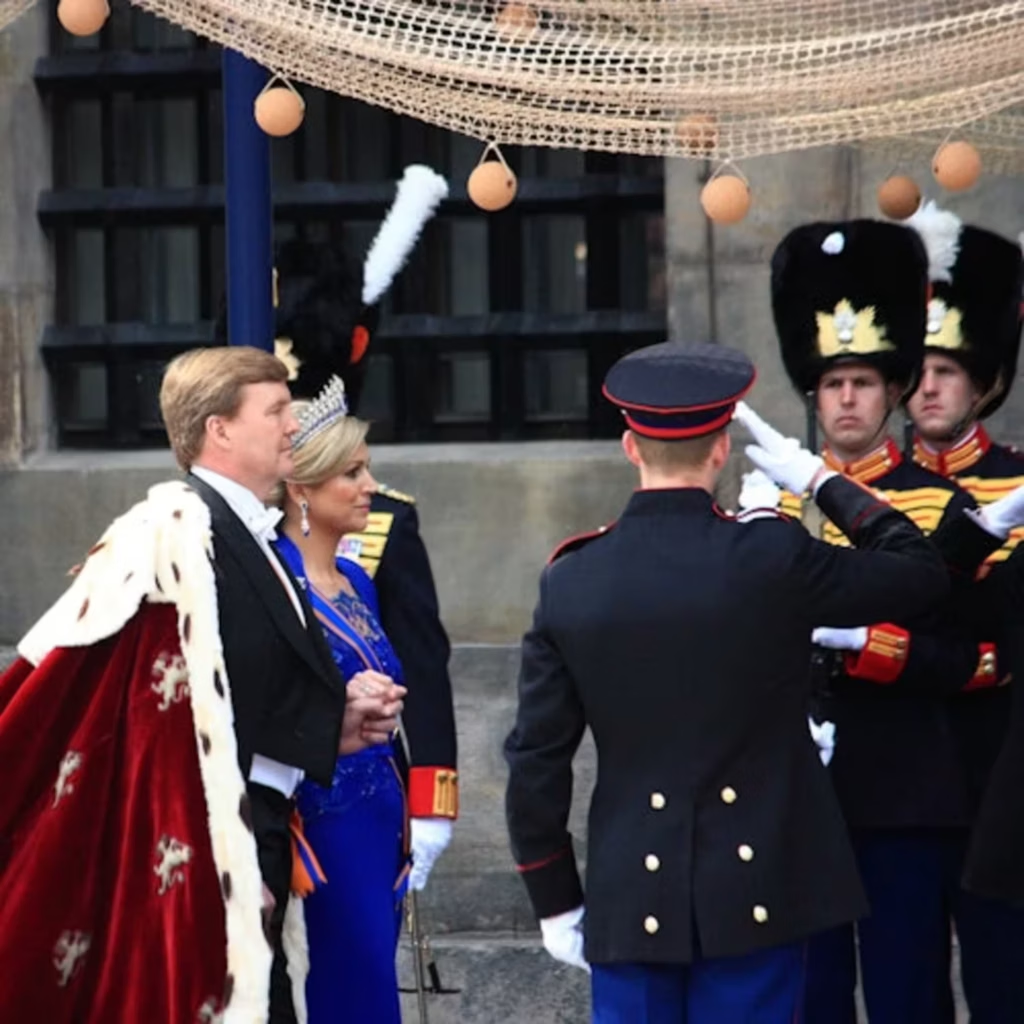
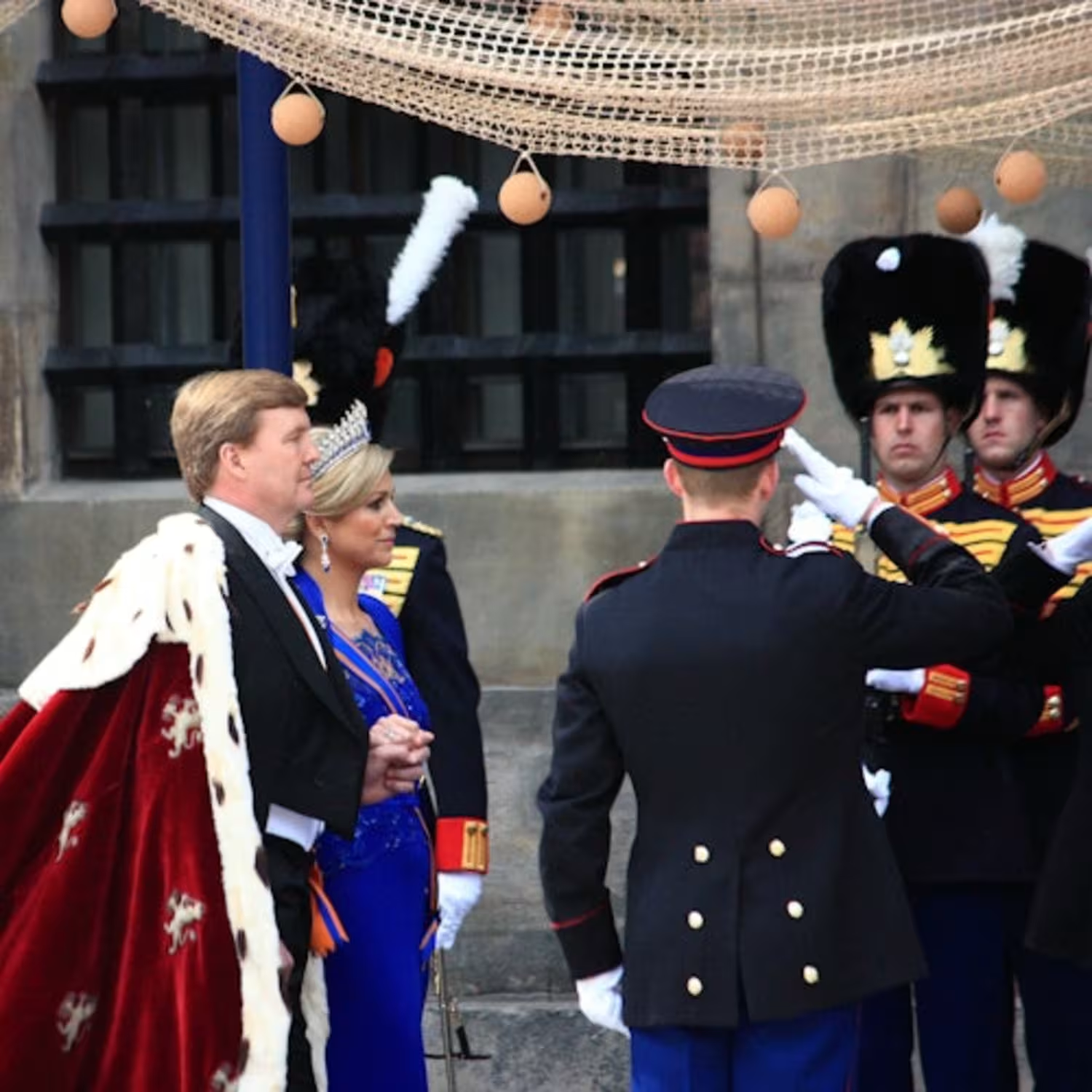
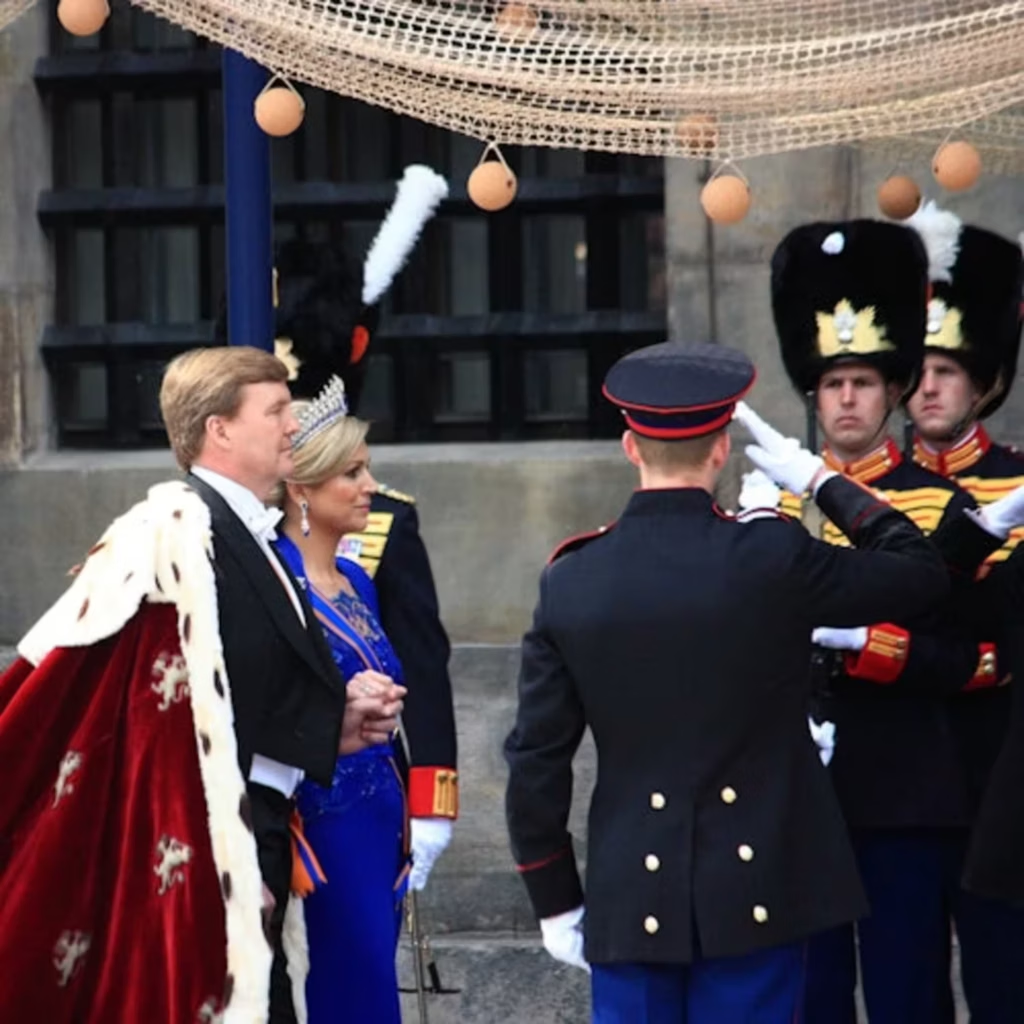
Today the Royal Palace is King Willem-Alexander's official reception palace. It hosts state visits, the King's New Year receptions, gala dinners and award ceremonies, and it has been the setting for royal weddings and for the passing of the throne from one monarch to the next. The Royal Award for Modern Painting is presented here, and each summer an exhibition covers the history of the building. Because of these events, the palace closes to visitors on certain days. The Tribunal and most first-floor rooms, including the Citizens' Hall and the City Council Chamber, are open on visiting days, and exhibitions do not close any rooms.

Accessibility, bags and visiting rules

The palace has step-free access, a lift, an accessible toilet and wheelchairs for visitors to use.

A carer who accompanies a disabled visitor who could not visit alone enters free. Check the age bands / ticket options shown when you book.

Visitors aged 17 and under enter free under the palace's rules. Check the age bands / ticket options shown when you book.

The Sunflower lanyard for hidden disabilities is recognised. There are no formal rest areas, but you can sit on benches in the Citizens' Hall or borrow a free stool.

Large bags, backpacks and umbrellas go in the cloakroom; strollers and pushchairs are allowed inside.

Photos are allowed without flash, tripod or selfie stick. Filming is not allowed, including with a phone.

Dogs and other pets are not allowed, except therapy dogs.

Quick tips before you go

Check the opening days before you travel: the palace closes for state visits and official events.

Use the audio guide: it is available in Dutch, English, German, French, Spanish, Italian, Chinese and Russian.

Allow about an hour for the main rooms, longer if a summer exhibition is on.

Start in the Citizens' Hall, then look for Atlas, the Amsterdam Maiden and the four elements.

Eat before or after: there is no café or restaurant in the building, but several on and around Dam Square.

Travel light, as larger bags have to go to the cloakroom.

Combine the Royal Palace with more of Amsterdam

The palace is one of the great Amsterdam landmarks. A short walk away, the Oude Kerk is the oldest building in the city, and the Rembrandt House Museum shows where the teacher of Flinck and Bol lived and worked. When you are ready, choose your entry on the Royal Palace Amsterdam ticket page.

Inside the Royal Palace Amsterdam: FAQs

Was the Royal Palace Amsterdam always a palace?

No. It was built as Amsterdam's town hall, commissioned in 1648 from Jacob van Campen, and served as the town hall for about 150 years. Louis Bonaparte made it his Royal Palace in 1808.

What is the most famous room in the palace?

The Citizens' Hall, 34 metres long and 25 metres high, with maps of the world and the northern sky in the floor and the Amsterdam Maiden on her throne above the entrance.

Who is the statue of Atlas?

Atlas is a statue of about 6 metres carrying the heavens. Local lore says that if he ever drops the sky, Amsterdam will fall.

What happened in the Tribunal?

While the building was the town hall, death sentences were pronounced there, on average three to four times a year. The marble reliefs by Artus Quellinus include the Judgement of King Solomon.

Does the King live in the Royal Palace?

No. It is the King's official reception palace, used for state visits, New Year receptions, gala dinners and award ceremonies.

Why is the palace sometimes closed?

It closes to visitors around state visits, the King's New Year receptions and other official events, so check the opening days before your visit.

Is an audio guide included?

Yes. The ticket includes an audio guide, available in Dutch, English, German, French, Spanish, Italian, Chinese and Russian.

Can I take photos inside?

Yes, without flash, tripod or selfie stick. Filming is not allowed, including with a phone.

Is the Royal Palace wheelchair accessible?

Yes. There is step-free access, a lift, an accessible toilet and wheelchairs to use. A carer of a visitor who cannot visit alone enters free.

Do children pay to visit?

Visitors aged 17 and under enter free under the palace's rules. Check the age bands and ticket options shown when you book.

Is there a café inside the palace?

No. You can eat and drink inside, but there is no café or restaurant in the building. There are several nearby on Dam Square.

About this guide

Sources: Royal Palace Amsterdam, Citizens' Hall; Royal Palace Amsterdam, Tribunal; Royal Palace Amsterdam, Atlas; Royal Palace Amsterdam, About the Palace; Royal Palace Amsterdam, Frequently Asked Questions; Royal House of the Netherlands, History of the Royal Palace Amsterdam.