We are processing your request.
Please, don’t close or refresh the page.
Amsterdam Tickets Rembrandt House Museum Rooms And Etchings
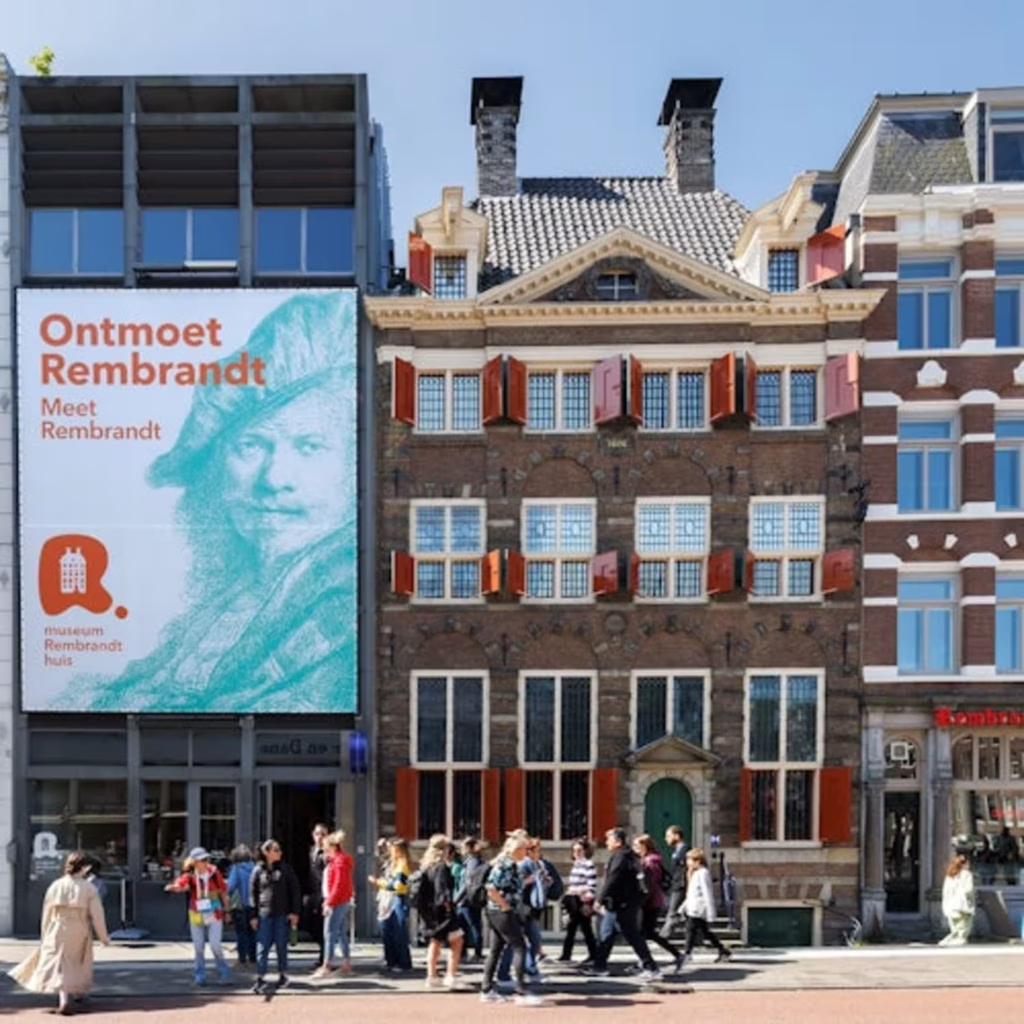
Rembrandt House Museum on Jodenbreestraat, Amsterdam

Rembrandt House Museum: Rooms, Studio and Etchings

A room-by-room guide to the house on Jodenbreestraat where Rembrandt lived and worked from 1639 to 1658: the kitchen, the studio, his art room, the etching attic and the etchings collection.

The Rembrandt House is not a gallery that happens to carry his name. It is the house Rembrandt bought in 1639 and lived in for 19 years, where he painted, taught pupils, sold art and printed his etchings, until money troubles forced him out. The rooms you see today were rebuilt from the inventory drawn up when he gave up his possessions in 1656, which is why the furnishing of each room follows his own household so closely. This guide takes the house floor by floor, from the kitchen in the basement to the etching attic under the roof, explains the daily painting and etching demonstrations and shows what to look for in the etchings collection. For transport and timings, see our Rembrandt House Museum visitor guide.

Rembrandt House Museum: Entry Ticket + Multimedia Guide

Highlights

Discover the only museum worldwide focused exclusively on Rembrandt.

Explore the artist’s former residence where he lived and worked for nearly two decades.

View collections of Rembrandt’s sketches and etchings.

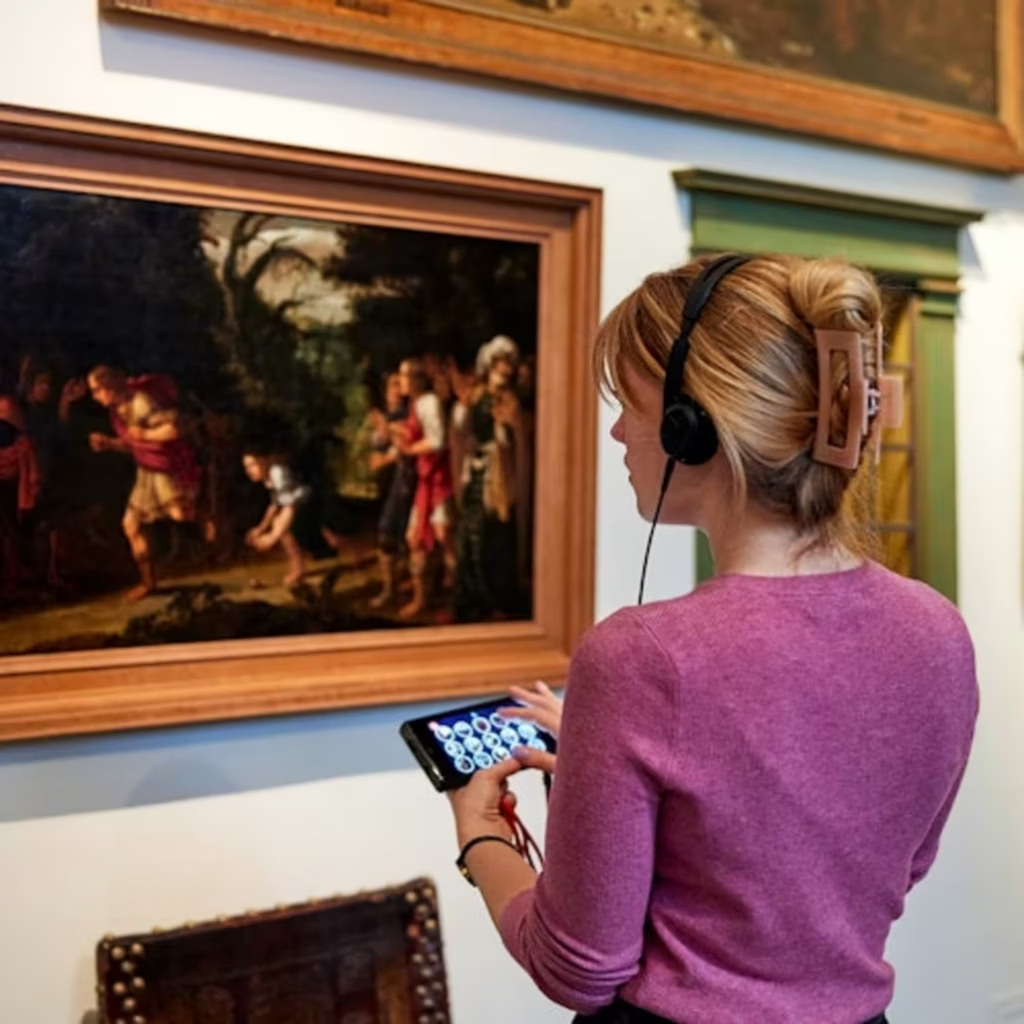
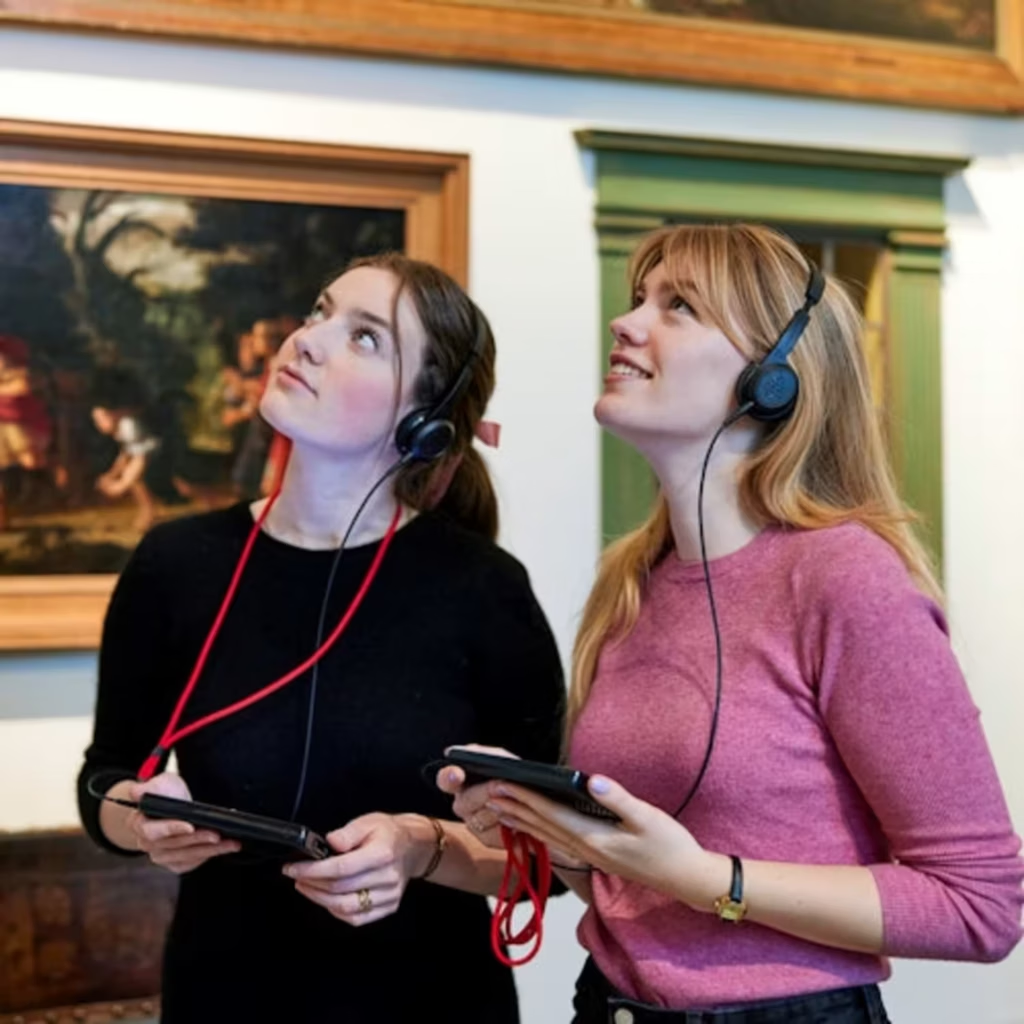
Enjoy a multimedia guide available in multiple languages.

See authentic period furnishings, artworks by his students, and artifacts reflecting 17th-century life.
Rembrandt House Museum: key facts

The house was built around 1606; Rembrandt bought it on 5 January 1639 for 13,000 guilders.

He lived and worked here until 1658, when he moved to a rented house on the Rozengracht.

In 1656 he gave up his assets; the inventory of the house is the basis of today's reconstruction.

The museum opened on 10 June 1911, after the city bought the house in 1907.

The collection holds 260 etchings by Rembrandt, nearly all of them, and 4 original copper plates.

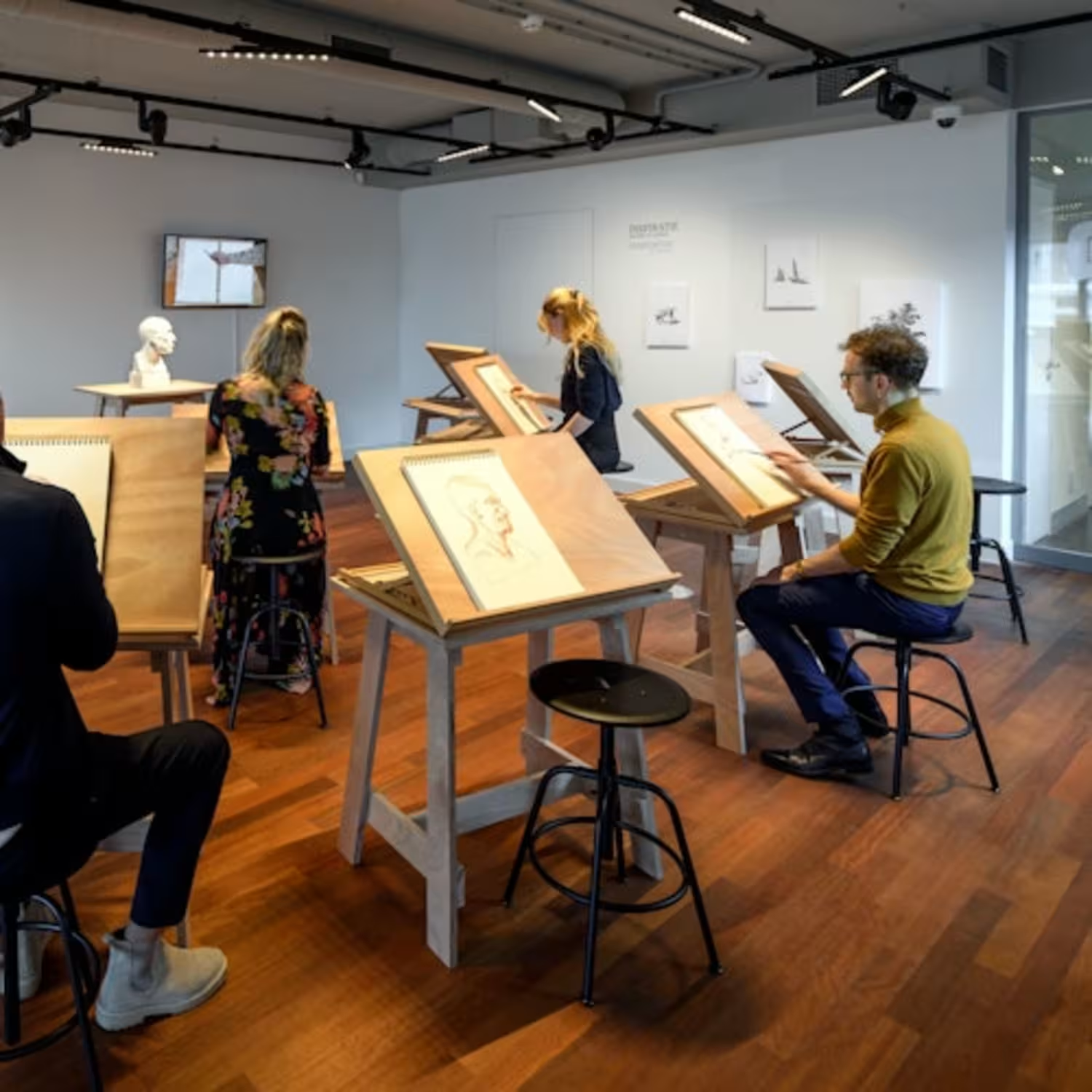
Painting and etching demonstrations take place between 11:00 and 15:00, in Dutch and English.

A house bought at the height of his fame

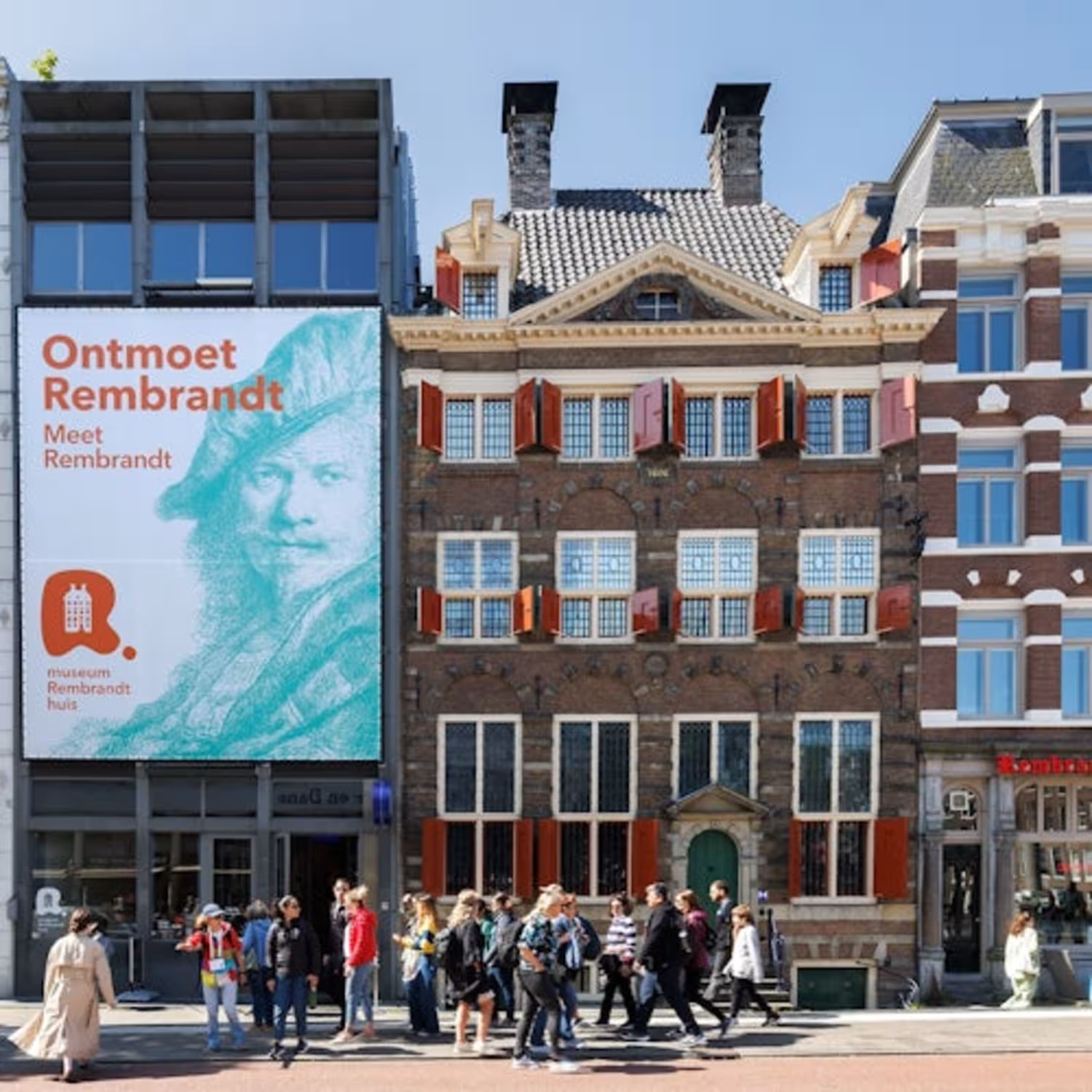
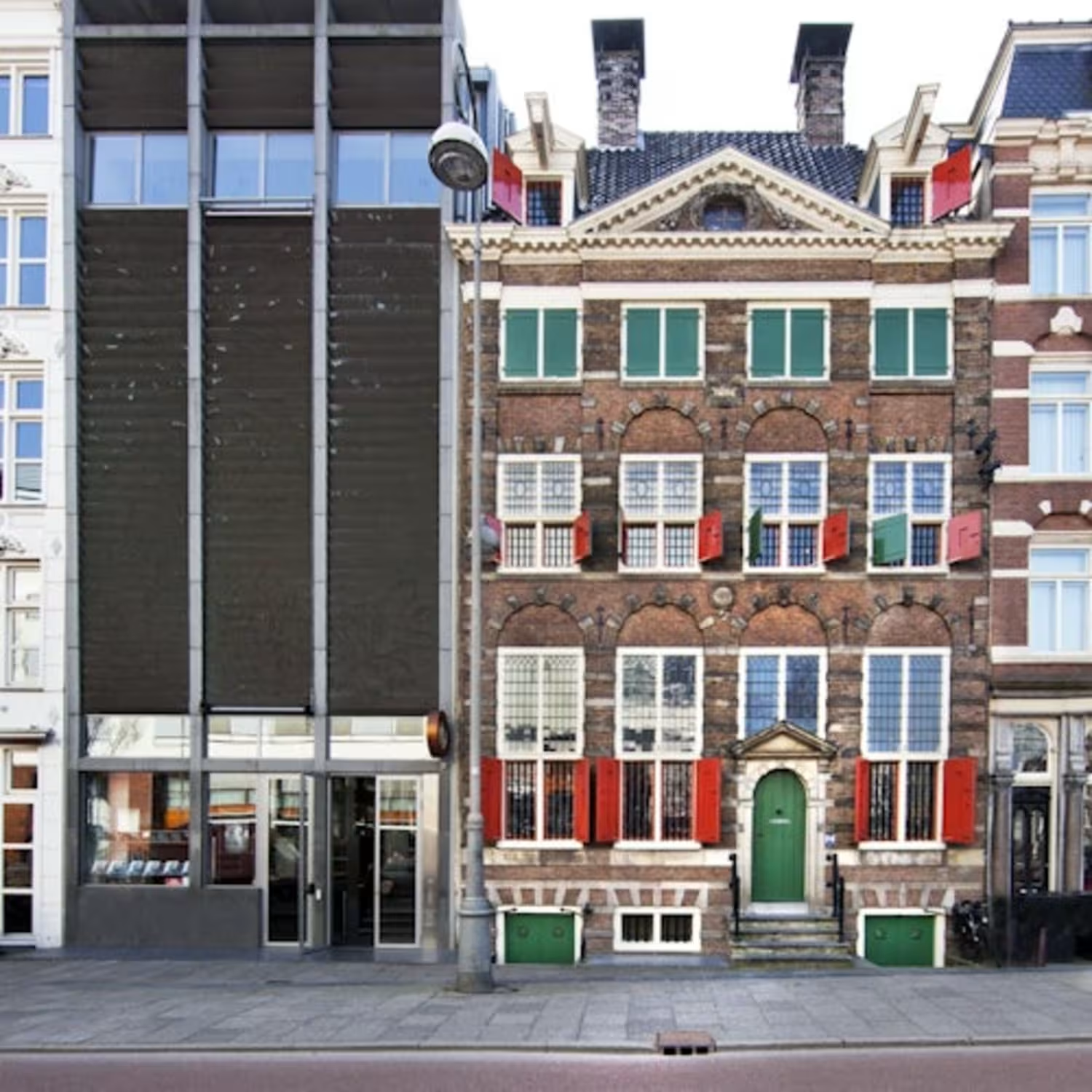
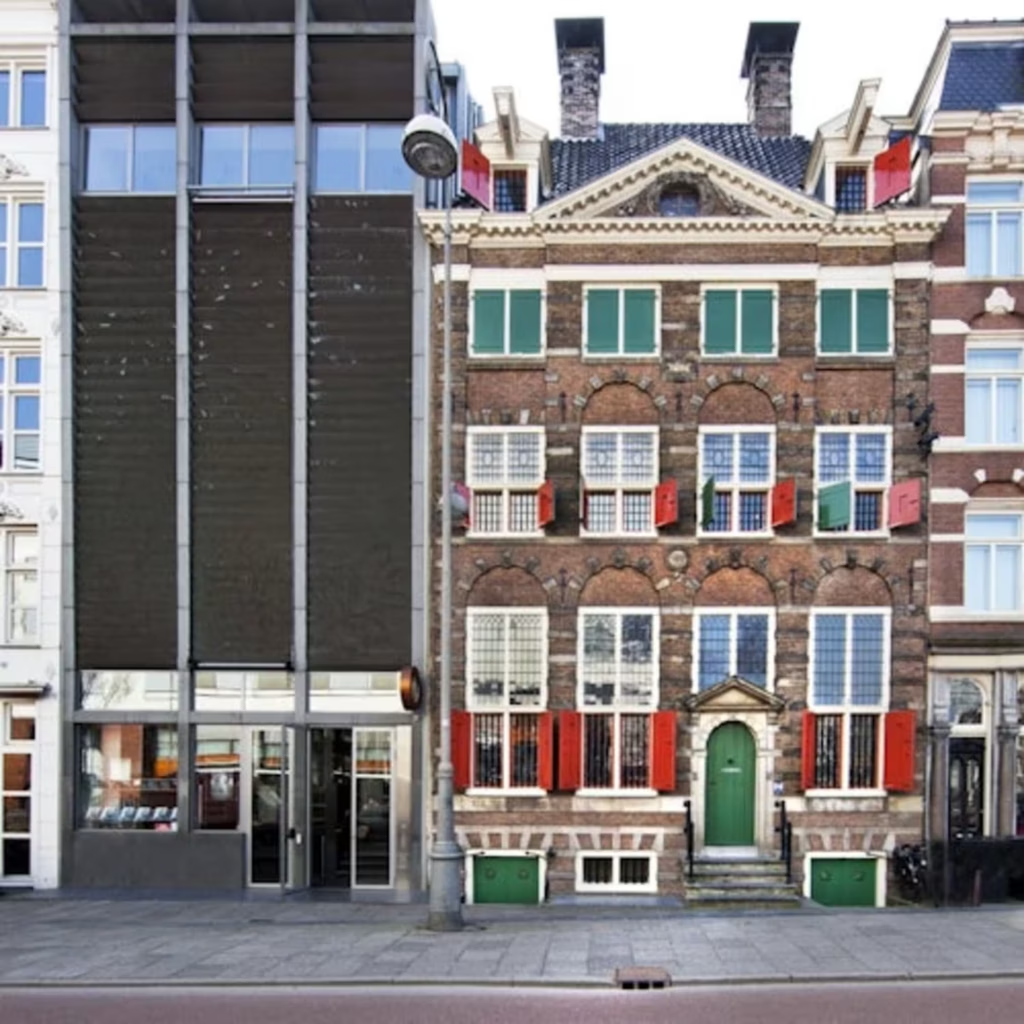
Facade of the Rembrandt House Museum, Amsterdam

The house on Jodenbreestraat was built around 1606 and gained an extra floor and a new facade around 1627. Rembrandt bought it on 5 January 1639 for 13,000 guilders, at the age of 33, when he was one of the most sought-after painters in Amsterdam. He lived here with his wife Saskia and later with Hendrickje, and the children grew up in these rooms.

The purchase proved too expensive. In 1656, with bankruptcy imminent, Rembrandt gave up his assets in a procedure known as cessio bonorum. Everything was listed and sold, including the house, and in 1658, at 52, he moved to a rented house on the Rozengracht. That list is the reason the museum exists in its current form: the estate inventory names the objects room by room, so the house could be furnished as he knew it. After the Rembrandt year of 1906, the city of Amsterdam bought the house in 1907, it was restored by the architect Karel de Bazel, and it opened as a museum on 10 June 1911. A reproduction of the inventory is shown in the last room of the visit.
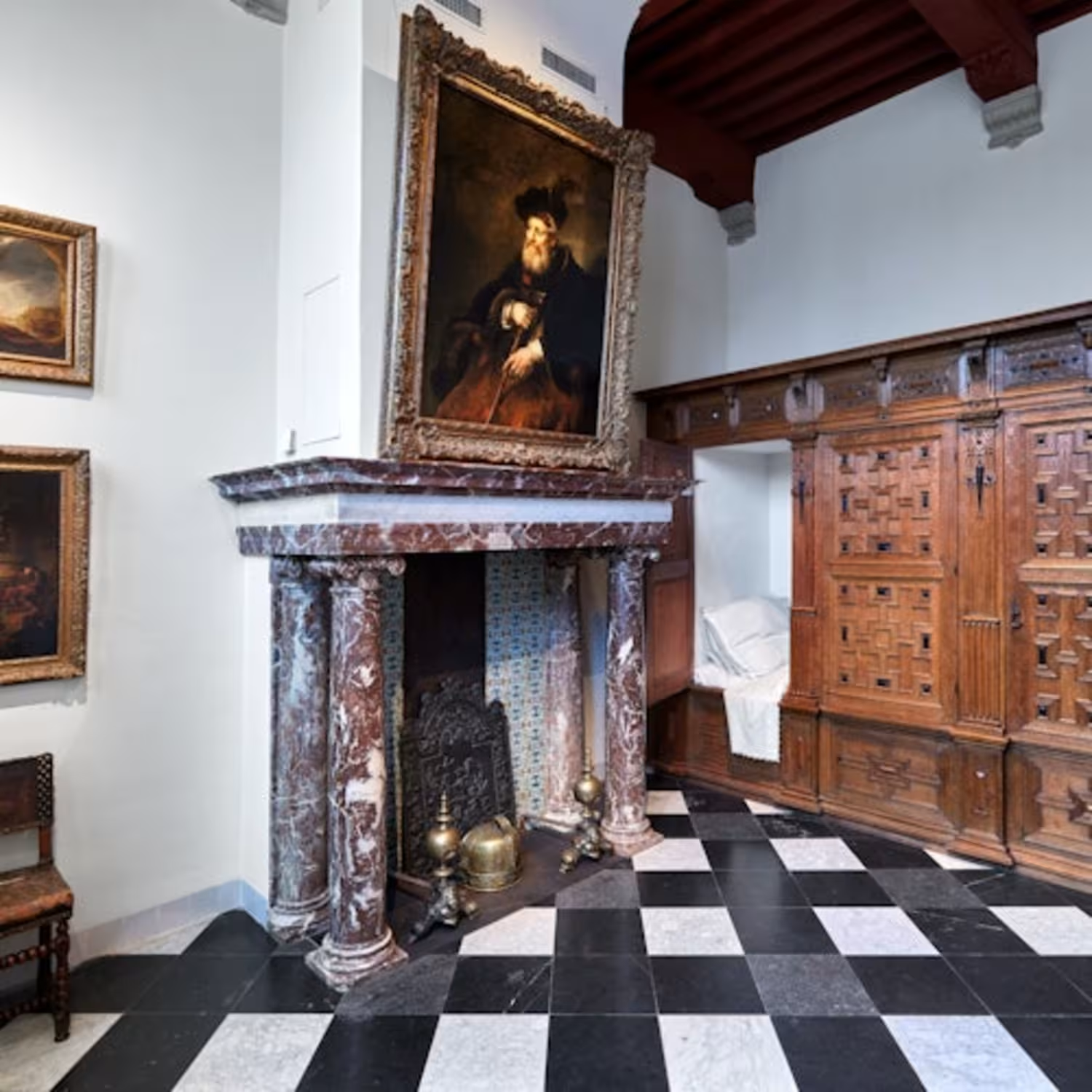
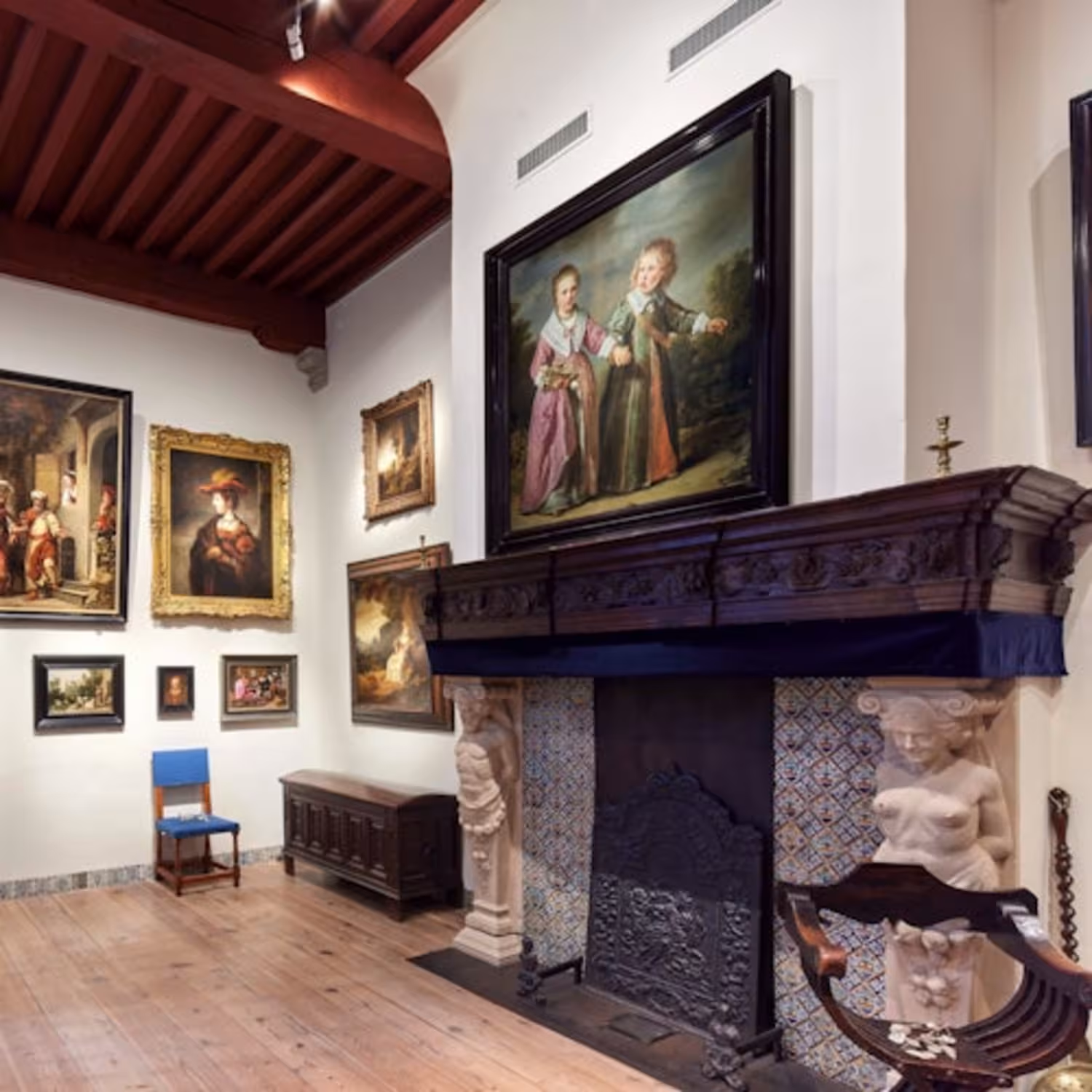
Kitchen, entrance hall and salon

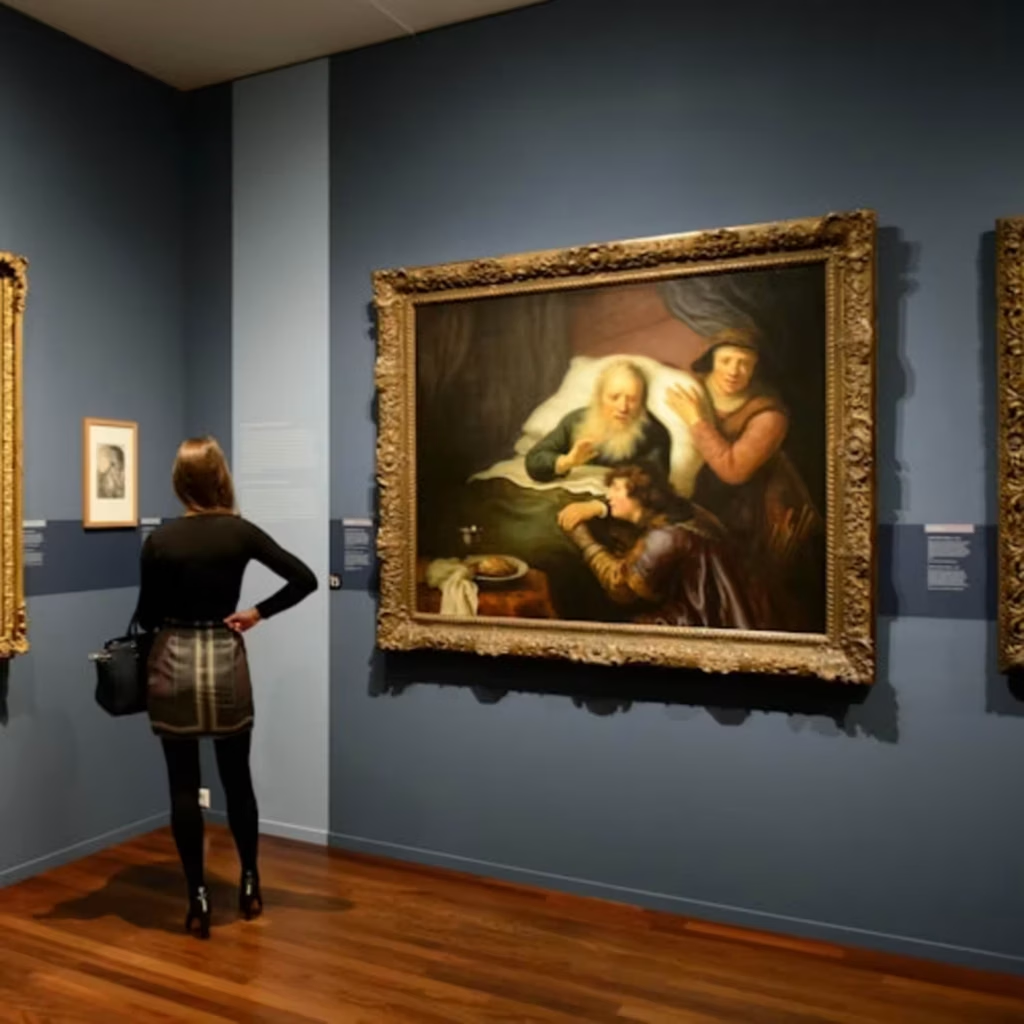
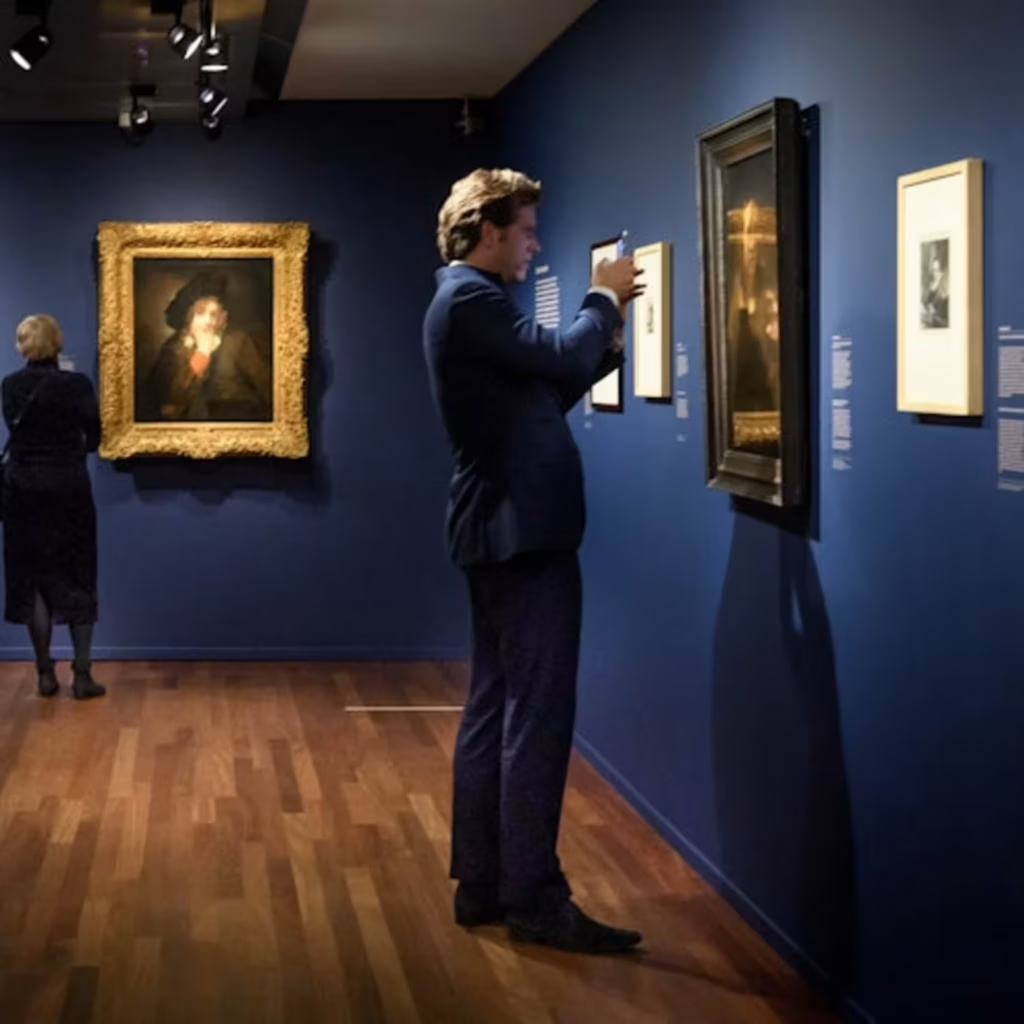
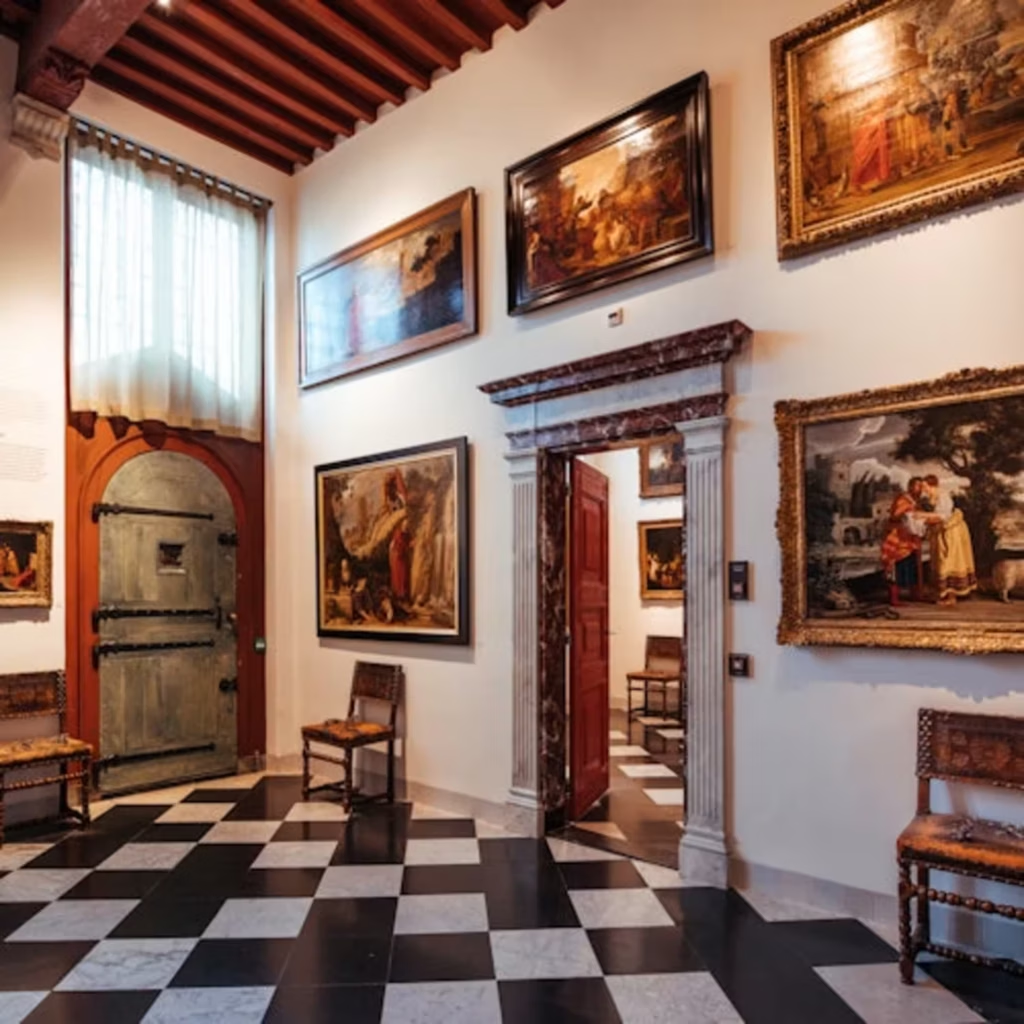
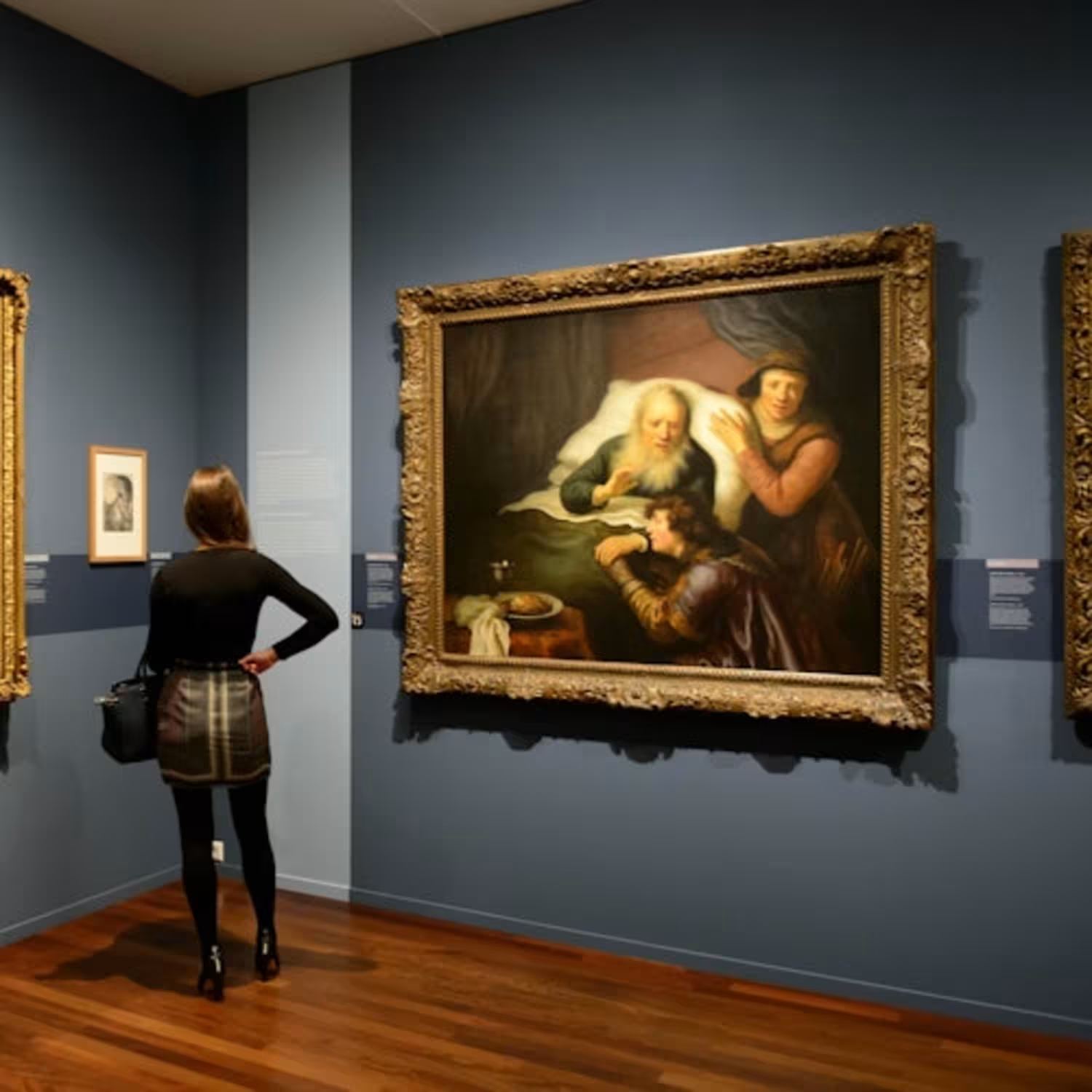
Inside the Rembrandt House Museum

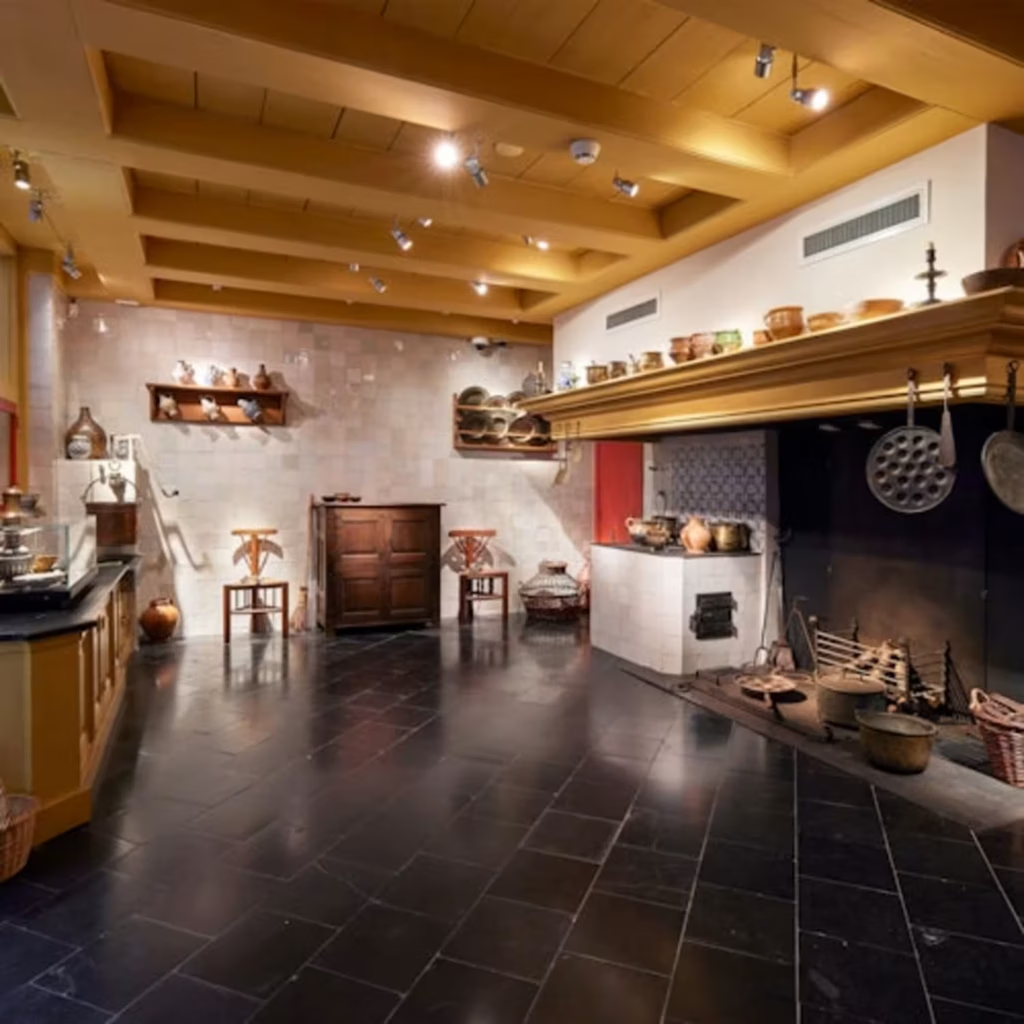
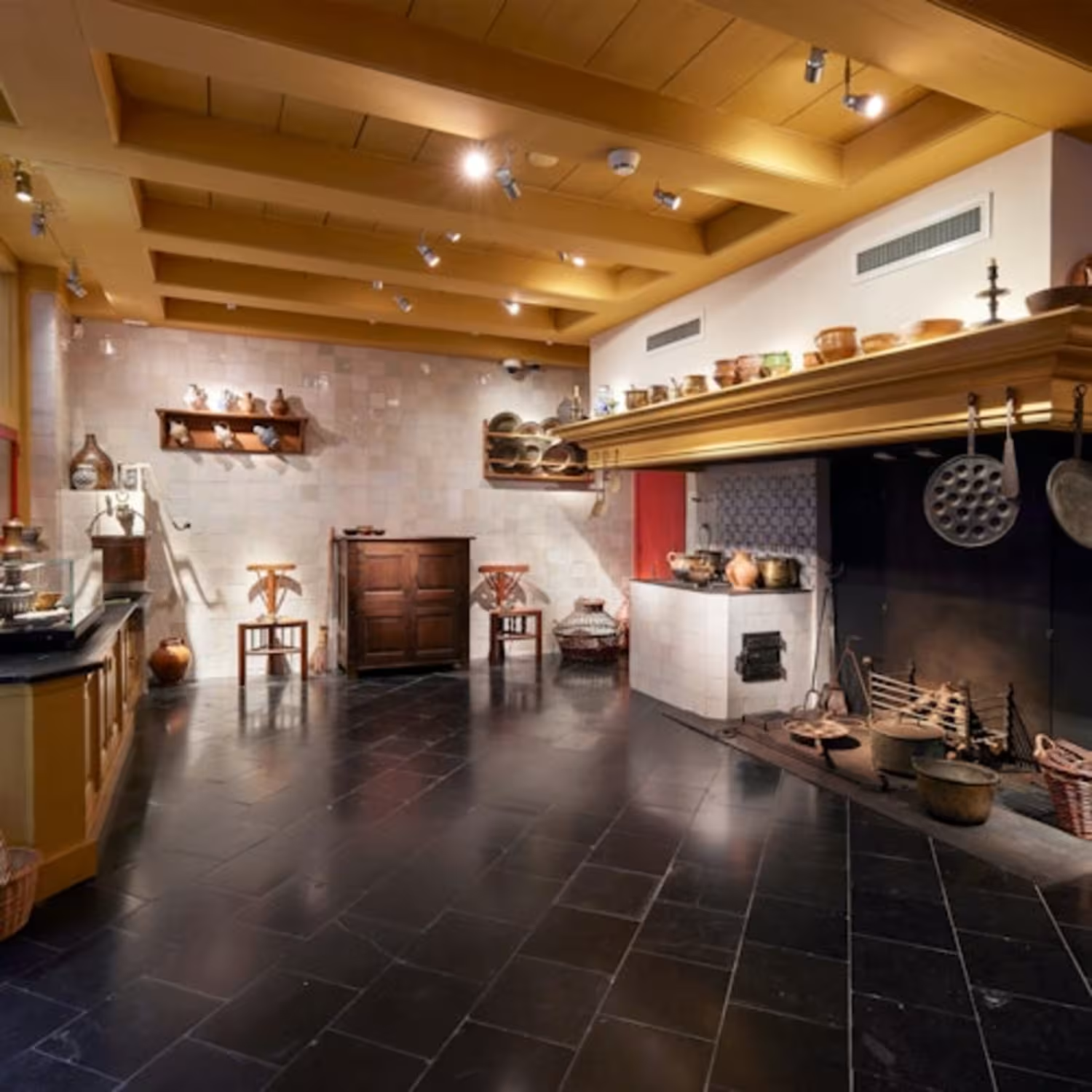
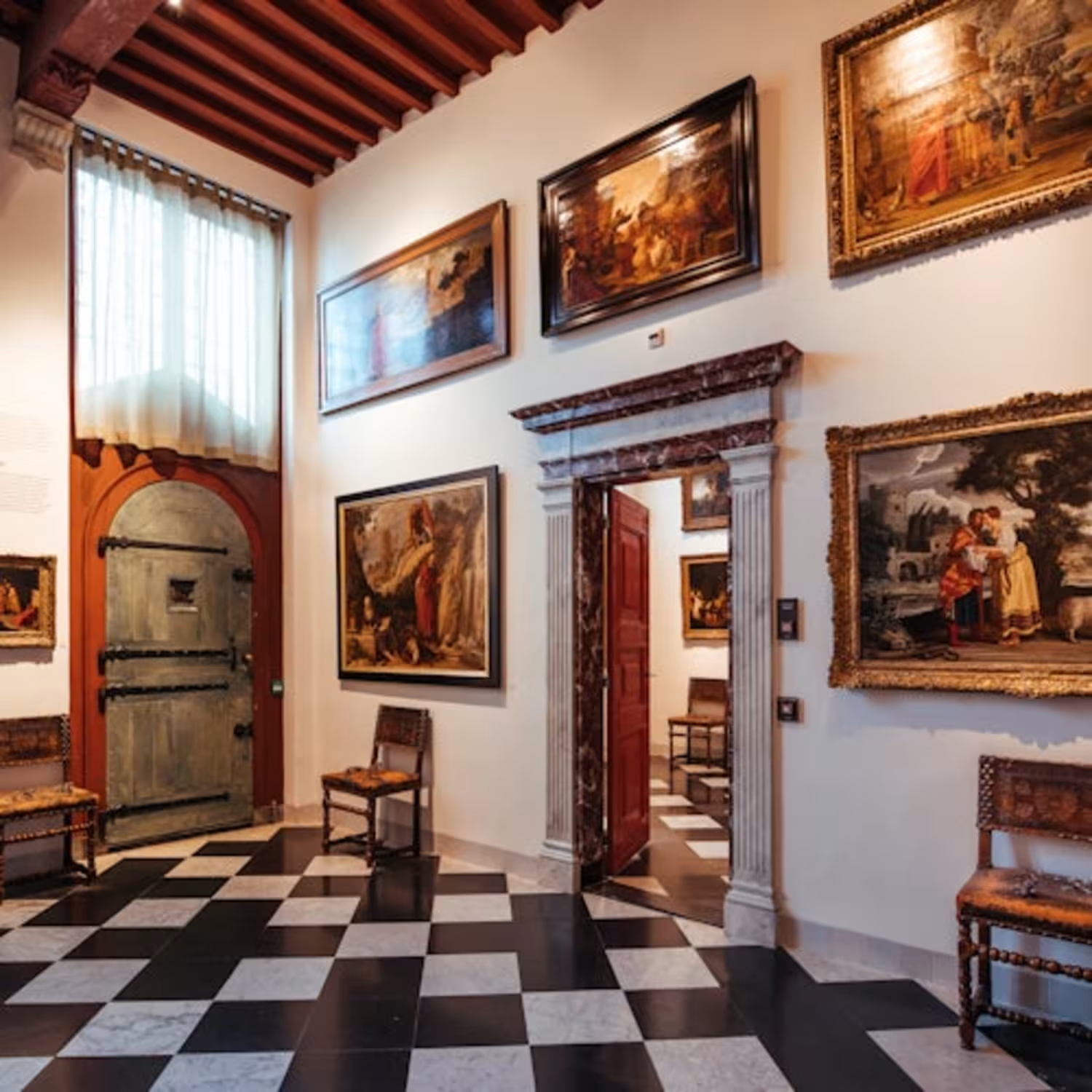
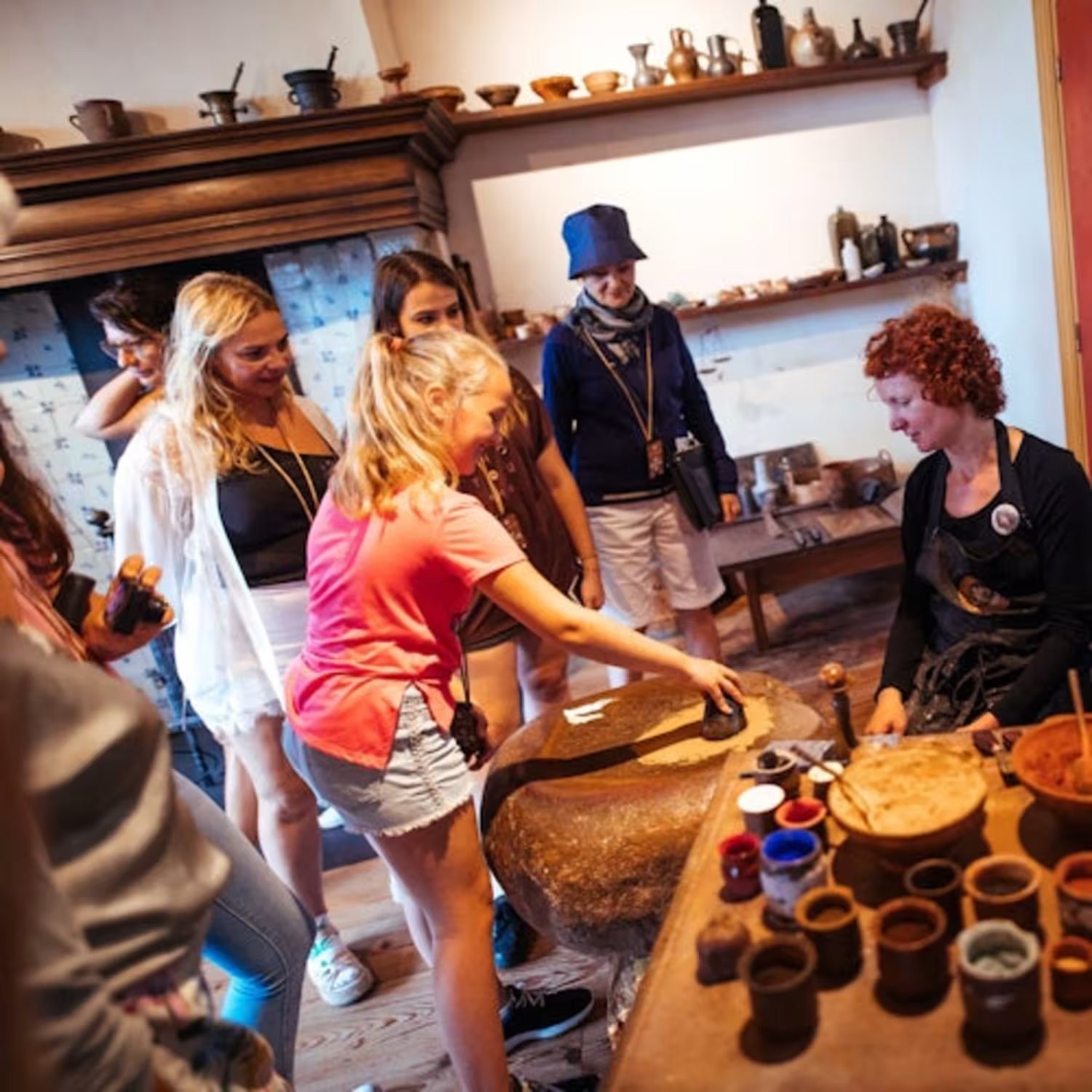
The visit starts in the basement. The kitchen was the housemaid's domain, with a hand pump for running water and a box bed where the maid slept half-seated. A display cabinet holds objects dug up from the cesspit, including a jug, a toy marble, a butter paddle and pipes. Outside, the courtyard had space for laundry and an outdoor lavatory.

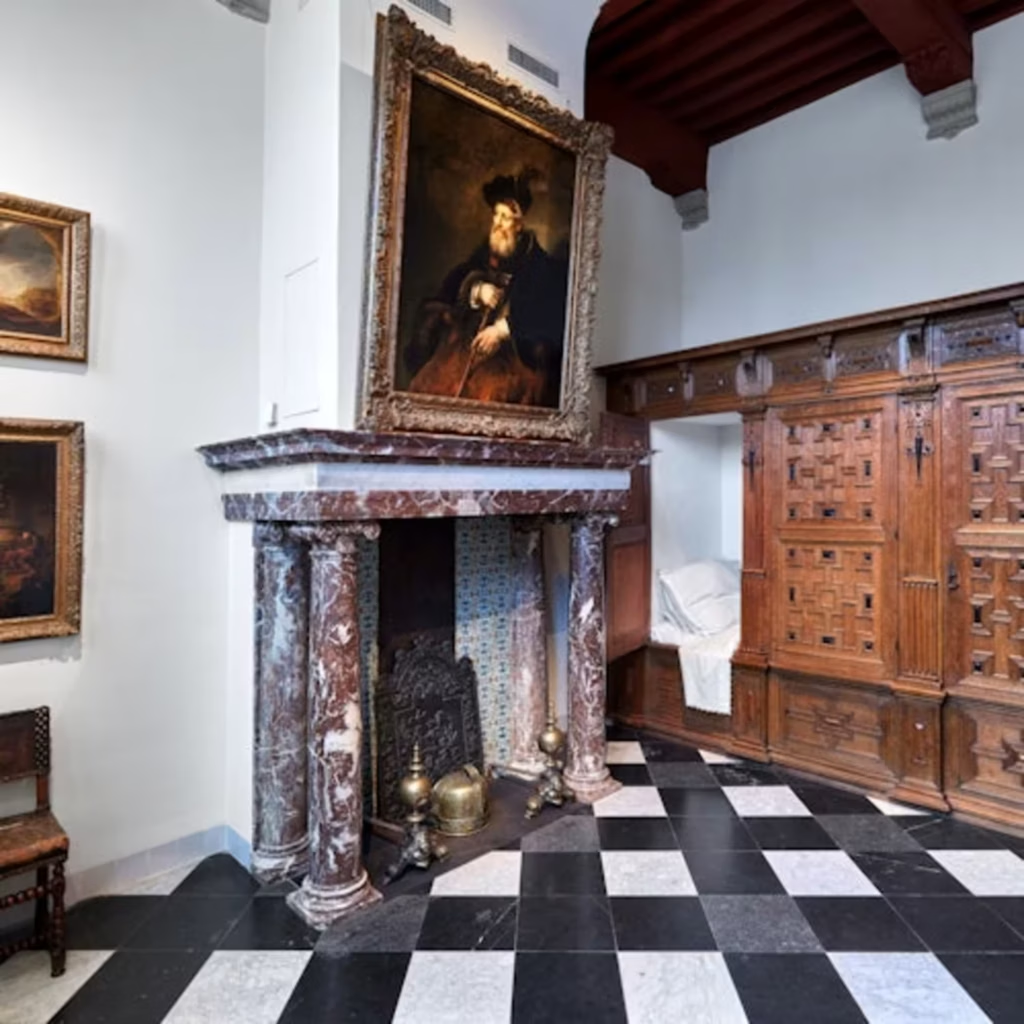
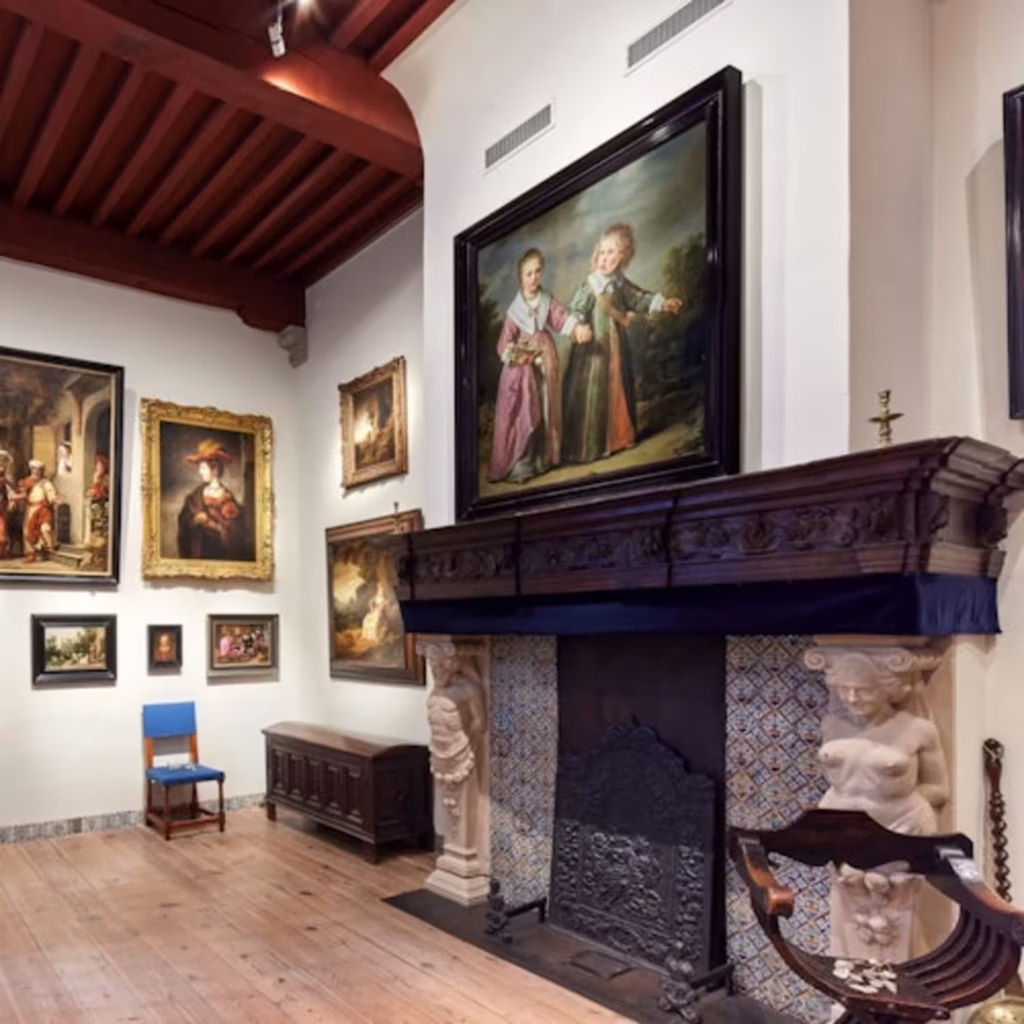
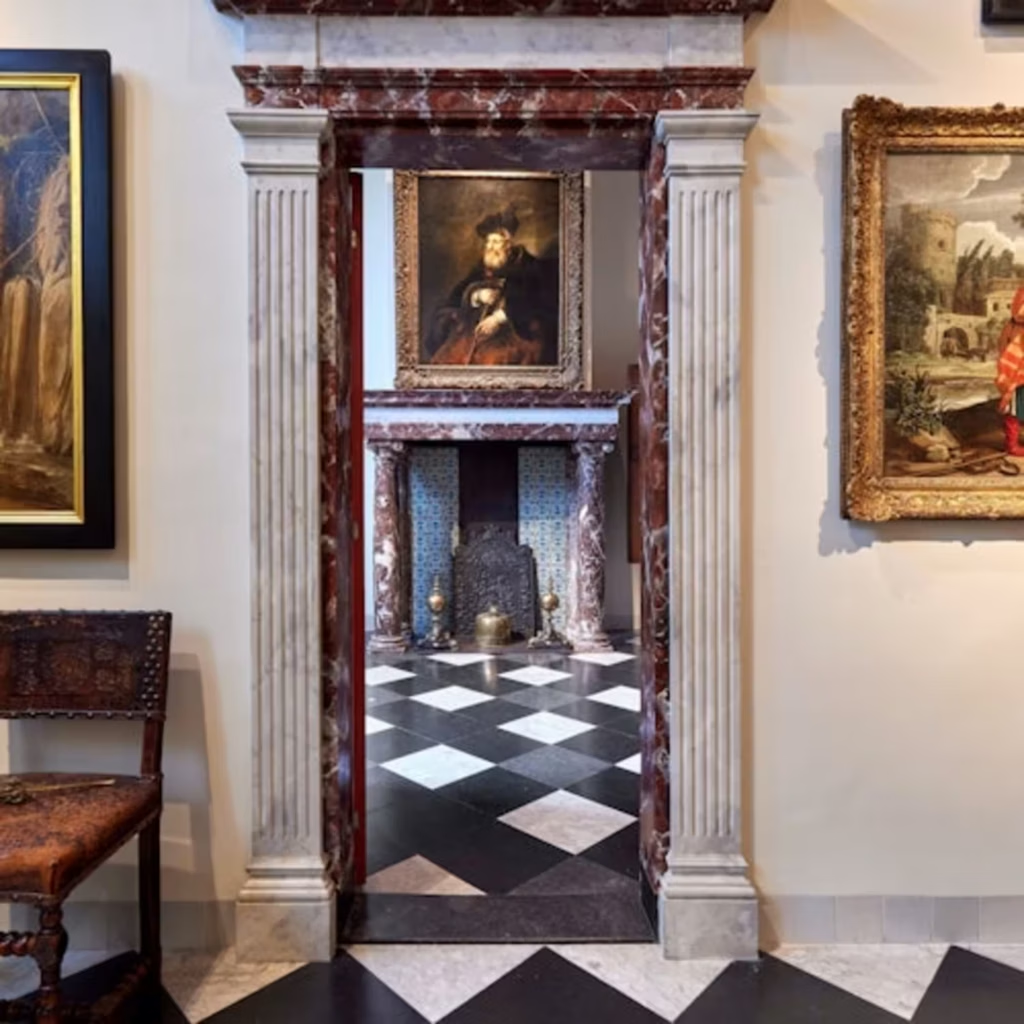
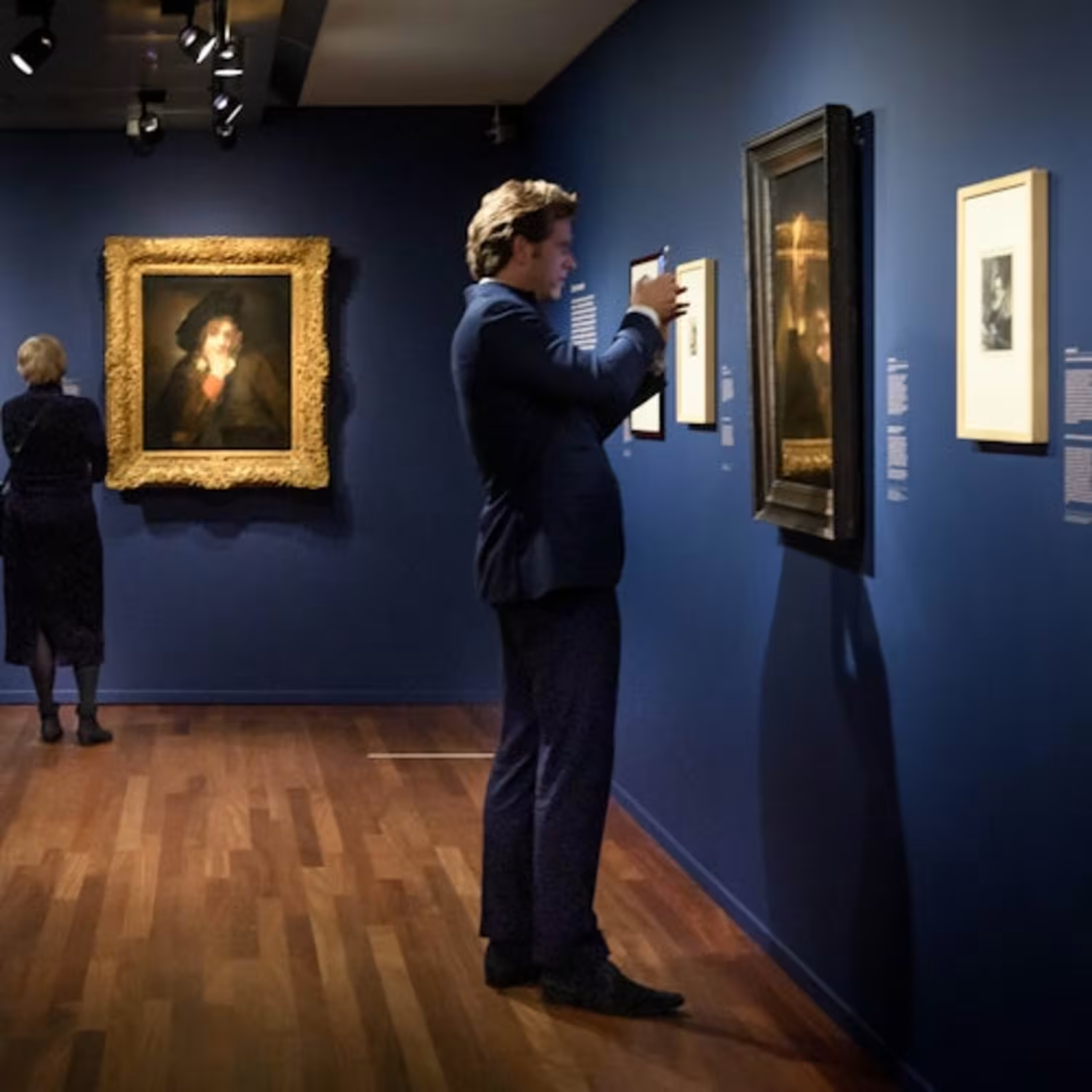
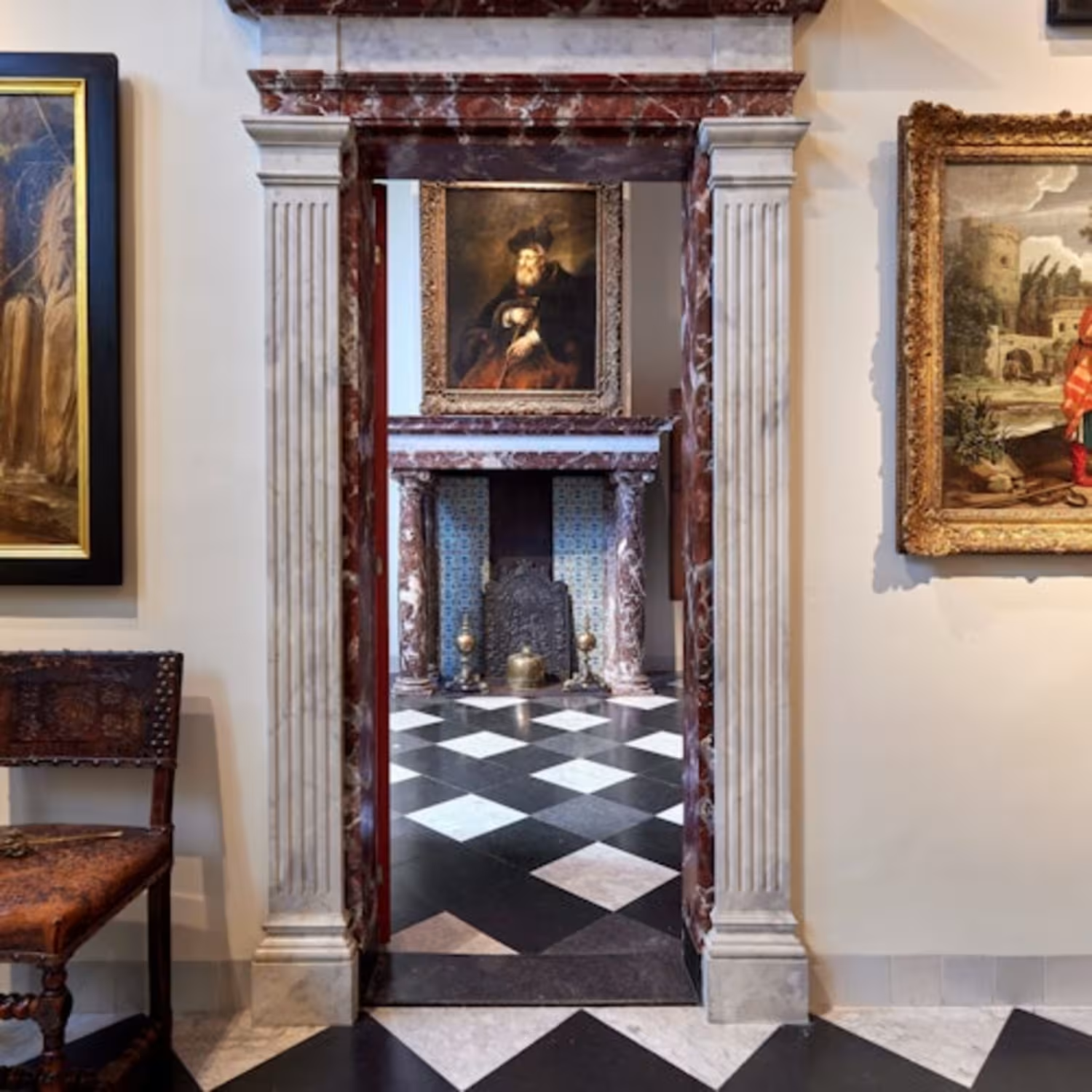
On the ground floor, the entrance hall was richly furnished because it was also a shop, where Rembrandt sold his own work and that of other painters. Next door, the anteroom was where clients discussed commissions and prices, and a deal was toasted with wine. Rembrandt did his paperwork and wrote letters in the small office, while the salon was the family's private living room, with a box bed. A half-floor print room shows original etchings, kept covered to protect them from light.

The studio, the art room and the etching attic

Rembrandt House Museum studio visit

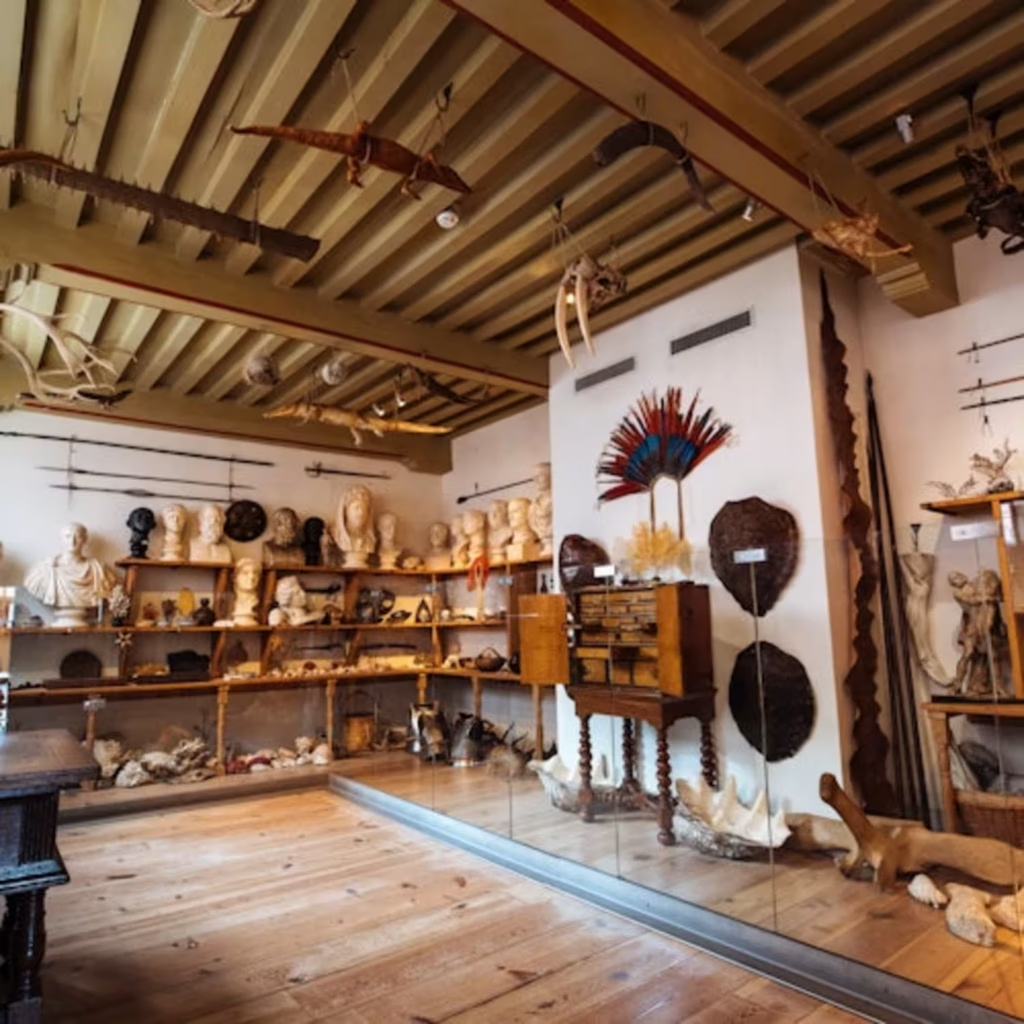
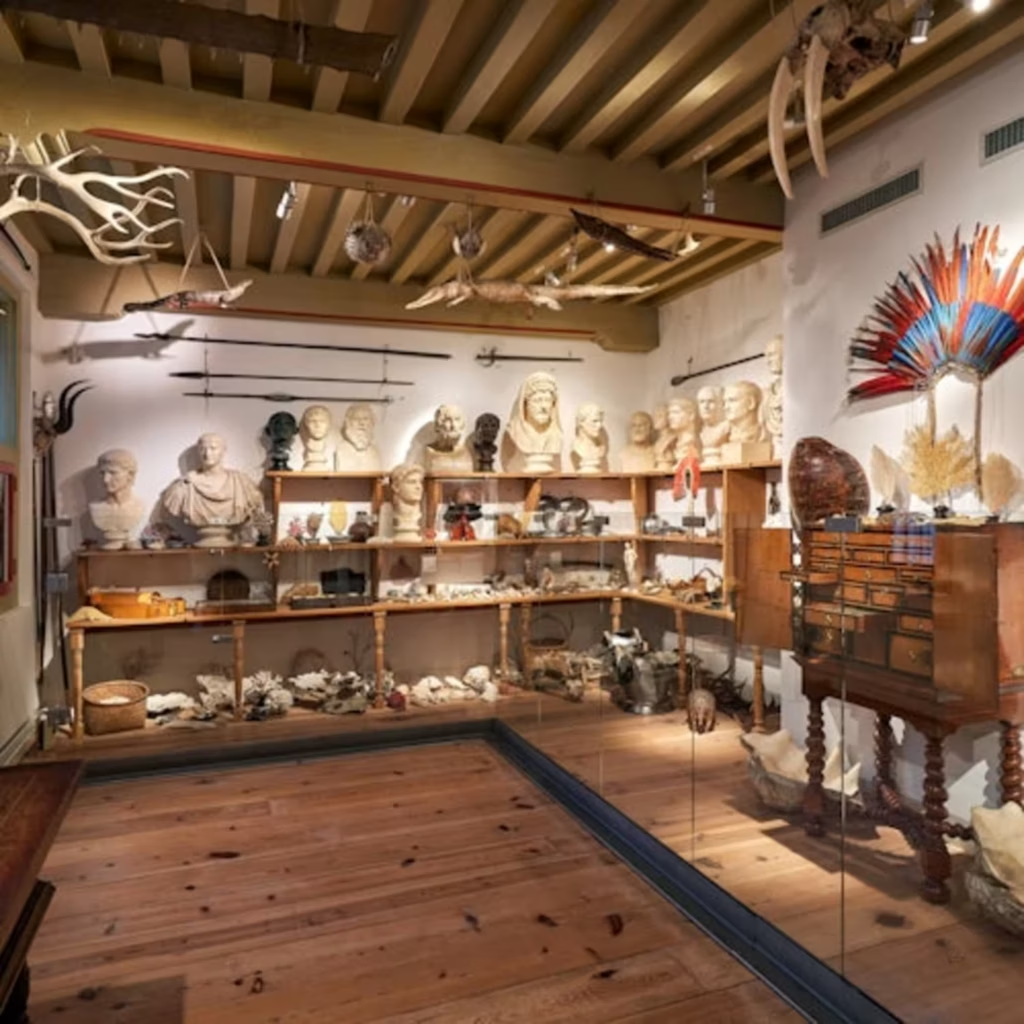
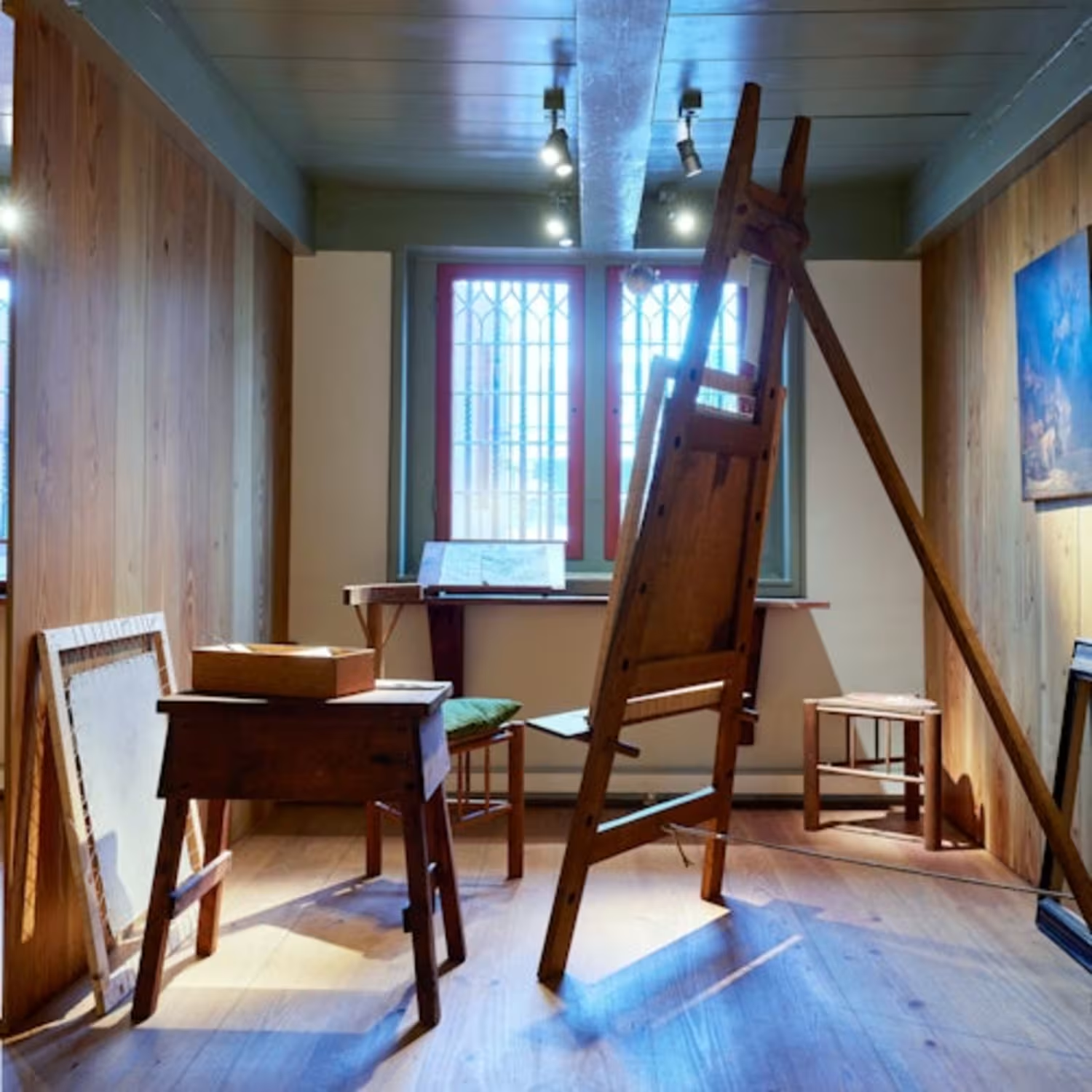
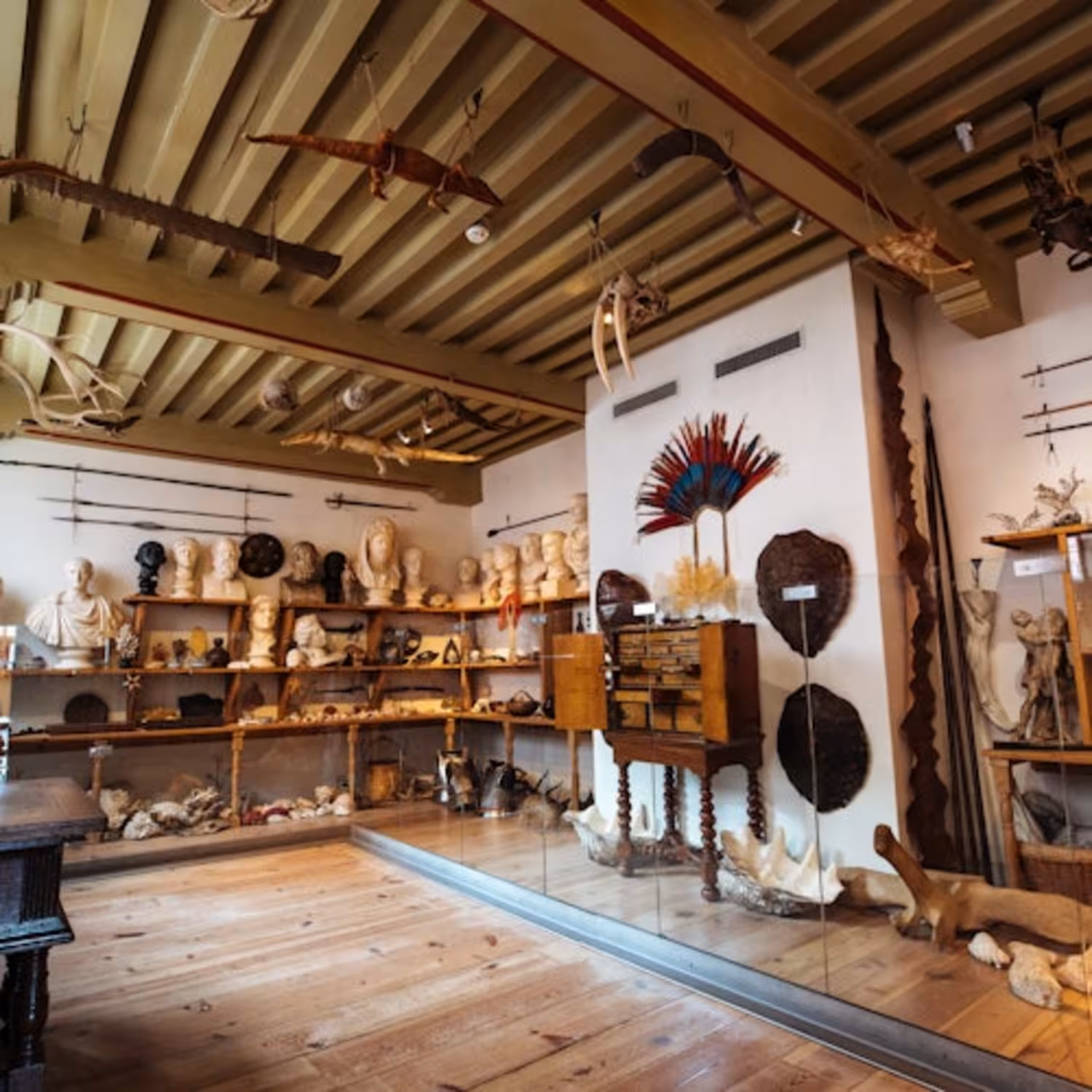
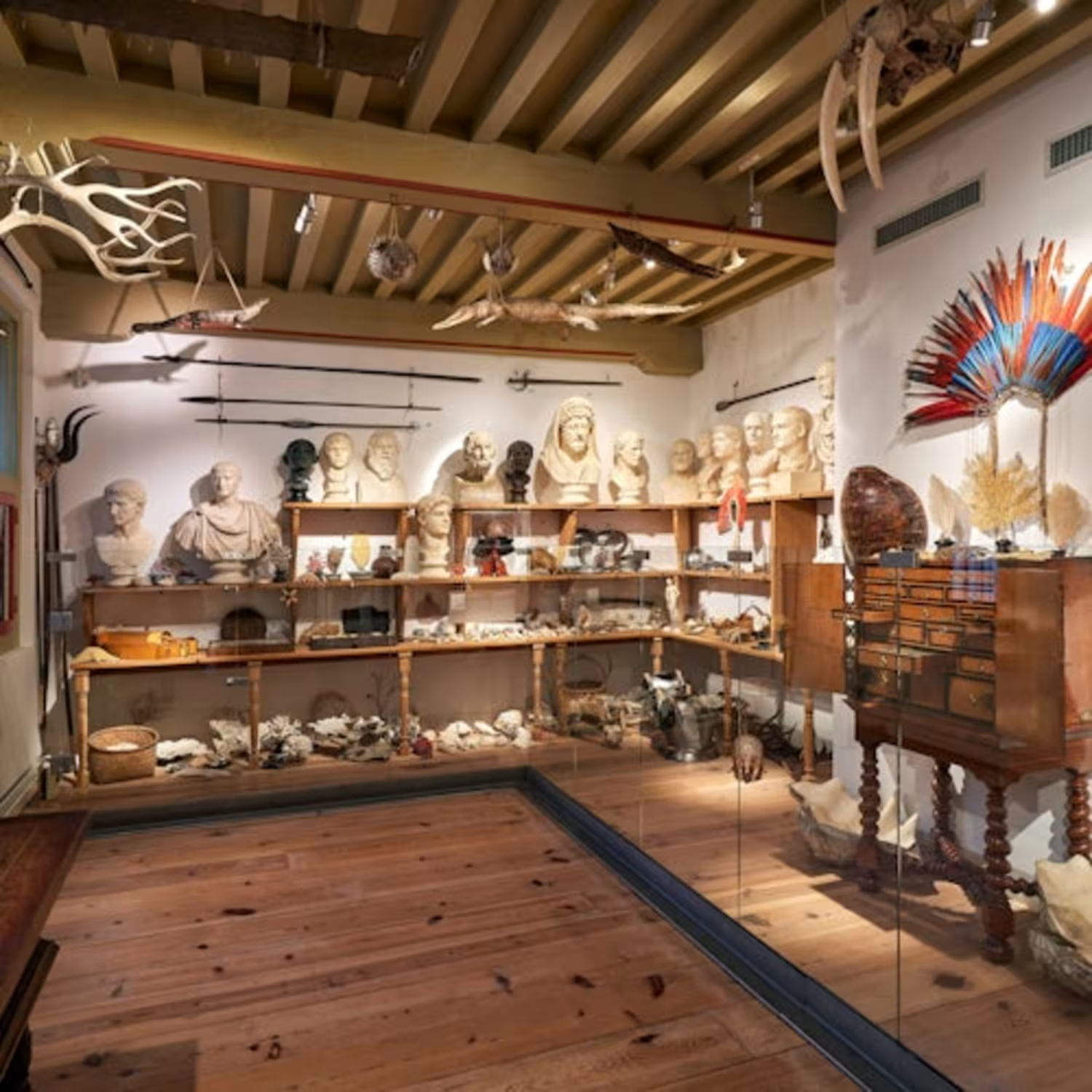
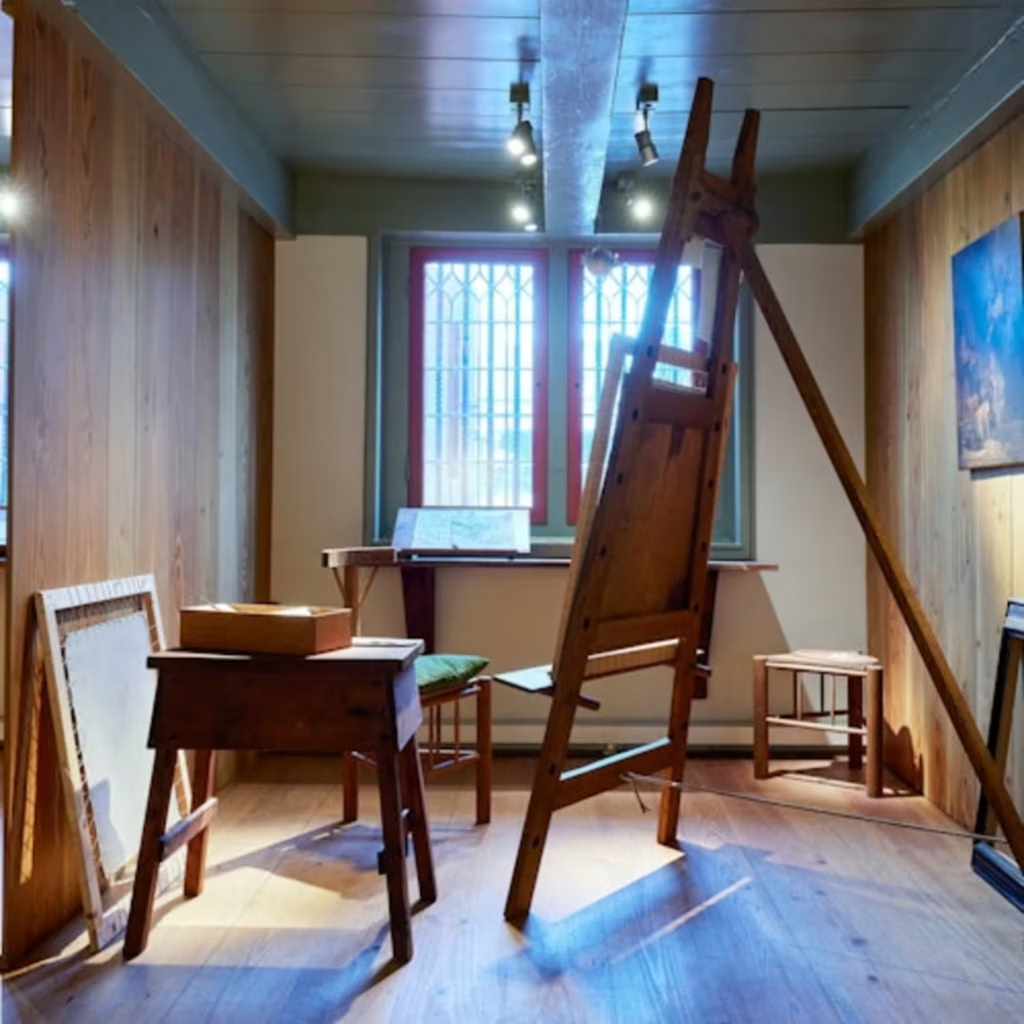
The first floor is the working heart of the house. The large studio has four north-facing windows, which gave the steady, even light Rembrandt needed for painting. Next to it is the art room, his private collection space, filled with busts, shells, feathered headdresses, weapons and other curiosities, plus albums of prints and drawings.

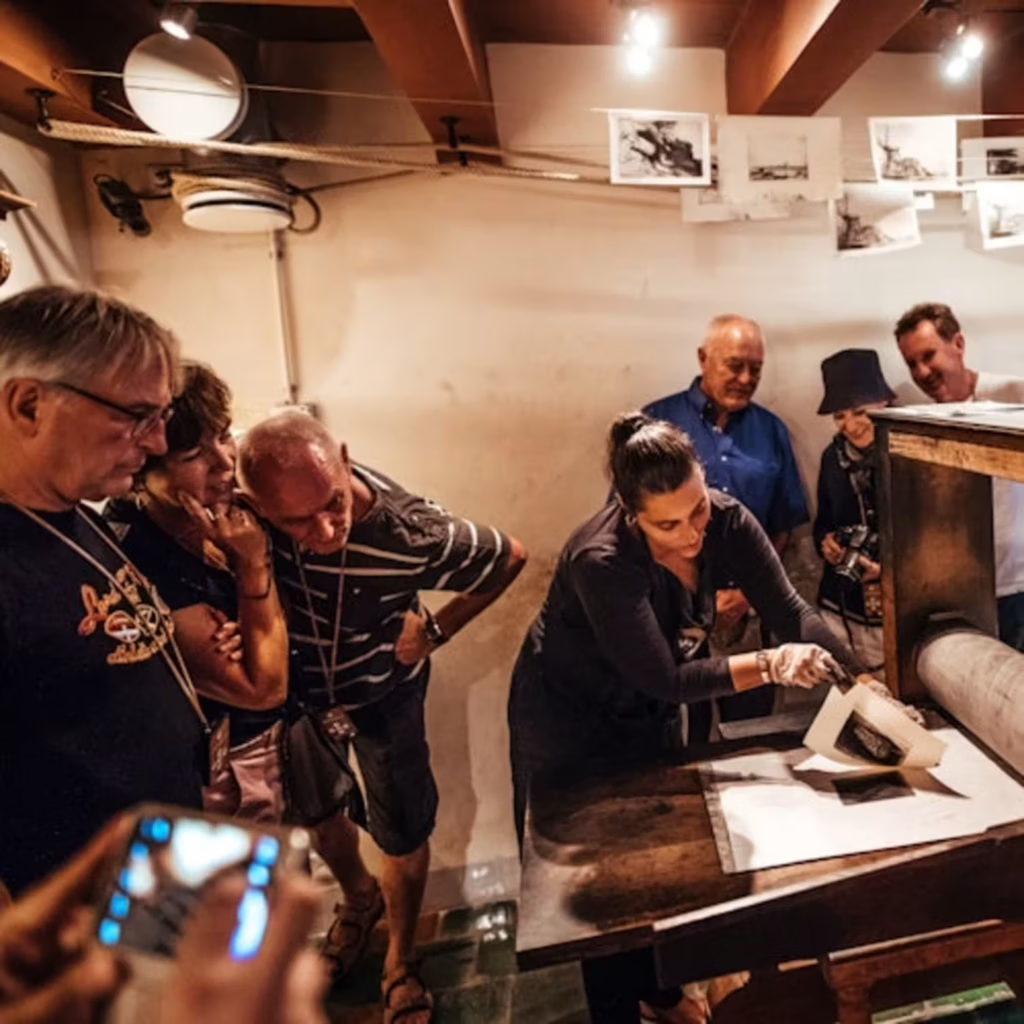
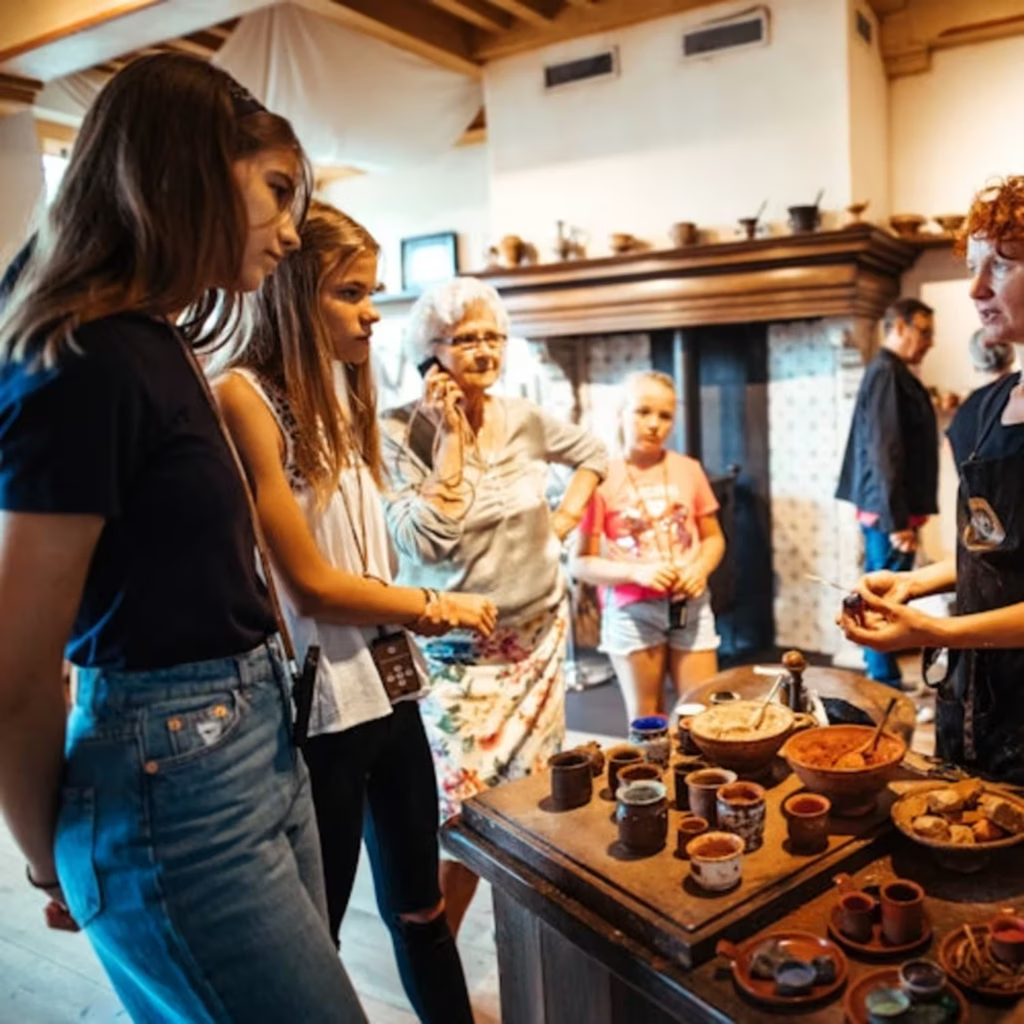
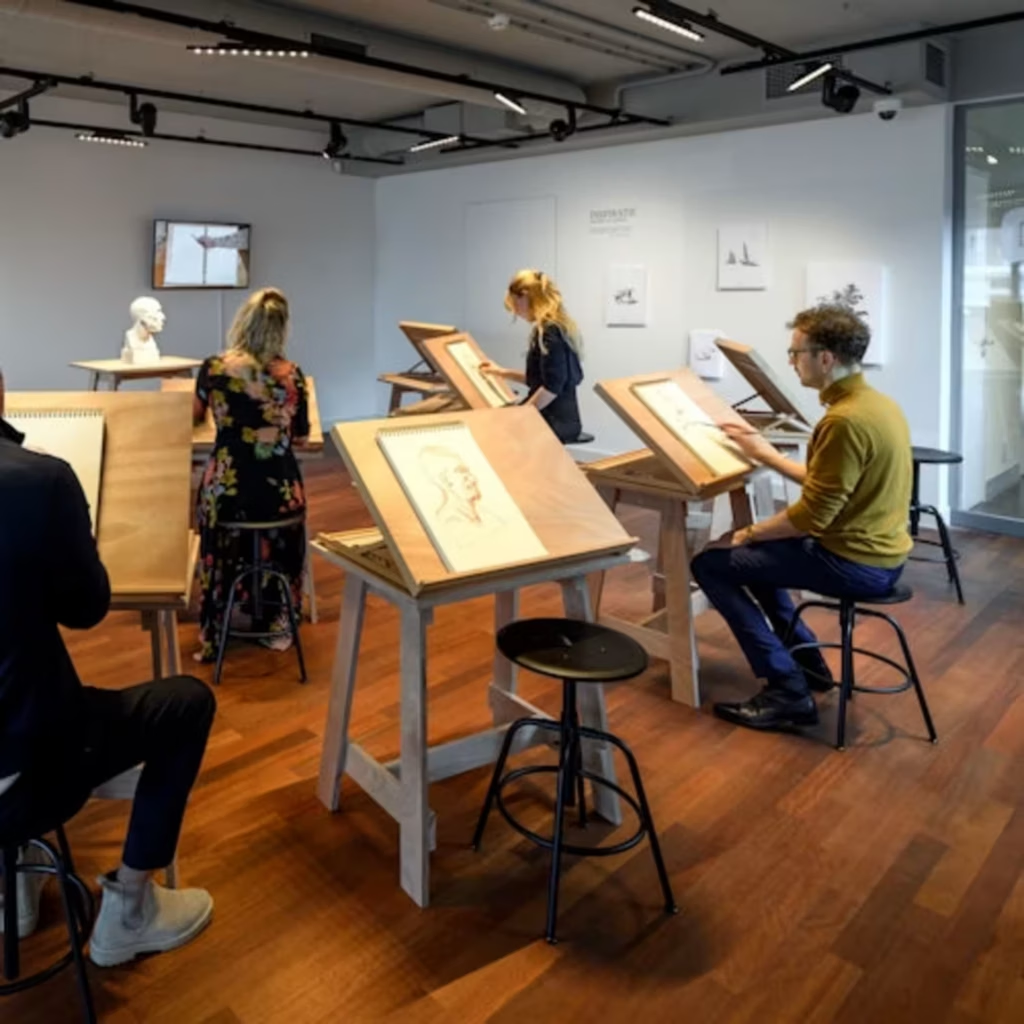
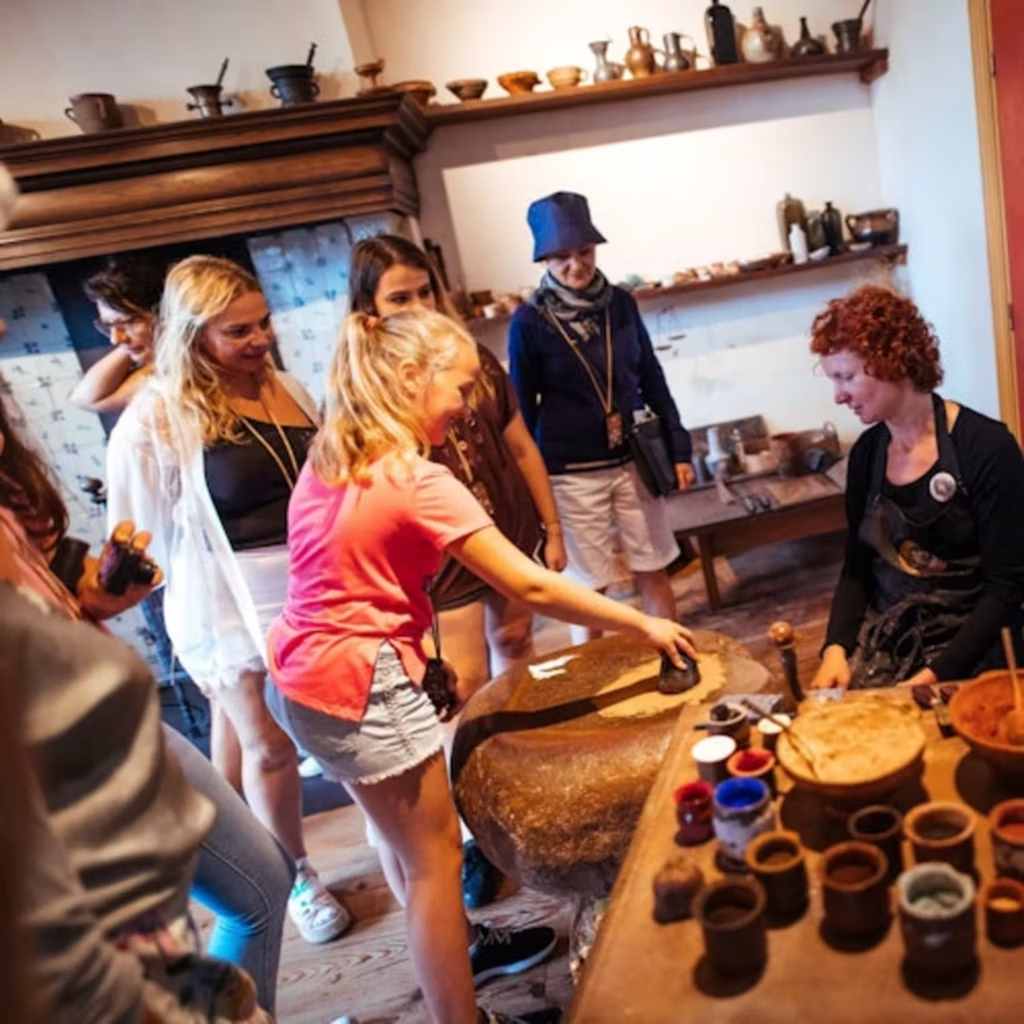
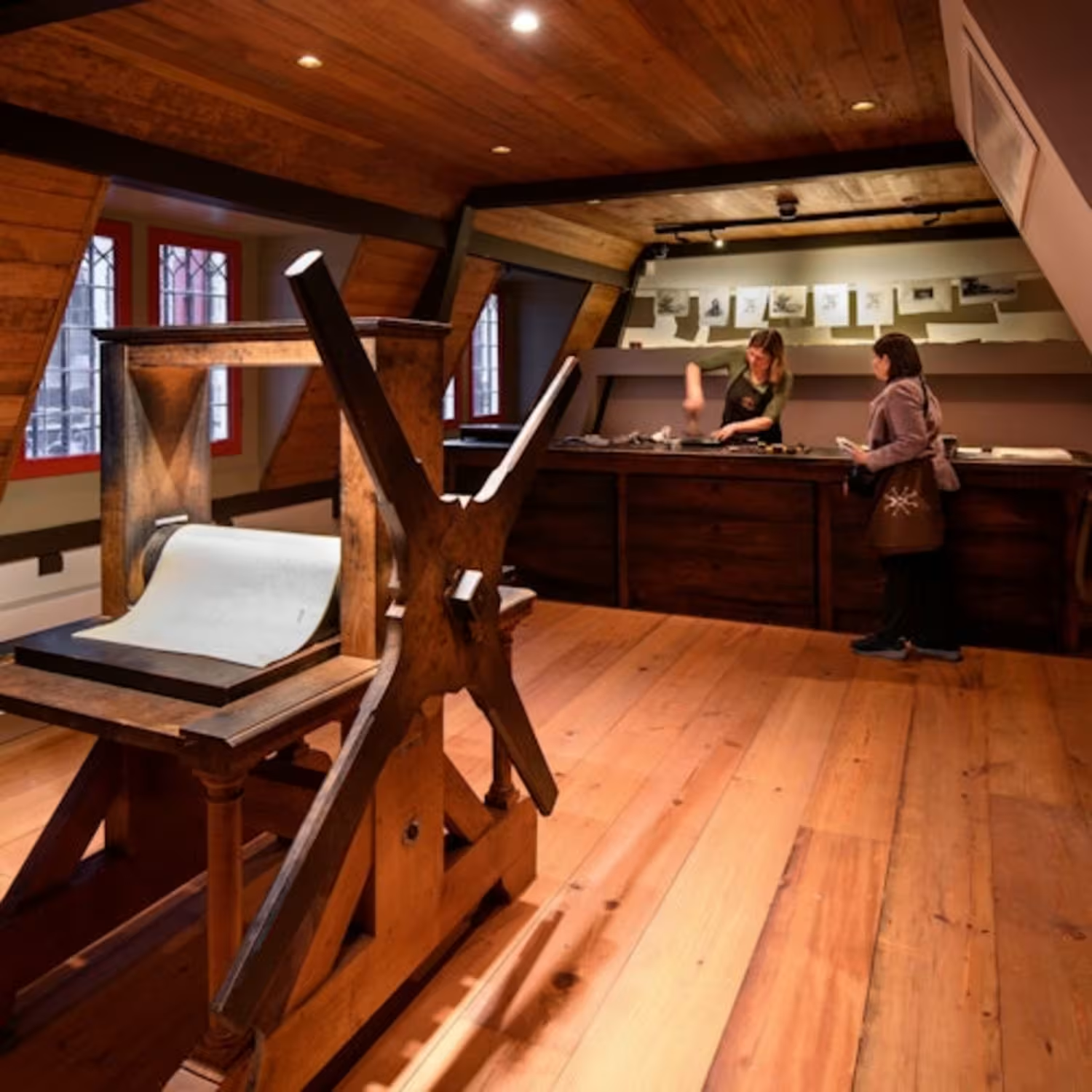
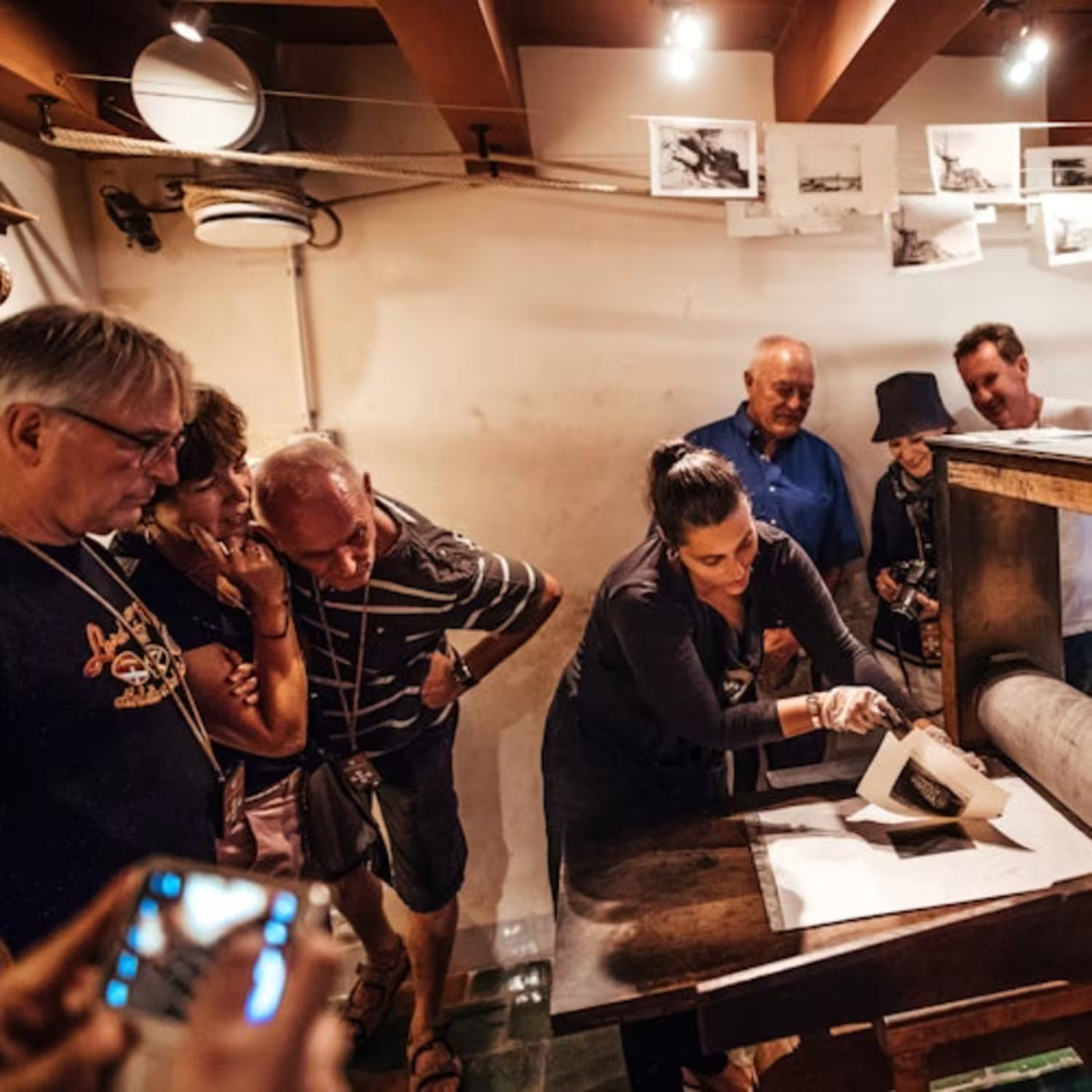
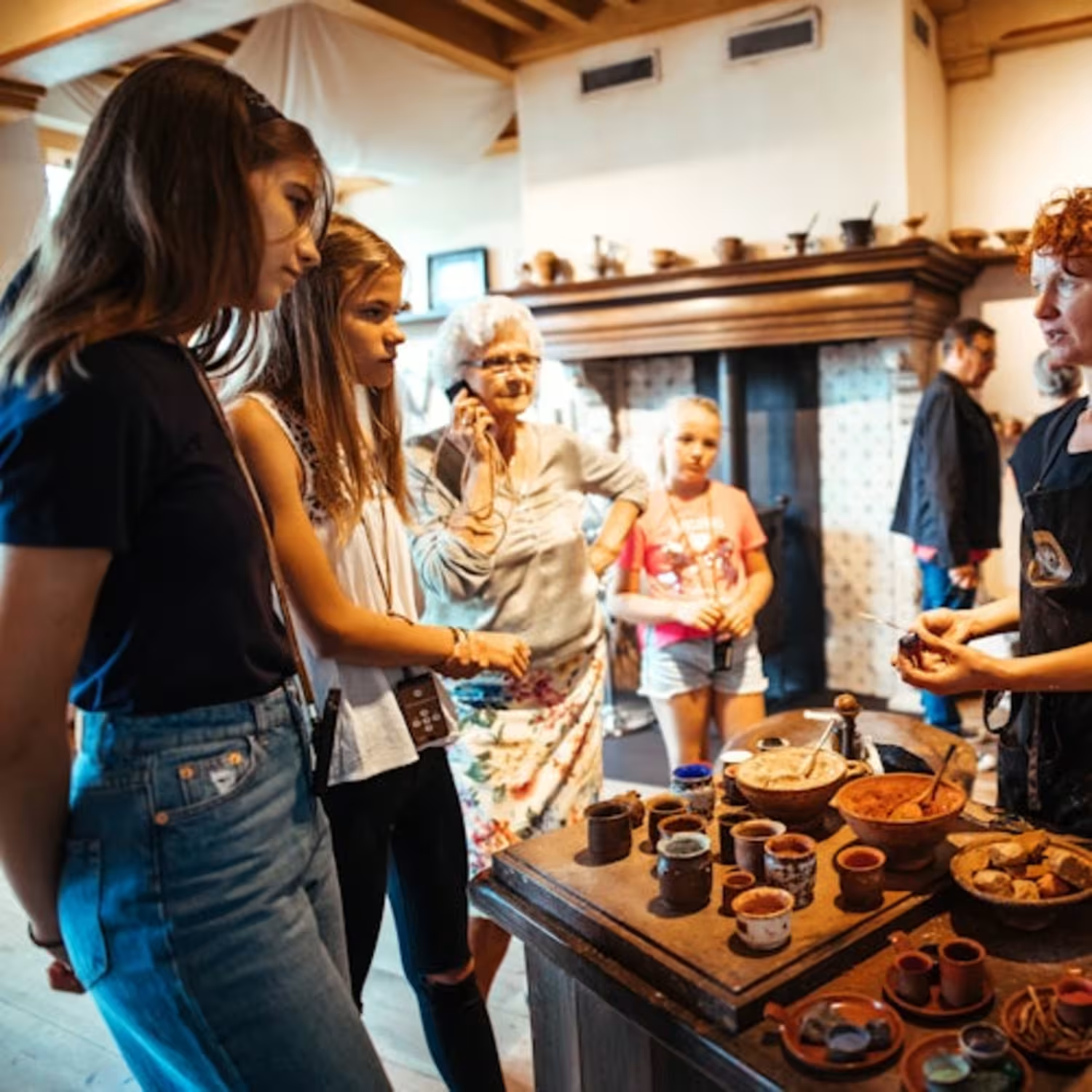
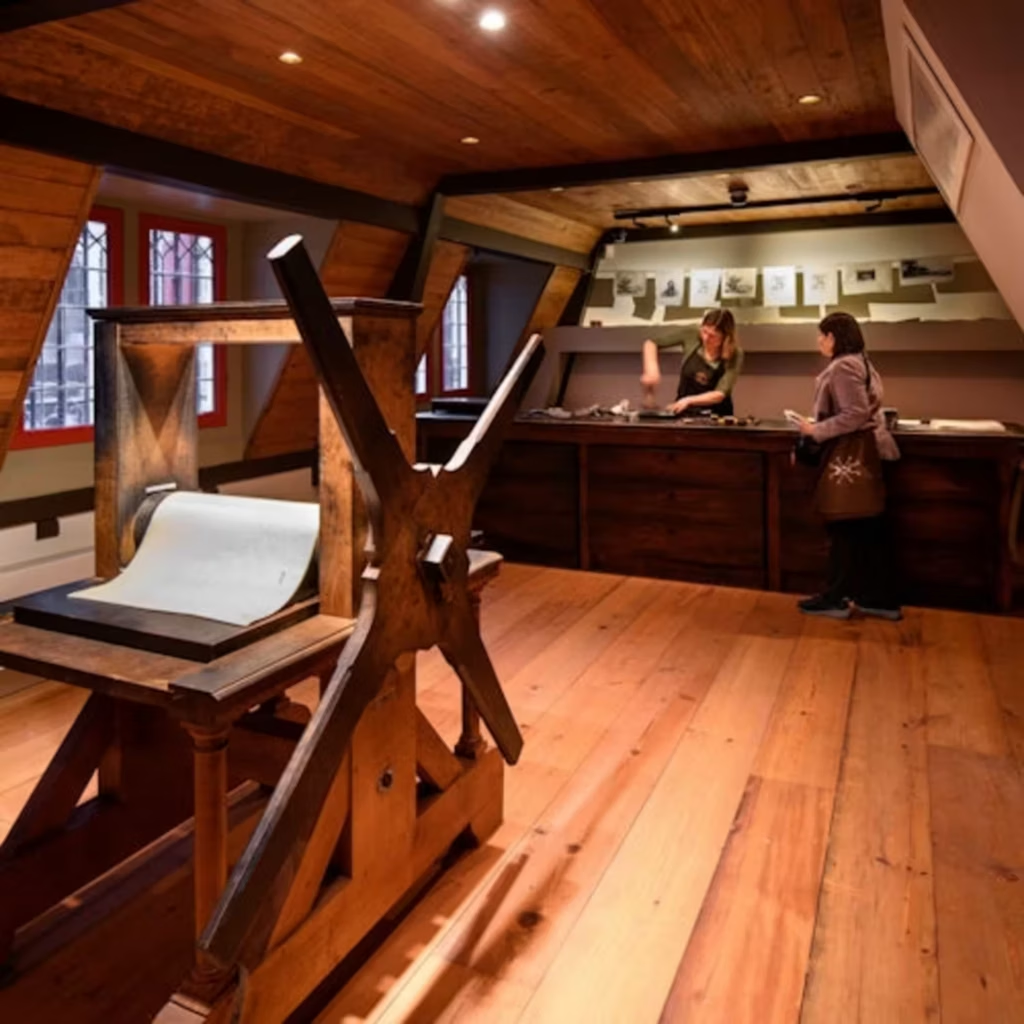
On the second floor, the pupils' studio had separate work cubicles for apprentices. Above it is the etching attic. Museum teachers give painting and etching demonstrations between 11:00 and 15:00 in the studio and the etching attic, in Dutch and English. They show how Rembrandt and his pupils made their own paints from pigments and oils, and how his etching technique worked. The demonstrations are included with every ticket and need no booking, so plan your route so that you reach the upper floors during those hours.

The etchings collection

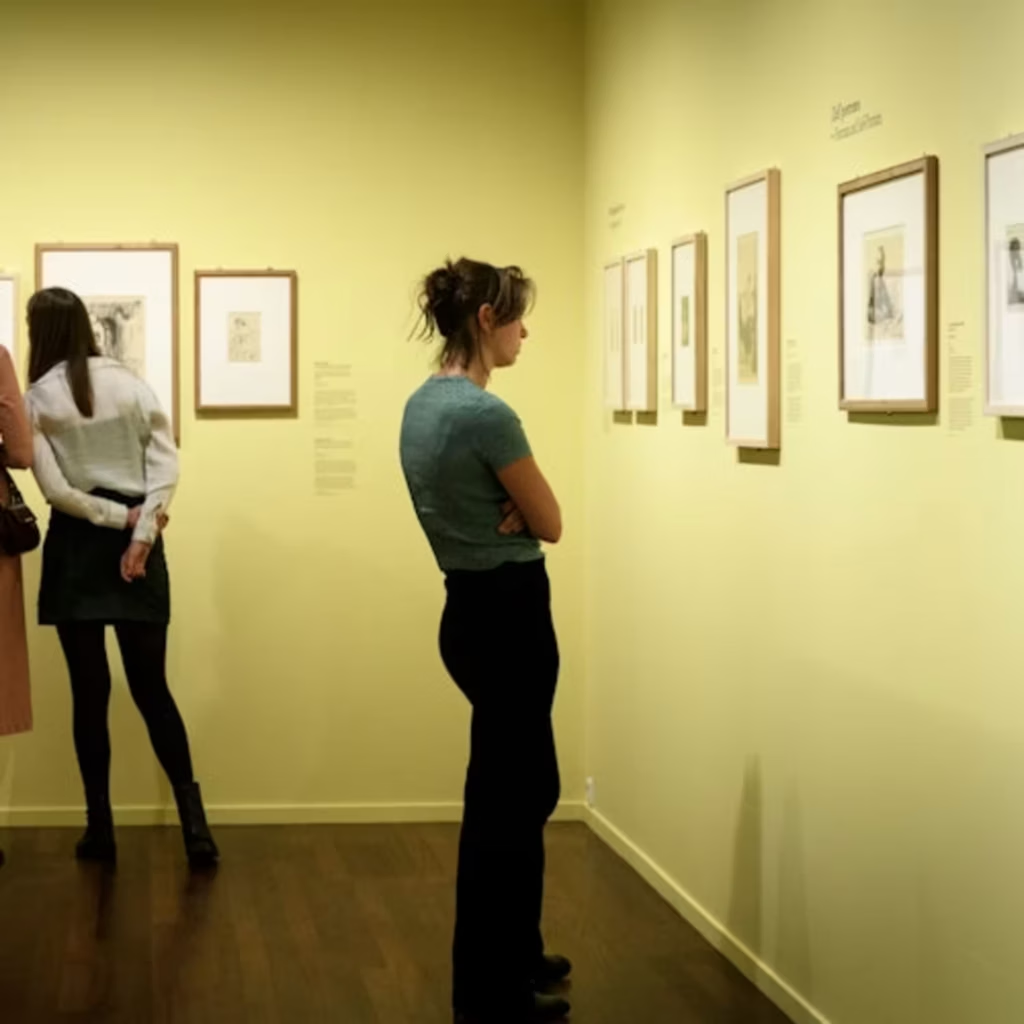
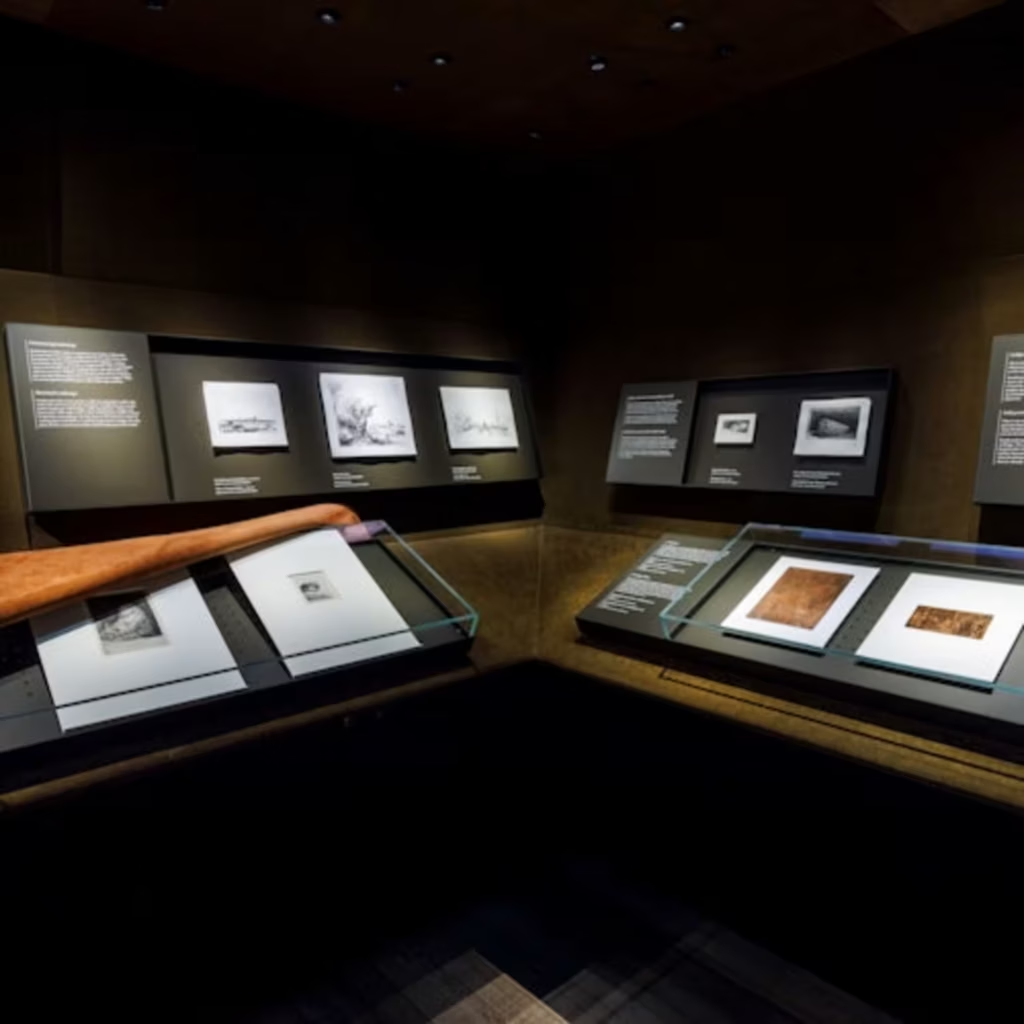
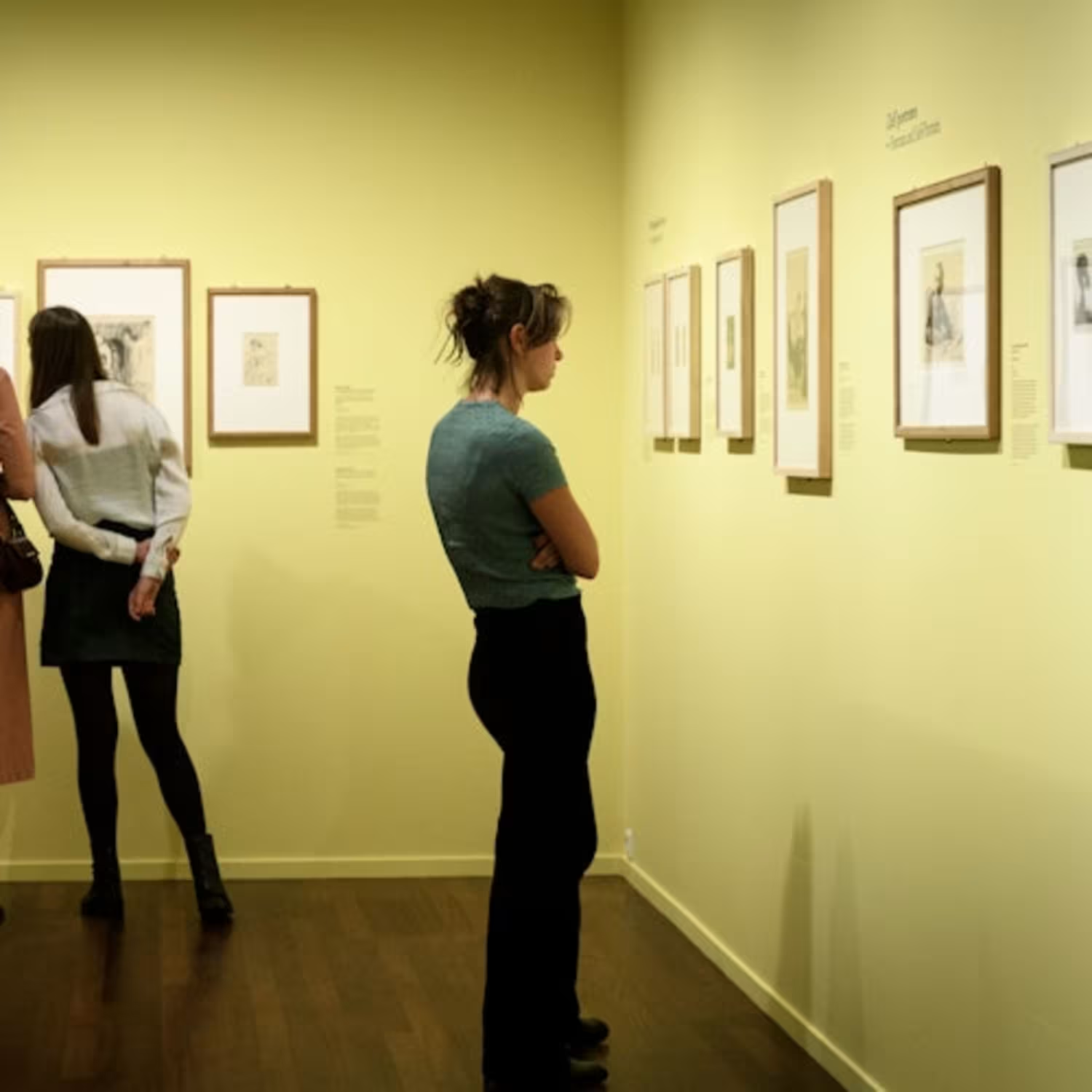
Rembrandt etchings at the Rembrandt House Museum

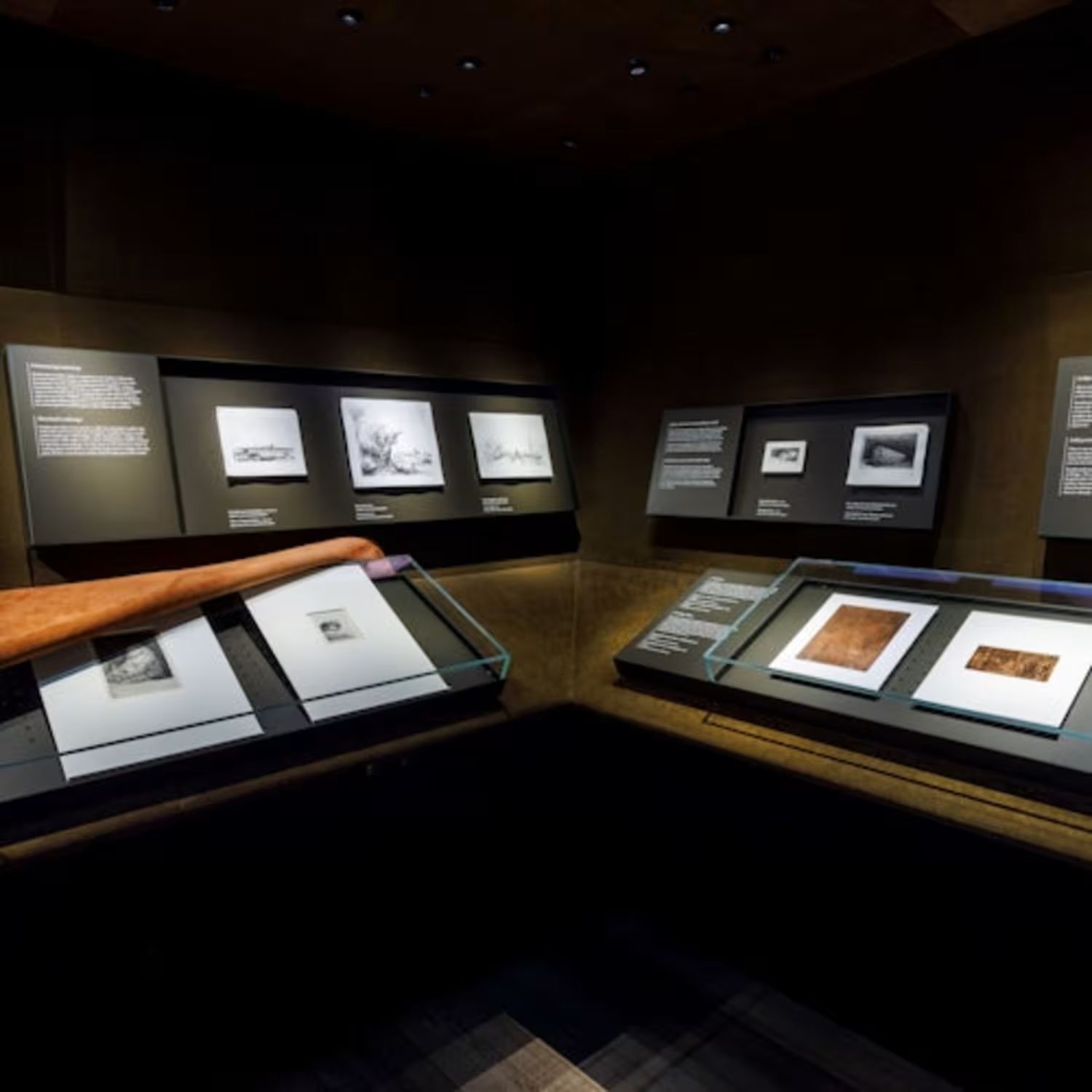
Rembrandt was as famous for his prints as for his paintings, and the museum holds 260 of his etchings, nearly all of them, together with drawings and 4 original copper etching plates. One of the plates is for The Song of Simeon, made around 1639, the year he bought the house. Other works in the collection include The Hundred Guilder Print of around 1648, the Self-portrait with Saskia of 1636 and the Self-portrait with a surprised expression of 1630.

Works from the collection are shown regularly in the museum. Because etchings are sensitive to light, the originals in the print room are kept covered to protect them. If you are interested in a particular print, the museum has an online collection search, but in the house itself the pleasure is seeing the prints a few metres from the attic where they were made. Allow about 45 minutes for the house, and more if you want to watch a demonstration from start to finish.

Families, access and visiting rules

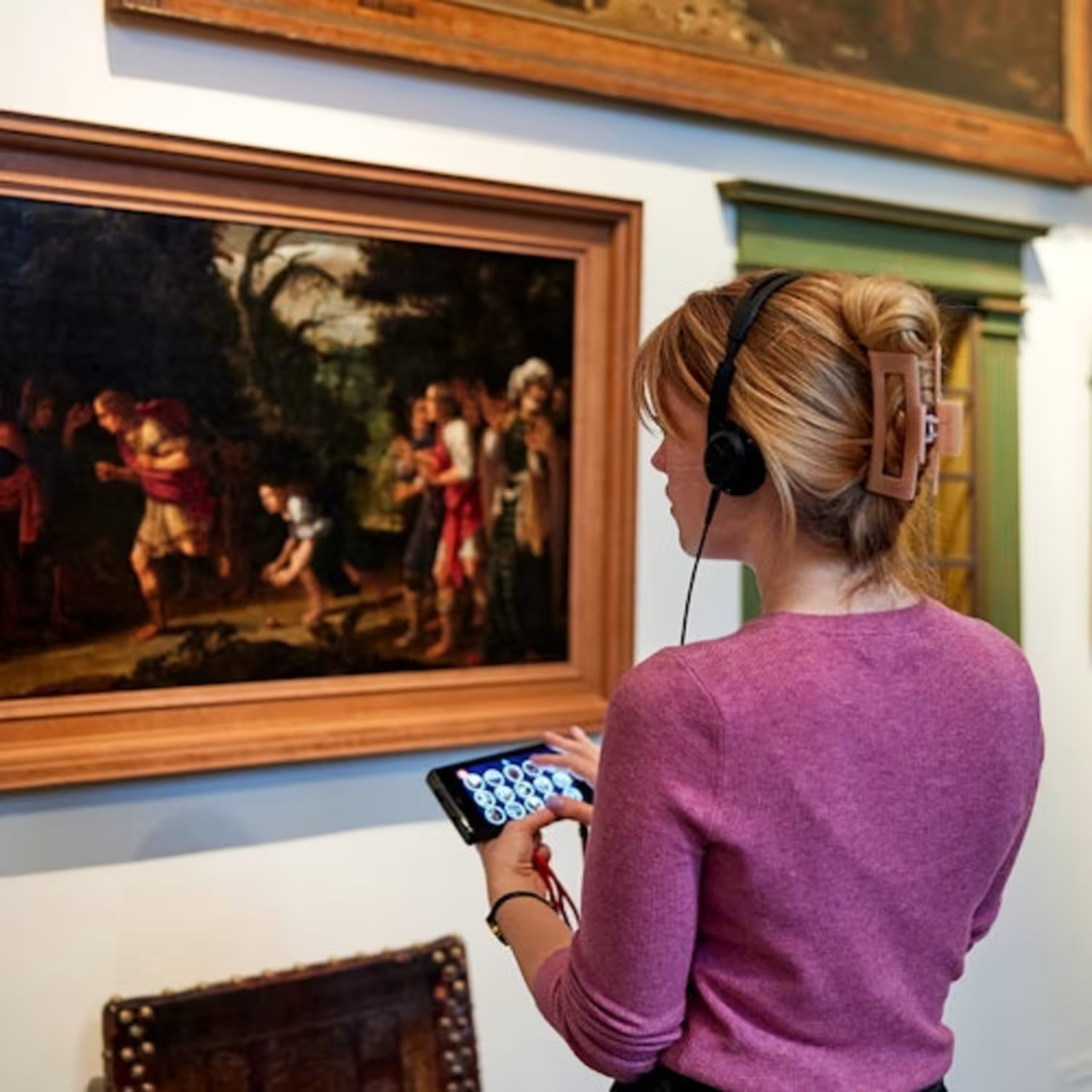
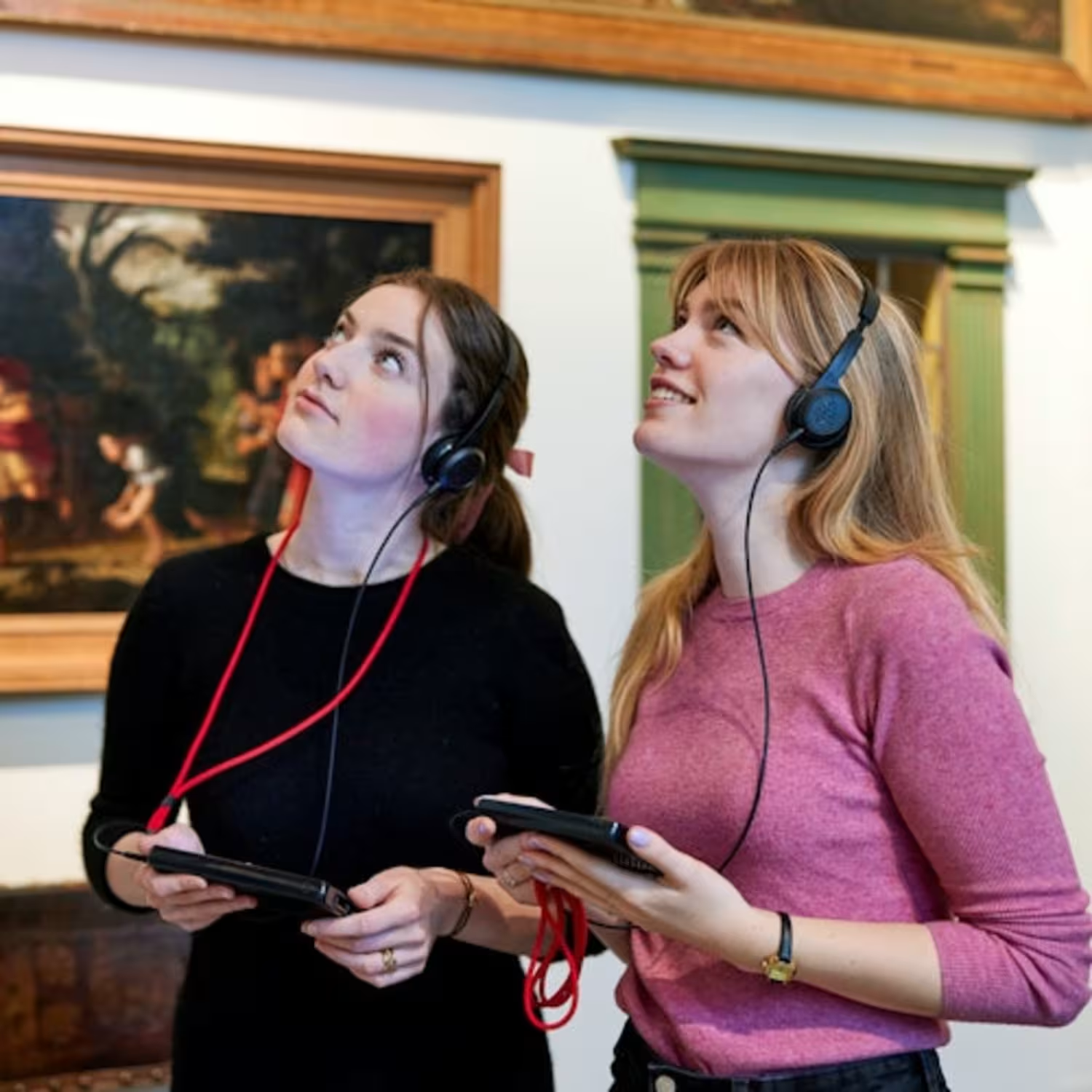
A multimedia guide in several languages leads you past the highlights and comes with every ticket.

Families can get hands-on and watch the demonstrations up close.

Young children enter free under the museum's rules. Check the age bands / ticket options shown when you book.

Booking a time slot in advance is recommended.

The museum is closed on King's Day and on 25 December.

The visit runs over several floors of a 17th-century house, from the basement to the attic.

Quick tips before you go

Arrive between 11:00 and 15:00 to catch a painting or etching demonstration.

Follow the house in order, from the basement kitchen up to the etching attic.

Look for the original etchings in the print room on the half floor.

Allow about 45 minutes, longer with a demonstration.

Take the metro to Waterlooplein; the house is a short walk from the stop.

Combine your visit with a walk through the Jewish Quarter around Jodenbreestraat.

Combine the Rembrandt House with more of Amsterdam

The house is one of many museums in Amsterdam. Rembrandt's first wife Saskia is buried in the Oude Kerk, and the Rembrandts Amsterdam Experience tells his story in a different way. Paintings by his pupils Govert Flinck and Ferdinand Bol hang in the Royal Palace Amsterdam. When you are ready, choose your entry on the Rembrandt House Museum ticket page.

Rembrandt House Museum: FAQs

Did Rembrandt really live in the Rembrandt House?

Yes. He bought the house on Jodenbreestraat on 5 January 1639 and lived and worked there until 1658.

Why did Rembrandt leave the house?

In 1656 he gave up his assets because bankruptcy was imminent. The house was sold, and in 1658 he moved to a rented house on the Rozengracht.

How do we know what the house looked like?

The inventory of his possessions, drawn up in 1656, lists the objects room by room. The museum was furnished from it.

What rooms can you see?

The kitchen and courtyard, the entrance hall, anteroom, small office and salon, the large studio and art room, the pupils' studio and the etching attic.

Are there demonstrations?

Yes. Museum teachers give painting and etching demonstrations between 11:00 and 15:00, in Dutch and English. They are included with the ticket.

How many Rembrandt etchings does the museum have?

260 etchings, nearly all he made, plus drawings and 4 original copper etching plates.

Is there an audio or multimedia guide?

Yes. A multimedia guide in several languages comes with every ticket.

How long does a visit take?

About 45 minutes for the house, longer if you watch a demonstration.

Is the museum suitable for children?

Yes. Families can watch the demonstrations up close, and young children enter free under the museum's rules. Check the age bands when you book.

When did the museum open?

On 10 June 1911, after the city of Amsterdam bought the house in 1907 and had it restored.

Where is the Rembrandt House?

At Jodenbreestraat 4, in the Jewish Quarter by Waterlooplein, reachable by metro and tram.

About this guide

Sources: Rembrandt House Museum, Visitor Guide; Rembrandt House Museum, Daily painting and etching demonstrations; Rembrandt House Museum, A day out in Amsterdam; Rembrandt House Museum, Collection; Wikipedia, Rembrandt House Museum.